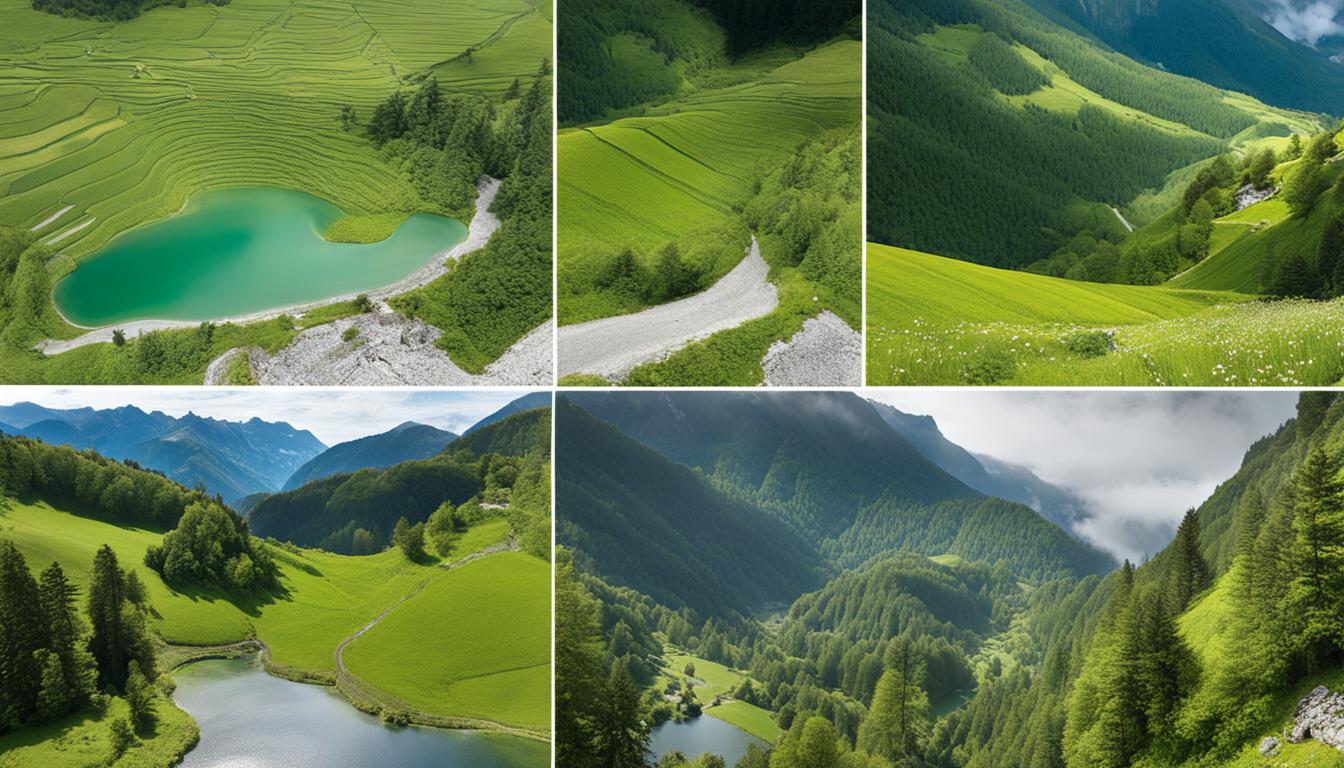





মায়ানমার (পূর্বে বার্মা) জীববৈচিত্র্য: প্রাণী ও উদ্ভিদের প্রজাতি এবং কী হুমকির মুখে
মায়ানমার, পূর্বে বার্মা নামে পরিচিত, একটি সমৃদ্ধ দেশ জীব বৈচিত্র্য, প্রাণী এবং উদ্ভিদ প্রজাতির বিস্তৃত গর্ব. তবে বিভিন্ন কারণে এই জীববৈচিত্র্য হুমকির মুখে পড়েছে। এই নিবন্ধে, আমরা মায়ানমারে পাওয়া অনন্য প্রজাতি এবং এই পরিবেশগত আশ্রয়স্থলে তারা যে চ্যালেঞ্জগুলির মুখোমুখি হয় তা অন্বেষণ করব।
কী Takeaways:
- Myanmar is a biodiversity hotspot, home to a diverse range of flora and fauna.
- Improper land use, illegal hunting and trade, the introduction of invasive species, infrastructure development, and climate change are threatening Myanmar’s biodiversity.
- Conservation efforts in Myanmar include protected areas and stakeholder engagement.
- মায়ানমারে বিদ্যমান মোট প্রজাতির সংখ্যা নির্ধারণের জন্য ব্যাপক জরিপ প্রয়োজন।
- Indigenous knowledge and টেকসই উন্নয়ন জীববৈচিত্র্যের জন্য গুরুত্বপূর্ণ মিয়ানমারে সংরক্ষণ.
মিয়ানমারে জীববৈচিত্র্যের গুরুত্ব
Myanmar’s biodiversity is of immense importance, both for the country itself and the global ecosystem. The rich and diverse flora and fauna found in Myanmar contribute to the overall balance of ecosystems and provide numerous ecosystem services. With 11,824 plant species, 252 mammal species, 1,056 bird species, 293 reptile species, 139 amphibian species, and 775 fish species, Myanmar offers a unique haven for wildlife enthusiasts and researchers alike.
Beyond their aesthetic appeal, these distinctive species play a critical role in sustaining the delicate balance of ecosystems. They contribute to pollination, seed dispersal, nutrient cycling, and overall ecosystem resilience. Moreover, Myanmar’s biodiversity provides a range of benefits to local communities, including food, medicine, and livelihood opportunities.
মিয়ানমারের জীববৈচিত্র্যের জন্য হুমকি
Despite its rich biodiversity, Myanmar’s ecosystems face numerous threats that endanger the survival of many species. The combination of improper land use, illegal hunting and trade, the introduction of invasive species, infrastructure development, and climate change poses significant challenges to the conservation of wildlife and plant species in Myanmar.
জমির অনুপযুক্ত ব্যবহার: The improper use of land, such as deforestation, habitat destruction, and conversion of natural areas for agriculture or industrial purposes, has a detrimental impact on biodiversity. The loss of natural habitats directly affects the survival and reproductive capabilities of numerous species, pushing them towards endangerment or extinction.
অবৈধ শিকার ও ব্যবসা: বন্যপ্রাণীর অবৈধ শিকার ও বাণিজ্য মারাত্মক হুমকির সৃষ্টি করেছে মিয়ানমারে বিপন্ন প্রজাতি. The demand for exotic pets, animal parts, and traditional medicines fuels the illegal wildlife trade, leading to the depletion of populations and disruption of ecological balance.
আক্রমণকারী প্রজাতি: The introduction of invasive species, either intentionally or unintentionally, disrupts native ecosystems and threatens local flora and fauna. Invasive species often outcompete native species for resources, leading to the decline or even eradication of native species.
অবকাঠামো উন্নয়ন: অবকাঠামো প্রকল্পের উন্নয়ন, যেমন রাস্তা, বাঁধ, এবং খনির কাজ, প্রায়ই আবাসস্থল খণ্ডিত এবং ধ্বংসের দিকে পরিচালিত করে। এই ক্রিয়াকলাপগুলি প্রাকৃতিক আবাসস্থলকে খণ্ডিত করে, জনসংখ্যাকে বিচ্ছিন্ন করে এবং প্রজাতির গতিবিধি এবং জিন প্রবাহকে বাধা দেয়, তাদের বেঁচে থাকা আরও বিপন্ন করে।
জলবায়ু পরিবর্তন: The changing climate patterns in Myanmar, including rising temperatures, changes in rainfall patterns, and increased frequency of extreme weather events, have profound impacts on biodiversity. Species that are unable to adapt quickly enough to these changing conditions may face reduced reproductive success, increased susceptibility to diseases, and altered habitat suitability.
In addition to these direct threats to biodiversity, poverty, economic growth, and increasing consumption also play a significant role in exacerbating the challenges faced by wildlife and plant species in Myanmar. Poverty drives illegal hunting and unsustainable resource extraction, while rapid economic growth and growing consumption place additional pressures on natural resources and ecosystems.

| মিয়ানমারের জীববৈচিত্র্যের জন্য হুমকি | |
|---|---|
| অনুপযুক্ত জমি ব্যবহার | বন উজাড়, বাসস্থান ধ্বংস, এবং কৃষি বা শিল্প উদ্দেশ্যে প্রাকৃতিক এলাকার রূপান্তর |
| অবৈধ শিকার ও ব্যবসা | বহিরাগত পোষা প্রাণী, প্রাণীর অংশ এবং ঐতিহ্যগত ওষুধের চাহিদার কারণে বন্যপ্রাণীর জনসংখ্যা হ্রাস |
| আক্রমণকারী প্রজাতি | অ-নেটিভ প্রজাতি দ্বারা দেশীয় বাস্তুতন্ত্রের ব্যাঘাত, যার ফলে দেশীয় উদ্ভিদ এবং প্রাণী প্রজাতির পতন ঘটে |
| অবকাঠামো উন্নয়ন | Habitat fragmentation and destruction caused by the construction of roads, dams, and mining operations |
| জলবায়ু পরিবর্তন | জলবায়ু প্যাটার্ন পরিবর্তন প্রজাতির প্রজনন সাফল্য, রোগ সংবেদনশীলতা, এবং বাসস্থান উপযুক্ততা প্রভাবিত করে |
মিয়ানমারে সংরক্ষণের প্রচেষ্টা
মিয়ানমার তার সমৃদ্ধ জীববৈচিত্র্য সংরক্ষণে সক্রিয়ভাবে বিভিন্ন উদ্যোগে নিয়োজিত রয়েছে। তার প্রাকৃতিক ঐতিহ্য সংরক্ষণের গুরুত্ব স্বীকার করে, দেশটি 5 মিলিয়ন হেক্টরের বেশি বিস্তৃত একটি সুরক্ষিত এলাকা নেটওয়ার্ক প্রতিষ্ঠা করেছে। এই সুরক্ষিত এলাকাগুলি বিপন্ন প্রজাতির জন্য গুরুত্বপূর্ণ আশ্রয়স্থল হিসাবে কাজ করে এবং মিয়ানমারের জীববৈচিত্র্যের হটস্পট সংরক্ষণে অবদান রাখে।
In addition to protected areas, Myanmar is implementing various conservation measures to protect its unique ecosystems. The country is collaborating with both national and international organizations to develop and implement conservation strategies. These efforts aim to address the threats posed by habitat loss, illegal wildlife trade, and climate change, all of which pose significant risks to the survival of মিয়ানমারে বিপন্ন প্রজাতি.
সফলতার একটি উদাহরণ মিয়ানমারে সংরক্ষণ হুকাং উপত্যকা বন্যপ্রাণী অভয়ারণ্যের প্রতিষ্ঠা। এই অভয়ারণ্য, প্রায় 17,000 বর্গ কিলোমিটার এলাকা জুড়ে, হাতি, বাঘ এবং চিতাবাঘ সহ বিভিন্ন ধরণের বন্যপ্রাণীর আবাসস্থল। অভয়ারণ্যটি বিপন্ন প্রজাতির সংরক্ষণে একটি গুরুত্বপূর্ণ ভূমিকা পালন করে এবং একটি প্রধান জীববৈচিত্র্যের হটস্পট হিসেবে কাজ করে।

However, despite these efforts, Myanmar faces several challenges in implementing effective conservation measures. Limited resources, including funding, human capacity, and technical expertise, pose significant obstacles in scaling up conservation efforts. Additionally, the lack of comprehensive land-use policies and the need for better integration of conservation actions across sectors hinder the sustainability and impact of conservation initiatives.
Nevertheless, Myanmar’s commitment to biodiversity conservation is evident through its active engagement with stakeholders. The government collaborates with local communities, non-governmental organizations, and international partners to address conservation challenges, promoting community-based conservation efforts and sustainable resource management.
By prioritizing conservation and addressing these challenges, Myanmar aims to safeguard its unique species and preserve its biodiversity for future generations. The country’s ongoing efforts position Myanmar as a key player in regional and global conservation initiatives, setting an example for sustainable development and ecosystem protection.
মিয়ানমারে জীববৈচিত্র্যের অবস্থা এবং প্রবণতা
মিয়ানমার তার জীববৈচিত্র্যের অবস্থা এবং প্রবণতা মূল্যায়নের জন্য প্রশংসনীয় প্রচেষ্টা করেছে। যাইহোক, দেশের সমৃদ্ধ জীববৈচিত্র্য সম্পর্কে একটি বিস্তৃত বোঝার জন্য, আরও দেশব্যাপী জরিপ পরিচালনা করা প্রয়োজন। ডিসেম্বর 2013 পর্যন্ত, মিয়ানমার উল্লেখযোগ্য সংখ্যক প্রজাতির নথিভুক্ত করেছে:
- 11,824টি উদ্ভিদ প্রজাতি
- 252 স্তন্যপায়ী প্রজাতি
- 1,056 পাখির প্রজাতি
- 293টি সরীসৃপ প্রজাতি
- 139টি উভচর প্রজাতি
- 775 মাছের প্রজাতি
এই সংখ্যাগুলো মায়ানমারে পাওয়া উদ্ভিদ ও প্রাণীর অবিশ্বাস্য বৈচিত্র্যকে তুলে ধরে। তা সত্ত্বেও, এটি লক্ষ করা গুরুত্বপূর্ণ যে এই পরিসংখ্যানগুলি নথিভুক্ত প্রজাতির প্রতিনিধিত্ব করে এবং দেশে উপস্থিত মোট প্রজাতির সংখ্যাকে অন্তর্ভুক্ত করে না। মায়ানমারের জীববৈচিত্র্যের আরও সম্পূর্ণ ইনভেন্টরি প্রদানের জন্য আরও ব্যাপক সমীক্ষা অপরিহার্য।

জীববৈচিত্র্য সংরক্ষণে আদিবাসী জ্ঞানের ভূমিকা
মায়ানমারের আদিবাসী সম্প্রদায় জীববৈচিত্র্য সংরক্ষণে গুরুত্বপূর্ণ ভূমিকা পালন করেছে। তাদের ঐতিহ্যগত চাষাবাদ পদ্ধতি এবং স্থানীয় জ্ঞান শতাব্দী ধরে উদ্ভিদের জেনেটিক বৈচিত্র্য সংরক্ষণে অবদান রেখেছে। এই অমূল্য জ্ঞান, প্রজন্মের মধ্য দিয়ে চলে গেছে, বাস্তুতন্ত্রকে টিকিয়ে রাখতে এবং মিয়ানমারে পাওয়া সমৃদ্ধ জীববৈচিত্র্যকে রক্ষা করতে সাহায্য করেছে।
However, the loss of traditional agricultural practices and the destruction of natural habitats pose a growing threat to the preservation of indigenous knowledge systems and plant genetic diversity.
এর গুরুত্ব পুরোপুরি বোঝার জন্য জীববৈচিত্র্য সংরক্ষণে দেশীয় জ্ঞান, আমাদের অবশ্যই সম্প্রদায় এবং তাদের স্থানীয় পরিবেশের মধ্যে অন্তর্নিহিত সংযোগ চিনতে হবে। আদিবাসী সম্প্রদায়ের প্রাকৃতিক বিশ্বের গভীর উপলব্ধি রয়েছে, যা বাস্তুতন্ত্রের সাথে সহাবস্থানের শতাব্দীর মধ্য দিয়ে গড়ে উঠেছে। এই জ্ঞান ঐতিহ্যগত কৃষি কৌশল, ঔষধি গাছের ব্যবহার, পরিবেশগত সূচক এবং টেকসই সম্পদ ব্যবস্থাপনা অনুশীলনকে অন্তর্ভুক্ত করে।
"আদিবাসী সম্প্রদায়ের দ্বারা ধারণকৃত ঐতিহ্যগত জ্ঞান হল জ্ঞানের ভান্ডার যা আধুনিক সংরক্ষণ প্রচেষ্টাকে জানাতে এবং উন্নত করতে পারে।"
It is crucial to acknowledge and embrace the contributions of indigenous communities and their knowledge systems in biodiversity conservation. By recognizing their rights, engaging them as equal partners, and integrating their practices into conservation initiatives, we can strengthen the resilience of ecosystems and ensure the long-term survival of plant species.

মায়ানমারে কার্যকর এবং টেকসই জীববৈচিত্র্য সংরক্ষণের জন্য আদিবাসী জ্ঞান সংরক্ষণ এবং সংরক্ষণ কৌশলগুলিতে এর অন্তর্ভুক্তির প্রচার করা অপরিহার্য।
Indigenous communities have a vested interest in protecting their local environments as their well-being is intertwined with the health of the ecosystems they depend upon. They possess unique insights into ecological dynamics, the interconnections between species, and sustainable resource management practices that can guide conservation efforts.
By valuing and supporting indigenous knowledge systems, Myanmar can harness the wisdom of its diverse cultural communities to protect and restore biodiversity, fostering a harmonious balance between human development and ecological conservation.
টেকসই উন্নয়ন এবং ইকোসিস্টেম সুরক্ষার প্রয়োজন
মিয়ানমারের জীববৈচিত্র্যের দীর্ঘমেয়াদী স্থায়িত্ব নিশ্চিত করার জন্য অর্থনৈতিক উন্নয়ন এবং বাস্তুতন্ত্রের সুরক্ষার মধ্যে একটি সূক্ষ্ম ভারসাম্য প্রয়োজন। জৈবিক বৈচিত্র্যের ক্ষতি কার্যকরভাবে কমাতে জাতীয় নীতি ও কর্মসূচিতে টেকসই উন্নয়ন নীতিগুলিকে একীভূত করা অত্যন্ত গুরুত্বপূর্ণ। সংরক্ষণ প্রচেষ্টাকে অগ্রাধিকার দিয়ে, মায়ানমার তার অনন্য প্রজাতি এবং তাদের আবাসস্থল রক্ষা করতে পারে, বাস্তুতন্ত্রের সুরক্ষা এবং স্থিতিস্থাপকতা প্রচার করতে পারে।
মিয়ানমারে টেকসই উন্নয়ন ভবিষ্যৎ প্রজন্মের জন্য দেশের প্রাকৃতিক ঐতিহ্য সংরক্ষণে গুরুত্বপূর্ণ ভূমিকা পালন করে। এতে ভবিষ্যৎ প্রজন্মের নিজস্ব চাহিদা মেটাতে সক্ষমতার সাথে আপস না করে বর্তমানের চাহিদা মেটানো অনুশীলনগুলি বাস্তবায়ন করা জড়িত। এই পদ্ধতিটি উন্নয়নের পরিবেশগত, সামাজিক এবং অর্থনৈতিক দিকগুলিকে বিবেচনা করে, এটি নিশ্চিত করে যে অগ্রগতি টেকসইভাবে এবং বাস্তুতন্ত্র সুরক্ষার জন্য সর্বোচ্চ গুরুত্ব সহকারে অর্জন করা হয়।
একটি অপরিহার্য উপাদান মিয়ানমারে টেকসই উন্নয়ন is the establishment of protected areas. These designated zones provide a safe haven for the country’s diverse flora and fauna, allowing ecosystems to flourish and species to thrive. Protected areas not only serve as biodiversity hotspots but also support critical ecological processes, such as habitat connectivity and genetic exchange.
মিয়ানমারে ইকোসিস্টেম সুরক্ষা goes beyond the establishment of protected areas. It requires robust enforcement of laws and regulations to combat activities that harm or exploit natural resources, such as illegal hunting, deforestation, and habitat destruction. Furthermore, promoting sustainable practices in agriculture, forestry, and fisheries is essential for maintaining the integrity of ecosystems and ensuring the long-term viability of Myanmar’s biodiversity.
টেকসই উন্নয়ন এবং ইকোসিস্টেম সুরক্ষা অন্তর্নিহিতভাবে যুক্ত মিয়ানমারে সংরক্ষণ. টেকসই অনুশীলন গ্রহণ করে, বিনিয়োগ নবায়নযোগ্য শক্তি, promoting responsible tourism, and engaging local communities in conservation efforts, Myanmar can build a future where economic prosperity and environmental preservation go hand in hand. This integrated approach to development holds the key to preserving the country’s natural heritage and securing a sustainable future for its people.

জীববৈচিত্র্য সংরক্ষণ এবং টেকসই উন্নয়ন লক্ষ্যগুলির মধ্যে সংযোগ
Biodiversity conservation in Myanmar plays a crucial role in achieving sustainable development goals. By prioritizing the protection of biodiversity and preserving ecosystems, Myanmar contributes to environmental sustainability and integrates sustainable development principles across various sectors. This holistic approach helps to reduce the loss of biological diversity, ensuring a brighter future for both nature and humanity.
“জীববৈচিত্র্য সংরক্ষণ এবং বাস্তুতন্ত্র সংরক্ষণ করা শুধু বন্যপ্রাণী এবং গাছপালা রক্ষা নয়। এটি আমাদের নিজেদের ভবিষ্যৎ সুরক্ষিত করা এবং আগামী প্রজন্মের জন্য একটি টেকসই বিশ্ব তৈরি করা।
জীববৈচিত্র্য সংরক্ষণ এবং মধ্যে মূল সংযোগ এক মিয়ানমারে টেকসই উন্নয়ন প্রাকৃতিক সম্পদ এবং দারিদ্র্য বিমোচনের মধ্যে জড়িত সম্পর্কের মধ্যে রয়েছে। স্থানীয় সম্প্রদায়গুলি প্রাকৃতিক সম্পদের টেকসই ব্যবহারে গুরুত্বপূর্ণ ভূমিকা পালন করে, বাস্তুতন্ত্রের স্থিতিস্থাপকতা এবং জীবিকার সুযোগ উভয় ক্ষেত্রেই অবদান রাখে। অতএব, কার্যকর সংরক্ষণ ব্যবস্থা বাস্তবায়নের মাধ্যমে, মিয়ানমার একই সাথে তার জীববৈচিত্র্য রক্ষা করে এবং দারিদ্র্য বিমোচনের প্রচেষ্টাকে সমর্থন করে।
- Promoting sustainable agriculture practices that minimize the impact on ecosystems
- Encouraging responsible tourism to foster economic growth while prioritizing environmental conservation
- Strengthening community-based natural resource management to ensure the sustainable use of resources
- Integrating biodiversity considerations into urban planning and infrastructure development
- সচেতনতা বাড়াতে এবং টেকসই অনুশীলন প্রচার করতে গবেষণা এবং শিক্ষায় বিনিয়োগ করা
By embracing sustainable development principles, Myanmar can achieve a harmonious balance between economic growth, social well-being, and environmental protection. Conserving biodiversity and preserving ecosystems are integral components of sustainable development, ensuring the long-term well-being of Myanmar’s diverse species and unique habitats.

জীববৈচিত্র্য সংরক্ষণে স্টেকহোল্ডার জড়িত থাকার গুরুত্ব
মিয়ানমারের জীববৈচিত্র্যকে কার্যকরভাবে রক্ষা করার জন্য স্থানীয় সম্প্রদায় এবং অন্যান্য স্টেকহোল্ডারদের সক্রিয় অংশগ্রহণ অত্যন্ত গুরুত্বপূর্ণ। স্থানীয় জনগোষ্ঠীকে সংরক্ষণের প্রচেষ্টায় নিয়োজিত করা কেবল তাদের জীবিকার সুযোগই দেয় না বরং প্রাকৃতিক সম্পদের প্রতি মালিকানা ও দায়িত্ববোধও গড়ে তোলে।
Collaboration between government agencies, NGOs, and local communities is essential for the successful implementation of biodiversity conservation initiatives. By working together, these stakeholders can combine their resources, knowledge, and expertise to develop comprehensive conservation strategies that address the unique challenges faced by Myanmar’s ecosystems.
স্টেকহোল্ডারদের সম্পৃক্ততা স্থানীয় সম্প্রদায়গুলিকে তাদের দৃষ্টিভঙ্গি এবং চাহিদাগুলি বিবেচনায় নেওয়া নিশ্চিত করে সিদ্ধান্ত গ্রহণের প্রক্রিয়াগুলিতে একটি কণ্ঠস্বর রাখতে সক্ষম করে। এই অংশগ্রহণমূলক পদ্ধতি সংরক্ষণ প্রচেষ্টার কার্যকারিতা এবং স্থায়িত্ব বাড়ায়, কারণ এটি জীববৈচিত্র্য রক্ষার জন্য একটি ভাগ করা দায়িত্ব প্রচার করে।
"স্টেকহোল্ডারদের ব্যস্ততা সফল জীববৈচিত্র্য সংরক্ষণের একটি মূল স্তম্ভ। সিদ্ধান্ত গ্রহণের প্রক্রিয়ায় স্থানীয় সম্প্রদায়, সরকারী সংস্থা এবং এনজিওগুলিকে সম্পৃক্ত করে, আমরা নিশ্চিত করতে পারি যে আমাদের সংরক্ষণ প্রচেষ্টা সামগ্রিক, অন্তর্ভুক্তিমূলক এবং পরিবেশগতভাবে টেকসই।” – ডাঃ খিন মায়ো মায়ো, সংরক্ষণ জীববিজ্ঞানী
Furthermore, stakeholder engagement fosters the development of innovative and locally-tailored conservation solutions. Local communities possess valuable traditional knowledge and practices that have been passed down through generations. By integrating indigenous knowledge with scientific expertise, conservation initiatives can benefit from a holistic approach that incorporates both traditional wisdom and modern conservation practices.
সামগ্রিকভাবে, মায়ানমারে জীববৈচিত্র্য সংরক্ষণে স্টেকহোল্ডারদের সম্পৃক্ততা একটি গুরুত্বপূর্ণ ভূমিকা পালন করে। স্থানীয় সম্প্রদায়ের ক্ষমতায়ন, স্টেকহোল্ডারদের মধ্যে সহযোগিতা বৃদ্ধি এবং ঐতিহ্যগত জ্ঞানের মূল্যায়ন করে, মায়ানমার টেকসই এবং প্রভাবশালী সংরক্ষণের ফলাফল অর্জন করতে পারে যা তার অনন্য প্রজাতি এবং বাস্তুতন্ত্রকে আগামী প্রজন্মের জন্য রক্ষা করে।

উপসংহার
Myanmar’s rich biodiversity is a precious treasure that must be safeguarded and conserved for the benefit of current and future generations. The country, however, faces significant challenges in protecting its unique species and ecosystems. Nonetheless, with the implementation of appropriate policies, active engagement of stakeholders, and adoption of sustainable development practices, Myanmar has the potential to become a shining example of biodiversity conservation.
মিয়ানমারের জীববৈচিত্র্য রক্ষার প্রচেষ্টাকে অগ্রাধিকার দেওয়া তার বৈচিত্র্যময় উদ্ভিদ ও প্রাণীজগতের দীর্ঘমেয়াদী বেঁচে থাকার জন্য অত্যাবশ্যক। এই মূল্যবান প্রাকৃতিক ঐতিহ্য রক্ষা ও সংরক্ষণের মাধ্যমে আমরা প্রকৃতি ও মানবতার মঙ্গল নিশ্চিত করতে পারি। প্রজাতি এবং তাদের আবাসস্থলের মধ্যে জটিল আন্তঃনির্ভরতাকে বিবেচনায় নিয়ে মিয়ানমারের জীববৈচিত্র্যের সংরক্ষণকে সম্বোধন করে এমন ব্যাপক কৌশলগুলি বিকাশ ও বাস্তবায়ন করা অত্যন্ত গুরুত্বপূর্ণ।
তদ্ব্যতীত, মায়ানমারে জীববৈচিত্র্য সংরক্ষণের সাফল্যের জন্য স্থানীয় সম্প্রদায়, সরকারী সংস্থা এবং বেসরকারি সংস্থাগুলি সহ সমস্ত প্রাসঙ্গিক স্টেকহোল্ডারদের জড়িত এবং জড়িত করা অপরিহার্য। একসাথে কাজ করার মাধ্যমে, আমরা দেশের প্রাকৃতিক সম্পদের প্রতি মালিকানা এবং দায়িত্ববোধ জাগিয়ে তুলতে পারি, স্থানীয় সম্প্রদায়ের ক্ষমতায়ন করতে পারি এবং সংরক্ষণ উদ্যোগের কার্যকারিতা বাড়াতে পারি।
FAQ
মায়ানমারের জীববৈচিত্র্য কি?
মায়ানমারে 11,824টি উদ্ভিদ প্রজাতি, 252টি স্তন্যপায়ী প্রজাতি, 1,056টি পাখির প্রজাতি, 293টি সরীসৃপ প্রজাতি, 139টি উভচর প্রজাতি এবং 775টি মাছের প্রজাতি সহ বিভিন্ন ধরনের উদ্ভিদ ও প্রাণীর আবাসস্থল।
মিয়ানমারের জীববৈচিত্র্যের জন্য হুমকি কি?
সার্জারির মিয়ানমারের জীববৈচিত্র্যের জন্য হুমকি অনুপযুক্ত ভূমি ব্যবহার, অবৈধ শিকার এবং বাণিজ্য, আক্রমণাত্মক প্রজাতির প্রবর্তন, অবকাঠামো উন্নয়ন, এবং জলবায়ু পরিবর্তন অন্তর্ভুক্ত।
মায়ানমারে কি সংরক্ষণ প্রচেষ্টা করা হচ্ছে?
মায়ানমার একটি সুরক্ষিত এলাকা নেটওয়ার্ক প্রতিষ্ঠা করেছে এবং সংরক্ষণের প্রচেষ্টায় স্টেকহোল্ডারদের সক্রিয়ভাবে জড়িত করছে। যাইহোক, সীমিত সম্পদ, ব্যাপক ভূমি-ব্যবহার নীতির অভাব এবং সেক্টর জুড়ে সংরক্ষণ কর্মের আরও ভাল একীকরণের প্রয়োজনের কারণে এই ব্যবস্থাগুলি বাস্তবায়নে চ্যালেঞ্জ রয়েছে।
মিয়ানমারের জীববৈচিত্র্যের অবস্থা কী?
ডিসেম্বর 2013 পর্যন্ত, মায়ানমার 11,824টি উদ্ভিদ প্রজাতি, 252টি স্তন্যপায়ী প্রজাতি, 1,056টি পাখির প্রজাতি, 293টি সরীসৃপ প্রজাতি, 139টি উভচর প্রজাতি এবং 775টি মাছের প্রজাতি নথিভুক্ত করেছে। যাইহোক, মিয়ানমারে বিদ্যমান মোট প্রজাতির সংখ্যা নির্ধারণের জন্য আরও ব্যাপক জরিপ প্রয়োজন।
মায়ানমারে জীববৈচিত্র্য সংরক্ষণে আদিবাসী জ্ঞানের ভূমিকা কী?
মায়ানমারের আদিবাসী সম্প্রদায়গুলি ঐতিহ্যগত কৃষি পদ্ধতি এবং স্থানীয় জ্ঞানের মাধ্যমে জীববৈচিত্র্য সংরক্ষণে গুরুত্বপূর্ণ ভূমিকা পালন করেছে। যাইহোক, ঐতিহ্যগত কৃষি পদ্ধতির ক্ষতি এবং প্রাকৃতিক আবাসস্থল ধ্বংস ঐতিহ্যগত জ্ঞান ব্যবস্থা এবং উদ্ভিদ জেনেটিক বৈচিত্র্য সংরক্ষণের জন্য হুমকিস্বরূপ।
কেন মিয়ানমারে জীববৈচিত্র্যের জন্য টেকসই উন্নয়ন এবং বাস্তুতন্ত্র সুরক্ষা গুরুত্বপূর্ণ?
বাস্তুতন্ত্রের সুরক্ষার সাথে অর্থনৈতিক উন্নয়নের ভারসাম্য বজায় রাখা মিয়ানমারের জীববৈচিত্র্যের দীর্ঘমেয়াদী স্থায়িত্বের জন্য গুরুত্বপূর্ণ। জাতীয় নীতি ও কর্মসূচিতে টেকসই উন্নয়ন নীতিগুলিকে একীভূত করা জৈবিক বৈচিত্র্যের ক্ষতি কমাতে সাহায্য করতে পারে। অতিরিক্তভাবে, মিয়ানমারের অনন্য প্রজাতি এবং তাদের আবাসস্থলগুলিকে সুরক্ষিত করার জন্য কার্যকর ইকোসিস্টেম সুরক্ষা ব্যবস্থা, যেমন সুরক্ষিত এলাকা প্রতিষ্ঠা এবং আইন ও প্রবিধান প্রয়োগ করা প্রয়োজন।
মায়ানমারে জীববৈচিত্র্য সংরক্ষণ এবং টেকসই উন্নয়ন লক্ষ্যের মধ্যে যোগসূত্র কী?
মায়ানমারে জীববৈচিত্র্য সংরক্ষণ টেকসই উন্নয়ন লক্ষ্য অর্জনের সাথে ঘনিষ্ঠভাবে জড়িত। জীববৈচিত্র্য সংরক্ষণ এবং বাস্তুতন্ত্র সংরক্ষণের মাধ্যমে, মিয়ানমার পরিবেশগত স্থায়িত্বে অবদান রাখতে পারে, বিভিন্ন ক্ষেত্রে টেকসই উন্নয়ন নীতিগুলিকে একীভূত করতে পারে এবং জৈব বৈচিত্র্যের ক্ষতি কমাতে পারে। সংরক্ষণ ব্যবস্থার বাস্তবায়ন দারিদ্র্য বিমোচনকেও সমর্থন করে, কারণ স্থানীয় সম্প্রদায়গুলি প্রাকৃতিক সম্পদের টেকসই ব্যবহারে গুরুত্বপূর্ণ ভূমিকা পালন করে।
কেন মায়ানমারে জীববৈচিত্র্য সংরক্ষণে স্টেকহোল্ডারদের অংশগ্রহণ গুরুত্বপূর্ণ?
কার্যকর সুরক্ষার জন্য স্থানীয় সম্প্রদায় এবং অন্যান্য স্টেকহোল্ডারদের সক্রিয় অংশগ্রহণ অত্যন্ত গুরুত্বপূর্ণ মিয়ানমারের জীববৈচিত্র্য. স্থানীয় জনগোষ্ঠীকে সংরক্ষণের প্রচেষ্টায় নিয়োজিত করা শুধুমাত্র জীবিকার সুযোগই দেয় না বরং প্রাকৃতিক সম্পদের প্রতি মালিকানা ও দায়িত্ববোধও বৃদ্ধি করে। জীববৈচিত্র্য সংরক্ষণ উদ্যোগের সফল বাস্তবায়নের জন্য সরকারি সংস্থা, এনজিও এবং স্থানীয় সম্প্রদায়ের মধ্যে সহযোগিতা অপরিহার্য।