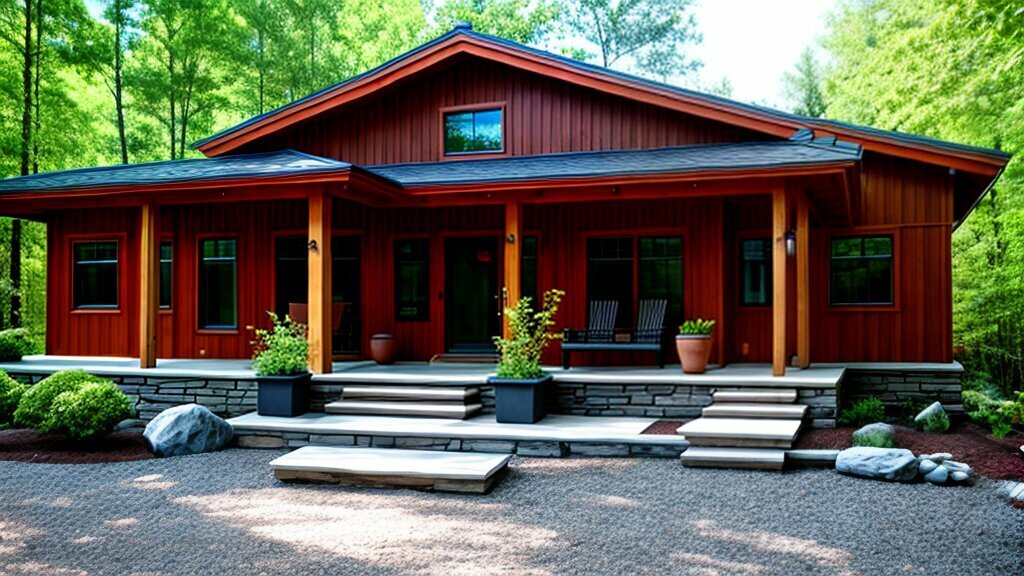





স্থান-ভিত্তিক নকশা: কীভাবে আদিবাসী স্থাপত্য স্থানীয় প্রসঙ্গগুলিকে প্রতিফলিত করে
দেশীয় স্থাপত্য is a unique form of design that is deeply rooted in স্থানীয় প্রসঙ্গ এবং সাংস্কৃতিক ঐতিহ্য. It is a reflection of the history and traditions of a community, as well as the natural environment in which they live. From Africa to Asia, the Americas to Australia, দেশীয় স্থাপত্য এই অঞ্চলে বসবাসকারী মানুষের চাহিদা মেটাতে শতাব্দী ধরে বিবর্তিত হয়েছে।
এর ব্যবহার ঐতিহ্যগত বিল্ডিং পদ্ধতি, স্থানীয় উপকরণ, এবং স্থানীয় ভাষায় আর্কিটেকচার এর মূল বৈশিষ্ট্য দেশীয় স্থাপত্য. প্রাসঙ্গিক নকশা দ্বারা সম্প্রদায়ের সংযুক্তি স্থাপত্য নকশা গঠনে একটি গুরুত্বপূর্ণ ভূমিকা পালন করে যা সত্যই প্রতিফলিত করে এবং সম্প্রদায়ের অনন্য সাংস্কৃতিক এবং পরিবেশগত প্রেক্ষাপটে প্রতিক্রিয়া দেখায়।
আদিবাসী স্থাপত্য ইতিহাস, সংস্কৃতির মধ্যে একটি অন্তর্দৃষ্টি প্রদান করে, এবং পরিচয় একটি সম্প্রদায়ের। এই কাঠামোগুলি আদিবাসীদের পূর্বপুরুষের জ্ঞান এবং ভূমির সাথে তাদের গভীর সংযোগের অনুস্মারক হিসাবে কাজ করে।
কী Takeaways
- দেশীয় স্থাপত্যের প্রতিফলন স্থানীয় প্রসঙ্গ এবং সাংস্কৃতিক ঐতিহ্য.
- ঐতিহ্যগত বিল্ডিং পদ্ধতি এবং টেকসই নকশা অনুশীলনগুলি এই স্থাপত্যের অপরিহার্য বৈশিষ্ট্য।
- সম্প্রদায় প্রবৃত্তি কেন্দ্রীয় হয় প্রাসঙ্গিক নকশা দেশীয় স্থাপত্যের।
- স্থানীয় উপকরণ এবং স্থানীয় ভাষায় আর্কিটেকচার দেশীয় স্থাপত্য গঠনে উল্লেখযোগ্য।
- দেশীয় স্থাপত্য সংরক্ষণে গুরুত্বপূর্ণ ভূমিকা পালন করে সাংস্কৃতিক ঐতিহ্য এবং পরিচয়.
ঐতিহ্যগত বিল্ডিং পদ্ধতি এবং টেকসই স্থাপত্য
দেশীয় স্থাপত্যের ওপর অনেকদিন ধরেই ভরসা ঐতিহ্যগত বিল্ডিং পদ্ধতি যে ব্যবহার স্থানীয় উপকরণ, contributing to sustainable design practices that are in harmony with the environment.
The use of traditional methods such as adobe, thatch, and rammed earth construction not only ensures that buildings integrate seamlessly into the natural environment, but also promotes the use of locally-sourced materials that can be easily replenished, reducing the environmental impact. These methods have been used for centuries and have proven to be effective in creating resilient buildings that can withstand different weather conditions.
টেকসই দেশীয় স্থাপত্যের একটি উদাহরণ হল আর্থশিপ, টায়ার, বোতল এবং ক্যানের মতো পরিত্যক্ত সামগ্রী ব্যবহার করে এবং গরম, শীতলকরণ এবং জল সরবরাহের জন্য সূর্যালোক এবং বৃষ্টির জলের মতো প্রাকৃতিক উপাদানগুলি ব্যবহার করে নির্মিত একটি স্ব-টেকসই ভবন।
By incorporating traditional building methods and utilizing local materials, architects can create sustainable designs that not only have a positive impact on the environment but also promote cultural heritage and local পরিচয়.

"আদিবাসী স্থাপত্য দীর্ঘদিন ধরে ঐতিহ্যগত বিল্ডিং পদ্ধতির উপর নির্ভর করে যা স্থানীয় উপকরণ ব্যবহার করে, পরিবেশের সাথে সামঞ্জস্যপূর্ণ টেকসই নকশা অনুশীলনে অবদান রাখে।"
কনটেক্সচুয়াল ডিজাইন এবং কমিউনিটি এনগেজমেন্ট
Indigenous architecture is not just about the physical structure, it is also about the process of designing and creating these spaces. প্রাসঙ্গিক নকশা আদিবাসী স্থাপত্যের একটি মৌলিক দিক এবং এটি তাদের মূল্যবোধ, চাহিদা এবং আকাঙ্ক্ষা বোঝার জন্য সম্প্রদায়ের সাথে ঘনিষ্ঠভাবে কাজ করে। সম্প্রদায় প্রবৃত্তি ধারণা থেকে নির্মাণ পর্যন্ত সমগ্র নকশা প্রক্রিয়া জুড়ে অপরিহার্য।
চূড়ান্ত পণ্য তাদের মান এবং চাহিদা প্রতিফলিত করে তা নিশ্চিত করতে স্থপতিদের অবশ্যই স্থানীয় সম্প্রদায়কে নকশা প্রক্রিয়ায় সক্রিয়ভাবে জড়িত করতে হবে। এই পদ্ধতিটি পশ্চিমা মডেলের সম্পূর্ণ বিপরীত, যেখানে স্থপতিরা প্রায়শই তাদের ইনপুট বিবেচনা না করে সম্প্রদায়ের উপর তাদের ধারণা চাপিয়ে দেন। যৌথভাবে কাজ করার মাধ্যমে, আদিবাসী স্থাপত্য সম্প্রদায়ের সাংস্কৃতিক ঐতিহ্যকে সম্মান করে এবং তাদের পরিচয়কে শক্তিশালী করে।
Contextual design is not just about asking the community what they want; it is about considering the broader context. Architects must understand the cultural significance of the site and the local environment, including the climate and available materials. This process ensures that the design is both culturally appropriate and sustainable.
ডিজাইন সম্পূর্ণ হলে সম্প্রদায়ের ব্যস্ততা শেষ হয় না। স্থপতিদের অবশ্যই নির্মাণ প্রক্রিয়ায় সম্প্রদায়কে জড়িত করতে হবে, তাদের দক্ষতা এবং জ্ঞান অবদান রাখার সুযোগ প্রদান করতে হবে। এই পদ্ধতিটি কেবল সম্প্রদায়ের বন্ধনকে শক্তিশালী করে না বরং স্থানীয় উপকরণ এবং কৌশল ব্যবহার করে কাঠামোগুলি স্থায়ীভাবে তৈরি করা হয় তাও নিশ্চিত করে।

Contextual design and community engagement are critical components of indigenous architecture, emphasising the importance of listening to the community and harnessing their knowledge and skills. By working collaboratively, architects can create designs that not only reflect the local context but also strengthen the community’s sense of identity and connection to their land.
স্থানীয় উপকরণ এবং স্থানীয় স্থাপত্য
দেশীয় স্থাপত্যের একটি সংজ্ঞায়িত বৈশিষ্ট্য হল স্থানীয়ভাবে উৎপাদিত উপকরণের ব্যবহার। এর মধ্যে অন্যদের মধ্যে কাদা, খড় এবং কাঠ অন্তর্ভুক্ত থাকতে পারে। উপকরণের পছন্দ প্রায়ই স্থানীয় প্রেক্ষাপট, জলবায়ু এবং সাংস্কৃতিক তাত্পর্য দ্বারা প্রভাবিত হয়। সহজলভ্য উপকরণ ব্যবহার করে, আদিবাসী স্থপতিরা এমন কাঠামো তৈরি করতে সক্ষম হয় যা টেকসই এবং তাদের আশেপাশের পরিবেশের সাথে নির্বিঘ্নে মিশে যায়।
যাইহোক, স্থানীয় উপকরণ ব্যবহার ব্যবহারিকতার বাইরে যায়. এটি একটি সম্প্রদায়ের সাংস্কৃতিক ঐতিহ্য উদযাপন এবং সংরক্ষণের একটি উপায়। আদিবাসী স্থাপত্যে প্রায়শই স্বতন্ত্র নকশা থাকে যা তাদের ব্যবহার করে এমন লোকেদের মূল্যবোধ, ঐতিহ্য এবং গল্প প্রতিফলিত করে। এই পদ্ধতির মাধ্যমে, স্থানীয় ভাষায় আর্কিটেকচার is created; a style of architecture that is unique to a particular region and speaks to its cultural identity.
An excellent example of vernacular architecture is the traditional houses of the Ainu people of Japan. These structures are made using locally sourced materials such as straw, bamboo, and timber. The homes are designed to be sturdy, with thatched roofs that can withstand heavy snowfall. The Ainu people have lived in harmony with their environment for centuries, and their homes reflect this relationship.

স্থানীয় উপকরণ এবং আঞ্চলিক স্থাপত্যের ব্যবহার শুধুমাত্র টেকসই নকশা অনুশীলনে অবদান রাখে না, এটি একটি সম্প্রদায় এবং তার জমির মধ্যে সংযোগ শক্তিশালী করতেও সাহায্য করে। এলাকার আদিবাসী সামগ্রী ব্যবহার করে, স্থপতিরা স্থানীয় প্রেক্ষাপটে নিহিত নকশা তৈরি করতে সক্ষম হন। এই পদ্ধতিটি নিশ্চিত করে যে তারা যে কাঠামোগুলি তৈরি করে তা কেবল কার্যকরী নয়, তারা তাদের ব্যবহার করে এমন লোকেদের সাংস্কৃতিক ঐতিহ্য এবং পরিচয়ও প্রতিফলিত করে।
আদিবাসী স্থাপত্যে সাংস্কৃতিক ঐতিহ্য এবং পরিচয়
আদিবাসী স্থাপত্য সাংস্কৃতিক ঐতিহ্য সংরক্ষণ এবং পরিচয়কে শক্তিশালী করতে একটি গুরুত্বপূর্ণ ভূমিকা পালন করে। স্থাপত্য নকশা শুধুমাত্র কার্যকরী কাঠামো হিসেবে কাজ করে না বরং সম্প্রদায়ের গল্প, ঐতিহ্য এবং মূল্যবোধকেও প্রতিফলিত করে।
আদিবাসী স্থাপত্যের অনুশীলনে স্থানীয় উপকরণ, কৌশল এবং নকশা ব্যবহার করা জড়িত যা এই অঞ্চলের সংস্কৃতি এবং ইতিহাসের সাথে জড়িত। এই নকশাগুলি কেবল বিল্ডিংয়ের চেয়ে বেশি; তারা সম্প্রদায় এবং তাদের জীবনধারার প্রতিনিধিত্ব করে।
For example, the Wanuskewin Heritage Park in Canada is a site that embodies the significance of indigenous architecture in preserving cultural heritage. The park features a series of interpretive buildings that showcase the history and culture of the Northern Plains Indigenous Peoples. The designs of these buildings reflect the traditional teepees used by these communities. The structures serve as a reminder of the history and struggles of the indigenous people and celebrate their resilience and survival.

আদিবাসী স্থাপত্যও জমির সাথে পরিচয় এবং সংযোগকে শক্তিশালী করে। কাঠামোর নকশা জলবায়ু, ভূগোল এবং সাংস্কৃতিক তাত্পর্য সহ স্থানীয় প্রেক্ষাপট দ্বারা প্রভাবিত হয়। এর ফলে এমন কাঠামো তৈরি হয় যা পরিবেশ এবং স্থানীয় সম্প্রদায়ের সাথে সামঞ্জস্যপূর্ণ, স্থান এবং স্বত্বের অনুভূতি তৈরি করে।
The Navajo Hogan is one such example of a structure that reflects the identity and connection to the land. The Hogan is a traditional Navajo dwelling that is made of logs, mud, and earth. The design of the structure is based on the belief that humans and nature are interconnected. The entrance of the Hogan faces east, towards the rising sun, and it is considered a sacred space that connects the Navajo people to their ancestors and land.
উপসংহারে, আদিবাসী স্থাপত্য শুধুমাত্র কার্যকরী কাঠামো হিসেবেই নয় বরং সাংস্কৃতিক ঐতিহ্য ও পরিচয়ের প্রতিফলন হিসেবেও কাজ করে। এই কাঠামোগুলির নকশাগুলি স্থানীয় প্রেক্ষাপটের সাথে সামঞ্জস্যপূর্ণ, স্থান এবং স্বত্বের অনুভূতি তৈরি করে। এটা অত্যাবশ্যক যে আমরা ভবিষ্যত প্রজন্মের জন্য দেশীয় স্থাপত্য ঐতিহ্যের প্রশংসা এবং সংরক্ষণ অব্যাহত রাখি।
বিশ্বজুড়ে আদিবাসী স্থাপত্যের উদাহরণ
আদিবাসী স্থাপত্য একটি সমৃদ্ধ এবং বৈচিত্র্যময় ক্ষেত্র যা অনন্য প্রতিফলিত করে স্থানীয় প্রসঙ্গ এবং বিশ্বের বিভিন্ন অঞ্চলের সাংস্কৃতিক ঐতিহ্য। এর কিছু বাধ্যতামূলক অন্বেষণ করা যাক উদাহরণ দেশীয় স্থাপত্যের।
মাওরি মিটিং হাউস, নিউজিল্যান্ড

The Maori Meeting Houses, or whare whakairo, are an impressive example of indigenous architecture in New Zealand. These houses are often located at the heart of Maori communities and are used for important ceremonies and gatherings. The intricate carvings and decorations on the houses reflect the history, traditions, and beliefs of the Maori people, making them a vital part of their cultural identity.
ইউর্ট, মধ্য এশিয়া
The yurt, a portable shelter used by nomadic tribes in Central Asia, is a remarkable example of indigenous architecture. These circular tents are designed for easy assembly and disassembly, making them ideal for a mobile lifestyle. They are made using local materials such as wool and felt, which provide excellent insulation against the harsh winters in the region.
লংহাউস, উত্তর আমেরিকা
The longhouse is a traditional dwelling used by many Native American tribes, particularly those living in the eastern woodlands. These houses are made of wood, bark, and other natural materials, and can be up to 100 feet long. They were typically used as multi-family dwellings, and served as a center for community life, reflecting the importance of communal living in Native American culture.
স্টিল্ট হাউস, দক্ষিণ-পূর্ব এশিয়া
Stilt houses are a common type of indigenous architecture found in Southeast Asia. These houses are built on stilts or pilings to protect them from flooding and pests. The raised design also allows for better ventilation and provides cooler living conditions in the hot, humid climate of the region. The materials used to build stilt houses vary depending on the local context, but are often sourced locally and sustainably.
অ্যাডোবস, দক্ষিণ আমেরিকা
Adobes are a type of indigenous architecture found in South America, particularly in countries such as Peru and Bolivia. These houses are made of adobe bricks, which are created by mixing clay, water, and organic materials such as straw or manure. They are an excellent example of vernacular architecture, as they make use of local materials and techniques to create homes that are well-adapted to the local climate and culture.
এই মাত্র কয়েক উদাহরণ দেশীয় স্থাপত্যের বৈচিত্র্যময় এবং আকর্ষণীয় বিশ্বের। প্রতিটি নকশা অনন্য স্থানীয় প্রেক্ষাপট এবং অঞ্চলের সাংস্কৃতিক ঐতিহ্য প্রতিফলিত করে, এর গুরুত্ব প্রদর্শন করে স্থান ভিত্তিক নকশা এবং স্থাপত্যে সম্প্রদায়ের নিযুক্তি।
উপসংহার
কিভাবে দেশীয় স্থাপত্য একটি প্রধান উদাহরণ স্থান ভিত্তিক নকশা স্থানীয় প্রসঙ্গ এবং সাংস্কৃতিক ঐতিহ্য প্রতিফলিত করতে পারে। ঐতিহ্যগত বিল্ডিং পদ্ধতি, স্থানীয় উপকরণ এবং স্থানীয় স্থাপত্য ব্যবহার করে, আদিবাসী স্থপতিরা টেকসই কাঠামো তৈরি করে যা পরিবেশের সাথে নির্বিঘ্নে মিশে যায়।
Moreover, community engagement and contextual design are essential elements of indigenous architecture, highlighting the importance of involving local communities in the design process. By doing so, architects can create designs that reflect the values, needs, and aspirations of the community.
সাংস্কৃতিক ঐতিহ্য এবং পরিচয়ও আদিবাসী স্থাপত্যের গুরুত্বপূর্ণ দিক, কারণ এটি একটি সম্প্রদায়ের গল্প, ঐতিহ্য এবং মূল্যবোধ সংরক্ষণ এবং গ্রহণে গুরুত্বপূর্ণ ভূমিকা পালন করে। সাংস্কৃতিক ঐতিহ্য এবং পরিচয়কে প্রতিফলিত করে এমন নকশাগুলি একতা এবং স্বত্বের অনুভূতি প্রদান করে, যা তাদের জমির সাথে সম্প্রদায়ের সংযোগকে শক্তিশালী করে।
দেশীয় স্থাপত্যের প্রশংসা করা
আদিবাসী স্থাপত্য একটি বৈচিত্র্যময় এবং সমৃদ্ধ ঐতিহ্য যা বিশ্বের বিভিন্ন অঞ্চলে পরিবর্তিত হয়। আর্কটিকের ইনুইট লোকদের ইগলু থেকে শুরু করে দক্ষিণ-পশ্চিম মার্কিন যুক্তরাষ্ট্রের পুয়েবলো মানুষের অ্যাডোব হাউস পর্যন্ত, প্রতিটি নকশা অনন্য স্থানীয় প্রেক্ষাপটকে প্রতিফলিত করে।
দেশীয় স্থাপত্যের গুরুত্বকে অবমূল্যায়ন করা যাবে না। এটি মানুষ, সংস্কৃতি এবং পরিবেশের মধ্যে গভীর সংযোগের অনুস্মারক হিসাবে কাজ করে। দেশীয় স্থাপত্য ঐতিহ্যের প্রশংসা ও উদযাপনের মাধ্যমে, আমরা আমাদের চারপাশের বিশ্ব সম্পর্কে গভীরভাবে উপলব্ধি করতে পারি।
পরিশেষে, আদিবাসী স্থাপত্যের নীতিগুলি - স্থানীয় প্রসঙ্গ, ঐতিহ্যগত পদ্ধতি, স্থানীয় স্থাপত্য, সম্প্রদায়ের সম্পৃক্ততা এবং সাংস্কৃতিক ঐতিহ্য - সমসাময়িক স্থাপত্যকে অনুপ্রাণিত করা উচিত। এই নীতিগুলিকে আলিঙ্গন করার ফলে টেকসই, পরিবেশগতভাবে সম্মানজনক এবং সাংস্কৃতিকভাবে অর্থপূর্ণ নকশা তৈরি করা যেতে পারে।
FAQ
প্রশ্ন: দেশীয় স্থাপত্যে স্থানভিত্তিক নকশা কী?
A: স্থান ভিত্তিক নকশা আদিবাসী স্থাপত্যে স্থাপত্য নকশা তৈরির অনুশীলনকে বোঝায় যা স্থানীয় প্রেক্ষাপট এবং একটি নির্দিষ্ট সম্প্রদায়ের সাংস্কৃতিক ঐতিহ্যের গভীরে প্রোথিত। আদিবাসীদের মূল্যবোধ, চাহিদা এবং আকাঙ্ক্ষাকে প্রতিফলিত করে এমন কাঠামো তৈরি করতে এটি স্থানীয় উপকরণ, ঐতিহ্যবাহী নির্মাণ পদ্ধতি এবং সম্প্রদায়ের অংশগ্রহণের মতো উপাদানগুলিকে অন্তর্ভুক্ত করে।
প্রশ্ন: কীভাবে ঐতিহ্যবাহী বিল্ডিং পদ্ধতিগুলি দেশীয় নকশায় টেকসই স্থাপত্যে অবদান রাখে?
A: Traditional building methods in indigenous architecture often prioritize sustainable design practices. By utilizing local materials and techniques that have been passed down through generations, indigenous architects are able to create environmentally friendly structures that blend harmoniously with the natural surroundings. This approach minimizes the ecological impact and promotes a more sustainable নির্মিত পরিবেশ.
প্রশ্ন: আদিবাসী স্থাপত্যে প্রাসঙ্গিক নকশা এবং সম্প্রদায়ের সম্পৃক্ততার ভূমিকা কী?
উত্তর: প্রাসঙ্গিক নকশা আদিবাসী স্থাপত্যের একটি মূল দিক, যার মধ্যে স্থানীয় সম্প্রদায়ের নির্দিষ্ট চাহিদা এবং আকাঙ্ক্ষা বোঝা এবং সাড়া দেওয়া জড়িত। আদিবাসী স্থপতিরা সম্পূর্ণ নকশা প্রক্রিয়া জুড়ে সম্প্রদায়ের সাথে ঘনিষ্ঠভাবে কাজ করে, নিশ্চিত করে যে চূড়ান্ত ফলাফল তাদের সাংস্কৃতিক মূল্যবোধ, ঐতিহ্য এবং পরিচয়কে প্রতিফলিত করে। এই পদ্ধতিটি সম্প্রদায়ের মধ্যে মালিকানা এবং ক্ষমতায়নের অনুভূতি জাগিয়ে তোলে এবং এমন ডিজাইন তৈরি করে যা সত্যিই অর্থবহ এবং প্রাসঙ্গিক।
প্রশ্ন: আদিবাসী সম্প্রদায়ের মধ্যে স্থানীয় স্থাপত্যে স্থানীয় উপকরণগুলি কীভাবে ব্যবহৃত হয়?
A: Local materials play a significant role in vernacular architecture within indigenous communities. Architects and builders use materials that are readily available in the local environment, such as wood, stone, earth, or thatch. These materials are often chosen for their suitability in the local climate and their cultural significance, ensuring that the architecture reflects the unique characteristics of the region and the community’s connection to the land.
প্রশ্ন: দেশীয় স্থাপত্য কীভাবে সাংস্কৃতিক ঐতিহ্য ও পরিচয় রক্ষা করে?
A: Indigenous architecture serves as a powerful tool for preserving cultural heritage and identity. By incorporating traditional design elements, storytelling, and symbolism, architectural designs can reflect and celebrate the cultural traditions, values, and stories of a community. Indigenous architecture strengthens the connection between people and their land, enhancing a sense of identity and cultural pride within the community.
প্রশ্ন: আপনি কি সারা বিশ্বের দেশীয় স্থাপত্যের উদাহরণ দিতে পারেন?
A: অবশ্যই! দেশীয় স্থাপত্য বিশ্বের বিভিন্ন অঞ্চলে পাওয়া যায়। কিছু উল্লেখযোগ্য উদাহরণ include the stilt houses of the Batak people in Indonesia, the adobe structures of the Pueblo tribes in the southwestern United States, and the communal longhouses of the Iban people in Borneo, Malaysia. Each design showcases the distinct local context and cultural heritage of the indigenous communities.