



Dobrá zpráva: Nový pohled na udržitelnost, kapesní lesy a modernizaci v Irsku
V tomto povznášejícím vydání podcastu Constructive Voices Good News vám přinášíme krátký, ostrý sběr pozitivních příběhů ze zastavěného prostředí – s trochou inspirace pro ochranu přírody.
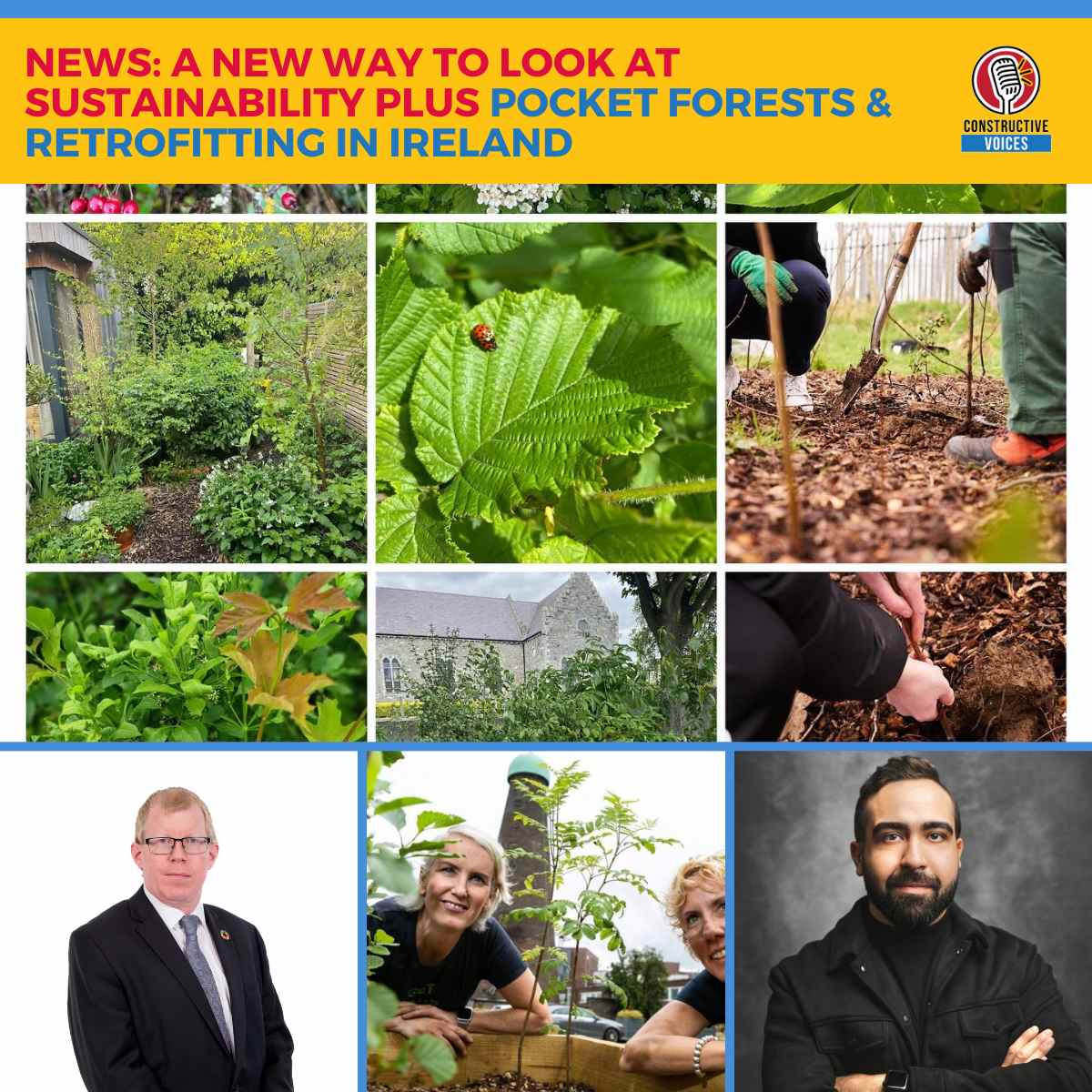
NALAĎTE SE, UČTE SE A POVZBUĎTE SE ZA MÉNĚ NEŽ 6 MINUT
Nový pohled na udržitelnost: Neuroudržitelnost
Začneme fascinujícím konceptem, který se stejně tak týká ochrany naší mysli jako ochrany planety – neuroudržitelnosti. Moderátorka Jackie De Burca hovoří s Mohamedem Heshamem Khalilem, jehož průkopnický výzkum na Univerzitě v Cambridgi zkoumá, jak… postavené prostředí affects our brain health, mental wellbeing, and cognitive performance.
“That shift… from experiencing the built environment in a specific way and then going back was an alert to start seeing this relationship between the built environment and the human brain.” — Mohamed Hesham Khalil
Discover how architecture, neuroscience, and nature intersect — and why this matters more than ever post-lockdown.

Ozelenění Irska: Kapesní lesy
Next, volunteer reporter Sarah Austin speaks with Catherine Cleary, co-founder of Pocket Forests, about transforming small urban spaces into thriving native woodlands. With over 125 sites planted — from car-parking-space-sized micro-forests to half–tennis-court plots — these dense plantings are changing soil health, biologická rozmanitosta komunitní vazby.
„Sázíme mnohem mladší stromy… mnohem blíže k sobě… výsledkem je, že toto mikroklima vytvářejí velmi rychle.“ — Catherine Cleary
Pro podrobný rozbor se podívejte na naši speciální epizodu Ozelenění Irska od kapesních lesů po původní lesy na našich webových stránkách.

Catherine Cleary a Ashe Conrad-Jones, zakladatelky Pocket Forests.
Obrázek s laskavým svolením Pocket Forests
Dynamika modernizace v Irsku
We round things off with encouraging retrofitting news: in early 2025, Ireland saw 11,910 home energy upgrades supported through government grants — a 2% rise from the previous year.
These upgrades avoided 15,000 tonnes of CO₂ emissions, reinforcing Ireland’s national push toward energy efficiency and climate action.
Bookmark this page to check for the podcast episode that deep dives into this topic with Dr. Ciaran Byrne, the Director of National Retrofit at Sustainable Energy Authority of Ireland (SEAI).

Budování ulic, domů a dopravy připravených na klima s Feljinem Jose
Budování ulic připravených na klima, Domy & Transit s Feljinem Josem Zastánce veřejné dopravy a radní města Dublinu Feljin Jose se připojuje...
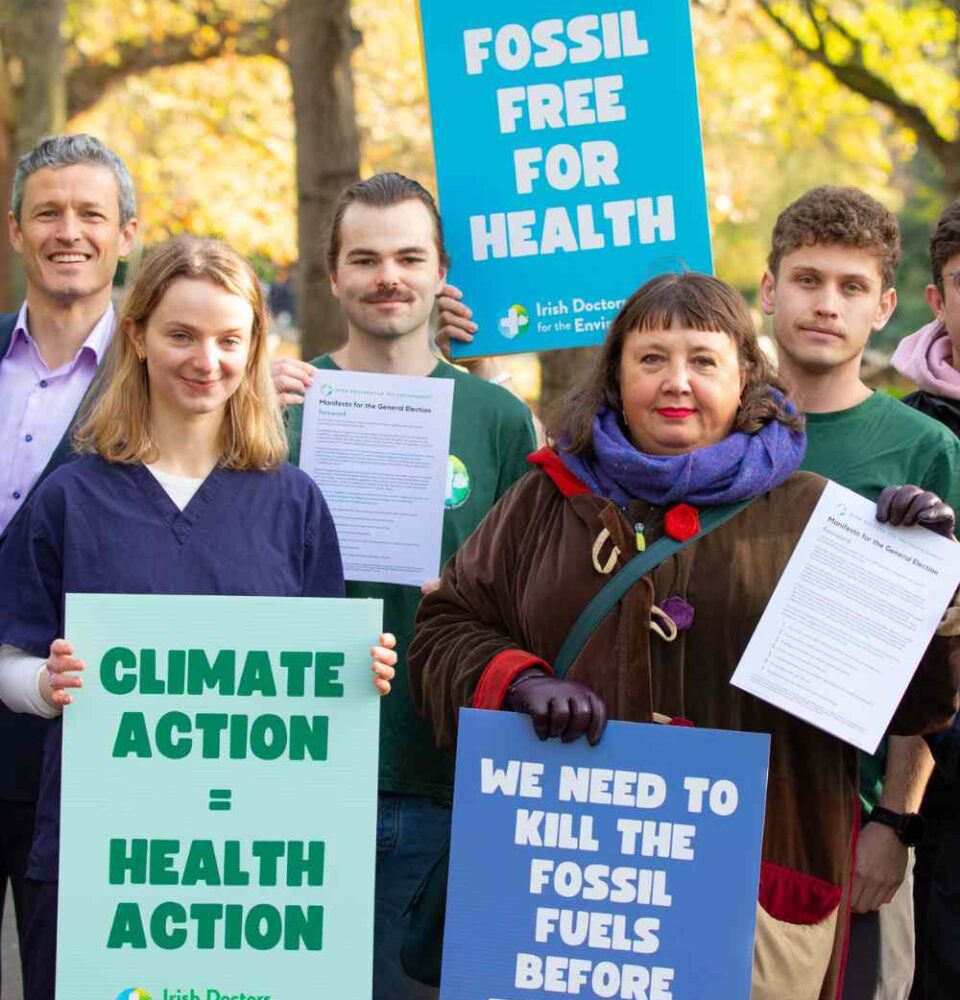
Role zdravotní péče v oblasti klimatických změn s Irskými lékaři pro životní prostředí
Role zdravotní péče v oblasti klimatických změn s irskými lékaři pro životní prostředí Zastavěné prostředí a samozřejmě životní prostředí...

Proč na přírodě záleží – s Brianem MacSharrym, Evropská agentura pro životní prostředí
Proč jsou přírodní kredity důležité – s Brianem MacSharrym, Evropská agentura pro životní prostředí. Rozebíráme, jak by přírodní kredity mohly změnit způsob, jakým...

Jaký je plán Evropské komise pro získání přírodních kreditů?
Jaký je plán Evropské komise pro získání přírodních kreditů? „Když jsem poprvé viděl zprávu o plánu EU...“

Irský závod Retrofit Race — s Dr. Ciaránem Byrneem (SEAI)
Irský závod v modernizaci s Dr. Ciaránem Byrnem (SEAI) Jak Irsko zatepluje domy, zlevňuje jejich provoz a snižuje jejich emise uhlíku – za...

Směrnice o energetické náročnosti budov (EPBD): Změna hry pro udržitelnost budov v Evropě. Se Stephenem Barrettem z IGBC
Směrnice o energetické náročnosti budov (EPBD): Změna hry pro udržitelnost budov v Evropě. Se Stephenem Barrettem z IGBC,...

Udržitelný snímek Cobhu: Lokální akce, globální důsledky S4, E14
Udržitelný snímek Cobhu: Lokální akce, globální důsledky S4, E14 „Jen doufám, že veškerý tento nový rozvoj je...“

Ozelenění Irska: Od kapesních lesů k původním lesům s Catherine Cleary, S4, E11
Ozelenění Irska: Od kapesních lesů k původním lesům s Catherine Clearyovou „Ozelenění Irska: Od kapesních lesů k původním lesům...“

Život v ekovesnici Cloughjordan – Plán pro udržitelný komunitní život – Epizoda podcastu: S4, E6
Život uvnitř ekovesnice Cloughjordan – plán pro udržitelnou komunitu Život v ekovesnici Cloughjordan – plán pro...

S3, E5 Dr Ciaran Byrne, ředitel, SEAI pro irské příběhy o úspěších, výzvách a příležitostech v oblasti modernizace
S3, E5: Dr Ciaran Byrne, ředitel, SEAI o úspěšných příbězích, výzvách a příležitostech irské modernizace V této poučné epizodě...





Skrytá neurologická daň lesních požárů
10 měsíci[…] Dobrá zpráva: Nový pohled na udržitelnost, kapesní lesy a modernizaci v Irsku […]
Proč na přírodě záleží – s Brianem MacSharrym, Evropská agentura pro životní prostředí
9 měsíci[…] Dobrá zpráva: Nový pohled na udržitelnost, kapesní lesy a modernizaci v Irsku […]