

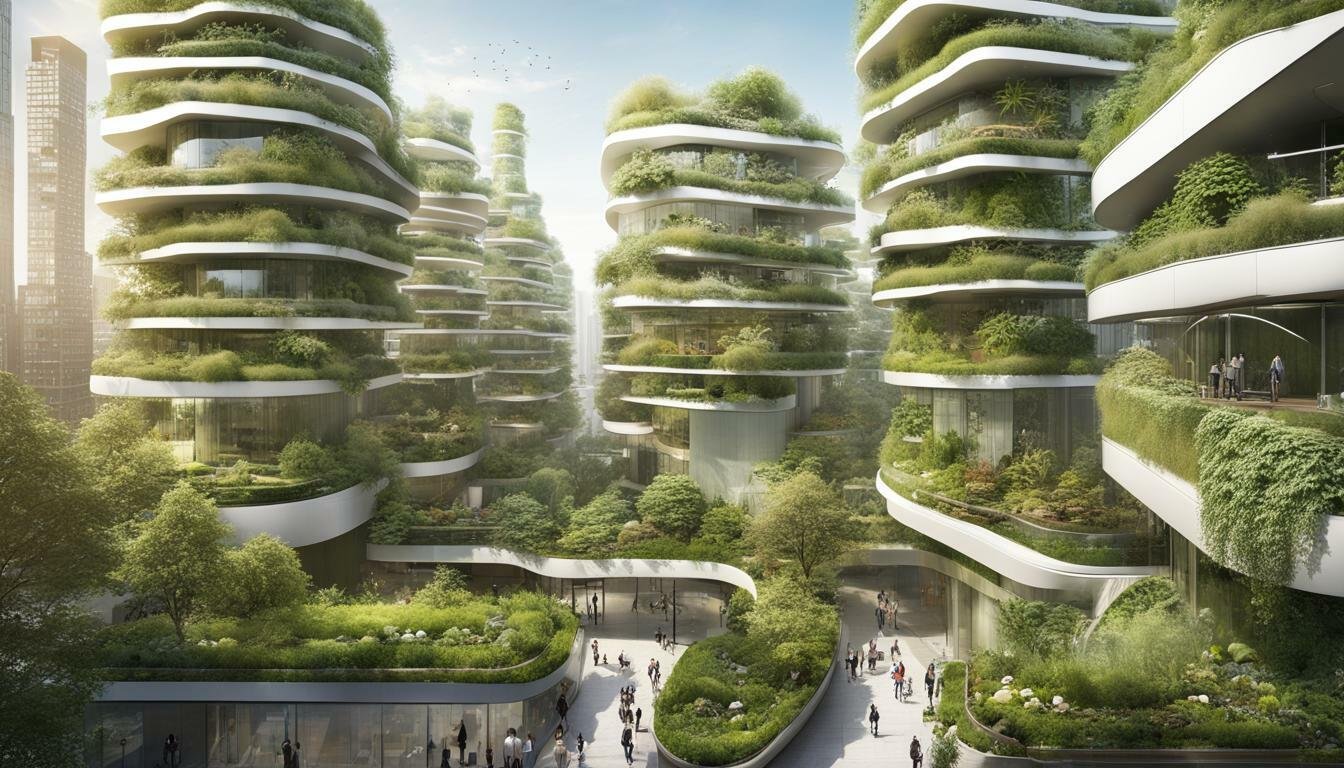
آینده شهری پایدار: چگونه شهرهای پس از رشد پیشرو هستند
Welcome to our exploration of the exciting new concept of post-growth cities and their significance in the context of sustainable urban futures. In this article, we will delve into the importance of sustainable development, green urban planning, and sustainable urbanization in creating environmentally friendly cities. We will also discuss the rise of post-growth cities and the factors driving this trend, as well as the innovative approaches these cities are taking towards building sustainable infrastructure, revolutionizing transportation, embracing urban agriculture, and engaging citizens in decision-making processes.
As we face the challenges of climate change and rapid urbanization, post-growth cities are leading the way in creating resilient, regenerative, and sustainable urban environments. By prioritizing eco-friendly infrastructure, promoting green spaces, and embracing citizen participation, post-growth cities are demonstrating how we can build a better future for ourselves and the planet.
برداشت اصلی:
- شهرهای پس از رشد راه را به سوی آینده شهری پایدار پیش می برند.
- توسعه پایدار، برنامه ریزی شهری سبز و شهرنشینی پایدار برای ایجاد شهرهای دوستدار محیط زیست بسیار مهم هستند.
ظهور شهرهای پس از رشد
Post-growth cities are increasingly becoming popular as an innovative model for sustainable urban futures. These cities are designed with a focus on urban resilience, circular economy, and regenerative design principles. They prioritize the needs of citizens, the environment, and the economy, ensuring that each stakeholder benefits in the long run.
One of the key factors driving the rise of post-growth cities is the need for urban resilience. Climate change has led to an increase in natural disasters, urbanization, and population growth, resulting in a greater need for cities to be adaptable and resilient. As such, post-growth cities are built to withstand environmental shocks and stresses.
The adoption of circular economy principles is also a significant driver in the rise of post-growth cities. These principles seek to reduce waste, maximize resource use, and promote sustainable consumption and production. Post-growth cities embrace a circular economy by implementing sustainable infrastructure, embracing green spaces, and promoting sustainable transportation options.
Regenerative design practices, which focus on creating systems that are self-regulating and sustainable, are also central to post-growth city planning. These cities prioritize the regeneration of natural systems, the promotion of تنوع زیستی, and the design of buildings and infrastructure that have a positive impact on the environment.
Some examples of post-growth cities leading the way include Amsterdam, which has implemented a circular economy strategy that encompasses energy, water, and waste management, and San Francisco, which has set a goal of zero waste by 2020. Barcelona is also working towards becoming a self-sufficient city through the promotion of urban agriculture and a focus on low-carbon transportation.

منبع تصویر: https://seowriting.ai/32_6.png
ساخت زیرساخت های پایدار
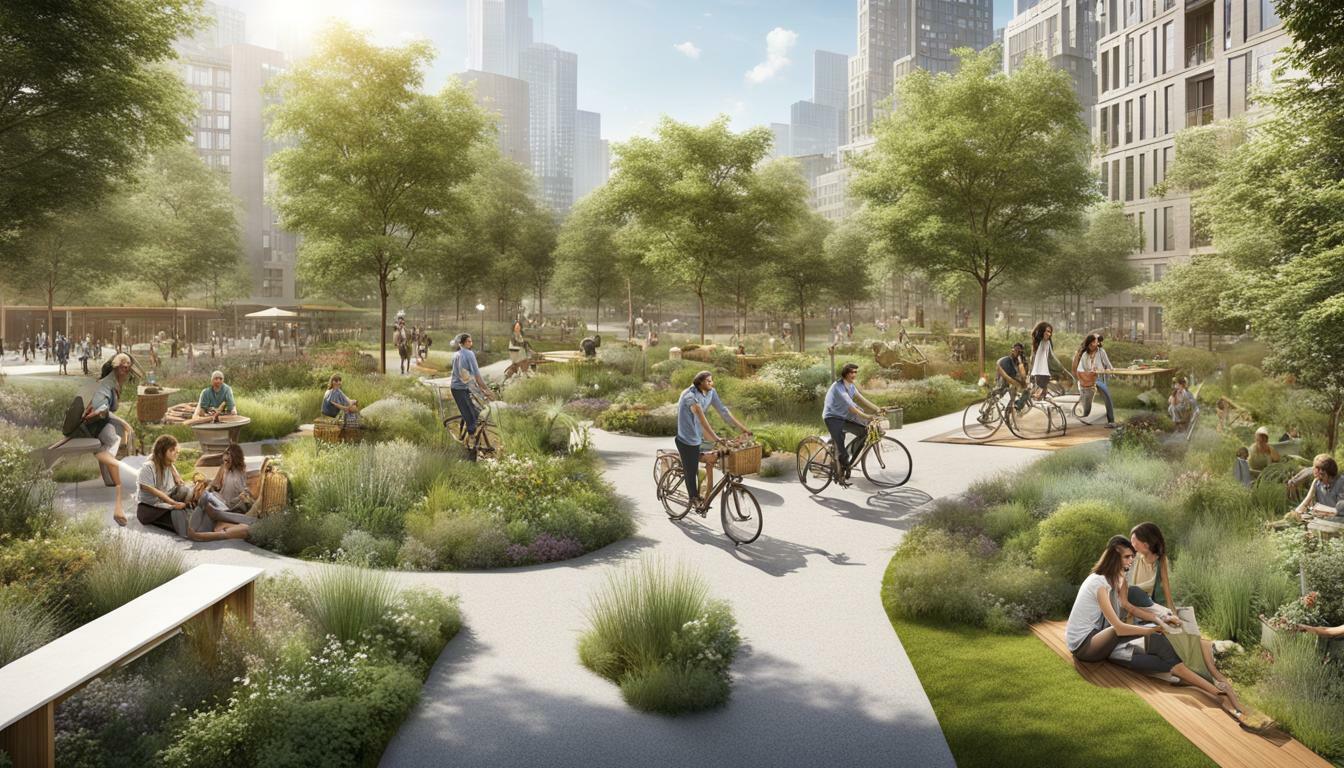
شهرهای پس از رشد نیاز به زیرساخت های سازگار با محیط زیست را برای تضمین آینده شهری پایدار تشخیص می دهند. یکی از راه هایی که شهرها برای دستیابی به این مهم از طریق ارتقاء فضای سبز است. فضاهای سبز نه تنها از نظر زیبایی شناسی دلپذیر هستند، بلکه مزایای بی شماری را برای مناطق شهری به ارمغان می آورند.
Research has shown that green spaces can improve air quality, reduce the urban heat island effect, and provide habitats for urban wildlife. Additionally, these spaces can improve the overall well-being of citizens by providing places to exercise, relax, and connect with nature. Post-growth cities are prioritizing the development of green spaces by incorporating them into urban planning and design.
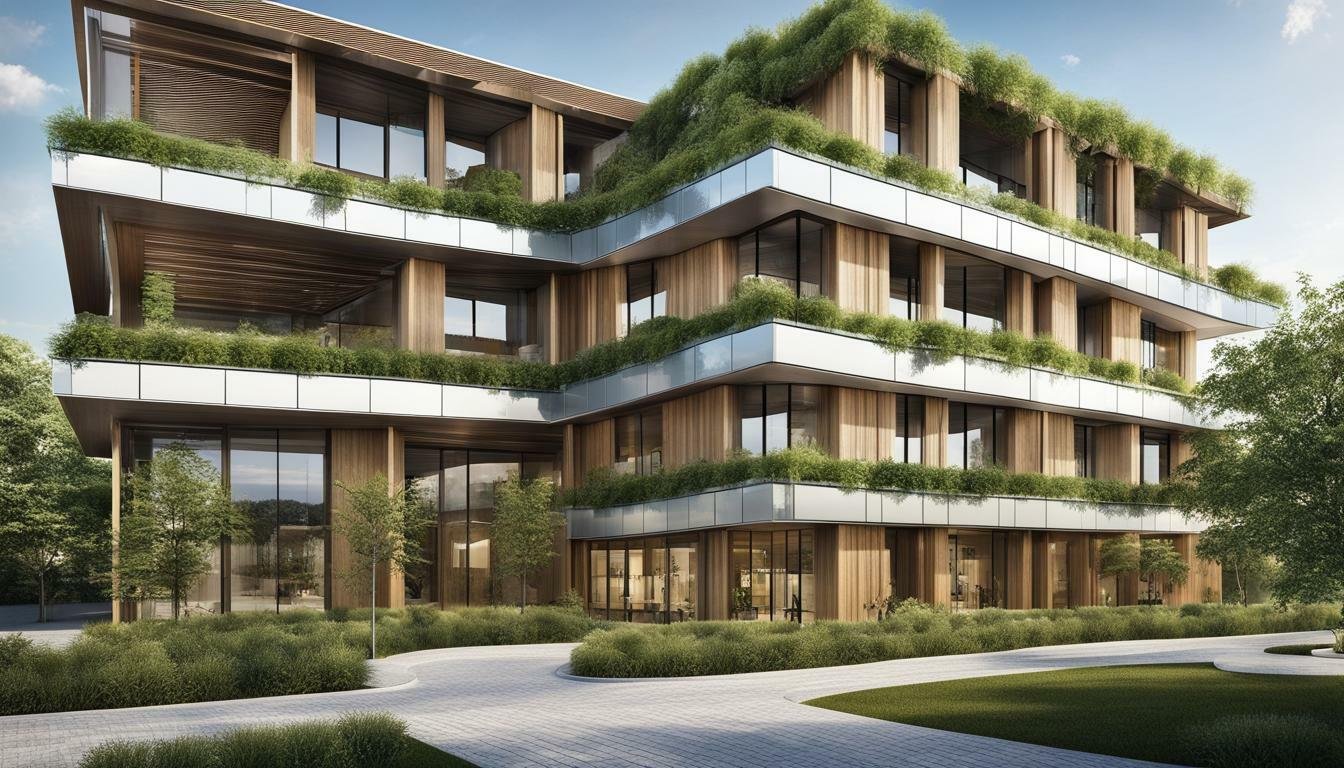
Urban planners are also exploring new ways to create eco-friendly infrastructure. This includes the implementation of green roofs, which are covered in vegetation and help to regulate building temperatures while also improving air quality. Furthermore, cities are investing in sustainable drainage systems to manage stormwater runoff. These systems mimic natural water cycles and help to reduce the risk of floods while also providing habitats for wildlife.

Overall, building sustainable infrastructure is essential for the long-term health and resilience of post-growth cities. By prioritizing eco-friendly infrastructure and green spaces, these cities are creating more liveable urban environments for their citizens while also protecting the planet.
انقلابی در حمل و نقل
Transportation is one of the biggest contributors to carbon emissions in urban areas. Post-growth cities are taking innovative steps towards reducing their carbon footprint by introducing low-carbon transportation options.
وسایل نقلیه الکتریکی به طور فزاینده ای در مناطق شهری محبوب می شوند و بسیاری از شهرهای پس از رشد با فراهم کردن زیرساخت های شارژ و ترویج مزایای آنها، استفاده از آنها را تشویق می کنند. علاوه بر این، زیرساختهای دوچرخهسواری در حال گسترش و بهبود است و استفاده از دوچرخهسواری را برای شهروندان آسانتر و ایمنتر میکند.
شبکه های حمل و نقل عمومی کارآمد نیز در شهرهای پس از رشد اولویت دارند. این شبکهها مانند قطارهای پرسرعت، تراموا و اتوبوسهایی که با سوختهای کم آلاینده کار میکنند، ازدحام در جادهها را کاهش میدهند و کیفیت هوا را بهبود میبخشند.
با اولویت دادن به گزینه های حمل و نقل کم کربن، شهرهای پس از رشد نه تنها ردپای کربن خود را کاهش می دهند، بلکه کیفیت زندگی شهروندان خود را با هوای پاک تر و ترافیک کمتر بهبود می بخشند.

استقبال از کشاورزی شهری
Post-growth cities are turning to urban agriculture as a means of promoting local food production, enhancing community resilience, and improving food security. With the world’s population projected to reach 9.7 billion by 2050, it has become imperative to find innovative ways to feed the growing urban population sustainably. Urban agriculture presents a viable solution to this challenge.
One innovative approach to urban farming is vertical agriculture. This involves growing crops in vertically stacked layers, using minimal space and resources. Vertical farms can produce up to 100 times more food per square foot than traditional farming methods and require 70% less water. Cities such as Singapore and Hong Kong have embraced this technology, with vertical farms sprouting up in their urban landscapes.

رویکرد دیگر ادغام فضاهای پرورش غذا در مناظر شهری است. شهرهایی مانند دیترویت و شیکاگو زمینهای خالی و ساختمانهای متروکه را به باغهای محلی تبدیل کردهاند که محصولات تازهای را برای ساکنان محلی فراهم کرده و حس اجتماعی را تقویت کردهاند. این رویکرد نه تنها غذا تولید می کند، بلکه جذابیت زیبایی شناختی شهر را نیز افزایش می دهد.
Urban agriculture also provides an opportunity for citizens to engage in food production and to learn about sustainable living practices. Cities such as Berlin have implemented urban farming education programs, providing citizens with the skills and knowledge to grow their food sustainably, promoting citizen participation and engagement in creating sustainable urban futures.
مشارکت و مشارکت شهروندان
مشارکت و مشارکت شهروندان برای دستیابی به شهرنشینی پایدار در شهرهای پس از رشد بسیار مهم است. هنگامی که شهروندان به طور فعال در فرآیندهای تصمیم گیری درگیر می شوند، سرمایه گذاری بیشتری در نتیجه انجام می دهند و به احتمال زیاد از ابتکارات پایدار حمایت و اتخاذ می کنند.
Examples of successful citizen engagement in post-growth cities include Amsterdam’s “City-zen” project, which involved citizens in the implementation of sustainable energy initiatives, and Barcelona’s “Superblocks” project, which engaged local communities in the transformation of their neighbourhoods into car-free zones.
مشارکت شهروندان می تواند اشکال مختلفی داشته باشد، از جمله مشاوره های عمومی، بودجه بندی مشارکتی و فرآیندهای ایجاد مشارکت. با مشارکت شهروندان در برنامه ریزی و توسعه شهرهای خود، شهرهای پس از رشد می توانند اطمینان حاصل کنند که ابتکارات متناسب با نیازهای خاص جوامع آنها طراحی شده است.
علاوه بر این، مشارکت و مشارکت شهروندان می تواند به ایجاد اعتماد بین مقامات محلی و شهروندان، ایجاد حس مالکیت بر ابتکارات پایدار و ترویج حمایت و پذیرش بلندمدت کمک کند.
نمونه هایی از مشارکت شهروندان در شهرهای پس از رشد
In Vancouver, the city’s Greenest City Action Plan involved extensive public consultations, with over 15,000 residents contributing ideas and feedback on the plan’s development. As a result, the plan includes initiatives such as expanding green space, increasing cycling infrastructure, and reducing waste in local businesses.
The city of Freiburg in Germany has implemented participatory budgeting, empowering citizens to decide on the allocation of public funds for sustainable initiatives such as انرژی تجدید پذیر and energy-efficient buildings. This approach has led to high levels of citizen engagement, with over 20% of the population participating in the budgeting process.

مشارکت شهروندان در توسعه طرحهای پایدار میتواند منجر به نتایج بهتر، افزایش حمایت و جوامع قویتر شود.»
غلبه بر چالش ها و موانع
علیرغم مزایای فراوان شهرهای پس از رشد، چالش ها و موانع متعددی وجود دارد که آنها باید برای دستیابی به شهرنشینی پایدار بر آنها غلبه کنند. مقاومت سیاسی اغلب یک مانع بزرگ است، زیرا بسیاری از سیاستمداران و سیاست گذاران در اجرای سیاست های جدیدی که ممکن است مورد پسند رای دهندگانشان نباشد، مردد هستند.
کمبود بودجه یکی دیگر از موانع مهم است، زیرا بسیاری از ابتکارات پس از رشد نیازمند سرمایه گذاری قابل توجهی در زیرساخت ها و فناوری های جدید هستند. این می تواند به ویژه برای شهرهای کشورهای در حال توسعه که منابع اغلب محدود هستند چالش برانگیز باشد.
در نهایت، نیاز به چارچوبهای سیاستی و نظارتی که از توسعه پایدار حمایت میکنند بسیار مهم است. بدون راهنمایی روشن از سوی مقامات دولتی و سایر ذینفعان، اجرای ابتکارات جدید و پیشرفت واقعی به سمت شهرنشینی پایدار برای شهرهای پس از رشد می تواند دشوار باشد.
با وجود این چالش ها، بسیاری از شهرهای پس از رشد، گام های مهمی در ارتقای توسعه پایدار و ایجاد فضاهای شهری دوستدار محیط زیست برداشته اند. این شهرها با همکاری مشترک با شهروندان، سیاست گذاران و سایر ذینفعان کلیدی، راه را به سوی آینده شهری پایدارتر و انعطاف پذیرتر پیش می برند.

نتیجه
در نتیجه، شهرهای پس از رشد از طریق اتخاذ برنامهریزی شهری سبز، شهرنشینی پایدار و مشارکت شهروندان، راه را به سوی آیندههای شهری پایدار پیش میبرند. این شهرها توسعه زیرساخت های سازگار با محیط زیست، حمل و نقل کم کربن و کشاورزی شهری را برای ارتقای تولید غذای محلی و بهبود تاب آوری جامعه در اولویت قرار می دهند. ادغام اصول اقتصاد دایره ای و شیوه های طراحی احیاکننده نیز نقشی حیاتی در پایدارتر کردن شهرها ایفا می کند.
چالش ها و موانع
با این حال، شهرهای پس از رشد نیز با چالش ها و موانعی مانند مقاومت سیاسی و کمبود بودجه مواجه هستند. چارچوب های سیاستی و نظارتی باید از توسعه پایدار حمایت کند تا اطمینان حاصل شود که این شهرها می توانند به سفر خود به سمت آینده ای سازگارتر با محیط زیست ادامه دهند.
Despite these challenges, the rise of post-growth cities provides hope for a more sustainable future. Citizen engagement and participation are essential in shaping the urban landscape, and initiatives that involve the community in decision-making processes have shown positive results in promoting sustainable urbanization.
به طور کلی، شهرهای پس از رشد به عنوان الگویی برای شهرهای فردا عمل می کنند. تلاش های آنها در ترویج توسعه پایدار، برنامه ریزی شهری سبز و مشارکت شهروندان راه را به سوی آینده ای دوستدار محیط زیست هدایت کرده است. بسیار مهم است که ما همچنان به حمایت و یادگیری از این شهرها ادامه دهیم، زیرا برای جهانی پایدارتر تلاش می کنیم.
سوالات متداول
س: شهرهای پس از رشد چیست؟
پاسخ: شهرهای پس از رشد، مناطق شهری هستند که توسعه پایدار، برنامه ریزی شهری سبز و شهرنشینی پایدار را در اولویت قرار می دهند تا شهرهایی دوستدار محیط زیست ایجاد کنند.
س: چه عواملی باعث افزایش شهرهای پس از رشد می شود؟
پاسخ: ظهور شهرهای پس از رشد ناشی از نیاز به تاب آوری شهری، اتخاذ اصول اقتصاد دایره ای و ادغام شیوه های طراحی احیاکننده است.
س: شهرهای پس از رشد چگونه زیرساخت های پایدار را در اولویت قرار می دهند؟
الف: شهرهای پس از رشد، توسعه زیرساخت های دوستدار محیط زیست، از جمله ارتقای فضاهای سبز، برای بهبود کیفیت هوا، حفظ تنوع زیستی و افزایش رفاه عمومی شهروندان را در اولویت قرار می دهند.
س: سیستم های حمل و نقل چگونه در شهرهای پس از رشد متحول می شوند؟
پاسخ: شهرهای پس از رشد با پیاده سازی گزینه های کم کربن مانند وسایل نقلیه الکتریکی، زیرساخت های دوچرخه سواری و شبکه های حمل و نقل عمومی کارآمد، انقلابی در سیستم های حمل و نقل ایجاد می کنند.
س: شهرهای پس از رشد چگونه کشاورزی شهری را پذیرفته اند؟
A: Post-growth cities are embracing urban agriculture to promote local food production, improve food security, and enhance community resilience. This includes innovative approaches to urban farming and integrating food-growing spaces within urban landscapes.
س: چرا مشارکت و مشارکت شهروندان در شهرهای پس از رشد مهم است؟
پاسخ: مشارکت و مشارکت شهروندان در توسعه و اجرای طرحهای پس از رشد بسیار مهم است. مشارکت شهروندان در فرآیندهای تصمیم گیری تاثیر مثبتی بر توسعه پایدار شهری
س: شهرهای پس از رشد با چه چالش ها و موانعی روبرو هستند؟
پاسخ: شهرهای پس از رشد با چالش هایی مانند مقاومت سیاسی، کمبود بودجه، و نیاز به سیاست های حمایتی و چارچوب های نظارتی برای غلبه بر موانع شهرنشینی پایدار روبرو هستند.