



بازتعریف پیشرفت شهری: بررسی مدلهای شهر پس از رشد
Welcome to our article on post-growth city models, a new approach to urban development that prioritizes sustainability and equity over traditional notions of growth. As cities face increasing challenges related to climate change, social inequality, and economic instability, post-growth city models offer a promising alternative for creating resilient and regenerative urban environments.
Conventional urban planning approaches have often focused on economic growth as the primary indicator of progress, leading to unsustainable patterns of consumption and limited consideration of social and environmental impacts. In contrast, post-growth city models prioritize the well-being of both people and the planet, seeking to balance economic development with social and ecological sustainability.
نکات کلیدی
- مدلهای شهر پس از رشد، رویکرد جدیدی به توسعه شهری ارائه میدهند که پایداری و برابری را بر مفاهیم سنتی رشد در اولویت قرار میدهد.
- رویکردهای مرسوم برنامه ریزی شهری اغلب بر رشد اقتصادی به عنوان شاخص اولیه پیشرفت متمرکز شده اند که منجر به الگوهای مصرف ناپایدار و توجه محدود به اثرات اجتماعی و زیست محیطی می شود.
- مدلهای شهر پس از رشد، رفاه مردم و کره زمین را در اولویت قرار میدهند و به دنبال ایجاد توازن بین توسعه اقتصادی با پایداری اجتماعی و اکولوژیکی هستند.
درک مدل های شهر پس از رشد
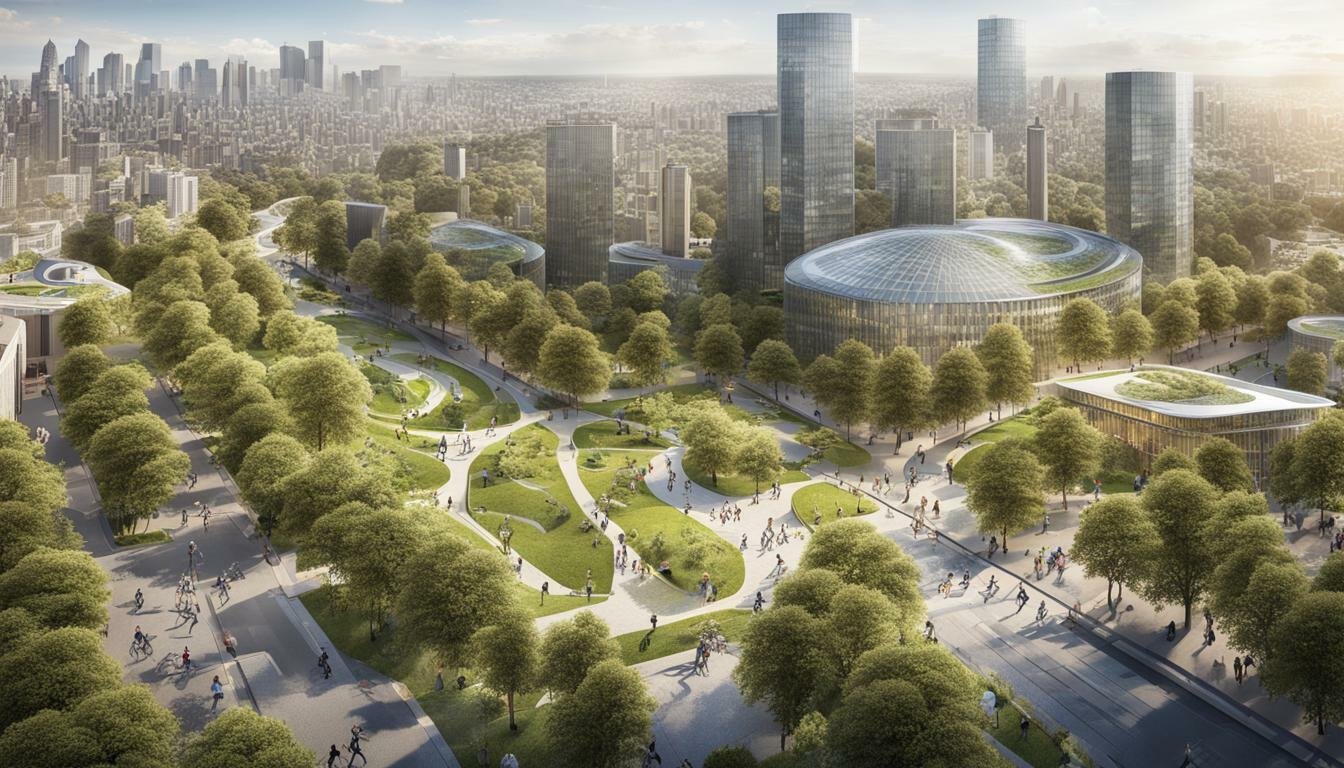
Post-growth city models are an emerging concept that prioritizes sustainable and inclusive urban development over traditional growth-focused approaches. At the heart of this concept is the idea of ecological urbanism, which seeks to integrate the natural environment into the fabric of cities, creating healthier and more resilient urban landscapes.
Community-led development is another key principle of post-growth city models. By engaging local communities in decision-making processes, cities can ensure that development is aligned with the needs and priorities of residents, fostering a sense of ownership and empowerment.
Examples of post-growth city models from around the world include Freiburg, Germany, which has implemented a range of sustainable transport options and energy-efficient housing, and Malmo, Sweden, which has embraced the use of انرژی تجدید پذیر and green infrastructure. These cities serve as inspirations for others seeking to adopt post-growth approaches.
اهمیت شهرسازی اکولوژیک
Ecological urbanism is a multifaceted concept that seeks to integrate ecological and urban systems, creating a more sustainable and resilient urban environment. This approach emphasizes the importance of green infrastructure, such as parks, green roofs, and street trees, in enhancing the health and well-being of residents, while also mitigating the impacts of climate change.
Ecological urbanism can also play a key role in promoting social equity in urban areas. By creating accessible green spaces and promoting active transport options, such as cycling and walking, cities can foster a sense of community and promote public health.
شهرها این توانایی را دارند که چیزی برای همه فراهم کنند، فقط به این دلیل و تنها زمانی که توسط همه ایجاد شده باشند. - جین جاکوبز، مرگ و زندگی شهرهای بزرگ آمریکا
توسعه به رهبری جامعه
Community-led development puts residents at the centre of decision-making processes, empowering them to shape the future of their neighbourhoods and cities. Through participatory planning and design, local communities can articulate their needs and priorities, ensuring that development is responsive to their unique circumstances.
This approach can also lead to more equitable outcomes, as it seeks to address the needs of marginalized groups and promote social inclusion. By engaging with diverse communities and creating platforms for dialogue and collaboration, cities can foster a sense of ownership and shared responsibility for the development of urban spaces.
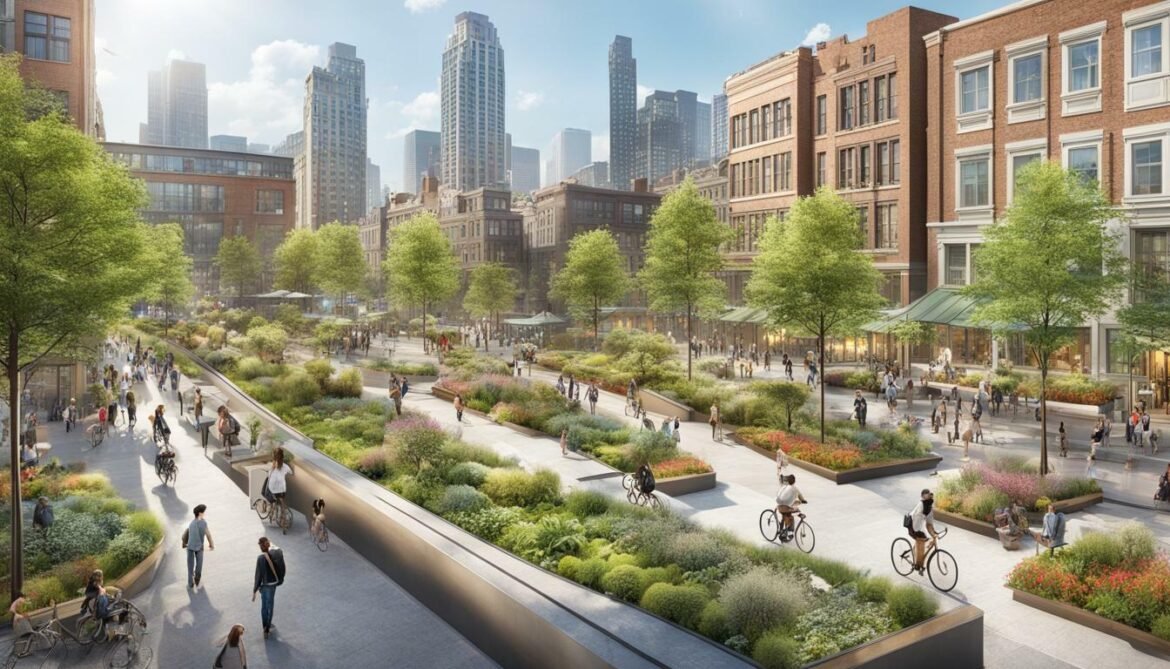
مدل های شهر پس از رشد، با تمرکز بر توسعه پایدار و فراگیر، رویکرد امیدوارکننده ای را برای برنامه ریزی شهری در قرن بیست و یکم ارائه می دهند. شهرها با پذیرش شهرسازی بومشناختی و توسعه مبتنی بر جامعه، میتوانند محیطهای شهری احیاکننده و عادلانهای ایجاد کنند که رفاه ساکنان را در اولویت قرار دهد.
رویکردهای جایگزین برای برنامه ریزی شهری
رویکردهای برنامهریزی شهری سنتی اغلب رشد اقتصادی را بر نگرانیهای اجتماعی و زیستمحیطی اولویت میدهند و در نتیجه شهرهایی ناپایدار و نابرابر ایجاد میکنند. با این حال، رویکردهای جایگزین برای برنامهریزی شهری که با مدلهای شهر پس از رشد همسو هستند، میتوانند به محیطهای شهری انعطافپذیرتر و قابل زندگیتر کمک کنند.
One such approach is the use of nature-based solutions, which involve integrating natural elements such as green spaces, water systems, and تنوع زیستی into urban design. These solutions can help to mitigate the impacts of climate change and enhance the well-being of urban residents. For example, Vienna’s “Green Belt” project involves the creation of an expansive network of parks and green spaces throughout the city, providing residents with access to nature and promoting biodiversity.
یکی دیگر از رویکردهای جایگزین برای برنامه ریزی شهری، توسعه مبتنی بر جامعه است که جوامع محلی را برای مشارکت در فرآیندهای تصمیم گیری و شکل دادن به توسعه محله های خود توانمند می کند. این رویکرد می تواند به اطمینان حاصل شود که توسعه شهری فراگیر و پاسخگو به نیازهای ساکنان است. به عنوان مثال، پروژه "Familiengarten" در برلین شامل تبدیل یک زمین خالی به یک باغ اجتماعی و فضای تجمع بود که ساکنان محلی فرآیند برنامه ریزی و توسعه را رهبری می کردند.
In addition to these approaches, urban resilience is becoming an increasingly important consideration in post-growth city models. This involves designing cities that can adapt and withstand the impacts of shocks and stresses such as climate change, natural disasters, and economic crises. One key aspect of urban resilience is the diversification of local economies, which can help to reduce reliance on a single industry and increase economic stability. For example, the city of Detroit has implemented a range of initiatives to support the growth of small businesses and entrepreneurship, with a focus on creating a diverse and resilient economy.

به طور کلی، رویکردهای جایگزین برای برنامه ریزی شهری می تواند نقش مهمی در تقویت شهرهای پس از رشد پایدار و عادلانه داشته باشد. با اولویت دادن به رفاه ساکنان و ادغام راهحلهای مبتنی بر طبیعت، توسعه مبتنی بر جامعه و تابآوری شهری در طراحی و برنامهریزی شهری، شهرها میتوانند انعطافپذیرتر، فراگیرتر و احیاکنندهتر شوند.
طراحی شهری کل نگر برای شهرهای پس از رشد
یکی از اصول کلیدی مدل های شهر پس از رشد، اتخاذ طراحی شهری کل نگر است. این رویکرد به هم پیوستگی جنبه های اجتماعی، اقتصادی و زیست محیطی در برنامه ریزی و طراحی محیط های شهری توجه دارد. هدف طراحی شهری کل نگر ایجاد شهرهای احیاکننده است که رفاه ساکنان را در اولویت قرار می دهد، پایداری را ارتقا می بخشد و انعطاف پذیری را در برابر چالش های آینده افزایش می دهد.
Integrated planning is an important aspect of holistic urban design. It involves collaboration between various stakeholders, including residents, community groups, and local authorities. This collaborative approach ensures that the needs and preferences of different community members are taken into account in the planning process. By involving residents in decision-making, holistic urban design promotes social equity and participatory democracy.
Another key feature of holistic urban design is the use of nature-based solutions. These solutions aim to integrate nature into urban environments to create more sustainable and resilient cities. Nature-based solutions can include urban green spaces, green roofs, and water-sensitive urban design. By incorporating nature into urban planning, holistic urban design can enhance ecosystem services, improve air and water quality, and promote biodiversity in cities.
| شهرهای احیا کننده در عمل | توضیحات: |
|---|---|
 |
In Oslo, Norway, the city has adopted a holistic urban design approach to create regenerative cities. The city has established an ambitious plan to become carbon-neutral by 2030, which includes the expansion of public transportation, the promotion of cycling and walking, and the phasing out of fossil fuels in buildings. The city also aims to increase the proportion of green spaces in the city to 60% by 2030, promoting biodiversity and enhancing the resilience of the urban environment. |
به طور کلی، طراحی شهری کل نگر جزء جدایی ناپذیر مدل های شهر پس از رشد است. با در نظر گرفتن ماهیت متقابل عوامل اجتماعی، اقتصادی و محیطی در برنامه ریزی شهری، طراحی شهری کل نگر می تواند شهرهای احیاکننده ای ایجاد کند که پایداری، برابری و تاب آوری را در اولویت قرار دهد. از طریق ادغام راه حل های مبتنی بر طبیعت و همکاری جامعه، شهرها می توانند به مکان هایی پر جنب و جوش، زیست پذیر و پایدار برای نسل های آینده تبدیل شوند.
نقش فناوری در شهرهای پسا رشد
In post-growth cities, technology plays a crucial role in creating smart and sustainable urban environments. Smart technologies, such as Internet of Things (IoT) sensors, data analytics, and automation, can help cities optimize their resource use, reduce emissions, and improve the quality of life for their residents.
For instance, low-carbon transportation systems powered by electric vehicles (EVs) and renewable energy sources can reduce greenhouse gas emissions and improve air quality. Smart traffic management systems can also reduce congestion and enhance safety on the roads.

علاوه بر این، فناوری می تواند شهرها را قادر سازد تا سیستم های زباله، آب و انرژی خود را بهتر مدیریت کنند. به عنوان مثال، شبکه های هوشمند می توانند منابع انرژی تجدیدپذیر را یکپارچه کنند و به تعادل عرضه و تقاضا کمک کنند. حسگرهای اینترنت اشیا همچنین می توانند کیفیت و مصرف آب را برای اطمینان از توزیع کارآمد و کاهش ضایعات نظارت کنند.
در حالی که استفاده از فناوری های هوشمند در شهرهای پس از رشد مزایای زیادی دارد، مهم است که اطمینان حاصل شود که این فناوری ها نابرابری های اجتماعی و اقتصادی موجود را تشدید نمی کنند. دسترسی عادلانه به فناوری و حریم خصوصی داده ها ملاحظات کلیدی در طراحی شهرهای هوشمند و فراگیر است.
فناوریهای هوشمند مانند حسگرهای اینترنت اشیا (IoT)، تجزیه و تحلیل دادهها و اتوماسیون میتوانند به شهرها کمک کنند تا استفاده از منابع خود را بهینه کنند، انتشار گازهای گلخانهای را کاهش دهند و کیفیت زندگی ساکنان خود را بهبود بخشند.»
In addition, it is important to recognize that technology alone cannot solve all of the challenges facing post-growth cities. There must be a holistic approach that integrates technology with nature-based solutions, community-led development, and urban design principles that prioritize social, economic, and environmental sustainability.
به طور خلاصه، فناوری نقش مهمی در شهرهای پس از رشد دارد، اما باید به گونهای استفاده شود که منصفانه، فراگیر و همسو با اصول پایداری و انعطافپذیری باشد. از طریق راه حل های هوشمند و نوآورانه، شهرهای پس از رشد می توانند آینده بهتری را برای ساکنان خود و کره زمین ایجاد کنند.
چالش ها و فرصت ها برای شهرهای پس از رشد
Implementing post-growth city models may face several challenges, such as resistance to change, lack of funding, and political will. However, the opportunities for creating sustainable, equitable, and livable cities are immense.
مدلهای شهر پس از رشد میتوانند چارچوبی برای پرداختن به چالشهای زیست محیطی، اجتماعی و اقتصادی به هم پیوستهای که شهرهای امروزی با آنها مواجه هستند، ارائه دهند. با اولویت دادن به شهرسازی زیست محیطی، توسعه جامعه محور و راه حل های مبتنی بر طبیعت، شهرها می توانند تاب آوری و رفاه طولانی مدت را ارتقا دهند.
Moreover, post-growth city models can foster innovation, collaboration, and participation. They can empower communities and stakeholders to co-create the urban environment, build social capital, and enhance local economies. By embracing a holistic and regenerative approach to urban design, cities can become more inclusive, diverse, and vibrant.
However, realising the potential of post-growth city models requires collective action and commitment. It requires engaging local governments, civil society, businesses, and citizens in a transformative agenda that balances short-term interests with long-term benefits.
Therefore, the challenges and opportunities of post-growth city models go beyond technical or financial issues. They involve changing mindsets, values, and priorities. They require acknowledging the intergenerational and global consequences of urban development and the need for a just transition to a sustainable future.

همانطور که توسط پروفسور تیم جکسون بیان شده است، " رفاه با ثروت مادی یکسان نیست. این احساس امنیت است، اینکه بدانیم از ما مراقبت می شود و آینده ما امن است. این دانش این است که ما بخشی از چیزی بزرگتر از خودمان هستیم و به جامعه ای تعلق داریم که به دنبال ماست.»
مدل های شهر پس از رشد می تواند به ما در دستیابی به این چشم انداز رفاه کمک کند. با تعریف مجدد پیشرفت شهری و پذیرش رویکردهای جایگزین برای برنامه ریزی شهری، می توانیم شهرهایی را ایجاد کنیم که پایدار، تاب آور و عادل باشند.
نتیجه
در نتیجه، مدلهای شهر پس از رشد، جایگزین امیدوارکنندهای برای رویکردهای سنتی متمرکز بر رشد برای توسعه شهری ارائه میدهند. با اولویت دادن به برنامه ریزی شهری پایدار و عادلانه، شهرها می توانند محیط های مقاوم تر و احیاکننده تری ایجاد کنند که هم برای ساکنان و هم برای کره زمین مفید باشد.
Through the implementation of ecological urbanism, community-led development, nature-based solutions, holistic urban design, and smart technologies, cities can move towards a low-carbon and high-quality of life future.
فراخوانی برای اقدام
We encourage readers to explore post-growth city models and the alternative approaches to urban planning discussed in this article. By supporting sustainable urban development and advocating for regenerative cities, we can work towards a more equitable and prosperous future for all.
سوالات متداول
س: مدل های شهر پس از رشد چیست؟
پاسخ: مدلهای شهر پس از رشد، رویکردهای برنامهریزی شهری جایگزینی هستند که پایداری و تابآوری را بر استراتژیهای سنتی متمرکز بر رشد اولویت میدهند. هدف این مدل ها ایجاد شهرهایی عادلانه، احیاکننده و دوستدار محیط زیست است.
س: چرا مدل های شهر پس از رشد مهم هستند؟
پاسخ: مدلهای شهر پس از رشد مهم هستند زیرا محدودیتهای رویکردهای سنتی متمرکز بر رشد را بررسی میکنند و جایگزینهای پایدارتری ارائه میدهند. آنها رفاه ساکنان، حفاظت از محیط زیست و ایجاد شهرهای مقاوم و قابل زندگی را در اولویت قرار می دهند.
س: چند نمونه از مدل های شهر پس از رشد چیست؟
الف) برخی از نمونههای مدلهای شهری پس از رشد شامل توسعه محلههای سازگار با محیط زیست، اجرای راهحلهای مبتنی بر طبیعت و ترویج توسعه مبتنی بر جامعه است. این مدلها را میتوان در شهرهای سراسر جهان یافت و استراتژیهای مختلفی را برای دستیابی به آنها نشان داد. توسعه پایدار شهری
س: فناوری چگونه در شهرهای پس از رشد نقش دارد؟
A: Technology plays a crucial role in post-growth cities by enabling the creation of smart and low-carbon urban environments. It can contribute to the sustainability and efficiency of cities, while also improving the quality of life for residents. Examples include the use of smart infrastructure, renewable energy systems, and data-driven decision-making.
س: چالش ها و فرصت های شهرهای پس از رشد چیست؟
پاسخ: اجرای مدل های شهر پس از رشد به دلیل مقاومت در برابر تغییر و نیاز به بودجه کافی می تواند چالش برانگیز باشد. با این حال، فرصت هایی برای همکاری و نوآوری نیز وجود دارد. با مشارکت ذینفعان، رسیدگی به موانع و تقویت اقدامات جمعی، شهرهای پس از رشد پتانسیل تغییر توسعه شهری و ایجاد آینده ای پایدارتر را دارند.