


S3، E21: طبیعت شهرهای ما با دکتر نادینا گال، قسمت 4
- جکی دی بورکا
- 26 نوامبر، 2024
طبیعت شهرهای ما با دکتر نادینا گال، قسمت 4
“Nature has a calming and restorative effect. It can improve our mood, cognitive function, and overall well-being—it’s not just a luxury; it’s essential.”– Dr Nadina Galle

در زیر به دکتر نادینا گال گوش دهید
به قسمت چهارم سریال ویژه ما با حضور دکتر نادینا گال، زیست محیطی خوش آمدید مهندس, 2024 National Geographic Explorer, and author of طبیعت شهرهای ما: استفاده از قدرت دنیای طبیعی برای زنده ماندن در سیاره در حال تغییر.
در قسمت پایانی این مجموعه روشنگرانه، جکی دی بورکا با مهندس محیط زیست و نادینا گال کاوشگر نشنال جئوگرافیک به بحث درباره قدرت دگرگون کننده طبیعت می نشیند. از درک اینکه چگونه طبیعت بدن و ذهن ما را شفا میدهد تا شیوههای ابتکاری مانند جنگلدرمانی و کمپینهای ایمیل درختان شهری، این قسمت سرشار از امید و بینشهای عملی است.
نادینا بازتاب های عمیقا شخصی از کتابش را به اشتراک می گذارد، طبیعت شهرهای ما, and offers actionable advice on integrating nature into our daily lives—whether in sprawling forests or a single urban tree. For anyone seeking inspiration and strategies to reconnect with nature, this is a must-listen episode.
"دیدن جنگل به عنوان درمانگر - این موضوع در اکوتراپی بسیار مهم است. جنگل مکانیسم هایی برای شفا فراهم می کند. ما فقط راهنما هستیم» - دکتر نادینا گال
نکات مهم قسمت:
- Nature’s Impact on Health: How exposure to green spaces reduces stress, anxiety, and chronic illnesses while fostering social connections.
- اکوتراپی و حمام جنگل: قدرت دگرگون کننده غوطه وری در طبیعت، از افزایش عملکرد ایمنی تا کاهش علائم PTSD.
- پروژه های شهری نوآورانه: کمپین غولهای شمال و ملبورن با عنوان «ایمیل یک درخت» درختان را زنده میکند و ارتباطات شهری را با طبیعت عمیقتر میکند.
- آینده شهرها: How Nature Scores and urban greening initiatives could reshape our urban landscapes into lush, health-supporting environments.
- چالشی برای شنوندگان: Identify and learn about 10 flora or fauna species within 500 meters of your home—nature is closer than you think.
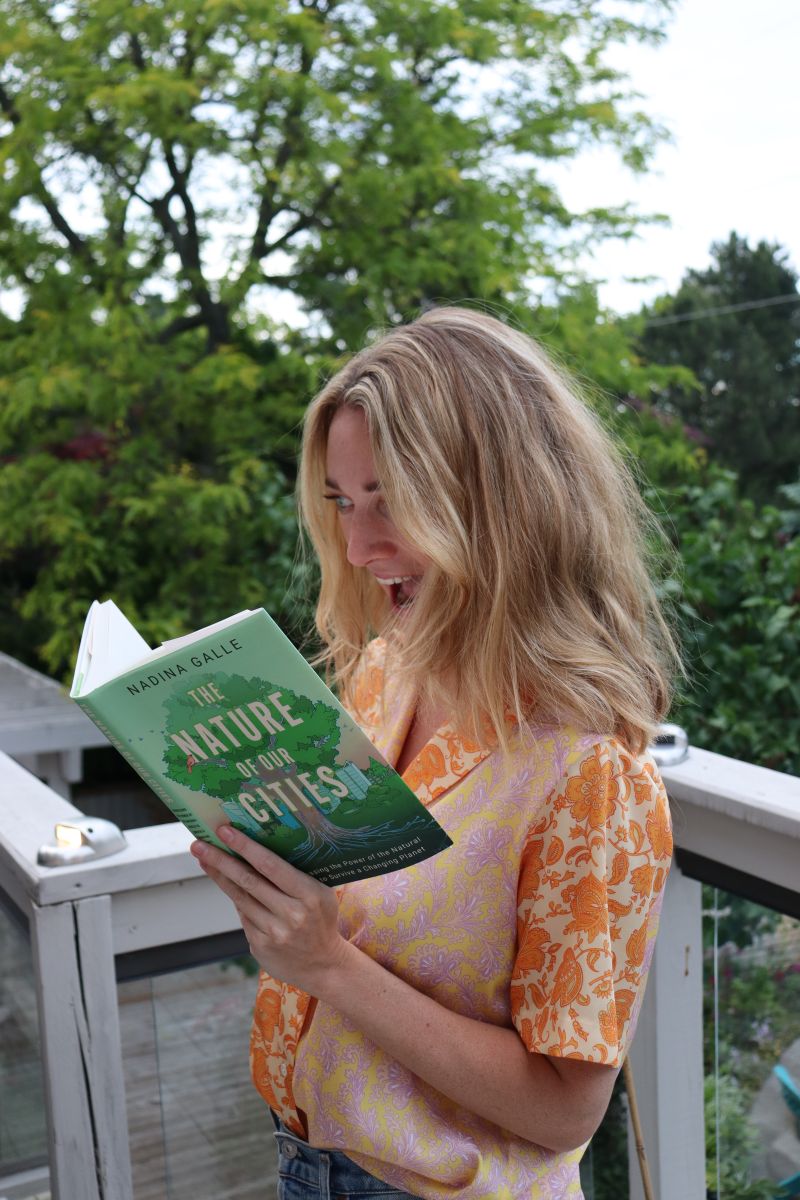
“We came from nature, we evolved in nature, and ultimately, we are hardwired to love and need it.” Dr. Nadina Galle
برای لذت بردن از کل مینی سری
سر را به دسته بندی دکتر نادینا گال
در زیر به این قسمت گوش دهید:
کاوش بیشتر:
بازدید صداهای سازنده for articles, insights, and updates on sustainable living and urban innovation.
"آزمون واقعی یک جامعه زیبا کسانی است که درخت می کارند و می دانند که هرگز زیر سایه آنها نخواهند نشست." دکتر نادینا گال
درباره دکتر نادینا گال
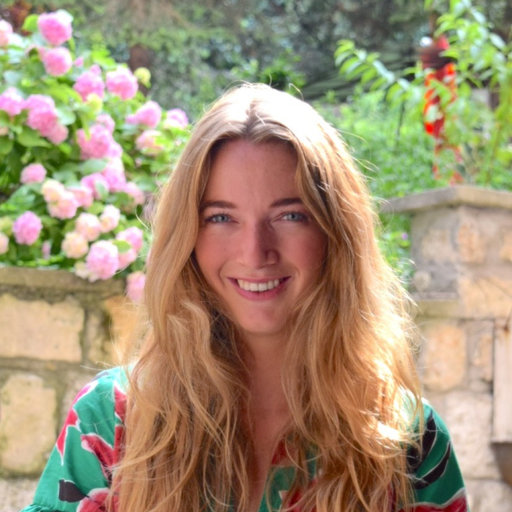
نادینا گال, Ph.D. یک مهندس محیط زیست، فنشناس و پادکست هلندی-کانادایی است. آثار او در مستندهای تولید شده توسط BBC Earth و در چندین نشریه چاپی از جمله Newsweek، ELLE و National Geographic به نمایش درآمده است.
او دریافت کننده چندین جوایز آکادمیک و کارآفرینی، از جمله بورسیه تحصیلی فولبرایت برای کمک هزینه تحصیلی در آزمایشگاه Senseable City MIT، توسط فهرست 30 نفر زیر 30 سال فوربس انتخاب شد و اخیراً به دلیل کارش در مورد چگونگی رشد شهرهای آمریکای لاتین به عنوان کاوشگر نشنال جئوگرافیک معرفی شد. به اینترنت طبیعت وصل می شوند. او زمان خود را بین آمستردام و تورنتو تقسیم می کند.
زندگی زودهنگام
دکتر نادینا گال که در هلند به دنیا آمد و در کانادا بزرگ شد، عشق به فضای باز و تعهد عمیق به حفظ طبیعت را از سنین جوانی پیدا کرد.
الهامات و علایق اساسی
او با الهام از نوشتههای شهرنشینان پیشرو جین جاکوبز و جیمز هوارد کانستلر در سالهای نوجوانیاش، شروع به زیر سوال بردن عدم تعادل بین طبیعت و پراکندگی شهری که در حومهی کانادا شاهد بود، کرد.
دکتر گال بهعنوان یک مهندس زیستمحیطی که با اشتیاق به اکولوژی و شیفتگی به فناوری هدایت میشود، به تحقیق، توسعه و ارائه فناوریهای نوظهور به بازار میپردازد، با هدف ایجاد جوامع بهتر هم برای مردم و هم برای طبیعت - چشماندازی که او آن را «اینترنت طبیعت» مینامد. ” (IoN).
IoN از آن زمان به یک جنبش جهانی تبدیل شده است و پزشکان جسور را که از فناوری های نوآورانه برای ایجاد جوامع غنی از طبیعت استفاده می کنند، متحد می کند. دکتر گال پادکست اینترنت طبیعت، با بیش از 25,000 بارگیری، کارهای خارق العاده این کارآفرینان و نوآوران را برجسته می کند و الهام بخش مخاطبان در سراسر جهان است.
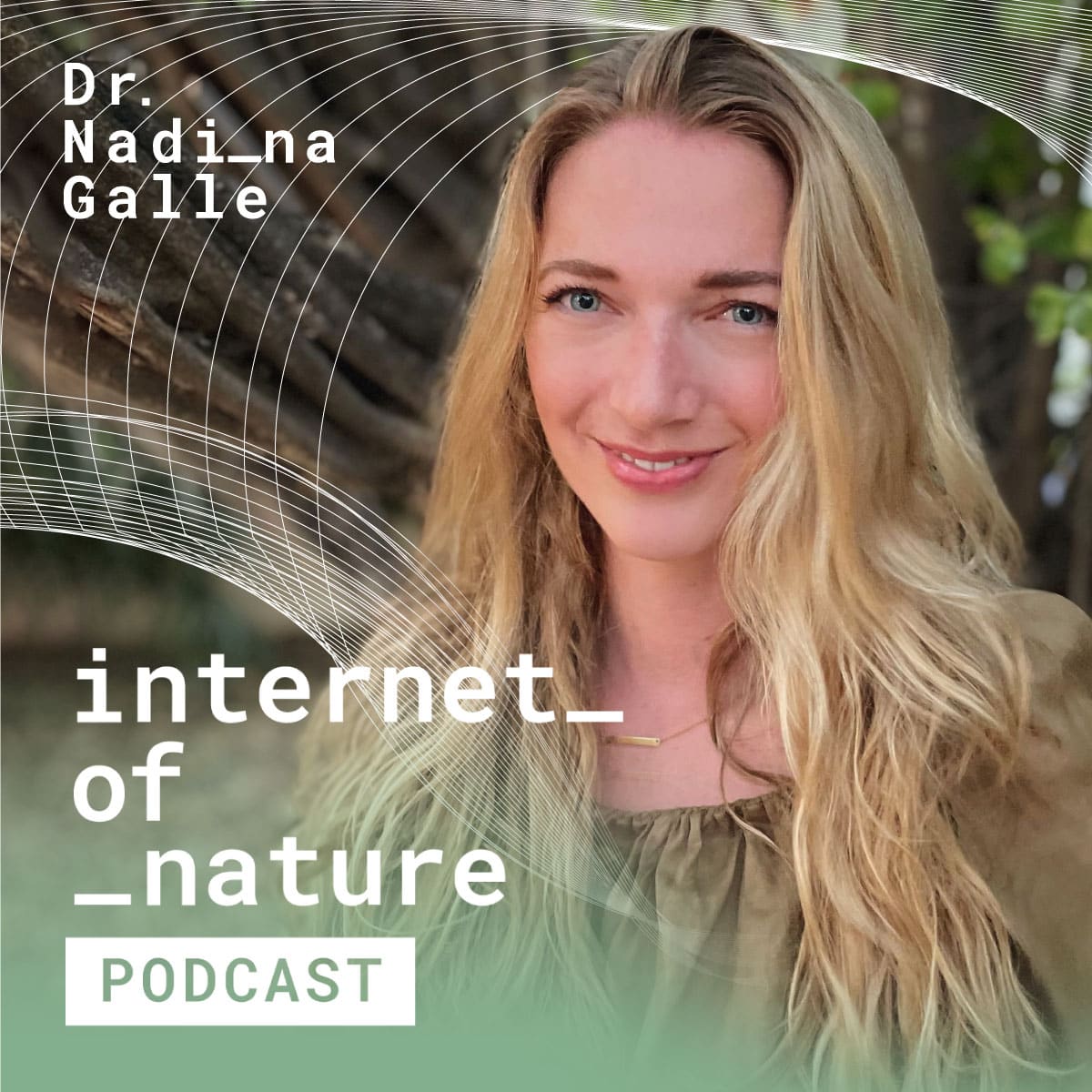
دکتر نادینا گال با بیش از یک دهه تجربه در آکادمیک در چهار قاره، پایه ای قوی در تحقیقات علمی دارد. با این حال، ترکیبی از تخصص آکادمیک و سالها کار در و ساختن استارتآپهای فناوری است که او را متمایز میکند. او اکنون سخنرانی های کلیدی را ارائه می دهد، رویدادهای جهانی را تعدیل می کند، دانش را منتشر می کند و محصولاتی را در تقاطع طبیعت، مردم و فناوری عرضه می کند.
برجسته در رسانه های برتر
آثار دکتر گال در مستندهای BBC Earth و arte.tv، در برنامه های متعدد رادیویی بریتانیا، ایرلند و هلند و در چندین نشریه چاپی از جمله نمایش داده شده است. نیوزویک, ITو جغرافیای ملی، که یک ویژگی پنج صفحه ای در دکترای او داشت. تحقیق کنید.
او چندین افتخار آکادمیک و کارآفرینی دریافت کرده است، از جمله بورسیه تحصیلی فولبرایت برای کمک هزینه تحصیلی خود در آزمایشگاه MIT Senseable City، جایی که او همچنان به فعالیت تحقیقاتی خود ادامه می دهد. دکتر گال همچنین به مدت سه سال متوالی در فهرست ۱۰۰ کارآفرین برتر جوان هلندی (حداکثر حد مجاز) قرار گرفته است و جایزه برتر آژانس فضایی اروپا، "اسکار فضایی" را برای کارش در زمینه ترسیم تاج درختان شهری به او اهدا کرد. مبارزه با جنگل زدایی فوربس و الزویر هر دو او را در لیست های مربوط به "30 زیر 30" خود شناسایی کرده اند.
سر در علم، قلب در ارتباطات
مشتریان، همکاران و دوستان از توانایی دکتر گال در به دست گرفتن مالکیت نتایج قدردانی می کنند – کیفیتی که او به صداقت، همدلی و نبوغ خود نسبت می دهد. او معتقد است که این ویژگی ها برای رهبری تیم ها برای دستیابی به یک ماموریت مشترک ضروری است.
علاقه مند به مسیری که در آن قرار دارد - تحقیق و ایجاد دانش برای "آنلاین کردن طبیعت" - دکتر. گال به داشتن سر در علم و قلبش در ارتباطات افتخار می کند. او به ترجمه اکتشافات دانشگاهی و فناوری به دانش عمومی در دسترس در رسانه های مختلف اختصاص دارد.
کاوشگر نشنال جئوگرافیک
در سال 2024، دکتر گال به عنوان کاوشگر نشنال جئوگرافیک انتخاب شد، جایی که او در حال بررسی چگونگی ادغام شهرهای سراسر آمریکای لاتین با اینترنت طبیعت است.
اولین کتاب
اولین کتاب او، طبیعت شهرهای ما: استفاده از قدرت دنیای طبیعی برای زنده ماندن در سیاره در حال تغییر، توسط HarperCollins در 18 ژوئن 2024 منتشر شد و در دسترس است برای خرید در این مکان ها با توجه به جایی که در جهان هستید.
رونوشت تولید شده دیجیتالی (ممکن است شامل برخی خطاها باشد)
Good morning or good afternoon, depending on what time of the day you’re listening to this. This is Jackie de Burca for Constructive Voices, and I am in my final recording with the wonderful author. And she has many other and many other hats that she wears as well. Nadine Galle, who has written this really amazing book which is accessible to all people. And we are now on our final chat, which is really honing in on how nature can affect our health positively.
و ما به سراغ استراتژی هایی در مورد قرار گرفتن در معرض طبیعت و بهترین شیوه ها و غیره می رویم. نادینا، برای کسانی که قسمتهای دیگر را گوش ندادهاند، بدیهی است که به آنها کمی خوشگذرانی میکنیم و میگوییم برگردید و قسمت اول را گوش کنید، زیرا نادینا یک مقدمه شگفتانگیز درباره همه کارهایش انجام میدهد. اما برای آنهایی که به دلایلی فقط به این قسمت گوش میدهند، میتوانید یک معرفی واقعاً مختصر در مورد خودتان بدهید، لطفا؟
[00:01:11] دکتر نادینا گال: قطعا. و متشکرم، جکی، برای اینکه دوباره من را همراهی کردی. و سلام به همه نام من دکتر نادینا گال است. من یک مهندس اکولوژیک هلندی کانادایی هستم. من یک کاوشگر نشنال جئوگرافیک 2024 هستم و اخیراً نویسنده کتاب طبیعت شهرهای ما هستم. چگونه می توانیم از قدرت دنیای طبیعی برای زنده ماندن در سیاره ای در حال تغییر استفاده کنیم؟
[00:01:33] جکی دی برکا: عالی. بنابراین ما میخواهیم وارد آن شویم. چرا طبیعت برای سلامت انسان مهم است؟ نادینا، میدانم که این سؤال بزرگی است، اما لطفاً به من شوخی کنید و تا جایی که میتوانید به من پاسخ دهید.
[00:01:44] Dr Nadina Galle: Yeah, it is indeed a big question. And I think I’ll start with one of the benefits that I think most people can relate to. And that is just the benefit on our mental health. Right. Exposure to green spaces significantly can reduce stress, anxiety, depression. Nature has this really calming and restorative effect, which I think can improve or not. I think research shows us can improve our mood and our cognitive function, and I think in general just helps people feel more relaxed and focused. Mental health is one thing. There’s also our physical health. I say nature really promotes physical activity, whether that be walking or cycling or even just playing outdoors. Relax, relaxing outdoors, they say. Research has shown us that regular access to parks and green spices, you know, reduces risks of things like chronic disease, obesity, cardiovascular disease, diabetes.
این به خودی خود واقعاً بسیار مهم بوده است.
But there’s also these other things that we may not necessarily think about or see, and those are things like air quality. Having trees and plants can filter pollutants, improve air quality, and thereby also improving our respiratory issues. And overall that comes with that. It regulates temperatures, so it keeps Our cities cool in the summertime. It also keeps our cities warm in the wintertime, which is kind of interesting. It acts as a buffer both ways.
بخش بزرگی از ارتباط اجتماعی وجود دارد که به نظر من با سلامت روان همراه است. اما این ایده که مناطق سبز و پارکها در واقع مناطقی را برای تعامل اجتماعی ارائه میدهند، که به ویژه در عصر و عصری که ما با انزوای اجتماعی و تنهایی ناشی از بیماری همهگیر روبهرو هستیم، بسیار مهم است. و در عصری که کمتر و کمتر مردم به کلیساها یا مکانهای مذهبی میروند، مناطق طبیعی و پارکهای سرسبز واقعاً یکی از معدود مناطقی هستند که ما برای داشتن این فضاهای مشترک داریم که میتوانیم دور هم جمع شویم و تعاملات اجتماعی را تقویت کنیم.
And I would say lastly, just to kind of circle back to that first point is, yes, it’s important for mental health. But even bigger than that, I think nature and green spaces in our cities, they offer this restorative escape from the noise and chaos and pressures of urban life. And that can be a lot of physical pressures, right? Traffic, big buildings, a lot of asphalt, loud noises. But it can also be the stress of it, right? Busy jobs, busy agendas, you know, stressed out parents and kids, and over scheduled agendas, you know, all of these things without us really realizing at times, can have a huge impact on us. And being in nature, even if that just means taking part of your commute through a green corridor, cycling through a tree lined street, or you know, taking your lunch break in a park, all of those things can have massive impacts on our health. And it feels sometimes tough to kind of, you know, I could go into the specifics of each of these and give you stats and figures about why each of it helps from, you know, helping children not develop myopia, from making sure we have enough vitamin D, from making sure we get enough physical activity. But it almost feels kind of reductionistic to hone down the benefits of nature in this kind of really scientific lens. Because ultimately I believe we came from nature, we evolved in nature. It’s part of what makes us human. And I think anyone can relate to this idea that if you’re spending the majority of your day inside, you just did not feel well, versus when you spend more time outdoors and in nature, you automatically feel better. And I think that’s something that everyone can relate to. And ultimately, I believe we are hardwired to love nature and want to be in nature.
[00:05:38] جکی دی برکا: من از صمیم قلب با شما موافقم.
و من فکر می کنم که، می دانید، یکی از چیزهایی که ما در مورد آن صحبت می کنیم مهم است این است که شما از کودکان در طبیعت نام برده اید، خوب، فقط برای سلامت جسمی و جسمی آنها، برای جلوگیری از بیماری های ناشی از کمبود ویتامین D و غیره اما البته، در نقطهای از کتابتان به این موضوع اشاره میکنید که در زمان نگارش، لوکا را باردار بودید. و البته، میدانید، فکر میکنم، دست زدن به چیزهایی وجود دارد که بسیاری، نه فقط زنان، مطمئناً، مردان نیز به این چیزها فکر میکنند. آیا من یک کودک را همانطور که هست به این دنیا خواهم آورد؟ می دانید، اینها از نوع سوالاتی است که مشخصاً برخی افراد دارند. و احتمالاً دلایل کاملاً معتبری برای آن وجود دارد. تصور می کنم این برای شما کاملاً یک فرآیند بود. آدینا.
[00:06:28] Dr Nadina Galle: Yeah, it’s really tough. It’s a conversation that I hear a lot around me. This very dark fear and lack of optimism for the future, this fear of climate, of climate change, of the effects of it, and this general feeling of this is not a world that I want to bring children into. And that is just. I mean, I get emotional just thinking about that because I believe we’re put on this earth to bring more life onto this earth. And I believe that is our purpose at the end of the day. And no matter what form that takes, obviously not everybody has to have their own children if that’s not something that they desire. But, you know, bringing in children into the world, whether that be nieces or nephews or stepchildren or adopted children, is such a way that we contribute also to the future of our planet, to the future of the world that we will leave behind for those children. And it’s such, it’s so heartbreaking to me that there are so many people in the world that feel that that is no longer something worth doing. Because I feel like when you, when you, when you decide that, it also means that you’ve given up on your own life in some, in some, in some way or another. And I think that the true to test of a beautiful society is those that plant trees and plant natural areas knowing that they will never sit under the shade of that tree. In fact, that’s, that’s an old proverb that I quote in the book as well.
من معتقدم که بودن در طبیعت، به جای تمرکز بر نابودی و تاریکی تغییرات آب و هوا، من معتقدم که تمرکز بر طبیعت در واقع این حس عظیم فراوانی را فراهم می کند، این احساس که همیشه بیشتر وجود دارد و برای همه چیزهای زیادی وجود دارد و چیزهای بیشتری وجود دارد. از کجا آمده است، چیزهای بیشتری می توانیم ایجاد کنیم. و من دوست دارم به این حس فراوانی فکر کنم تا این حس ترس. و شرم و انگشت نشان دادن به افرادی که کارها را اشتباه انجام می دهند.
I really enjoy, you know, writing and working at this cusp of urban nature because I believe that is the nature that we have in our daily lives that’s so critical, but it’s also operating from this place of abundance rather than this feeling of. Of shame and guilt.
[00:08:44] جکی دی برکا: بله، من فکر میکنم که این واقعاً عالی است. و کلمه دیگری که در مورد انسان و طبیعت به ذهن من خطور می کند، می دانید، کودکانی که توسط معلمانشان نشان داده می شوند، می دانید که می توانند معلمان آنها در مدرسه باشند، می توانند معلمان آنها در مدرسه باشند. خانواده و دوستان و همسایگان چگونه می توانیم با طبیعت همکاری کنیم. همکاری کلمه ای است که به ذهن خطور می کند زیرا در قسمت آخر چند نمونه شگفت انگیز از کتاب خود، مطالعات موردی امثال حلزون ها و، می دانید، کلاغ ها و غیره را ارائه کردید.
Nature itself is collaborating with itself. A species is changing its color because it needs to. A species is changing its calls because it also needs to, because of the urban environment that it’s living in. So therefore, if humans are collaborating with nature, all of what you see because of your positive work is entirely possible. And therefore, you know, not that there’s no need for doom and gloom, but really, that can be quashed and, you know, put down further by just collaborating with nature and encouraging that quickly.
[00:09:58] دکتر نادینا گال: بله، بله. و من فکر می کنم که ما. ما داریم.
ما آن را از دست داده ایم. ما از این واقعیت غافل شدیم که طبیعت بزرگترین همکار ماست. ما از این واقعیت غافل شدهایم که طبیعت، منظورم این است که ما در ابتدای این قسمت برخی از آنها را فهرست کردیم، اما طبیعت در تمام جنبههای زندگی ما نقش دارد. من فکر می کنم شما می توانید صادقانه این استدلال را بیان کنید. و آیا این در منابعی است که ما داریم. که ما باید خودمان را بسازیم خانه and build our offices, whether that’s in their air quality that we breathe and are reliant on every day, the quality of our water, the places that we go to recreate our food systems are entirely based on a healthy balance in our ecosystems with nature. So there’s. There’s so many different linkages. And ultimately, I think reestablishing that connection with nature is so critical to creating ultimately happy and healthy humans that live on a happy and healthy planet.
[00:10:56] جکی دی برکا: 100%. 100% با شما موافقم نادینا. بنابراین، به سمت اکوتراپی برویم، که میدانی گفته شده است. با نام های دیگر هم صحبت شد. دقیقاً چیست و با چه نام های دیگری می توانیم آن را بشناسیم؟
[00:11:12] دکتر نادینا گال: بله، من فکر می کنم که برخی از رایج ترین موارد احتمالاً چیزهایی مانند جنگل درمانی هستند. حمام جنگل یکی دیگر از این موارد است. یکی دیگر از رایج ترین آنها است که از کلمه ژاپنی shinrin yoku گرفته شده است که به معنای واقعی کلمه حمام کردن در جنگل است.
And Japan really was at the forefront of a lot of this because they saw in, you know, rapid industrial revolution, you know, rapid urbanization, a lot of sedentary jobs, which was quite, you know, different to what Japan had been used to previously. They saw massive spikes in mental health disorders and things like stress and anxiety, things that, you know, we can all relate to. And they saw huge benefits of people being out in nature. And of course, you know, the Japanese elders were like, yeah, well, of course, this is where we came from. Of course you’re going to feel better and more restorative when you’re there. But the government really saw huge potential in that and actually invested large amounts of money to create, you know, to one certify, you know, forest bathing guides to take, you know, even the most, like, staunchest city slickers out into nature, into forests and help them kind of reconnect with the natural earth to hopefully help with some of the, whether it be more severe mental health disorders or just kind of a general sense of malaise that we were talking about just earlier.
و آنها پول زیادی از دولت سرمایه گذاری کردند، نه تا زمانی که آن بچه ها را آموزش دادند، بلکه پارک هایی با پای برهنه ایجاد کردند که در آن مردم، به معنای واقعی کلمه می توانید با پای برهنه در جنگل زمین بزنید، این مسیرهای پیاده روی زیبا را که می توانید دنبال کنید، زیرا آنها دیدند که، می دانید گذراندن وقت در جنگل، سطح کورتیزول را کاهش می دهد، اضطراب را کاهش می دهد. حتی مطالعاتی وجود دارد که نشان میدهد در واقع چیزی به نام سلولهای کشنده طبیعی را افزایش میدهد که در بدن ما برای مبارزه با چیزهایی مانند سرطان بسیار مهم هستند. می دانید، ما نه تنها تغییرات خلقی، بلکه تغییرات فیزیولوژیکی را داریم که وقتی به درختان جنگل نزدیک می شویم، برایمان اتفاق می افتد. این است، آن است.
[00:13:15] جکی دی برکا: این واقعاً چیزی است که واقعاً یک سلول قاتل طبیعی است. می دانید، من فکر می کنم که این به خودی خود کافی است.
این اطلاعات برای من کافی است، می دانید، برای تبدیل شدن، اگر قبلاً تبدیل نشده بودم. همین کافی است، اینطور نیست؟ می دانید، وقتی به تمام بیماری های وحشتناکی فکر می کنید که به طور بالقوه می توانید با داشتن سلول های کشنده طبیعی بیشتر از آنها پیشگیری کنید، شگفت انگیز است.
نادینا، درباره آن راهنماهای جنگل درمانی که در ایالت چیکو آموزش دیده اند، به ما بگویید.
[00:13:49] Dr Nadina Galle: Yeah, so that was a really interesting case study because Chico State or California University is also commonly known. It sits in Chico county, and Chico is right around the corner from Paradise. So where one of the most devastating wildfires happened in US history, and it sits smack Dab in the middle of wildfire County, a country. And this is been really, really.
I mean, for lack of a better word, interesting. Because what you have there is, you have this community, these huge populations of people that have been absolutely traumatized by what they’ve had to deal with. Their wildfires that have swept through their land, their property, their homes, and in the worst cases, their loved ones. And it has just been so catastrophic and so traumatizing. Many of these, they relate to, actually wild wildfire survivors. They have rates of PTSD in the same levels that you might expect from veterans coming home from war. You know, this is extremely traumatizing. And the thing that’s so odd is that the thing that caused this wildfire, nature itself, right? Maybe the spark wasn’t caused by nature, but a lot of the buildup of the vegetation, you know, cause its ferocity, how catastrophic it became, that. That nature itself, the kind of the. The instigator of this wildfire, can hopefully also be an area for healing for these people as well. And I think that’s. That’s. That’s what. What made this. These. The training of ecotherapy guides at Chico State so interesting. And I got the opportunity to speak to one of them called Blake Ellis. And she, together with 14 other local mental health professionals, were trained to become certified ecotherapy guides. And the goal was really to then provide comfort to these communities that were impacted by wildfires. And when Blake was telling me about one of these sessions, she was saying that what was so interesting is that for the first time, many of them were able to see trees and these downed trees and the debris that was left, not as this reminder and symbol of death and decay, but actually as opportunity and hope for the future. And I think that’s something that’s this beautiful parallel that hopefully we can relate back to other fascinating facets of our life as well. And one of the things that Blake said that really stuck with me is that, you know, she keeps. She kept saying when she was telling me about these things is, you know, I am. I am simply a guide. It is the forest that is the therapist. And that is, I think, something that is so central to ecotherapy and forest therapy is seeing the forest as the therapist that it is, and that these individuals that are these certified guides, they are the facilitators that can help take you through. And there’s many different exercises. You know, sometimes it’s simply sitting and meditating in a forest environment. Sometimes it is literally hugging a tree and coming into contact with some of these. You know physiological changes that can happen to your body. Sometimes it’s taking a silent walk, sometimes it’s actually just having your therapy session, but you’re walking through the forest as you’re doing it. So there’s many different ways that forest bathing and forest therapy can take place, but the goal is that this venue, the forest, really provides the mechanisms for a lot of this healing.
[00:17:16] جکی دی بورکا: من عاشق این واقعیت هستم، همانطور که شما می گویید، نادینا، که این جنگل است که درمانگر است. و من فکر میکنم این مهم است، میدانید، نه تنها برای کسانی که برای درمان رفتهاند، بلکه در معنای هر درمانی نیز مهم است. میدانی، یک بار دیگر، این نفس انسانی است که انگار، اوه، درمانگر این کار را، آن و دیگری را برای من یا برای هر کسی انجام میدهد. اما در واقع، در پایان روز، درمانگر فقط مانند یک مجرا است، می دانید، این یک ابزار است. آن شخص ابزاری برای کمک به یک وضعیت شفابخش است. و بنابراین، دیدن جنگل به عنوان یک درمانگر، فکر می کنم به خودی خود فقط شفابخش است.
[00:17:54] Dr Nadina Galle: Yeah. And I think we have to. It’s also important to remind the listeners here, is that we talk about forest therapy, we talk about ecotherapy, but it doesn’t necessarily have to be in a forest. Of course, that’s better. But Blake also loved to tell me this story about her teacher who taught her to be a guide. Loves to tell this story that he actually did a successful session, forced guide therapy session, in the middle of a parking lot under the shade of a single tree. So it is very possible to do this with a single tree, even in the middle of a parking lot, you can have this connection to nature. And I think, again, kind of reinstating why urban nature is so important and why we have to be careful not to write off urban nature as not quote, unquote, real nature or effective nature for these kinds of things. A lot of these sessions can take part in parking lots with single trees, if you’re really forced to. But otherwise, backyards, urban parks, manicured gardens, you know, there, as long as it’s some kind of natural setting, you can actually start to feel a lot of these benefits, you know, and if you have access to a beautiful old growth forest, of course host your session there. But even if that’s not possible, you can still feel the same kind of sense of grounding that other places are able to offer.
[00:19:12] جکی دی بورکا: بنابراین، بله، من فکر می کنم که این توصیه بسیار عالی است. می دانید، اگر ما فقط تماشا می کنیم، کلمه جنگل را حذف کنید، فقط طبیعت درمانگر است. و هر جا که بتوانیم آن را پیدا کنیم، می دانید، ذره ای کوچک از طبیعت. اگر فقط کمی باشد، اشکالی ندارد. بنابراین من فکر می کنم این توصیه عالی است.
شما مطالعات موردی بسیار جالبی دارید که در این قسمت از کتاب ارائه کرده اید. میتوانی در مورد برخی از آنها با ما صحبت کنی، نادینا؟
[00:19:40] دکتر نادینا گال: بله، وجود دارد.
تعداد آنها بسیار زیاد است. و یکی از موارد مورد علاقه من این ایده است که درختان، از طریق این نوع فناوری خاص به نام صدای جغرافیایی، واقعاً می توانند با ما صحبت کنند.
It was this project by theatre director Puk van Dijk in the north of Amsterdam. Amsterdam north is this rapidly developing neighborhood which I think a lot of post industrial cities can relate to. It’s an area that is really dealing with, you know, rampant changes, gentrification, drug use, pushing out certain demographics, pushing in a new demographic, dealing with, sadly, a lot of deforestation to make way for a lot of this development. And Buch van Dyck moved to this neighborhood after she had a very nomadic childhood, lived all over the world. And when she had a child of her own, she wanted more stability. And she looked for stability at her tree neighbors, the ginkgos, the ashes, the oaks, the maples that she shared her new neighborhood with. She was really inspired by them and she wanted to understand her neighbors more. So she started to interview some of her human neighbors and she started see a lot of parallels, right? She would talk to a new neighbor who was a retired bodybuilder, and he was complaining about the fact that this highway that had been expanded was causing his asthma to get worse and worse. And he was dealing with a lot of issues. And she was wondering, she was like, I wonder if the trees that are planted next, that highway are dealing with similar issues. She talked to another neighbor who complained how lonely she was, especially during the pandemic and afterwards too, that she missed these talks with a lot of her neighbors after they had passed away. And she saw this tree in the middle of a square that was all by itself. And she was like, I wonder if that tree deals with loneliness in the same way as humans might be able to relate to. Long story short, she created this immersive audio tour of these six talking trees. She called it the Giants of North. And she was able to use a lot of these interviews that she had done with human neighbors and translate their stories to these trees. And she actually used local voice actors, actors that were from Amsterdam north, to put on the create these characters and put on these voices for these trees. And it didn’t work like a typical audio tour where you would have to scan a QR code every time you’re at a new stop, you were just able to press play, go on this walk. And the gps, your GPS location would actually guide you either to the right or either to the left based on where you were. And if you were close enough to one of the trees, it would actually start talking to you. And this just meant for such an immersive experience because, for example, in this tree that was dealing with a lot of pollution, it actually started coughing before you could even see it. You would start to hear this coughing, you would turn the corner and there was the tree right next to the road, dealing with these issues. And I just thought it was such a fantastic example to, in a really creative way, show urbanites the plight of city trees and what they’re dealing with and at the same time provide people that, yeah, that normally wouldn’t have that kind of. That interaction, that connection with trees to be able to relate to them more. And I think that’s something so critical that we’ve touched on in the past. The more you’re able to understand and relate to something, the more you’re able to care for it and ultimately protect it as well.
و همانطور که در کتاب می نویسم، این تور آنقدر موفقیت آمیز بود که آنها در تلاش هستند تا آن را به یک نصب دائمی تبدیل کنند. و در واقع، برنامهریز شهری آمستردام، تور صوتی غولهای شمال را برای همه افراد بخش خود گوش دادن اجباری دانسته است.
[00:23:30] جکی دی برکا: این داستان فوق العاده ای است و من نبوده ام. من مدت زیادی است که به آمستردام نرفتهام، اما واقعاً باعث میشود فکر کنم باید حتماً به آمستردام برگردم فقط برای شنیدن صحبتهای درختان.
[00:23:42] Dr Nadina Galle: Unfortunately, the trees only speak Dutch at the moment, so you’ll have to a little bit. But I would love. I said that book right away. I was like, you need to get a translated version of this because this would be. It’s also just like, I’ve talked to interpreters so people that their work, you know, whether they work for national parks or museum, their work is to translate, you know, disseminate knowledge and information to the general public. Could be history, it could be natural history, all kinds of different things. I was like, this is such a beautiful way to do interpretation. Like, it’s so replicable. Like, I would love to see something like this in every city around the world, like, even just as a tourist attraction. I think it’s such a cool idea.
[00:24:23] Jackie De Burca: I think it’s a really cool idea. I mean, I think. Thinking out loud, really, Nadina, I think that those trees, like my birth city of Dublin, you know, those trees that are by the canal in Dublin. Surely they can tell not only their own experience of the changing, you know, the changing sort of sights and scenes and vibes of Dublin over the last, you know, couple of decades or whatever. So they could probably express like, their own, you know, I’m relatable as a tree, but also give, like, visitors a little bit of the history of that area at the same time.
[00:24:56] دکتر نادینا گال: اوه، آره. اوه، آره و این در واقع متن توصیفی غول های شمال است که در واقع شروع می شود، من معتقدم با چیزهایی شروع می شود، آه، چیزهایی که غول های ما دیده اند. چون اگر این درختان مسنتر را تصور کنید و بعد درباره آن صحبت کنند، میدانید، این زوج مشاجرهکننده، تصادف بین وسپا و دوچرخه در ساعت سه صبح، میدانید، کودک در حال بالا رفتن از آن، میدانید، همه این چیزهای مختلف که تاریخچه منظورم این است که اگر ما خوش شانس باشیم، در شهرهایمان درختانی داریم که صدساله هستند، بیش از 150، 200 سال قدمت دارند. منظورم این است که این درختان قبل از به دنیا آمدن ما آنجا بودند و امیدوارم مدت ها بعد از رفتنمان آنجا باشیم.
[00:25:34] جکی دی برکا: امیدوارم. به امید خدا اما این یک مفهوم فوق العاده است و امیدوارم همانطور که شما می گویید، گسترده تر شود، می دانید، زیرا کاملاً درخشان است.
Heading to Melbourne, Australia, there’s also an email, a tree campaign. How does that work?
[00:25:50] Dr Nadina Galle: Yeah, speaking of projects that are so easily replicable in cities around the world, there is a campaign called the Email the Tree Campaign, but it didn’t. It didn’t start quite like what it sounds. Essentially, it started. It all started with Yvonne Lynch. She was the head of the Urban Forester and Urban Forestry and Urban Ecology team for the City of Melbourne. And what she was struggling with is that every day she would get emails, she would get phone calls, she’d get stopped in the street, her colleagues would get stopped in the street to get to answer questions about trees in people’s neighborhoods. Right, like this.
این درخت بیمار به نظر می رسد. کی میخوای نگاهش کنی؟ این درخت چه زمانی قطع می شود؟ چه زمانی می خواهید به آسیب این درخت نگاه کنید؟ میدونی این کابل برق خیلی به شاخه های این درخت نزدیک میشه. می دانید، همه این سؤالات، حتی می توانید آنها را شکایات بنامید که گاهی اوقات ناهماهنگ بودند. و می دانید اولین سوالی که همیشه باید به آن پاسخ دهید این بود، خوب، آن درخت کدام درخت است؟ و سپس این گفتگوی فوقالعاده خستهکننده را دنبال میکنیم، خوب، روبروی این آدرس است، اما آن درخت نیست، این درخت است. می دانید، این یک شهروند است. آنها ممکن است گونه درخت را نشناسند. بنابراین آنها تمام تلاش خود را برای توصیف آن انجام می دهند. میدانی، این یکی با تنه و با برگها است و، میدانی، این وضعیت برای ایوان و تیمش بسیار ناامیدکننده و بسیار ناامیدکننده بود.
بنابراین کاری که او انجام داد این بود که برنامهای را برای گرفتن شماره شناسه برای هر درخت که قبلاً داشتند، بهکار برد. اما آن شماره شناسنامه را با هم جفت کنید. به یک آدرس ایمیل به طوری که شماره شناسه، هر درخت جداگانه اکنون یک آدرس ایمیل جداگانه دارد. به طوری که می توان آن شماره شناسه را روی نقشه پیدا کرد. میتوانید بزرگنمایی کنید، درخت را پیدا کنید، و سپس بلافاصله آدرس ایمیل را ببینید، و میتوانید سؤال خود را در مورد آن درخت خاص به آن آدرس ایمیل خاص ایمیل کنید. و این به عنوان یک ابزار مدیریتی بسیار خوب عمل کرد تا اینکه ایوان متوجه یک چیز کاملاً عجیب شد و آن این بود که شکایت و سؤالی در مورد نگهداری درخت در صندوق ورودی خود دریافت نمی کرد، بلکه نامه های عاشقانه برای درختان ارسال می کرد.
آنها انواع نت های مختلف محبت را دریافت می کردند. می دانی، چیزهایی مانند، 10087898 عزیز، من همیشه از پنجره به شاخه ها و برگ های تو نگاه کرده ام. زیر سایه تو می نشینم می دانی، تو در مواقع مبارزه واقعی در زندگی ام به من آرامش دادی. می دانید، واقعاً شخصی، عمیق، حتی در مورد قدرت و آرامشی که آنها از این درختان گرفتند.
میدانی، بعضیها به نوعی عجیب و خندهدار بودند، میدانی، میگویند که آنها، میدانی، عاشق این درخت بودند، اما، میدانی، آنها عاشق این درخت دیگر شدند. و آیا این زنای درختی محسوب می شود؟ میدونی همینطور بود فقط تمام مسیر را طی کرد. و در نقطهای، میدانید، در ابتدا آنها میخواستند به این دلیل که فکر میکردند واقعاً خندهدار است، پاسخ میدادند، و طوری پاسخ میدادند که انگار درخت هستند. ایوان و تیمش اما در مقطعی، خیلی از کنترل خارج شد، زیرا نه فقط، می دانید، در ملبورن ویروسی شد، بلکه سپس در استرالیا ویروسی شد و سپس در سراسر جهان ویروسی شد. بنابراین، پس از آن، این آدرسهای ایمیل از درختان دیگر در شهرهای سراسر جهان راهاندازی شد که به درختان ملبورن ایمیل میفرستادند، به عموزادهها و دوستان خود در سراسر جهان ایمیل میفرستادند. و این فقط، مانند، کاملاً، کاملاً مضطرب است. و این دقیقاً چنین بود. با وجود، می دانید، ویروسی بودن آن، فقط یک نمونه زیبا بود که می دانید، به اعتقاد من، این عشق و علاقه ذاتی به درختانی وجود دارد که ما در شهرهای خود با آنها شریک هستیم.
اما واقعاً تا به حال راهی برای بیرون آمدن نداشت. و چیزی که من واقعاً در مورد آن دوست دارم این است که بسیار قابل تکرار است و درست است. این یک راه بسیار زیبا برای نشان دادن عشق و عشقی است که به درختان وجود دارد. و من مدام به ایوان میگویم، میخواهم، میدانی، باید بهترینها را دوست داشته باشی و آن را در کتابی با عکسهای زیبا از این درختان مختلف و این نامههای عاشقانه منتشر کنی. چون این داستان خیلی زیباست.
[00:29:47] جکی دی برکا: این واقعا داستان زیبایی است. واقعا همینطور است. اکنون به سراغ فناوری می رویم که توسط کاخ سفید ایالات متحده و همچنین سازمان های غیرانتفاعی عمده درختکاری برای رسیدگی به نابرابری های بهداشتی استفاده می شود. به نمرات طبیعت معروف است. نادینا می تونی با ما صحبت کنی؟
[00:30:06] Dr Nadina Galle: Absolutely, yeah. So Nature Score is very different to something that, you know, professionals have done in the past, municipalities have done in the past, which is doing an assessment of the greenery that you have in a city. So in the past this was done by viewing something called the NDVI or the Normalized Difference Vegetation Index. And that worked really well, but it worked really well for doing one thing which was mapping the greenery in a city. But we know now that the health, that the health benefits that we get from nature is not just greenery. In fact, it also comes in the form of water bodies, of beaches, of open fields, of forests. You know, all these different natural elements play a role in our, in our health. And in this NDVI analysis, things like sand and rock and water actually get a score of zero because they’re not green. And we know now from research that these areas do provide health benefits. So Nature Score was developed as an alternative to that. It was developed by a startup in Oregon called NatureQuant. And you can kind of sense it in the name. Their mission is to quantify nature. And the reason why they want to do that is because they wholeheartedly believe that if we can give nature a number, we’re going to be better off trying to get the investment for it and find and really fight for its rightful place, especially in urban environments. So Nature Score, essentially what it does is you can pick any static address anywhere in Canada and the U.S. and they’re working on Europe at the moment, and you can get your Nature Score. So basically that takes, it takes a radius of 500 meters from around your house. That is the distance that we know from research that the nature is going to have an impact on the health of you living in that specific address at that place. And it gives you a score. You know, 100 is, you know, you’re, you’re in the middle of a forest, you know, that is, that is, you’re in a nature rich environment. 80 to 100, you know, 60, 60 to 80 is something called nature adequate. And Then it goes into nature, I don’t know the medium one. And then it goes into your habit, nature deficit, or you’re in an area that has nature deficiency.
و همه اینها توسط بسیاری از احزاب مختلف مورد توجه قرار می گیرد. این بسیار جالب است که چه کسی شروع به استفاده از این نقشه کرده است. می دانید، در ابتدا، NatureQuant فکر می کرد که قرار است در درجه اول برای مواردی مانند شهرداری ها استفاده شود، مانند تصمیم گیری در مورد محل انجام مداخلات در طبیعت و تلاش برای ارائه روشی برابرتر برای توزیع آن منابع، می دانید، به جای توزیع، می دانید، فضای سبز بیشتر در مناطقی که پر سر و صداترین هستند، که معمولاً محله های ثروتمندتر نیز هستند، زیرا آنها زمان بیشتری در اختیار دارند تا بتوانند در مورد چیزهایی شکایت کنند، و واقعاً آنها را گسترش می دهند. منابع برای برخی از محلههای اغلب دارای مزیت اجتماعی-اقتصادی و همچنین مناطق کمبود طبیعت. و این هنوز یکی از موارد استفاده است. اما چیزی که فکر می کنم جالب بوده این است که استفاده از آن توسط بیمه گذاران، بیمه های سلامت شروع شده است. بنابراین، می دانید، اگر در یک منطقه غنی از طبیعت زندگی می کنید، می دانیم که در واقع مشکلات سلامتی کمتری خواهید داشت. بنابراین، برخی از بیمهگران بهداشتی نوآورانهتر به این موضوع نگاه میکنند که آیا واقعاً میتوانیم به افرادی که در مناطق غنی از طبیعت زندگی میکنند کمک کنیم، آیا واقعاً میتوانند حق بیمه کمتری بپردازند؟ کدام راه واقعاً جالب برای دوست داشتن، تشویق بیشتر سرمایهگذاری در طبیعت در برخی از این محلههای اجتماعی-اقتصادی پایینتر، دارای مزیت و محرومیت است، این است که آیا میتوانیم آن چیزها را نیز برابرتر کنیم؟ سرمایه گذاری در همسایه در سبز شدن محله نیز به معنای پرداخت کمتر برای بیمه شما است. من داستانهایی را شنیدهام که توسط روسای پلیس استفاده میشود که سعی میکنند پیوندهای بین طبیعت در شهرهایشان و جرم و جنایت در شهرهایشان را درک کنند، که واقعاً پیوندهای جالبی وجود دارد و نه علت، بلکه همبستگیهایی که میتوانید در آنجا نیز پیدا کنید. و سپس می بینیم که نهادهای دولتی بزرگ مانند دولت کاخ سفید، اما همچنین سازمان های غیرانتفاعی بزرگ مانند بنیاد روز درختکاری، که می دانید یکی از بزرگترین سازمان های درختکاری در جهان هستند، در واقع از نقشه میدان طبیعت برای تصمیم گیری استفاده می کنند. جایی که باید بکارند و این مداخلات سبز را انجام دهند. زیرا ما از تحقیقات می دانیم که بهتر است یک درخت را در خیابانی بکارید که هیچ درختی ندارد، در مقابل کاشت یک درخت اضافی در خیابانی که قبلاً یک دسته دارد. شما فقط مزایای بسیار بیشتری خواهید داشت، خواه این مزایای مربوط به آب و هوا باشد یا سلامت و تندرستی مربوط به آن درخت منحصر به فرد. بنابراین من فکر می کنم که واقعا یک مورد استفاده جالب است. اما من فکر می کنم مهمتر از همه، نگاه کردن به طبیعت از منظر دیگری است. این نگاه صرفاً به طبیعت است که چه عناصر طبیعی پشتیبان سلامت هستند و بر اساس آن اطلاعات تصمیمات سیاستی ما را اتخاذ می کنند؟
[00:35:14] جکی دی برکا: آره، این خیلی بزرگ است. بدیهی است که اگر برخی از بیمهگران آن را در نظر بگیرند، بسیار زیاد است.
چیز دیگری که واقعاً مرا تحت تأثیر قرار داد این بود که حتی دریاچه ها می توانند ما را برای مدت طولانی تری زنده نگه دارند. من آن را بسیار شگفت انگیز می دانم، همانطور که برنامه نسخه را انجام دادم. حالا چه کسی واقعاً این را ایجاد کرده و چه کاری انجام می دهد؟
[00:35:37] دکتر نادینا گال: بله، پس Nature Dose برنامه طبیعت تجویزی است که در بالای Nature Score ساخته شده است. و اساساً نحوه عملکرد آن برنامه ای است که در پس زمینه گوشی شما کار می کند. بنابراین برنامه ای نیست که برای چسباندن شما به صفحه نمایش طراحی شده باشد. در پسزمینه تلفن شما مانند قدمسنج یا Fitbit یا گام شمار روی تلفن شما کار میکند. و اساساً کاری که انجام می دهد این است که از موقعیت مکانی GPS شما در نقشه امتیاز طبیعت استفاده می کند، اساساً جمع می شود بنابراین داده های موقعیت مکانی شما را نگه نمی دارد، اما اساساً روزانه چند دقیقه در داخل و چند دقیقه حضور داشته اید را جمع آوری می کند. بیرون بودند، و چند دقیقه در معرض طبیعت آن دقایق بیرون بودید.
و کاری که اساساً انجام میدهد این است که به شما کمک میکند، امیدواریم که بیشتر به بیرون بروید، بسیار شبیه به Fitbit، تا به شما کمک کند به آن هدف 10,000 قدم در روز برسید.
Nature Dose، بهترین تحقیقاتی که داریم، نشان می دهد که ما به حداقل 120 دقیقه، دو ساعت در هفته در معرض طبیعت نیاز داریم. بنابراین این میانگین چیزی است که، مثلاً 17، 20 دقیقه در روز، شما را به حداقل می رساند، بنابراین شما را وادار می کند که حداقل 20 دقیقه در روز در معرض طبیعت بیرون بروید. پس البته نقشه مربع طبیعت را دارد که بسیار دانهریز است، میتواند نشان دهد، میدانید، شما میخواهید، برای حضور در وسط جنگل یک امتیاز کامل میگیرید، برای حضور در یک نیم امتیاز میگیرید. خیابان پر درخت و اگر در وسط یک پارکینگ بایستید، امتیاز صفر دریافت می کنید. و این تفاوت بین زمان بیرون و زمان در معرض طبیعت است.
And to your point, Jackie, beaches and lakes also get high points because we know from research that those things are very health supporting as well. And then the question becomes, okay, well, you know, how can we use this app? How can we integrate this? I think for some people it’s going to feel a little bit shocking that we now need an app to tell us to go outside. And I would say for the people where that feels shocking to, maybe you don’t need it, right? Maybe that’s something that’s so integral into your daily habits that you don’t need something like Nature Dose. But I would argue there’s a vast majority of people who do need that nudge to go outside, much like they need the nudge to take 10,000 steps a day. The importance of Nature Dose is it’s not just about how many steps you take every day. It’s also about where you take those steps a day. And this is a nudge to hopefully take those steps in a nature area so that we can really benefit from all the beautiful advantages that nature offers us. But I also see potential use cases here. For example, like a collaboration, for example, with your mental health practitioner. I talk about a case study in the book where they actually you are using Nature Dose as a warning sign, typically for those that are underage teenagers that are dealing with severe depression and severe mental illness as a warning sign that that information that they haven’t been outside in X amount of days is actually being sent to their mental health practitioner to know that they have to do extra checkup and welfare checks on those individuals, which, yes, can feel big brother to some. But we’re talking about underage teenagers dealing with severe mental health illness. We want to make sure that they’re getting the help that they deserve. Another use case is actually for big corporate partners. Right? In this age of working remotely and working in kind of this hybrid fashion, can we actually encourage employees to get outside, taking walking meetings, getting outside during their lunch break in places of nature? Because we know those employees are going to be more productive, take less sick days, and have less signs of burnout. So I think we’re only at the cusp of understanding how we might potentially be able to use this. I think there’s a lot of interesting use cases. And ultimately, I think my biggest hope, and I talk about it also in the epilogue of the book, is that apps like this will probably become obsolete one day. In fact, I hope that they do because we’ll have created.
ما محیطهای شهری و محیطهای شهری را خلق کردهایم که از نظر طبیعت به قدری غنی هستند که لازم نیست دو بار در مورد 10,000 قدم در روز یا 20 دقیقه یا یک ساعت طبیعت خود در روز فکر کنیم، زیرا چنین خواهد شد. در عادات روزانه ما و نحوه حرکت ما در زندگی روزمره ریشه دوانده است.
[00:39:56] جکی دی بورکا: آره، منظورم این است که شما دوباره تخیل من را تحریک می کنید زیرا من از این نظر با شما همسو هستم، زیرا من یک ایده بصری از این خط نه چندان دور دارم، شما بدانید، مناطق شهری که ما در مورد آنها صحبت می کنیم بسیار بسیار سرسبز خواهند بود. و من به این فکر می کنم و امیدوار هستم که مردمی که در آن مناطق در آینده ای نه چندان دور زندگی می کنند، به تاریخ نگاه کنند و بروند، خدای من، چگونه مردم قبلاً در آن جنگل های سیمانی زندگی می کردند؟
[00:40:26] Dr Nadina Galle: Yeah, yeah, exactly. I think the thing that’s interesting with cities is that I think people are very quick to look back on how cities used to be and be very negative about how they used to be. But the fact is that cities are such a successful social experiment, They’ve continuously adapted and molded to what the needs and the wishes were of the urban population at that time. Right when the first combined sewer systems were integrated, you know, it was a hallelujah because cities were dealing with open sewers in the canals, with cholera outbreaks. You know, it was, it was, it was dirty and stinky and awful. And combined sewer systems provided, you know, massive improvement to that. Now we’re looking 100 years on, we’re looking at those systems and being like, in times of extreme rainfall, those can be really, really bad because we can lead to combined sewer overflo flows, which is, you know, having terrible impacts on our water quality and our own public health and safety. Okay. So we’re looking at ways that we can adopt more green infrastructure and more kind of sponge city tactics to be able to absorb much of that rainwater so that the combined sewer system in areas where, you know, it cannot be separated because it’s too expensive and too difficult. You know, we’re able to actually absorb a lot of that rainwater so that the combined sewer system is under. Is under less duress in those areas. I think we have to continuously look at how can we adapt and change to the needs of the urban population in 2024. You know, there was a time with the rise of the car that it was seen as a celebration to have highways smack dab through the middle of our cities. We think differently now. We’re seeing, you know, we’re having some critical conversations about whether it makes sense to designate so much space to roadways and parking spots. Why would we have them on the ground level? Why can’t we put them underground? Why can’t we do things like car sharing to reduce the pressure of on the land and instead use that area for public space and ideally green those spaces. So we’re constantly looking at changing, you know, the needs and the wants of our urban population. And indeed, to your point, Jackie, I think we’re going to look back and say, how do we ever live in those concrete jungles? And we’re going to look forward to the future and see hopefully a very optimistic nature, rich urban environment that is so beneficial to every single aspect of human life and all the other species that we share our cities with.
[00:42:54] جکی دی برکا: کاملاً، کاملاً. بنابراین من و شما هر دو چنین احساسی داریم، که فوق العاده است. اما متأسفانه، افراد زیادی هستند، بهویژه افراد جوانتر که ما شخصاً از آنها آگاه هستیم. و صرفاً از طریق کاری که شما انجام می دهیم و من انجام می دهیم، که واقعاً به دلیل، می گوییم، تغییرات آب و هوا و تنوع زیستی از دست دادن و جهان همانطور که در حال حاضر است، این موضوعی است که امروز موضوع بزرگی است، زیرا این افراد نسل های آینده ما هستند و در این وضعیت قرار دارند. درصد بیشتری از آنها، برای مثال، شاید، شاید اقدام به خودکشی می کنند. و همانطور که در مورد دوز طبیعت اشاره کردید، البته، در زندگی یک فرد جوان، این برنامه بسیار مهم است زیرا حداقل هرکسی که افسردگی خود را درمان می کند یا هر اختلالی که با آن دست و پنجه نرم می کند، واقعاً می تواند ببیند. خوب، ببین، میدانی، مثلاً پنج روز یا چیزی دیگر در طبیعت بیرون نرفتی. موضوع بزرگی است. جینا نظرت چیه؟
[00:43:55] Dr Nadina Galle: Yeah, I think I try to very much operate from the philosophy that when we look at the world, and specifically at our cities through the lens of nature, we operate from the perspective of abundance and of creation and of hope and of optimism. And I think that’s something that natural areas provide. They provide that area for respite, to restore our minds, to find ease and to hopefully find relief from some of the pain that we’re feeling. And that’s something that I believe is so critical, especially in this age of climate anxiety and doom and gloom, to continue looking at our world through the lens of nature and creating more nature, creating more spaces for nature, for us to interact with nature, for connections with nature. Because I do believe that impacts every single aspect of our lives, that of our parents, our grandparents, of our children, and. And for those of you that are feeling like, okay, sure, easy to say, but what am I supposed to do in my apartment on the sixth floor? I only have a balcony. I would say one that balcony is still. Even if it’s only a windowsill, you never know who’s looking up at that balcony. Greening that balcony is already providing you with a ton of benefits and also any passersbys. But I would also invite you to look critically at. Where do you spend the majority of your time. I bet you it’s probably not in that apartment. It might be on the road that you commute. It might be at your office space. It might be at your corporate campus, your university campus, your child’s School, your place of faith, your church. These are all areas and cities that actually tend to be on private ground that we actually have a lot of control over what we can do to change the face of these landscapes. And I would encourage you to get involved with that. Take stock of what’s around you, especially within that 500 meter radius of your house. Think local and act locally as well, because that is ultimately, if everybody did that within a 500 meter radius of their own home, our cities would look like a very different place.
[00:46:03] جکی دی بورکا: آنها واقعاً این کار را خواهند کرد. حالا، من میخواستم کار را با درخواست آخرین توصیهای از شما به پایان برسانم، اما فکر میکنم شما خودتان این کار را انجام دادهاید. اما آیا جواهرات کوچک دیگری وجود دارد که بخواهید برای تکمیل آن ارائه دهید؟
[00:46:17] دکتر نادینا گال: مجموعه چهار قسمتی، شاید توصیه کمتر و بیشتر یک چالش کوچک. بنابراین، من به شما گفتم که آنچه در آن شعاع 500 متری وجود دارد را بررسی کنید، اما شاید به طور مشخص از همه شنوندگان دعوت کنم که حداقل 10 گونه گیاهی یا جانوری را در شعاع 500 متری خانه خود شناسایی کنند. و اگر مایل بودید، میتوانید از یکی از این برنامههایی که بحث کردیم، Earth Snap، PlantSnap، iNaturalist استفاده کنید و یک نفر را درگیر کنید. چالش طبیعت شهر، اگر اینطور باشد، معمولاً در پایان آوریل، اوایل ماه مه است، که راه فوق العاده ای است، زیرا در این صورت شما نه تنها این گونه ها را شناسایی می کنید و آنچه را که در اطرافتان است بررسی می کنید، بلکه می توانید با افراد دیگر نیز ملاقات کنید. که به این موضوع نیز علاقه مند هستند. و تعجب خواهید کرد که اگر عکسی از گلهای زیبای یک برگ درخت را متوقف کنم یا سعی کنم نگاهی اجمالی به پروانه ای در دوربینم داشته باشم، تعجب خواهید کرد. از اینکه چقدر یخ شکن است تعجب خواهید کرد، می دانید که چقدر سریع مردم متوجه آن می شوند و در مورد آن سؤال می پرسند. میدونی چیکار میکنی یا به چی نگاه میکنی؟ می دانید، این یک یخ شکن بسیار زیبا و این فرصت زیبا برای ارتباط اجتماعی است که فکر می کنم در دنیای امروز، به ویژه در شهرهایمان، به شدت به آن نیاز داریم.
[00:47:39] جکی دی برکا: این توصیه کاملا درست و فوق العاده ای است، نادینا. از گفتگوهای مختلف ما بسیار لذت بخش بوده است. و می دانید، من فکر می کنم همه چیزهایی که شما گفتید برای شنوندگان بسیار مفید خواهد بود و من از عکس های ما با هم لذت بردم.
[00:47:57] دکتر نادینا گال: من هم واقعا دارم. جکی، از شنوندگانی که گوش دادند و از تو، جکی که میخواهی زمان زیادی را روی این موضوعات واقعاً مهم صرف کنی، بسیار سپاسگزارم. امیدوارم شنوندگان شما چیزهای زیادی یافته باشند.
[00:48:09] جکی دی بورکا: ارزش آن را دارد و من معتقدم که آنها خواهند بود. نادینا خیلی ممنون