 Constructive Voices
S5, E4: Moein Nodehi: From War and Exile to Reimagining How We Build
3/17/2026


Moein Nodehi: From War and Exile to Reimagining How We Build – podcast S5, E4
“I grew up with my parents telling me stories about the ancient Persian civilisation… and I created this huge passion for ancient civilisations.” Moein Nodehi
He was born in the middle of war.
As conflict tore through Iran, Moein Nodehi’s family fled in search of safety, eventually ending up in an immigration camp in Sweden.
But even in those uncertain early years, another world was being built inside him.
His parents kept hope alive by telling stories of ancient Persia — its gardens, palaces, civic systems and extraordinary buildings. Those stories stayed with him. So did the contrast he later witnessed when he returned to Iran as a boy: the visible scars of war set alongside the brilliance of ancient architecture.
That collision of destruction and civilisation shaped him.
It made him question how we build, why we build, and what kind of world our buildings are really creating.
“What happened to me in the pyramids was deeper than what I can really explain with words.” Moein Nodehi
Years later, that questioning would take him from engineering school to major construction projects in Dubai, and then far beyond the mainstream industry altogether. Disillusioned by what he saw — buildings celebrated as symbols of innovation while human and environmental costs were ignored — Moein chose a different route.
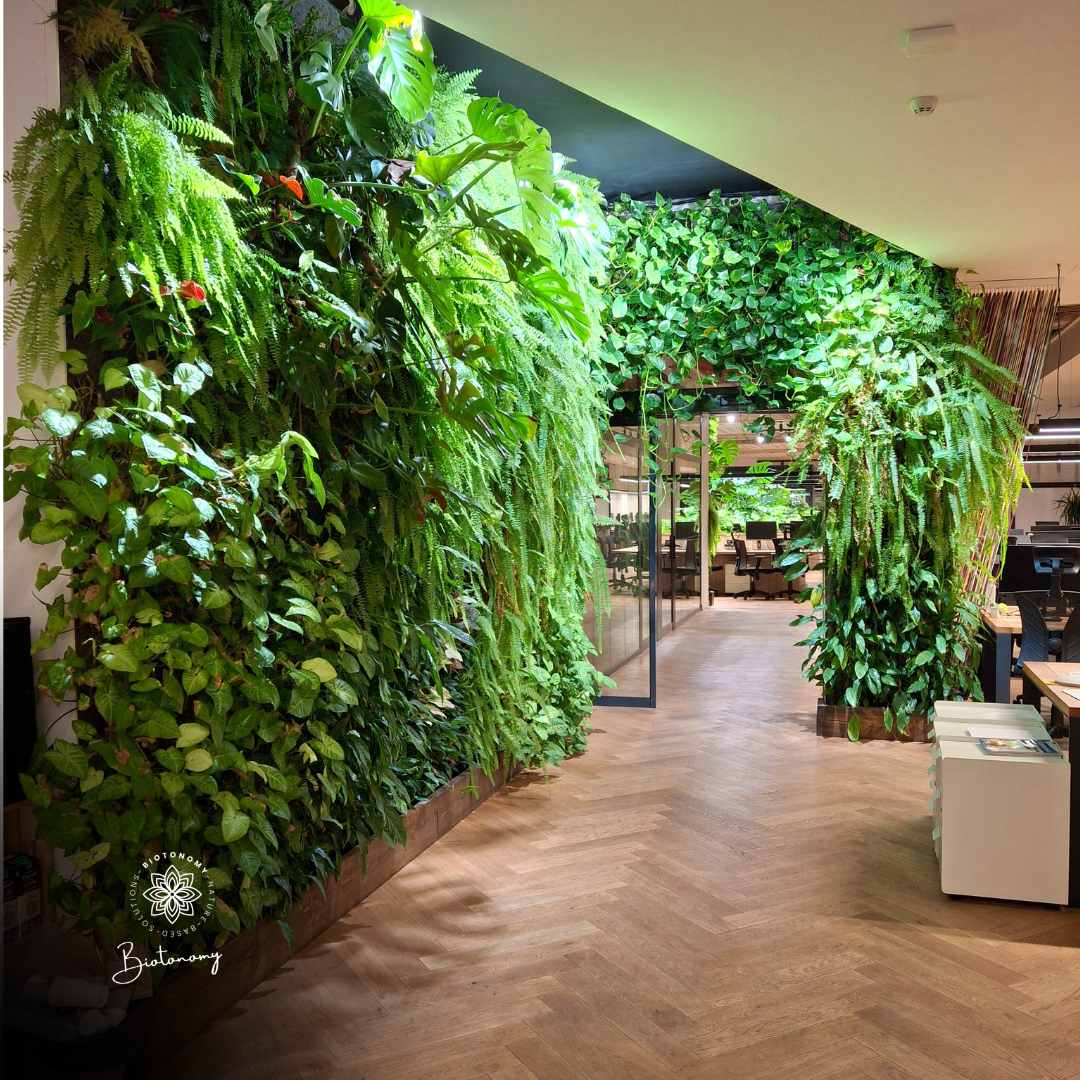
He walked away, travelled widely, learned from grassroots projects around the world, and eventually founded Biotonomy: a company focused on nature-based architecture that treats buildings as living systems rather than machines.
“I was really obsessed about how we are building our buildings, our cities, and really our civilisation.” Moein Nodehi
In this episode of Constructive Voices, Jackie De Burca speaks with Moein about exile, ancient wisdom, modern cities, water, heat, resilience, and why nature may hold many of the answers we’ve forgotten.
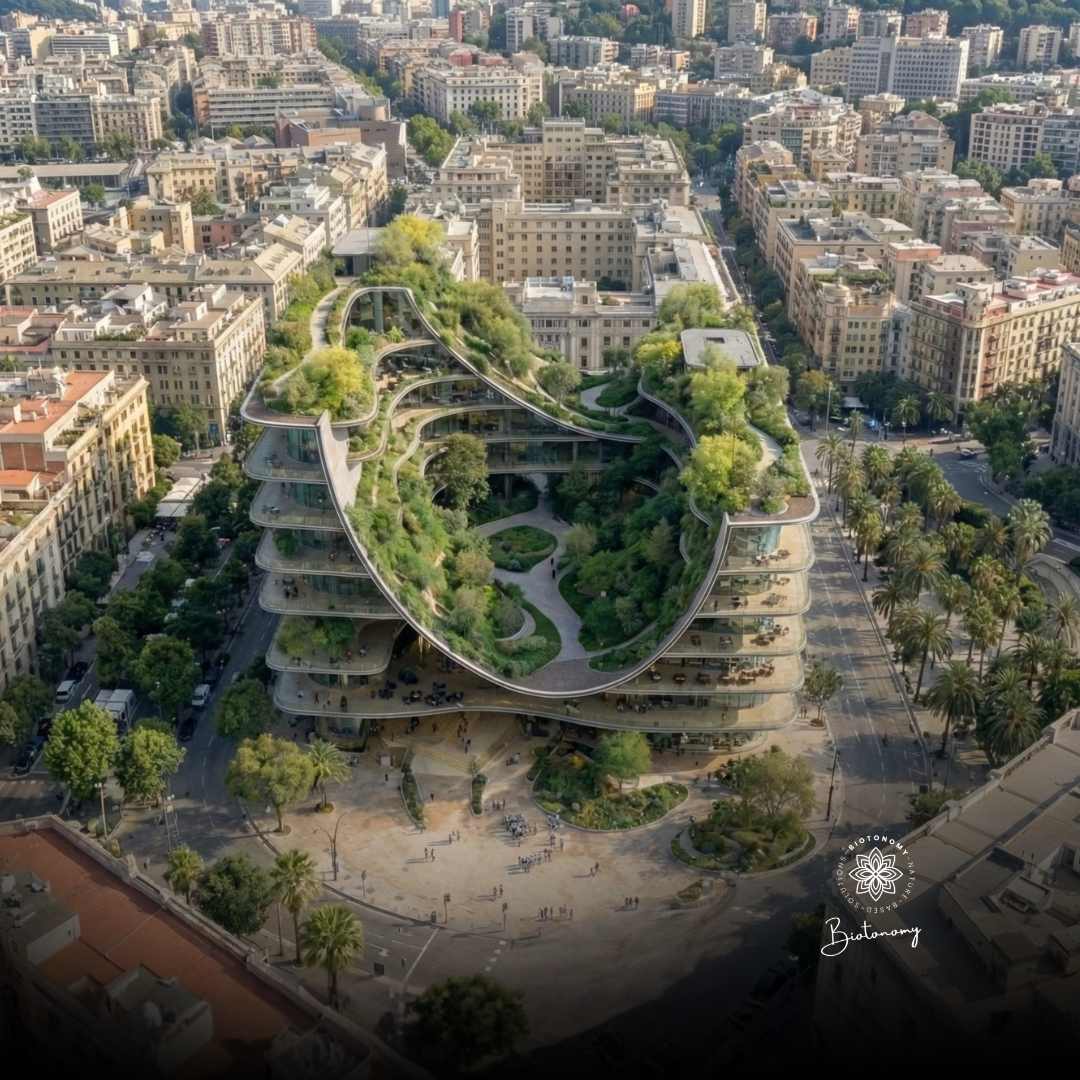
“The design decisions that we take for our cities, for our buildings, have a direct impact on our brain waves and our wellbeing.” Moein Nodehi
In this episode
Jackie and Moein explore how buildings can work with nature rather than against it — and why that shift matters not just for carbon and climate, but for health, wellbeing and the future of cities. They discuss:
- how Moein’s early life between Iran and Sweden shaped his worldview
- why ancient Persian and desert design still offers powerful lessons today
- what he learned from walking away from conventional large-scale construction
- how nature-based architecture can cool buildings, recycle water and reduce dependence on fragile infrastructure
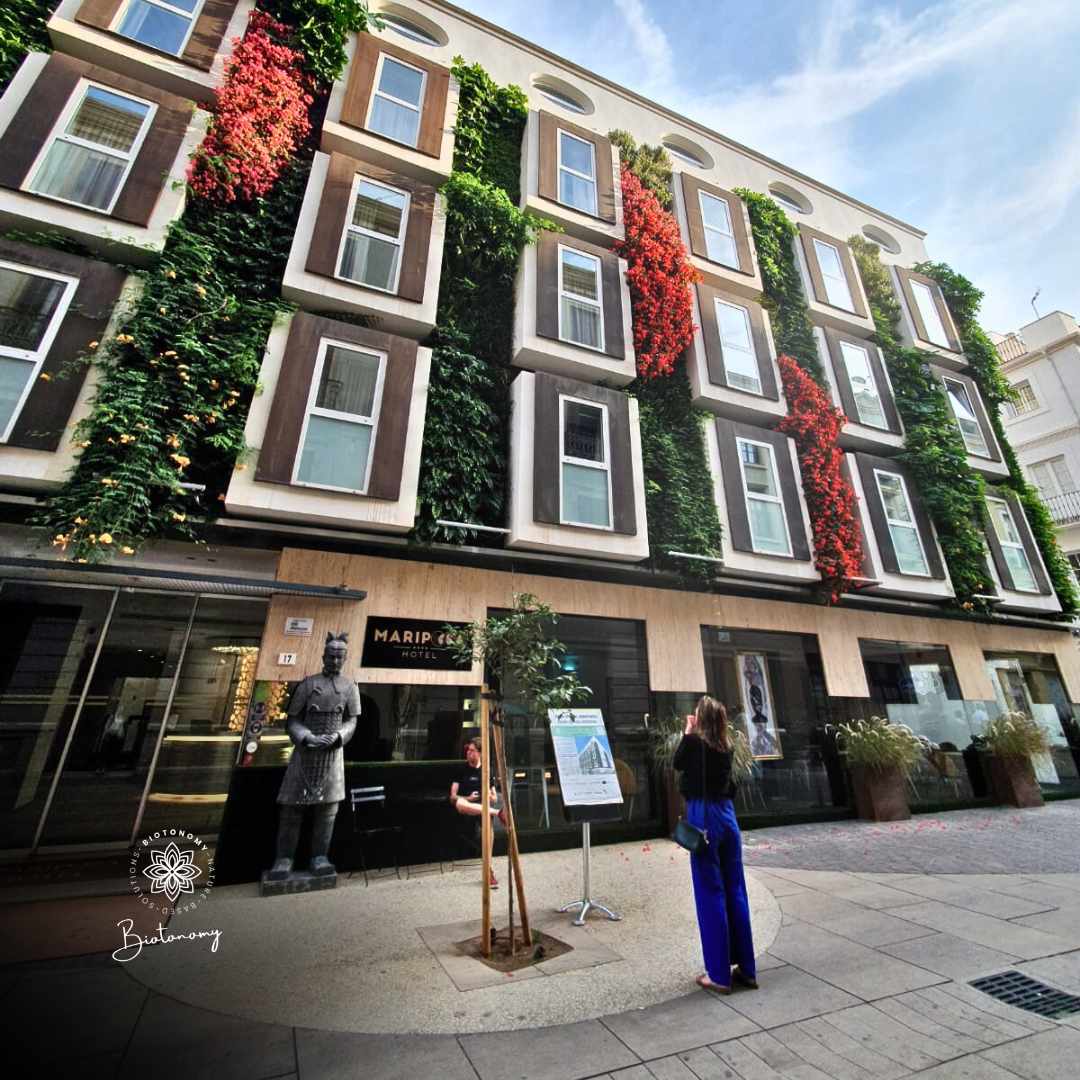
- the success of wastewater-fed green walls in Malaga
- why retrofitting existing buildings is both possible and urgent
- how greener neighbourhoods can improve health, commerce and quality of life
- where AI and robotics may help scale more affordable, nature-based building solutions
“The amount of money you save as a city by investing in making your buildings and your city healthy for people — it’s a no-brainer financially.” Moein Nodehi
Why this conversation matters
This episode is about far more than buildings.
It is about memory, identity, courage and rethinking progress. Moein’s work asks a simple but profound question: what if our homes, hotels, neighbourhoods and cities were designed to behave more like ecosystems — resilient, regenerative, efficient and life-supporting?
Instead of treating water as waste, nature-based systems can clean and reuse it. Instead of fighting heat with ever more energy-hungry cooling systems, buildings can be designed to work with physics, airflow, shade and thermal mass. Instead of lifeless urban walls, buildings can become places that restore biodiversity, support mental wellbeing and even strengthen local economies.
A turning point in construction
One of the most compelling parts of the episode is Moein’s account of leaving behind the prestige and salary of mainstream mega-project construction after seeing practices he felt were deeply at odds with both human dignity and environmental responsibility.
That decision led him into years of hands-on learning across projects in Africa, Asia, the Caribbean and South America, where he encountered local, practical, low-tech and often overlooked solutions. Out of that came Biotonomy’s mission: to bring together nature-based ideas that already work, and adapt them for urban scale.
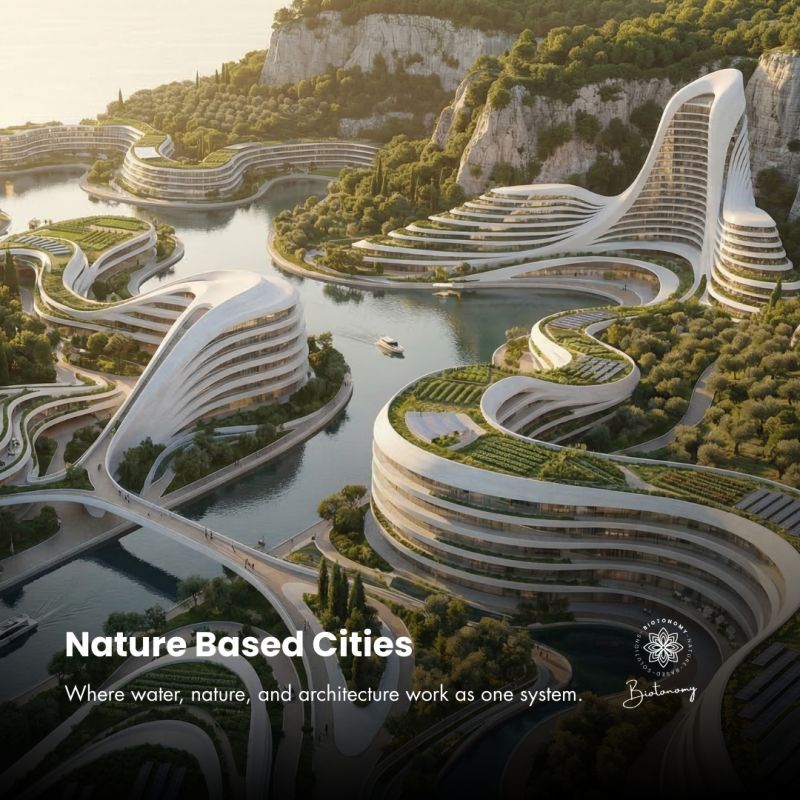
“When you bring nature into the city, that’s what attracts people.” Moein Nodehi
From scepticism to success in Malaga
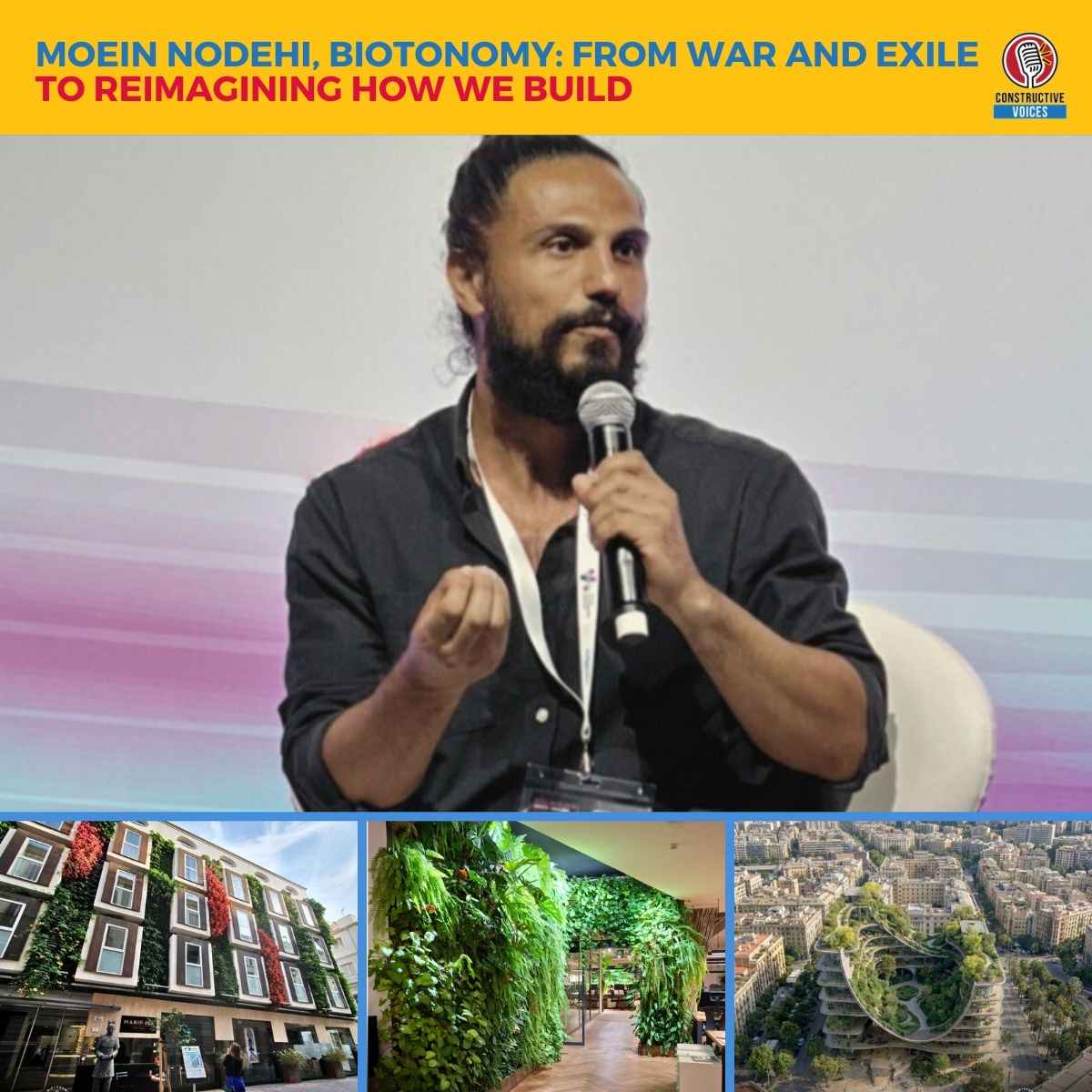
A standout example in the episode is Biotonomy’s work in Malaga, where Moein and his team fought for permission to install a green wall system fed by treated building wastewater.
The idea was initially dismissed. Officials reportedly doubted it would work. But once installed, the project thrived. The plants flourished because the recycled water carried nutrients, and the wall became more than a technical success — it became a social one too. People altered their routes to pass it. It became a meeting point. Nearby businesses saw increased footfall. What began as an experiment became a visible demonstration that greener, more circular urban systems can work in practice.
“We had to fight for the licence… and so many people told us, ‘We’re going to watch you guys fail because this is not going to work.’” Moein Nodehi
Awards and wider impact
Moein also reflects on some of the recognition Biotonomy has received, including an award linked to a humanitarian conflict-resolution project in Lebanon, where people from different backgrounds came together to build and learn practical regenerative design solutions. He also shares how later work in Spain helped shift perceptions and build confidence in what nature-based retrofits can achieve.
A hopeful message
There is a strong sense of possibility running through this conversation.
Moein is not waiting for perfect systems or perfect approval. He argues that cities, policymakers, developers and communities need to be bolder — to stop over-analysing risk to the point of paralysis, and start testing what better could look like.
His message to listeners is equally direct: you do not need to be an expert to get involved. If this way of building resonates with you, start learning, join the conversation, and take part.
Listen to the episode
From fleeing war to rethinking civilisation through design, Moein Nodehi brings a rare mix of lived experience, technical insight and visionary thinking to this episode.
This is a conversation about what buildings could become — and what humanity could become with them.
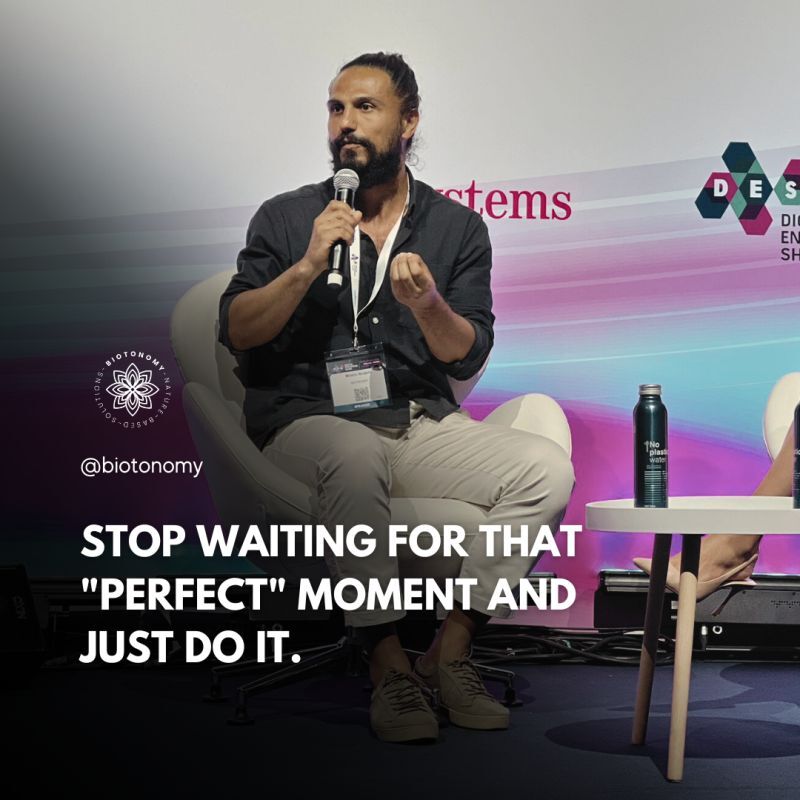
About Moein Nodehi
Moein Nodehi is the founder and CEO of Biotonomy, a leading company in Nature-Based Architecture.
For more than 15 years, he has designed and implemented real projects that integrate living systems directly into the structure of buildings and cities — rethinking how they manage water, climate, and ecology.
His work supports developers and public institutions in creating buildings and cities with circular systems — reducing dependency on external resources while strengthening urban resilience and ecological balance.
He is also co-founder of Circular Living where he is focusing on merging Robotic Construction, Artificial Intelligence and Nature Based Architecture to develop self-sufficient buildings
About Biotonomy
Biotonomy is a global development & education company that applies the principles of Nature Based Solutions, Biomimicry, and Innovative Technology to develop Autonomous buildings, communities and cities.
Our team of experts works to understand how nature solves complex problems, and then applies that knowledge to create innovative solutions creating a healthier and regenerative built environment.
With a strong focus on collaboration & education, we aspire to bring about a world where buildings & cities are not just sustainable, but actively contribute to the restoration of ecosystems.