Copie
Vă rugăm să rețineți că acesta este generat digital și poate conține unele erori.
[00:00:09] Speaker B: This is Jackie De Burca for the Constructive Voices Good News podcast. A short, sharp burst of uplifting stories from the built environment with a dash of biodiversity. Now we’re all about highlighting positive solutions that have the potential to improve our world. Today we feature floating developments, the EU’s proposed nature credit System and and Ecosia’s work in Burkina Faso.
[00:00:33] Vorbitorul A: Suntem la secțiunea Voci Constructive.
[00:00:35] Rutger de Graaf: Unul dintre lucrurile fascinante despre structurile plutitoare este că, de obicei, acestea sunt structuri goale, deoarece trebuie să fie foarte ușoare. Așa că facem, de exemplu, fundații din oțel sau beton sau compozite. Există diferite materiale pe care le putem folosi. Dar adesea, aceste structuri creează mult spațiu.
Și spațiul poate fi utilizat pentru tehnologii descentralizate de tratare a apelor uzate.
Acestea pot fi utilizate pentru tratarea descentralizată a apei potabile. Spațiul din platformele plutitoare poate fi folosit pentru stocarea energiei electrice.
So floating structures by nature, they offer a lot of opportunities to become more self supporting, to become more off grid. We have also done for instance, a floating solar study. Floating solar is a great technology also to have floating energy generation.
We all know about the floating offshore wind. Of course we can also use floating algae and seaweed systems to produce floating biofuels. So floating urban development creates a lot of opportunities to implement decentralized concepts for water and energy.
Și în acest sens, conectarea unui cartier plutitor la țărm printr-un sistem de canalizare nu este necesară.
Deci cred că asta în sine creează o formă de reziliență, deoarece aceste structuri la scară mai mică sunt mai autosuficiente, sunt mai puțin vulnerabile decât rețelele uriașe.
If you have a power blackout or something, it has a big impact. But if neighbourhoods create their own, have their own system, it’s more redundant and more resilient.
Ăsta e un lucru.
Ceea ce am observat, de asemenea, în anii noștri de cercetare în testele bazinelor cu valuri este că structurile plutitoare reduc impactul valurilor asupra coastei.
Așadar, în momentul în care începi să creezi un cartier plutitor în fața coastei, protejezi și coasta de furtuni, de valuri.
Așadar, pe lângă faptul că se adaptează la inundații, ele protejează și continentul de inundații în timpul vremii extreme.
[00:02:31] Vorbitorul A: Suntem la secțiunea Voci Constructive.
[00:02:34] Jackie De Burca: Bruxelles-ul ia măsuri pentru a pune natura în bilanț. În timp ce UE își dezvăluie foaia de parcurs pentru creditele pentru natură, Brian McSherry explică modul în care această abordare bazată pe piață ar putea debloca investițiile private, recompensa oamenii care restaurează ecosistemele și marca un mare pas înainte în ceea ce privește stabilitatea. Urmăriți povestea completă din 9 septembrie pe site-ul Constructive Voices sau în aplicația dvs. de podcast preferată.
[00:02:57] Vorbitorul A: Suntem la secțiunea Voci Constructive.
[00:02:59] Jackie De Burca: Ursula von der Leyen, de exemplu, a fost una dintre persoanele care au scris articole de opinie în mod natural, după aceasta. Și am un citat de la ea aici și cred că este foarte direct și poate fi foarte ușor de înțeles de către o persoană obișnuită. Trebuie să punem natura în bilanț. Exact asta fac creditele pentru natură.
When well designed, they will provide an efficient, market driven instrument that encourages the private sector to invest and innovate. With investment and innovation, we generate revenue for those who work to protect nature.
[00:03:30] Brian MacSharry: Da, adică, cred că evident aș fi de acord cu tot ce tocmai ați spus de la președinte, dar cred că este foarte bine articulat și cred că într-adevăr poziționează ceea ce își propune foaia de parcurs. Și cred, știți, că această includere a naturii în bilanț este ceva despre care mulți oameni vorbesc de ceva vreme.
There’s always been the how. And I think this roadmap is a step in that right direction, a big step, I would say. But for me, statements like that in the op ed I think is very clear. A lot of discussions and it was last September at a conference in Munich, the President said something about this, about nature credits was the first real public discourse about it. And she said something very similar at the time. And for me, when I read this and I listen to those different presentations, it’s very clear what the ambition from the European Union is about. This is put it on the balance sheet, it’s helping and it is really about protecting and restoring and mobilising the market to allow that and put in funding for nature and recognising the importance of nature and how it basically pays for itself. You know, we know nature is the cornerstone of our economy and businesses depend on it. The World Economic Forum, I think in 2020 said half the world’s GDP is moderately highly dependent on biodiversity. The rest of it still is, but maybe to a lower extent. So having any kind of conversation where it connects that business world to the rest of the nature world and the financing I think is to be supported.
[00:04:54] Vorbitorul A: Acestea sunt voci constructive.
[00:04:57] Jackie De Burca: În sfârșit, o poveste despre motorul de căutare Ecosia.
[00:05:00] Vorbitorul A: Suntem la secțiunea Voci Constructive.
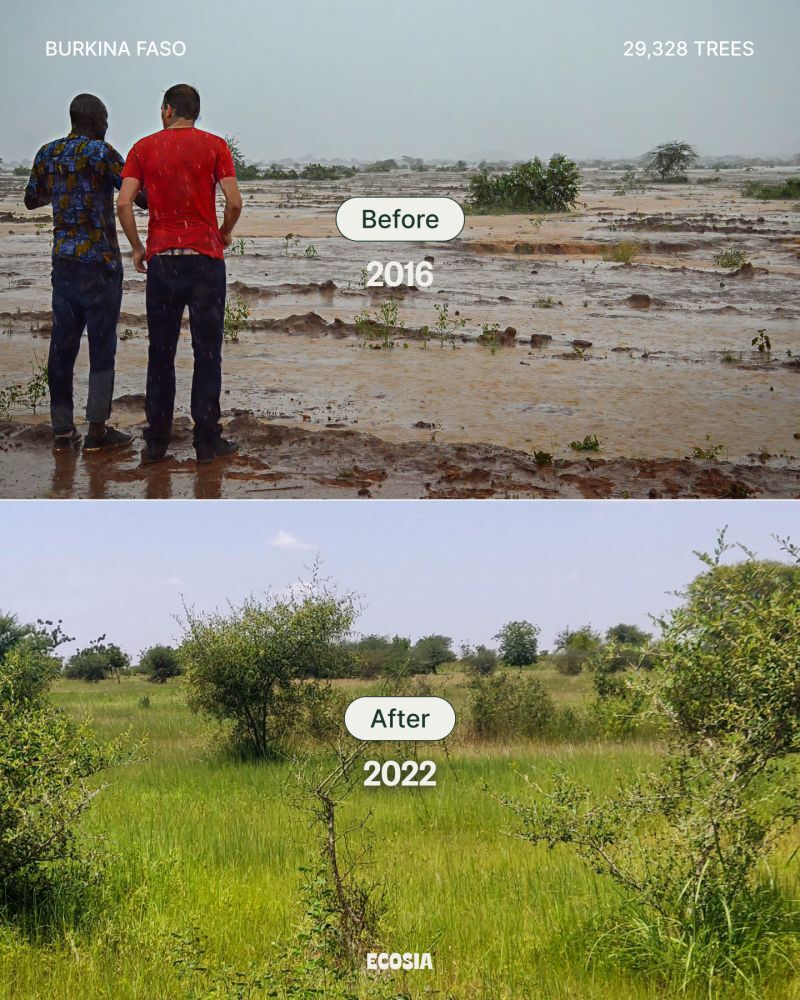
[00:05:03] Vorbitor E: Acum să ne uităm la o parte din munca excelentă pe care o face motorul de căutare Ecosia. În 2016, această savană din Burkina Faso era aproape goală. Așadar, împreună cu partenerii lor Bărbați pe PământEcosia a plantat 29,328 de copaci. Ploaia este sporadică acolo, așa că au folosit semiluni, o tehnică străveche care reține apa în gropi pentru a ajuta copacii tineri să supraviețuiască. Șase ani mai târziu, copacii și pajiștile cresc, solul se refac și fauna sălbatică se întoarce. Când folosești Ecosia, căutările tale ajută la protejarea acestor copaci. Și vor continua să o facă anii următori.