




什麼建築可以增加生物多樣性?
更新於11月2024
你有沒有想過如何 建築可以促進生物多樣性? There is a growing trend in the design industry to create nature-positive buildings that prioritize environmental sustainability and enhance 生物多樣性. Nature-positive architecture considers the ecological impact of buildings and aims to create structures that work in harmony with nature. Here is how architecture increases biodiversity.
Over the years, human activities have caused significant harm to the environment and resulted in a decline in biodiversity. However, through thoughtful design, architecture can help reverse this trend by creating habitats for wildlife, improving air quality, and reducing carbon emissions. In this article, we will explore how architecture can increase biodiversity and foster a healthier and more sustainable environment.

天空電視台校園 亞歷珊卓·史蒂德
了解生物多樣性及其益處
生物多樣性是指地球上生命的變異性, including the variety and variability of all living organisms, including ecosystems, species, and genetic diversity. Biodiversity contributes to a healthy and sustainable environment by providing essential ecosystem services such as air and water purification, nutrient cycling, and climate regulation, all of which are crucial for human well-being.
The benefits of biodiversity in relation to architecture are numerous. Biodiversity-friendly architecture can help create a balance between human-made structures and the natural environment, promoting a sustainable and healthy coexistence. With rapidly expanding urban areas, incorporating biodiversity into architectural design can create habitats for local flora and fauna, increase green spaces, and enhance the aesthetic beauty of urban landscapes.
Architecture can also play a crucial role in preserving and restoring biodiversity in areas affected by habitat loss and fragmentation, such as urban areas. By blending the built environment with green infrastructure, architects can help create a healthier and more sustainable future.
“生物多樣性友善建築有助於在人造結構與自然環境之間建立平衡,促進可持續和健康的共存。”
建築在生物多樣性保育中的作用
Architecture has a crucial role to play in biodiversity conservation. By designing buildings and landscapes that prioritize nature, architects can help to create environments that support and enhance local ecosystems. This can improve biodiversity, which is important for maintaining healthy and sustainable environments.
Biodiversity refers to the variety of life on Earth, including all forms of plants, animals, and microorganisms. It is essential for maintaining the balance of ecosystems and providing humans with resources such as food, fuel, and medicine. By conserving biodiversity, we can help to ensure the long-term health and sustainability of our planet.
Architects can contribute to biodiversity conservation by considering the potential impact of their designs on the local environment. This means designing buildings and landscapes that are sensitive to the needs of local ecosystems and that incorporate features that support wildlife and plant life.
| 支持生物多樣性的建築特徵範例: | 對當地生態系的好處: |
|---|---|
| 綠色屋頂和生活牆 | Provide habitat for plants and insects, reducing urban heat island effect and improving air quality. |
| Wildlife habitats in building design | 為鳥類和蝙蝠創造築巢機會。 |
| 最大限度地利用自然光和通風 | 減少能源消耗並提供更好的室內空氣品質。 |
| Sustainable material choices and construction practices | Reduces waste and carbon footprint. |
建築對當地生態系的影響
建築設計可以對當地生態系統產生重大影響。建築物和景觀可以透過多種方式影響當地環境,包括:
- 自然排水模式的變化
- 鳥類和其他動物遷徙模式的破壞
- Fragmentation of habitats, which can reduce the population of native species
- Increased pollution and greenhouse gas emissions
透過考慮這些因素,建築師可以努力盡量減少其設計對當地生態系統的影響並促進生物多樣性。
Integrating the needs of local ecosystems into architectural design can provide significant benefits for both the environment and human communities. Nature-positive architecture has the potential to create healthier, more sustainable environments that support biodiversity and promote a better quality of life for all. 你也可以找到 如何提供基於城市自然的解決方案 有用。
將生物多樣性納入城市建築
Urban areas often experience a lower level of biodiversity due to the prevalence of hard surfaces and lack of green spaces. However, architecture can play a crucial role in promoting biodiversity in urban environments through nature positive design.
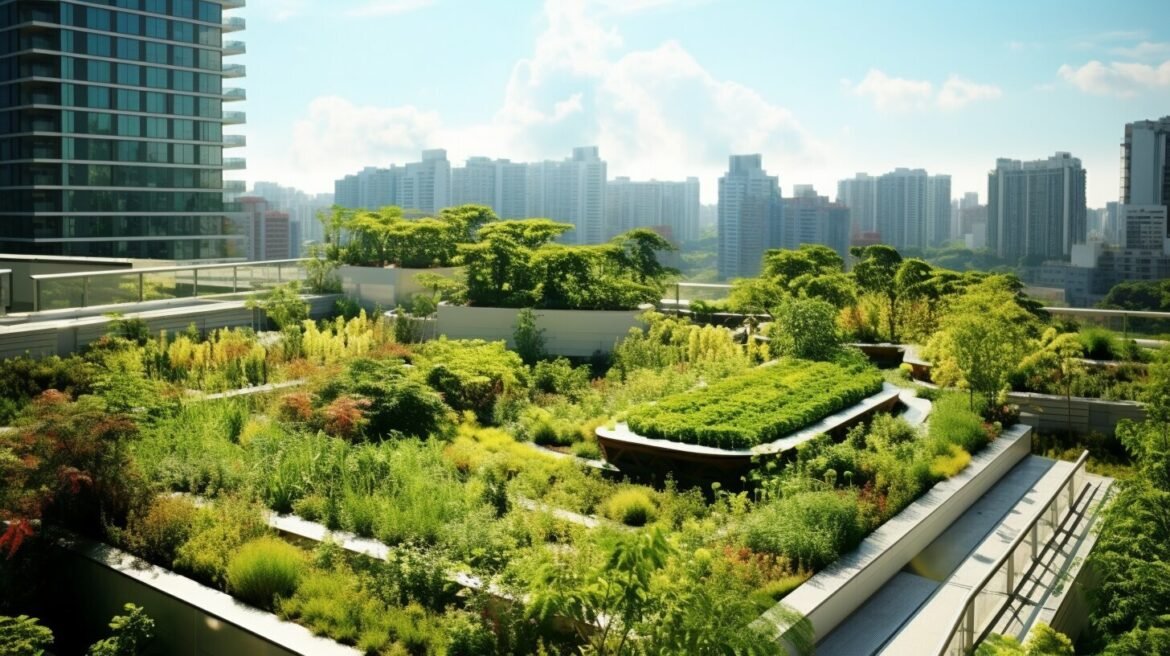
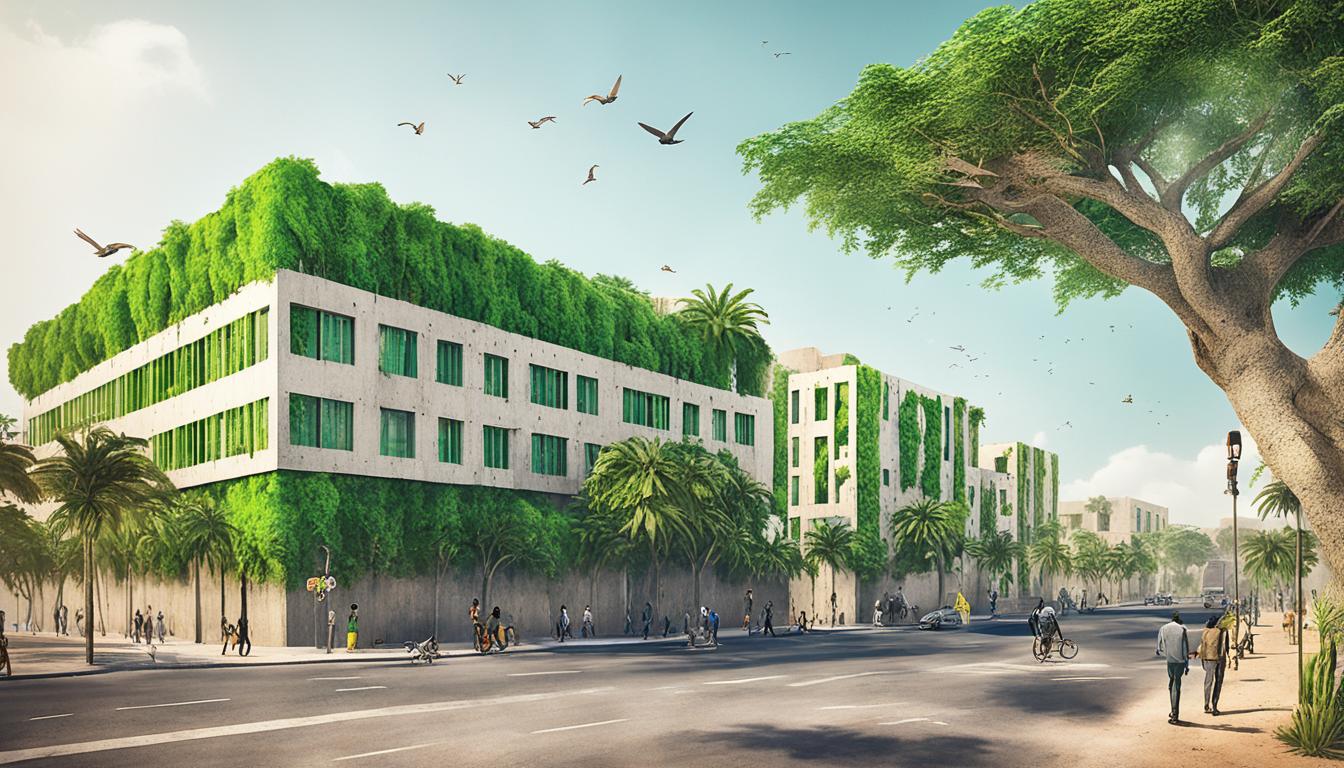
將生物多樣性納入城市建築的有效策略之一是使用綠色屋頂和植物牆。這些特徵為鳥類、昆蟲和其他野生動物提供了重要的棲息地,也為建築居住者帶來了一系列好處,包括改善空氣品質和降低能源成本。綠色屋頂和綠化牆的設計考量包括選擇適合當地環境的植物品種,並確保充足的水和陽光。
促進城市建築生物多樣性的另一個重要方面是將野生動物棲息地納入建築設計中。其中包括鳥舍、蝙蝠箱和其他為當地野生動物提供庇護和築巢機會的設施。例如,將蝙蝠箱納入建築物中可以幫助控制昆蟲數量,減少對合成農藥的需求。
Maximizing natural light and ventilation can also play a role in enhancing biodiversity in urban architecture. By optimizing building designs to take advantage of natural resources, architects can create healthier and more sustainable environments while also promoting biodiversity. For example, incorporating shading devices and orienting buildings to reduce direct sunlight can help to regulate temperatures and reduce energy consumption, while also providing habitat for shade-loving plants and animals.
Sustainable material choices and construction practices are another key element of biodiversity-friendly architecture. Using eco-friendly materials, such as recycled or low-emission products, can help to reduce the environmental impact of a building project. Additionally, minimising waste during construction and implementing sustainable building techniques, such as passive solar heating, can help to create more sustainable and biodiverse environments.
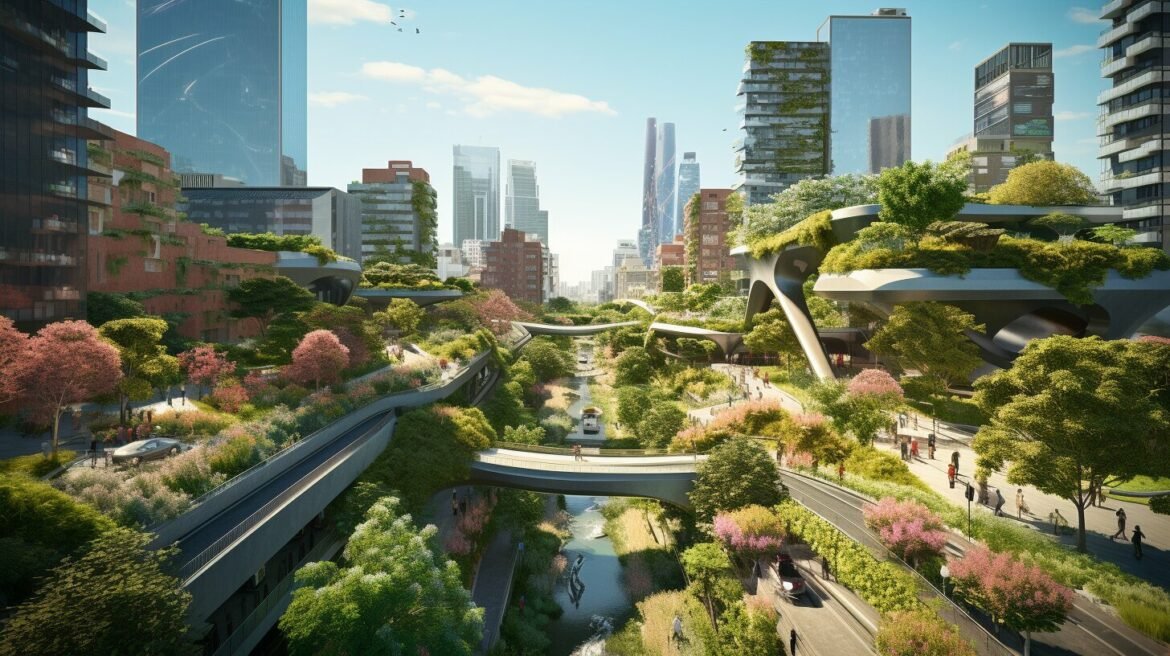
積極自然的城市建築的創新範例
One example of successful nature-positive urban architecture is the Bosco Verticale in Milan, Italy. This unique residential building features over 900 trees and over 2000 plants, creating a vertical forest that promotes biodiversity and reduces air pollution. Another example is the Namba Parks building in Osaka, Japan, which incorporates a series of rooftop gardens and terraces that provide essential habitats for local wildlife.
| 關鍵要點 |
|---|
|
綠色屋頂和植物牆
綠色屋頂和綠牆在現代建築中越來越受歡迎,不僅因為它們的美學吸引力,還因為它們對環境的有益影響。這些功能可以將混凝土叢林般的環境轉變為繁榮的生態系統,增加生物多樣性並改善空氣品質。
屋頂綠化,也稱為屋頂花園,是指在建築物的屋頂上種植植被,打造一個空中迷你公園。它們透過吸收熱量和提供自然隔熱來幫助減少城市熱島效應,從而減少建築物供暖或冷卻所需的能量。它們還可以透過吸收雨水來減少雨水徑流,從而降低洪水風險。
Living walls, or vertical gardens, are another way to incorporate greenery into urban environments. These walls can be made up of a variety of plants, including flowers, ferns and herbs, creating a vertical garden that can improve air quality and offer a habitat for pollinators such as bees and butterflies.
設計和維護綠色屋頂和植物牆需要仔細考慮。土壤深度、保水性和灌溉系統等因素對於這些功能的成功至關重要。選擇適合當地氣候的植物並確保適當的維護以避免洩漏或建築物結構損壞等問題非常重要。
然而,綠色屋頂和綠牆在促進生物多樣性和改善城市環境方面的好處使其成為任何自然積極建築項目的值得投資。
建築在生物多樣性保育中的作用
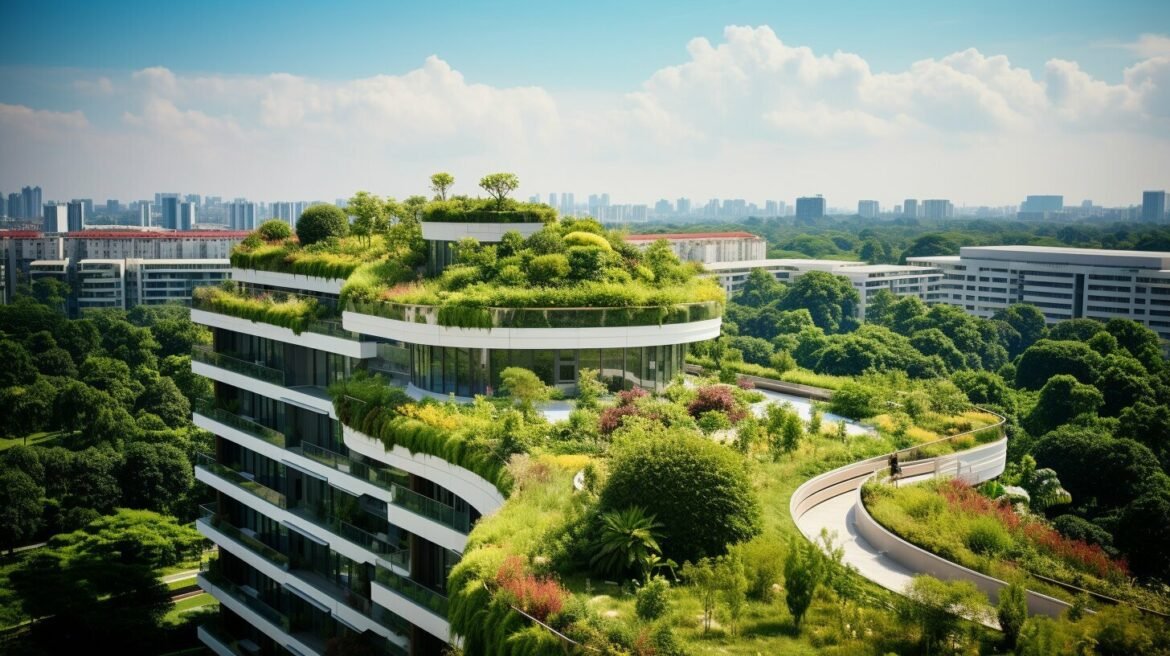
建築在生物多樣性保育中發揮著至關重要的作用。城市和鄉村的建築設計都會對當地生態系統產生重大影響。透過融入支持生物多樣性的元素,建築師可以創造有利於人類和野生動物的可持續和健康的環境。
生物多樣性友善建築的一個重要方面是在建築設計中創造野生動物棲息地。我們採取了創新方法來整合鳥舍、蝙蝠箱和其他支持當地野生動物的設施。例如,總部位於倫敦的 Studio Weave 公司建造了一座建築,該建築採用專門設計的空心磚,鼓勵鳥類在其牆壁上築巢。這個項目被稱為“色彩生態”,有助於增加該市以前貧瘠地區的生物多樣性。
建築支持生物多樣性的另一種方式是最大限度地利用自然光和通風。透過優化建築設計以利用自然資源,建築師可以增強生物多樣性,同時減少能源消耗。這種方法不僅支持當地生態系統,還有助於解決全球環境問題。
| 最大限度地利用自然光和通風的好處 |
|---|
| 減少能源消耗 |
| 增強生物多樣性 |
| 支持全球環境議題 |
Sustainable material choices and construction practices are also important in biodiversity-friendly architecture. The use of recycled materials, minimising waste, and implementing eco-friendly building techniques can significantly reduce the environmental impact of construction projects and support local ecosystems.
將野生動物棲息地融入建築設計
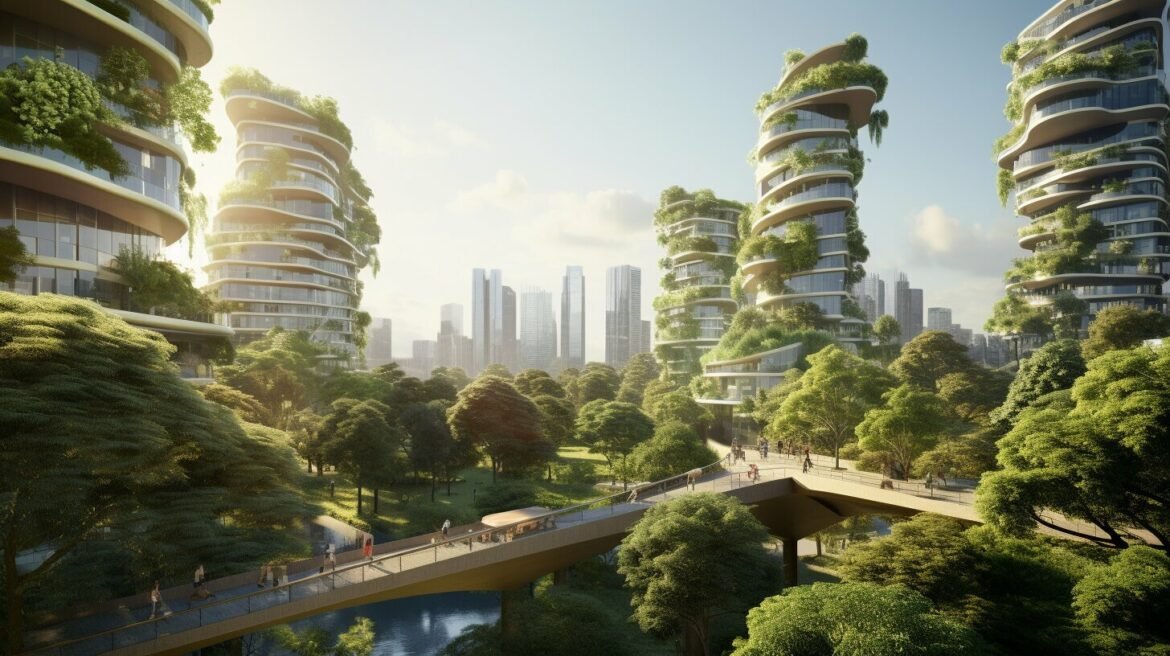
在建築設計中創造野生動物棲息地是增強城市環境生物多樣性的有效策略。建築師可以結合綠色屋頂、植物牆以及鳥類和昆蟲棲息地等功能來支持當地的野生動物。
綠色屋頂在城市地區越來越受歡迎,為人類和野生動物提供了一系列好處。它們有助於減少城市熱島效應、改善空氣品質、提供隔熱作用並為一系列動植物物種創造棲息地。此外,綠色屋頂有助於減少雨水徑流,從而減少污染和洪水風險。
“在建築設計中創建野生動物棲息地是增強城市環境生物多樣性的有效策略。”
植物牆是增強城市地區生物多樣性的另一種有效方法。透過用植被覆蓋建築物的外部,建築師可以為一系列植物和動物物種創造棲息地。植物牆也有助於減少城市熱島效應並改善空氣品質。
建築師還可以將鳥類和昆蟲棲息地納入建築設計中。這些功能包括鳥舍、蝙蝠箱和其他支持當地野生動物的結構。透過在建築設計中創建這些棲息地,建築師可以幫助增強城市地區的生物多樣性並支持健康的生態系統。
- 綠色屋頂為人類和野生動物帶來好處
- 植物牆可以為多種植物和動物物種創造棲息地
- 鳥類和昆蟲棲息地支持當地野生動物並增強生物多樣性
生物多樣性友善建築對於創造永續和健康的環境至關重要。透過融入支持當地生態系統的元素,建築師可以創造出對人類和野生動物都有好處的建築。
最大限度地利用自然光和通風
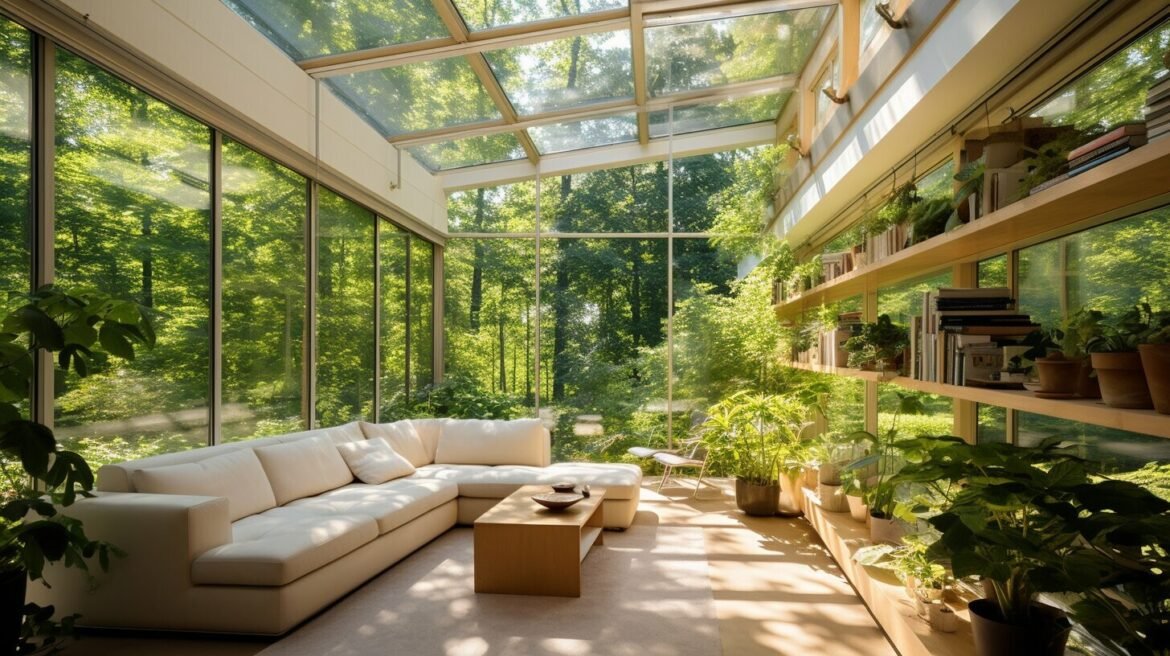
在創建促進生物多樣性的建築時,重要的是要考慮自然光和通風在增強當地生態系統方面所發揮的作用。透過精心設計建築物以最大限度地利用這些自然資源,建築師可以幫助創造不僅更具永續性而且更適合周圍環境的空間。
自然光和通風的好處很多。例如,它們可以透過減少對人工照明和空調的需求來幫助減少能源消耗。反過來,這可以降低碳排放,並為所有人創造一個更永續的未來。此外,自然光和通風可以透過提供新鮮空氣和自然光來幫助改善建築居住者的健康,這已被證明可以提高情緒和生產力。
但建築師如何在促進生物多樣性的同時最大限度地發揮這些效益呢?一種方法是整合天窗、窗戶和通風系統等功能,以便更好地利用自然資源。這在城市環境中尤其有效,因為城市環境中的空間往往非常寶貴,而綠化可能有限。
By prioritizing natural light and ventilation, architects can help to create buildings that are both functional and sustainable, while also enhancing the local ecosystem. Whether you’re designing a new building from scratch or retrofitting an existing structure, it’s important to consider how you can make the most of these natural resources.
永續材料選擇與施工實踐
Aside from creating beautiful and functional spaces, architecture has a significant impact on the environment. The construction and operation of buildings account for a significant portion of global greenhouse gas emissions. Therefore, it’s essential to use sustainable materials and construction practices to mitigate the environmental impact of architecture while promoting biodiversity.
在規劃生物多樣性友善專案時,建築師應考慮低能源材料、可回收或生物基建築材料和產品。
Using recycled materials and minimizing waste can also reduce a project’s environmental impact. By reusing building materials, architects can reduce the amount of waste that goes to landfills. Choosing locally available, renewable materials also reduces transportation costs, energy consumption, and greenhouse gas emissions.
施工過程對於永續發展也至關重要。被動式太陽能設計等環保建築技術可以減少能源消耗,而綠色屋頂和牆壁可以減少城市熱島效應並改善空氣品質。
透過優先考慮永續材料選擇和施工實踐,建築師可以創建促進生物多樣性的項目,同時最大限度地減少對環境的危害。
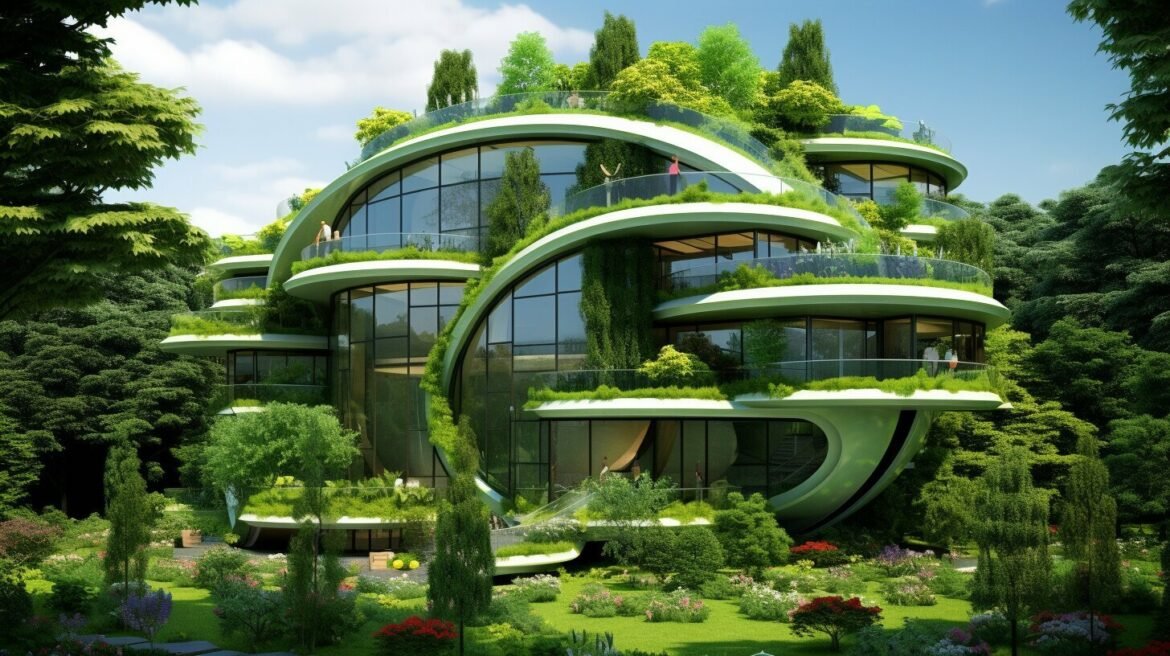
納入永續的材料選擇和施工實踐對於促進建築中的生物多樣性至關重要。
社區參與在生物多樣性保育中的作用
Community involvement is crucial to the success of biodiversity-friendly architectural projects. Engaging local communities in the planning and development process can create a sense of ownership and responsibility for the sustainable development of their surroundings. By raising awareness of the importance of biodiversity and involving residents in decision-making, architects can foster a sense of pride and respect for the natural environment.
There are many ways to engage communities in biodiversity conservation efforts. Holding public consultations and workshops can provide a platform for residents to voice their concerns and ideas, as well as learn more about the project. This can help to build trust and positive relationships between architects, developers and the community.
建築師還可以讓當地學校和教育機構參與生物多樣性友善計畫。透過將教育元素融入設計中,建築師可以創造學習機會並激勵子孫後代重視和保護環境。
此外,建築師可以與當地非政府組織和保護團體合作,以確保專案的長期可持續性。這些夥伴關係可以為生物多樣性友善計畫提供寶貴的專業知識、資源和資金,並有助於在社區內建立支持和動力。
讓當地社區參與生物多樣性友善建築可以帶來更成功和永續的專案。透過讓居民參與規劃和開發過程,建築師可以創造對自然環境的主人翁意識和責任感,並培養生物多樣性保育文化。
Alexandra Steed URBAN 建築增加生物多樣性
Alexandra Steed is a distinguished landscape architect and founder of URBAN, a London-based practice dedicated to creating spaces that harmonise the human experience with the natural environment. Her work emphasises sustainability, biodiversity, and the transformative power of landscapes. Below is an overview of some of her notable projects:
1. SEEPark探路者一期
該計畫重新構想了泰晤士中部沼澤地的景觀,創建了一個 14.7 公里的道路網絡,連接煤豪堡和濱海利等主要目的地。該設計的重點是增強生物多樣性、自然緩解洪水以及利用 可持續建設 材料,同時最大限度地減少對當地野生動物的破壞。
來源:“SEEPark 泰晤士中部沼澤地探路者一期。”亞歷山德拉斯蒂德城市。取自 alexandrasteedurban.com.
2. SKY BiBB 廣場和 Grant Way
Located in London, this project involves transforming the central plaza and avenue of the SKY TV campus. The design enhances pedestrian comfort and safety, increases green spaces by approximately 2,000 square meters with the addition of 79 new trees, and creates a central campus destination that fosters connectivity and community engagement.

來源:“SKY BiBB廣場01期。”亞歷山德拉斯蒂德城市。取自 alexandrasteedurban.com.
3. SKY溫室和蜂箱
該計畫融入了 SKY 園區現有的豐富植被,透過為傳粉媒介提供棲息地和在場地內種植植物的苗圃空間來支持當地的生物多樣性。它還為 SKY 員工在工作日提供休息和激發靈感的空間。
來源:“天空溫室和蜂箱。”亞歷山德拉斯蒂德城市。取自 alexandrasteedurban.com.
4. 埃爾奧拉框架計畫與指南
In Saudi Arabia, this comprehensive plan covers 25 million hectares and aims to transform AlUla into a premier destination for nature, culture, and heritage. The framework emphasises sustainable development, biodiversity enhancement, and the protection of the region’s unique geological and cultural features.

來源:“埃爾奧拉框架計劃和指南。”亞歷山德拉斯蒂德城市。取自 alexandrasteedurban.com.
5. 皇家公園框架
Focusing on Hyde Park in London, this project proposes proactive improvements to address climate change and biodiversity challenges. The design includes ecological interventions and master planning to enhance habitat diversity while accommodating increasing visitor numbers and various uses.
來源:“皇家公園框架競賽。”亞歷山德拉斯蒂德城市。取自 alexandrasteedurban.com.
關於生物多樣性友善建築的常見問題
以下是與生物多樣性友善建築相關的一些常見問題和擔憂。
什麼是生物多樣性?
生物多樣性是指棲息在特定生態系中的生物的多樣性。它包括物種的數量、它們的遺傳變異以及它們棲息的不同生態系統。生物多樣性對於生態系統功能至關重要,並為人類福祉提供重要益處。
什麼是生物多樣性友善建築?
生物多樣性友善建築是一種優先考慮將自然元素和生態系統融入建築環境的建築設計方法。它旨在增強生物多樣性,促進永續發展,並提高人類和野生動物的生活品質。
生物多樣性友善建築有哪些好處?
生物多樣性友善建築有很多好處。它可以幫助改善空氣和水質、調節溫度、減少能源消耗、增加財產價值,並提供戶外休閒和教育的機會。生物多樣性友善建築還可以創造一種地方感和與當地生態系統的聯繫,培養社區意識和對環境的責任感。
建築師如何將生物多樣性融入他們的設計中?
建築師可以透過多種方式將生物多樣性納入他們的設計中。例如,他們可以在建築景觀中使用本土植物和植被,將野生動物棲息地納入建築設計中,並最大限度地利用自然光和通風以減少能源消耗。建築師還可以使用永續材料和施工實踐來盡量減少對環境的影響。
有哪些成功的生物多樣性友善建築計畫的例子?
Some notable examples of successful biodiversity-friendly architecture projects include the Bosco Verticale in Milan, Italy, which features vertical forests that provide habitat for birds and insects. The Nk’Mip Desert Cultural Centre in British Columbia, Canada, uses 可持續建築材料 並將沙漠棲息地納入建築設計中。英國倫敦自然歷史博物館的屋頂設有綠色屋頂,為鳥類和昆蟲提供棲息地,同時減少建築的能源消耗。
社區如何透過建築參與生物多樣性保育?
Communities can get involved in biodiversity conservation through architecture by participating in community engagement initiatives, such as public consultations, workshops, and design charrettes. They can also work with architects and designers to identify ways to integrate biodiversity into their built environment and advocate for sustainable development practices that prioritize the conservation of natural resources.
與生物多樣性友善建築相關的挑戰有哪些?
Some challenges associated with biodiversity-friendly architecture include the need for specialized knowledge and skills, the limited availability of appropriate materials and technologies, and the higher initial costs of designing and constructing these buildings. Additionally, there may be regulatory barriers, such as zoning laws, that limit the implementation of biodiversity-friendly design strategies.
我如何了解有關生物多樣性友善建築的更多資訊?
There are many resources available to learn more about biodiversity-friendly architecture, including books, websites, and professional organizations. Some notable resources include the International Living Future Institute, the Biophilic Cities Project, and the Sustainable Sites Initiative.




10 個在建築環境生物多樣性方面領先的城市
3年前[...]什麼建築物可以增加生物多樣性? […]
如何提供基於自然的城市解決方案
3年前[...]什麼建築物可以增加生物多樣性? […]
多元化設計:建築師如何增強生物多樣性 - 從建設性聲音中學習
2年前[...] https://constructive-voices.com/what-architecture-increases-biodiversity/ [...]
受自然啟發的建築:促進城市環境中的生物多樣性
2年前[...] https://constructive-voices.com/what-architecture-increases-biodiversity/ [...]
生態建築師:透過永續設計促進生物多樣性 - 從建設性聲音中學習
2年前[...] https://constructive-voices.com/what-architecture-increases-biodiversity/ [...]
綠建築蓬勃發展:將生物多樣性融入建築設計
2年前[...] https://constructive-voices.com/what-architecture-increases-biodiversity/ [...]
野生動物的屋頂景觀:促進生物多樣性的建築創新 - 學習建設性的聲音
2年前[...] https://constructive-voices.com/what-architecture-increases-biodiversity/ [...]
設計棲息地:建築師對生物多樣性保育的貢獻
2年前[...] https://constructive-voices.com/what-architecture-increases-biodiversity/ [...]
生命建築:設計與生物多樣性共存的建築
2年前[...] https://constructive-voices.com/what-architecture-increases-biodiversity/ [...]
棲息地的和諧:建築師的生物多樣性復育策略 - 學習建設性的聲音
2年前[...] https://constructive-voices.com/what-architecture-increases-biodiversity/ [...]
生物多樣性建構:生態復原力的建築解決方案
2年前[...] https://constructive-voices.com/what-architecture-increases-biodiversity/ [...]
肯亞生物多樣性:動植物物種以及受到威脅的物種
2年前[...]以其豐富的生物多樣性而聞名,擁有多種動植物物種。從雄偉的非洲像到[...]
吉爾吉斯生物多樣性:動植物物種以及受到威脅的物種
2年前[...]是一個生物多樣性豐富的國家,擁有種類繁多的動植物物種。然而,這種生態多樣性正面臨著[...]
巴西生物多樣性與建築環境
2年前[...]以其令人難以置信的生物多樣性而聞名,擁有多樣化的陣列[...]
西班牙自然聖地與生物多樣性
2年前[...]保護生態多樣性?這些遺址因其對生物多樣性保護和文化傳統的貢獻而得到認可,使西班牙成為獨特的自然和精神中心[...]
神經永續性:設計大腦能夠蓬勃發展的場所-建設性之聲
5個月前[…] 這部關於神經永續性、神經科學和建築的迷你劇第二集,展開了一場既緊迫又出人意料的對話 […]