抄本
請注意,這是數位產生的,可能包含一些錯誤。
[00:00:09] Speaker B: This is Jackie De Burca for the Constructive Voices Good News podcast. A short, sharp burst of uplifting stories from the built environment with a dash of biodiversity. Now we’re all about highlighting positive solutions that have the potential to improve our world. Today we feature floating developments, the EU’s proposed nature credit System and and Ecosia’s work in Burkina Faso.
[00:00:33] 講者 A:這是建設性的聲音。
[00:00:35] 魯特格爾·德·格拉夫:浮動結構的一大魅力在於,它們通常是空心結構,因為它們必須非常輕。因此,我們會製作例如鋼或混凝土基礎或複合材料。我們可以使用不同的材料。但這些結構通常會創造出很大的空間。
此空間可用於分散式廢水處理技術。
它們可用於分散式飲用水處理。浮動平台的空間可用於儲存電力。
So floating structures by nature, they offer a lot of opportunities to become more self supporting, to become more off grid. We have also done for instance, a floating solar study. Floating solar is a great technology also to have floating energy generation.
We all know about the floating offshore wind. Of course we can also use floating algae and seaweed systems to produce floating biofuels. So floating urban development creates a lot of opportunities to implement decentralized concepts for water and energy.
從這個意義上來說,用下水道系統將漂浮社區與海岸連接起來是沒有必要的。
所以我認為這本身就創造了一種彈性,因為這些小規模的結構更能自我支撐,它們比龐大的電網更不容易受到攻擊。
If you have a power blackout or something, it has a big impact. But if neighbourhoods create their own, have their own system, it’s more redundant and more resilient.
那是一回事。
透過多年波浪水池試驗研究,我們也發現浮動結構可以減少波浪對海岸的影響。
因此,當你開始在海岸前創建一個浮動社區時,你也在保護海岸免受風暴和海浪的侵襲。
因此,它們除了自身能夠適應洪水之外,還能在極端天氣下保護大陸免受洪水侵襲。
[00:02:31] 講者 A:這是建設性的聲音。
[00:02:34] Jackie De Burca:布魯塞爾正在著手將自然納入平衡表。歐盟公佈了其自然信用額度路線圖。 Brian McSherry 解釋了這種市場驅動的方法如何釋放私人投資,獎勵那些致力於恢復生態系統的人們,並標誌著在穩定方面邁出了一大步。從9月XNUMX日起,您可以在「建設性的聲音」網站或您最喜歡的播客應用程式上深入了解完整內容。
[00:02:57] 講者 A:這是建設性的聲音。
[00:02:59] Jackie De Burca:例如,烏爾蘇拉·馮德萊恩(Ursula von der Leyen)就是在這次事件之後自然而然地發表專欄文章的人之一。我在這裡引用了她的一句話,我覺得它非常直白,普通人很容易理解。我們必須把自然納入資產負債表。這正是自然信用的作用所在。
When well designed, they will provide an efficient, market driven instrument that encourages the private sector to invest and innovate. With investment and innovation, we generate revenue for those who work to protect nature.
[00:03:30] Brian MacSharry:是的,我的意思是,我當然同意總統剛才所說的一切,但我認為他的闡述非常清晰,而且確實明確了路線圖的目標。而且,將自然納入平衡表是許多人最近一直在討論的事情。
There’s always been the how. And I think this roadmap is a step in that right direction, a big step, I would say. But for me, statements like that in the op ed I think is very clear. A lot of discussions and it was last September at a conference in Munich, the President said something about this, about nature credits was the first real public discourse about it. And she said something very similar at the time. And for me, when I read this and I listen to those different presentations, it’s very clear what the ambition from the European Union is about. This is put it on the balance sheet, it’s helping and it is really about protecting and restoring and mobilising the market to allow that and put in funding for nature and recognising the importance of nature and how it basically pays for itself. You know, we know nature is the cornerstone of our economy and businesses depend on it. The World Economic Forum, I think in 2020 said half the world’s GDP is moderately highly dependent on biodiversity. The rest of it still is, but maybe to a lower extent. So having any kind of conversation where it connects that business world to the rest of the nature world and the financing I think is to be supported.
[00:04:54] 講者 A:這是建設性的聲音。
[00:04:57] Jackie De Burca:最後,講一個關於搜尋引擎 Ecosia 的故事。
[00:05:00] 講者 A:這是建設性的聲音。
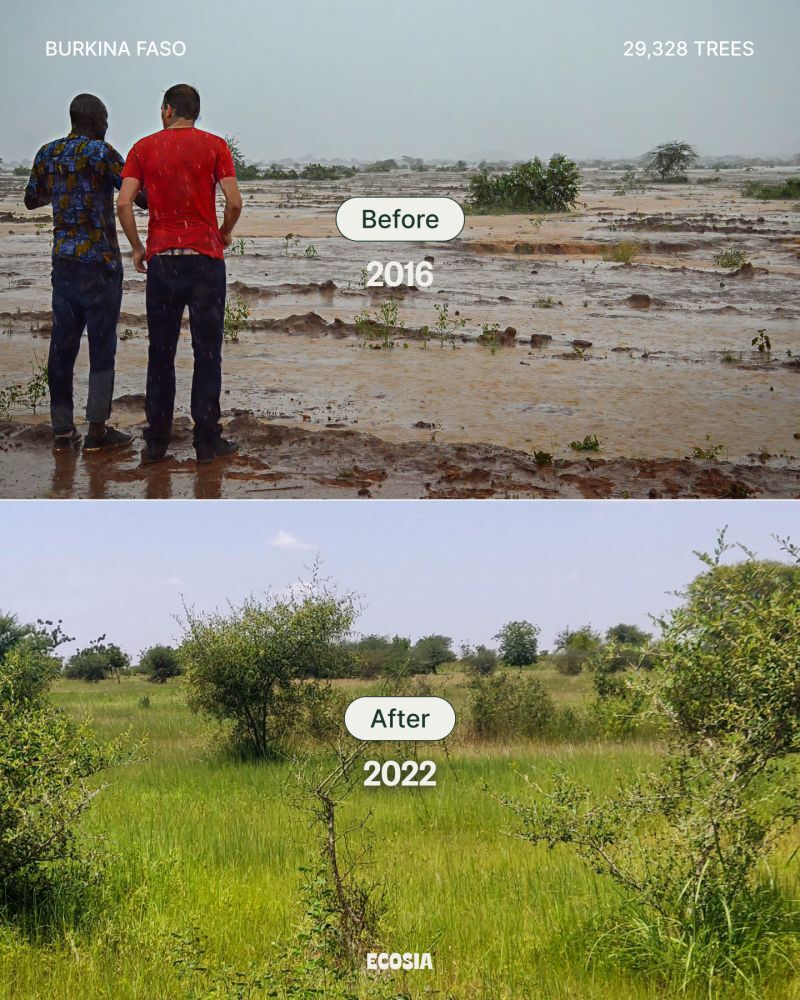
[00:05:03] 發言人 E:現在讓我們來回顧一下搜尋引擎 Ecosia 正在做的一些偉大的工作。 2016 年,我們布吉納法索的這片大草原幾乎荒蕪。因此,他們和合作夥伴 大地之人Ecosia 種植了 29,328 棵樹。由於當地降雨稀少,他們採用了半月形種植法,這是一種古老的技術,將水儲存在坑中,以幫助幼樹存活。六年後,樹木和草地正在生長,土壤正在恢復,野生動物也正在回歸。當您使用 Ecosia 時,您的搜尋正在幫助保護這些樹木。而且,在未來的歲月裡,他們將繼續這樣做。