



面向未來的設計:探索彈性架構的原則
Welcome to our article on resilient architecture, a design approach that has become increasingly important in the face of climate change. Resilient architecture aims to create structures that can withstand natural disasters, adapt to changing environmental conditions, and minimize their impact on the planet.
At its core, resilient architecture is about creating buildings that are durable, flexible, and resource-efficient. In this article, we will explore the principles that guide resilient architecture design, discuss the importance of sustainable building practices, and highlight real-life examples of resilient architecture in action.
關鍵要點:
- 彈性建築是一種設計方法,旨在創建能夠抵禦自然災害並適應不斷變化的環境條件的結構。
- 彈性架構的原則包括穩健性、冗餘性、靈活性和資源效率。
- Sustainable building practices, such as the use of resilient building materials and energy-efficient systems, are essential for creating resilient and environmentally friendly structures.
- Resilient architecture can also be enhanced by integrating resilient infrastructure and sustainable urban planning principles.
- 彈性架構的現實範例展示了這些原則如何在各種環境中成功實施。
了解彈性架構
彈性建築是一種設計方法,旨在創建能夠適應不斷變化的環境條件(包括極端天氣事件和氣候變遷)的建築。透過將抗災原則融入建築中,設計師可以創造出能夠更好地抵禦自然災害和其他外部衝擊影響的結構。
近年來,隨著氣候變遷的影響變得更加明顯,對彈性建築的需求變得越來越迫切。海平面上升、更強烈的風暴和更長的乾旱時間只是未來幾十年建築和基礎設施必須面臨的挑戰的幾個例子。
彈性建築是一種整體方法,考慮了建築設計的各個方面,從使用的材料到建築的建造方式。透過設計堅固、冗餘、靈活和資源高效的結構,建築師可以創造出能夠承受未來預期和意外挑戰的建築。
詳細了解彈性架構
Resilient architecture is a multidisciplinary field that draws on a range of disciplines, including engineering, architecture, urban planning, and environmental science. It is an approach that recognizes the interconnectedness of the built environment and its impact on the natural environment, and seeks to create structures that are both sustainable and adaptable.
彈性建築的關鍵原則之一是適應氣候變遷。了解氣候變遷對特定地區可能產生的影響對於設計能夠承受這些影響的建築至關重要。這包括設計能夠應對更頻繁和惡劣天氣事件的結構,以及能夠承受溫度和降水長期變化的結構。
彈性架構的另一個重要原則是架構中的災難復原能力。這包括將建築物設計得更堅固,能夠抵抗自然災害的破壞,並確保建築物在災難發生時能夠正常運作。例如,在停電或其他緊急情況下能夠繼續提供住所、水和電力的建築物被認為具有抗災能力。
最終,彈性建築的目標是創造可持續、適應性強且能夠承受未來挑戰的建築。透過將建築中的抗災原則和適應氣候變遷的原則納入建築設計中,建築師可以幫助創建更能滿足人類和環境需求的結構。
彈性架構的基本原則
彈性建築是創造耐用、適應性強和永續的結構。透過遵循一系列基本原則,建築師和建築商可以建造能夠承受氣候變遷和其他環境威脅所帶來的挑戰的建築。以下是指導彈性架構設計的一些關鍵原則:
| 原則 | 產品說明 |
|---|---|
| 穩健性 | Buildings should be designed to withstand severe weather events, such as hurricanes, earthquakes, and floods. This means using strong materials and construction techniques that can resist the forces of nature. |
| 冗餘 | 建築物應配備備用系統,以確保暖氣和冷氣、照明和供水等基本功能在斷電或其他中斷期間保持運作。 |
| 靈活性 | 建築物的設計應適應隨著時間的推移而不斷變化的需求和要求。這意味著使用模組化施工技術,可以輕鬆地重新配置和重新利用空間。 |
| 資源效率 | Buildings should be designed to use resources, such as energy and water, as efficiently as possible. This means using sustainable building materials, such as recycled steel and concrete, and incorporating energy-efficient practices, such as passive heating and cooling and renewable energy systems. |
By following these principles, architecture professionals can create buildings that are not only resilient to environmental threats, but also sustainable and adaptable to changing requirements over time. These principles are not only relevant for new buildings, but can also be applied to retrofit existing structures to make them more resilient and sustainable.

永續建築抗災設計
永續建築設計是創造能夠抵禦氣候變遷挑戰的彈性結構的一個重要面向。使用彈性建築材料和節能實踐不僅可以最大限度地減少對環境的影響,還有助於提高建築物的耐用性和長期適應性。
彈性架構的關鍵原則之一是盡量減少不可再生資源的使用並減少浪費。這可以透過使用永續建築材料(例如再生鋼材和混凝土)以及整合再生能源系統(例如太陽能電池板和風力渦輪機)來實現。
In addition to reducing the environmental impact of buildings, 可持續設計 features also enhance their resilience to natural disasters. For example, green roofs provide insulation and reduce stormwater runoff, while passive heating and cooling systems reduce energy consumption and provide backup heating during power outages.
總體而言,永續建築設計在創造能夠抵禦氣候變遷挑戰的彈性結構方面發揮著至關重要的作用。透過最大限度地減少建築物對環境的影響並促進可再生資源的使用,我們可以確保建築環境的長期適應性和耐久性。
整合彈性基礎設施
納入彈性基礎設施對於創建能夠抵禦氣候變遷帶來的挑戰的建築至關重要。為了實現這一目標,建築物必須以低碳足跡運行,特別是在能源和水消耗方面。此外,它們的建造材料必須能夠抵禦地震、颶風和洪水等自然災害。此類基礎設施不僅應支持建築物本身,還應支持其周圍的社區,使當地能夠在面對不斷變化的環境條件時保持彈性。
彈性基礎設施的設計必須以減輕氣候變遷的影響為目標。使用太陽能、風能以及地熱供暖和製冷系統等再生能源是這項努力的關鍵部分。此外,實施創新的水管理系統,如現場水處理設施和雨水收集,可以幫助保護水資源並減輕城市基礎設施的壓力。
| 彈性基礎設施 | 產品說明 |
|---|---|
| 可再生能源系統 | Integration of renewable energy sources to reduce carbon footprint and mitigate climate change impact. |
| 水管理系統 | 實施創新的水管理系統,以節省水資源並減輕城市基礎設施的壓力。 |
| 綠色交通系統 | 整合公共交通系統並促進步行和騎自行車,以減少碳排放並改善空氣品質。 |
彈性基礎設施還包括發展綠色交通系統,包括精心規劃的公共交通系統以及在城市和地區推廣自行車和步行。這可以減少交通的碳足跡並改善城市地區的整體空氣品質。
將彈性基礎設施融入建築設計是創造永續建築和社區的重要一步。因此,建築師必須跟上設計和技術的最新發展,以確保他們將最具彈性的基礎設施實踐融入他們的專案中。
綠建築實踐的作用
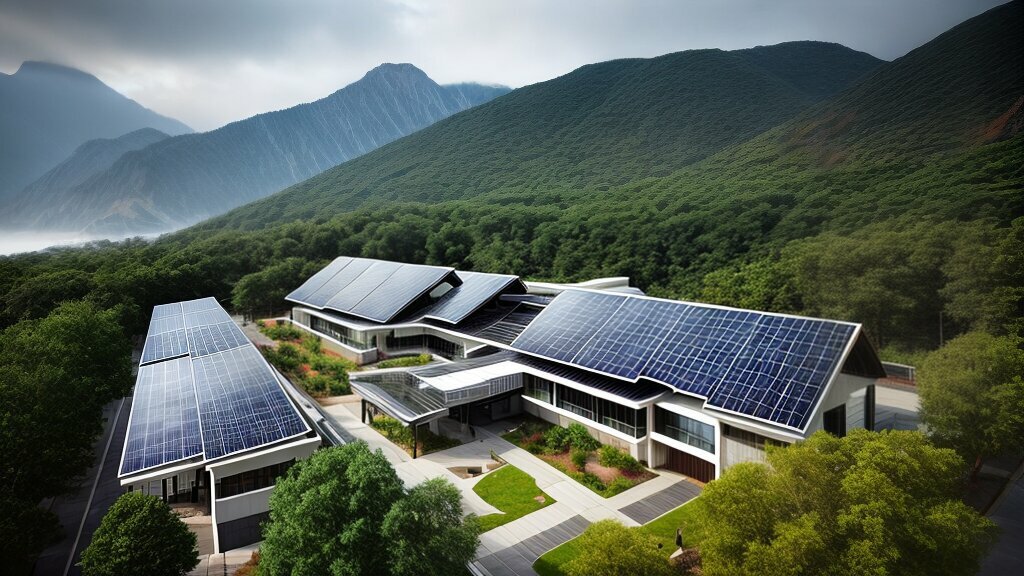
綠建築實踐 play a significant role in the development of resilient architecture. These practices focus on creating sustainable structures that are energy-efficient and minimize environmental impact. By incorporating green design features, architects can ensure that buildings are not only resilient but also contribute to a more sustainable future.
被動式供暖和製冷系統是綠色建築實踐的關鍵特徵。這些系統利用陽光和風等自然資源來調節建築物的溫度。它們減少了對人工加熱和冷卻系統的依賴,這些系統是能源密集的,並且對環境有重大影響。
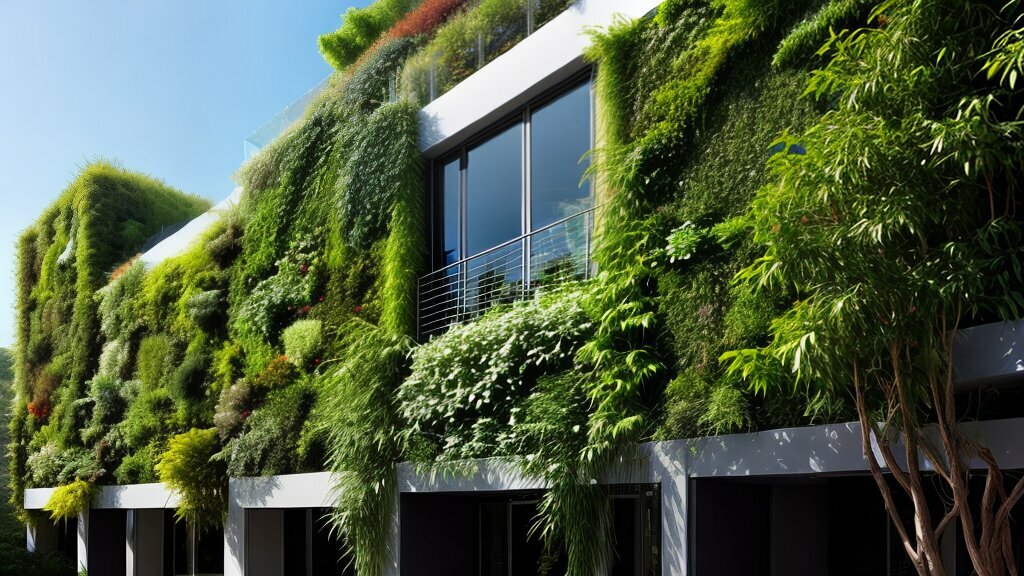
綠色屋頂是另一個綠色建築特徵,有助於增強結構的彈性。綠色屋頂覆蓋著植被,可以提供隔熱作用並減少建築物吸收的熱量。它們還可以透過吸收雨水並將其緩慢釋放到環境中來幫助減少徑流。
再生能源系統,例如太陽能電池板和風力渦輪機,也是綠色建築實踐的重要特徵。這些系統可以為建築物提供可持續的能源,減少其對不可再生能源的依賴,並最大限度地減少對環境的影響。
Incorporating green building practices into the design of resilient architecture not only benefits the environment but also provides economic benefits. Green buildings have been shown to have lower operating costs and higher property values, making them a smart investment for building owners.
隨著世界面臨氣候變遷的挑戰,綠色建築實踐在彈性建築的發展中將變得越來越重要。建築師必須繼續探索創新和永續的設計解決方案,以創建既具有彈性又對環境負責的結構。
永續城市規劃以增強韌性
永續城市規劃在創造能夠抵禦氣候變遷影響的彈性城市方面發揮著至關重要的作用。彈性建築的原則可以應用於城市規劃,以創造可持續和適應性強的環境。
混合用途開發是永續城市規劃的重要原則之一。透過創建結合住宅、商業和工業空間的城市區域,城市可以減少長途通勤的需求並促進步行。這不僅減少了碳排放,還透過減少對汽車的依賴來增強社區的復原力。
公共交通是永續城市規劃的另一個關鍵特徵。透過投資公共交通系統,城市可以減少擁塞並改善空氣質量,同時提供負擔得起且公平的交通服務。這使得城市能夠更好地應對供應鏈中斷、能源短缺或其他可能影響交通系統的不可預見事件。
In addition to promoting sustainable transport, green spaces and parks are also essential for resilient urban design. These green spaces help to reduce urban heat islands, provide natural habitats for 生物多樣性, and improve the mental and physical health of urban residents.

Overall, sustainable urban planning is vital for creating resilient cities that can adapt to the challenges of climate change. By prioritising sustainable design principles that are in line with the principles of resilient architecture, cities can become more sustainable and resilient, benefiting both the environment and the well-being of their inhabitants.
為未來設計:彈性建築案例研究
彈性建築不僅僅是一個理論概念,而是應對氣候變遷挑戰的現實解決方案。建築師和工程師已經以創新和令人興奮的方式實施彈性建築設計的原則。以下是一些案例研究,展示了彈性建築如何創造可持續、適應性強的結構,以承受不斷變化的環境的影響。
1. 澳洲雪梨中央公園一號
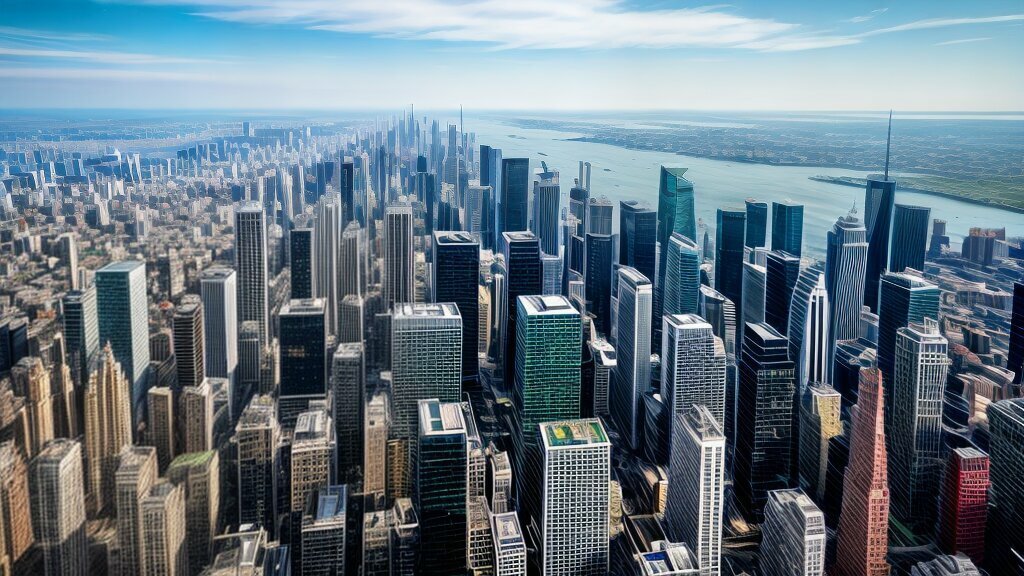
One Central Park 是一項綜合用途開發項目,融合了一系列永續設計特色,包括綠色屋頂、太陽能電池板和天然水循環系統。該建築還旨在為居住者提供遮陽和冷卻,減少對能源密集型空調的需求。中央公園一號展示了彈性建築如何創造可持續的、美觀的結構,並優先考慮居民的福祉。
2.美國西雅圖布利特中心
布利特中心是一棟商業辦公大樓,其設計目標是在能源方面完全自給自足。該建築採用了一系列節能技術,包括太陽能電池板、地熱供暖和雨水收集。布利特中心展示了彈性建築如何創造經濟上可持續的節能建築。
3. Earthship Biotecture,陶斯,美國
The Earthship Biotecture community in Taos, New Mexico is a group of sustainable homes that are built using recycled materials and incorporate a range of sustainable technologies. The homes are designed to be self-sufficient in terms of energy, water, and food, and are built to withstand extreme weather conditions. The Earthship Biotecture community demonstrates how resilient architecture can create sustainable, resilient communities that prioritize self-sufficiency and environmental sustainability.
結語
彈性建築日益成為建築設計中的關鍵考慮因素,特別是在面對氣候變遷和其他環境挑戰時。透過整合穩健性、冗餘性、靈活性和資源效率等原則,建築師可以設計出耐用、適應性強且環保的結構。
此外,使用永續建築材料、節能實踐和彈性基礎設施可以進一步提高建築物和社區的彈性。被動式供暖和製冷、綠色屋頂和再生能源系統等綠色建築實踐在減少環境影響方面也發揮著重要作用。
隨著城市不斷擴張並面臨新的挑戰,永續的城市規劃對於創建有彈性的社區至關重要。透過納入混合用途開發、步行性和公共交通等設計原則,城市可以變得更具彈性、永續性和適應性。
總之,彈性建築原則是設計永續、適應性強和耐用結構的重要考量。透過現實生活中的案例研究,我們可以學習如何成功應用這些原則並創造一個更美好、更有彈性的未來。
常見問題
Q:什麼是彈性架構?
答:彈性建築是指能夠抵禦和適應氣候變遷和其他環境風險所帶來的挑戰的建築的設計和建造。
Q:為什麼彈性架構很重要?
答:面對氣候變化,彈性建築至關重要,因為它可以確保結構的耐用性和適應性,最大限度地減少其遭受自然災害和其他環境危害的脆弱性。
Q:彈性架構的基本原則是什麼?
答:彈性架構的關鍵原則包括穩健性、冗餘性、靈活性和資源效率。這些原則使建築物能夠有效地承受和回應不斷變化的環境條件。
Q:永續建築設計如何增強抵禦能力?
答:永續建築設計透過結合彈性建築材料和節能實踐,最大限度地減少對環境的影響,在創造彈性結構方面發揮重要作用。
Q:彈性基礎設施在建築設計中的作用是什麼?
答:水管理和能源分配系統等具有彈性的基礎設施對於確保建築物和社區的整體彈性至關重要。
Q:綠建築實踐如何促進彈性建築?
A: Green building practices, including passive heating and cooling, green roofs, and renewable energy systems, enhance the resilience of structures by minimizing their ecological footprint and promoting sustainability.
Q:為什麼永續城市規劃對於抵禦能力很重要?
答:永續城市規劃以混合用途開發、步行性和便利的公共交通為特徵,在創造能夠抵禦和適應環境挑戰的彈性城市方面發揮著至關重要的作用。
Q:您能提供彈性架構設計的範例嗎?
答:是的,有許多現實生活中的案例研究展示了彈性建築設計和永續建築實踐的成功實施,展示了它們在各種情況下的有效性。
Q:將彈性建築原則融入未來建築設計的重要性是什麼?
答:將彈性建築原則融入未來的建築設計至關重要,因為它有助於創建可持續且適應性強的結構,從而減輕氣候變遷和其他環境風險的影響。