



Top Passive House Builders in Spain
Spain has a growing number of Passive House builders, from specialised firms to construction companies that offer passive homes and buildings as one of their services, to architects who design and build with their chosen partners.
“With summers becoming almost unbearably hot in some areas of Spain, being able to live in a passive house is more desirable than ever.” Jackie De Burca
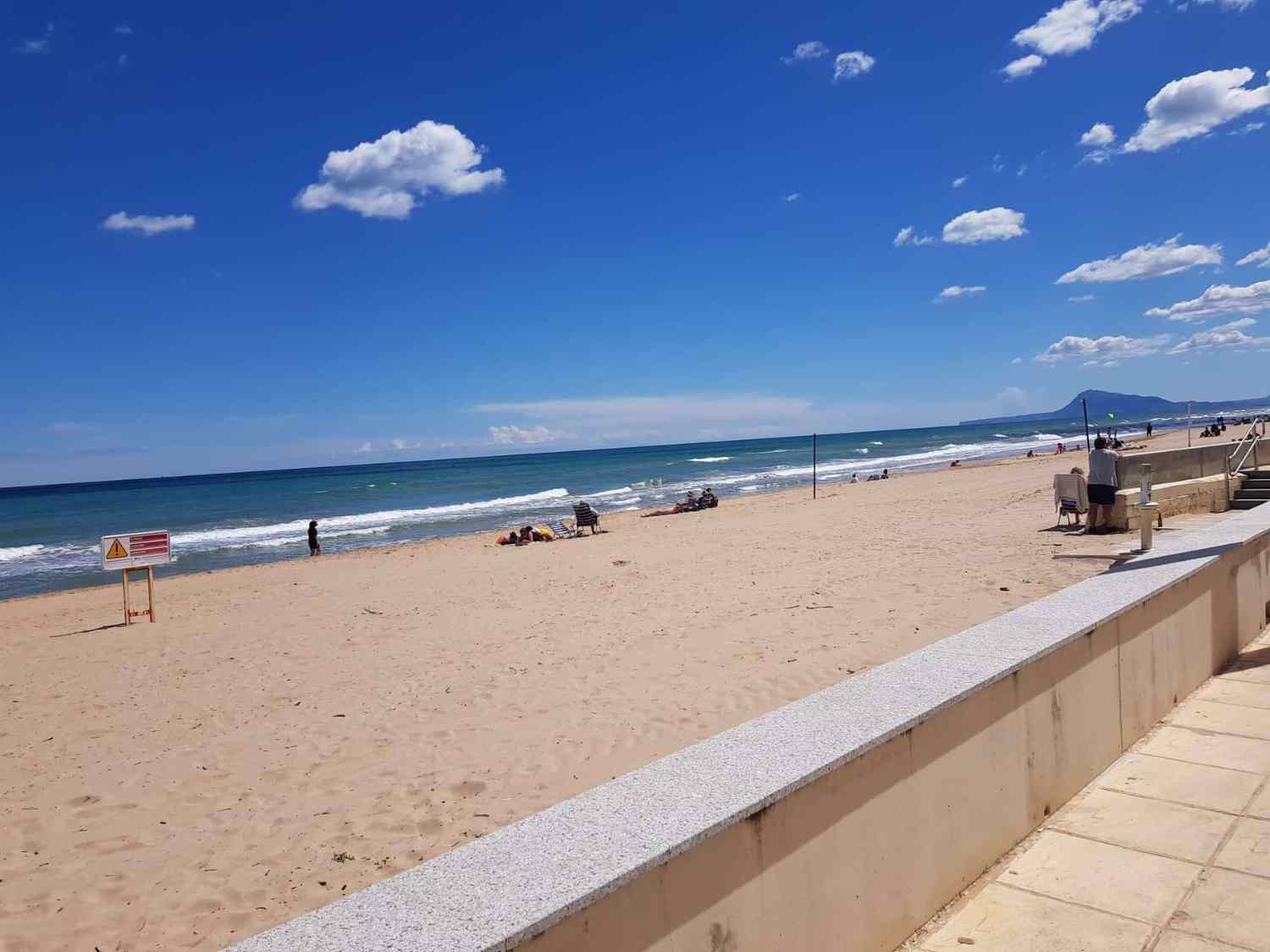
Spain passivehouses needed for hot summers
Discover a plot with a fascinating history in the steel industry, which today is home to the world’s tallest Passive House building, as well as prefab units suitable for individual living or retreats and group gatherings. In between, we have a variety of examples of interesting Passive House builders and their projects dotted around Spain.
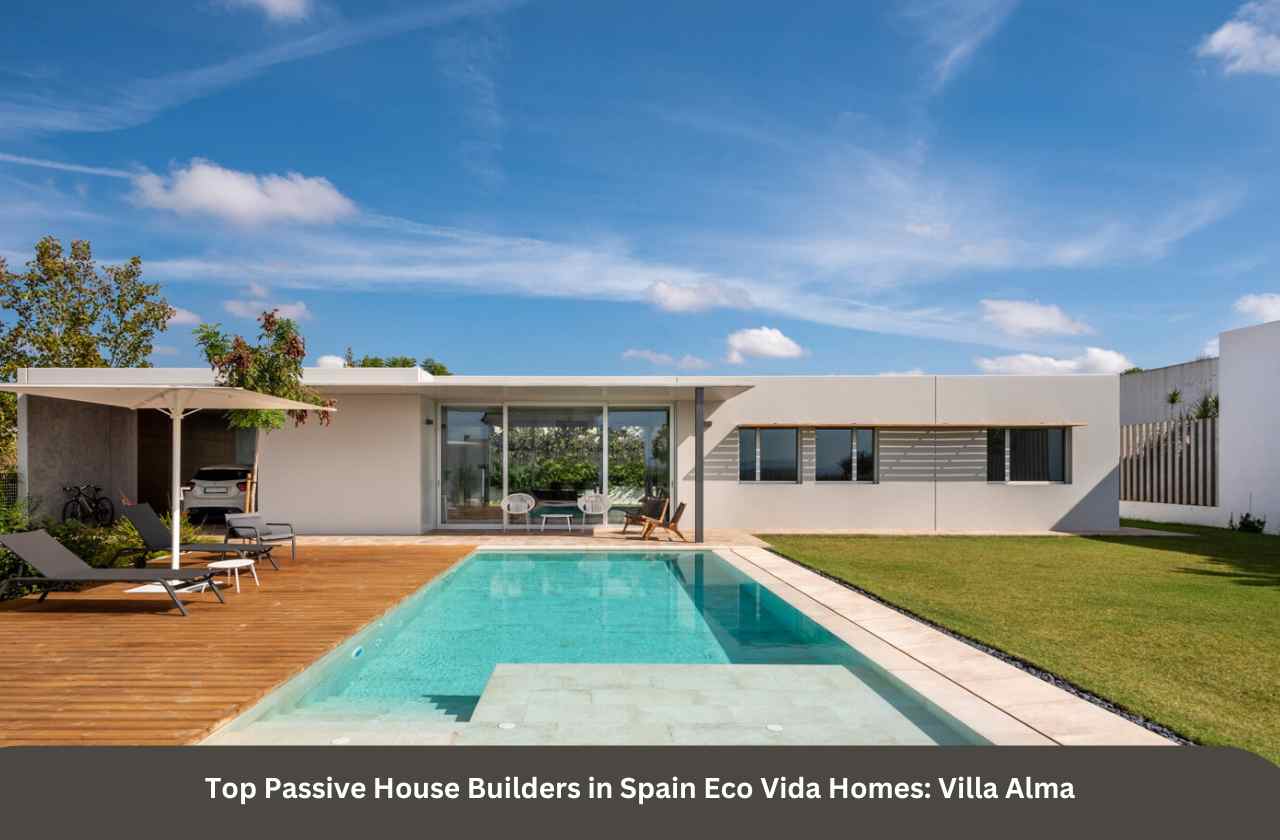
Passive house builders in Spain Eco Vida
Specialised companies such as Woodville (prefab) and architects at Leukos Architecture to large developers creating certified multi-family social housing, with key players including the Plataforma Edificación Passivhaus (PEP), and companies like Eco Vida Homes assisting with complex builds, focusing on super-insulation, airtightness, and efficient systems like solar PV, often seen in innovative projects in Zaragoza, Madrid, and the Balearics.
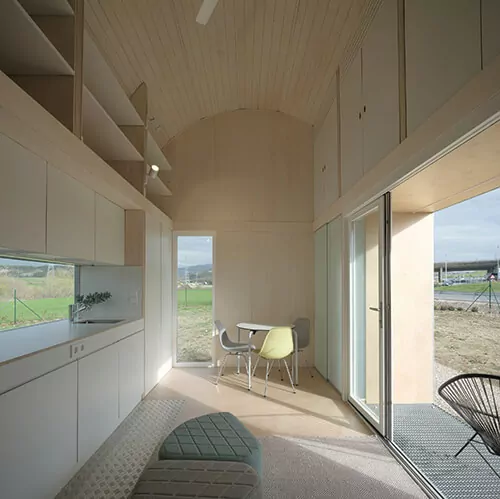
VArquitectos
VArquitectos is an architecture-and-engineering practice that tends to stay close to the “real-world” side of building: guiding clients from early concept through planning, technical delivery, and (when needed) full project management.
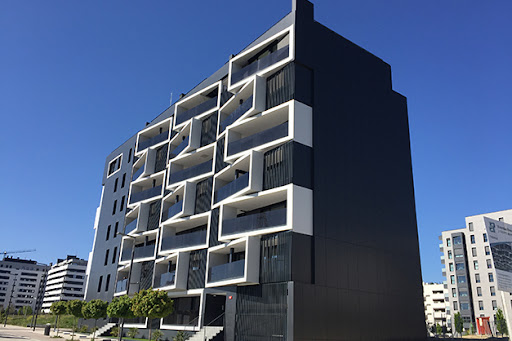
passive house building in Spain, courtesy of VArquitectos
They combine a long-running studio track record with very hands-on expertise in high-efficiency design and Passivhaus delivery across multiple building types—work that’s put them behind some of Spain’s early, headline Passive House schemes.
Bolueta Towers
Their best-known international reference is #361 Bolueta (Bolueta Tower / Bolueta Towers) in Bilbao: a 361-home social housing development delivered as two buildings—one 28-storey block with 171 homes and a second 21-storey block with 190 homes. VArquitectos won the competition for the first two buildings in 2012, and the client then pushed for a step-change in energy performance, which drove the move to the Passivhaus standard.
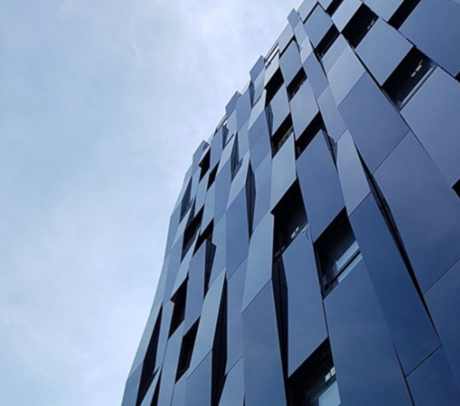
Bolueta Towers courtesy of VArquitectos
What makes the “tower” part especially notable is that it hit Passivhaus at true high-rise scale: the first tower reached around 88 metres and became (at the time of certification) the tallest Passivhaus-certified building. The technical story is the familiar Passivhaus one—but executed with high-rise discipline: a heavily-optimised envelope, aggressive thermal-bridge control, high-performance windows, and airtight construction paired with mechanical ventilation with heat recovery (the project team notes heat-recovery performance up to ~90%).
And then there’s the look. VArquitectos leaned into Bolueta’s industrial memory—coal and steel along the Nervión—using a façade of aluminium composite panels arranged in a deliberately “broken” pattern. It reads almost chaotic from a distance, but it’s controlled by vertical sequences so the big volume doesn’t feel like one blunt slab on the skyline.
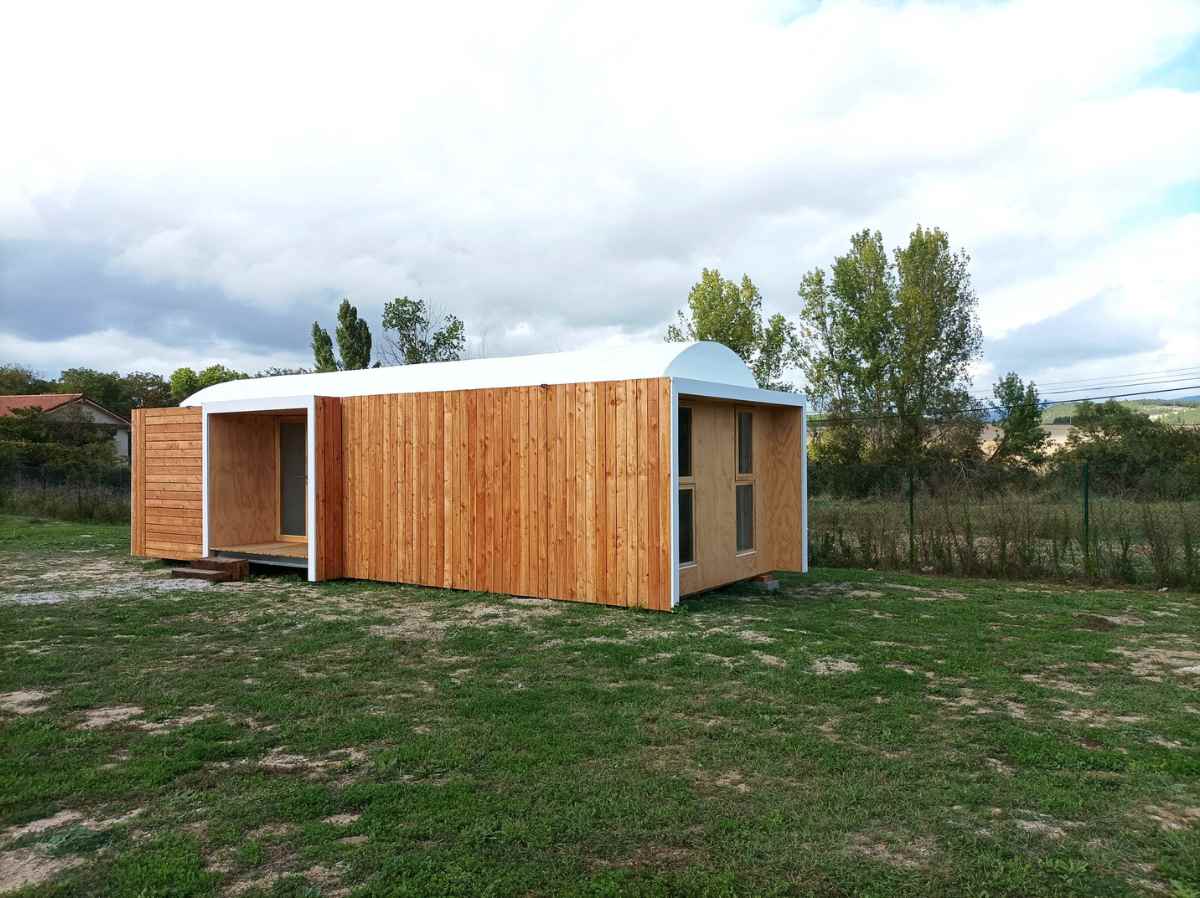
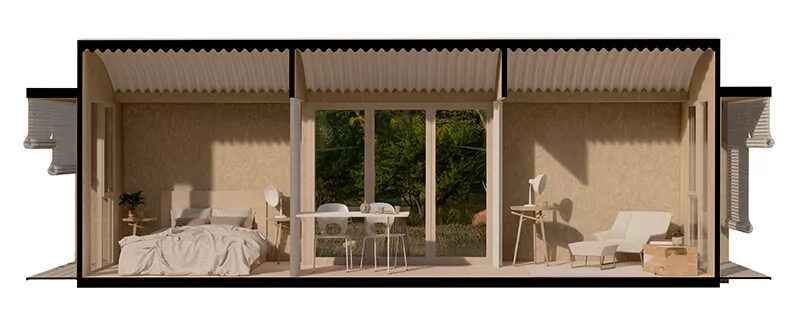
Woodville
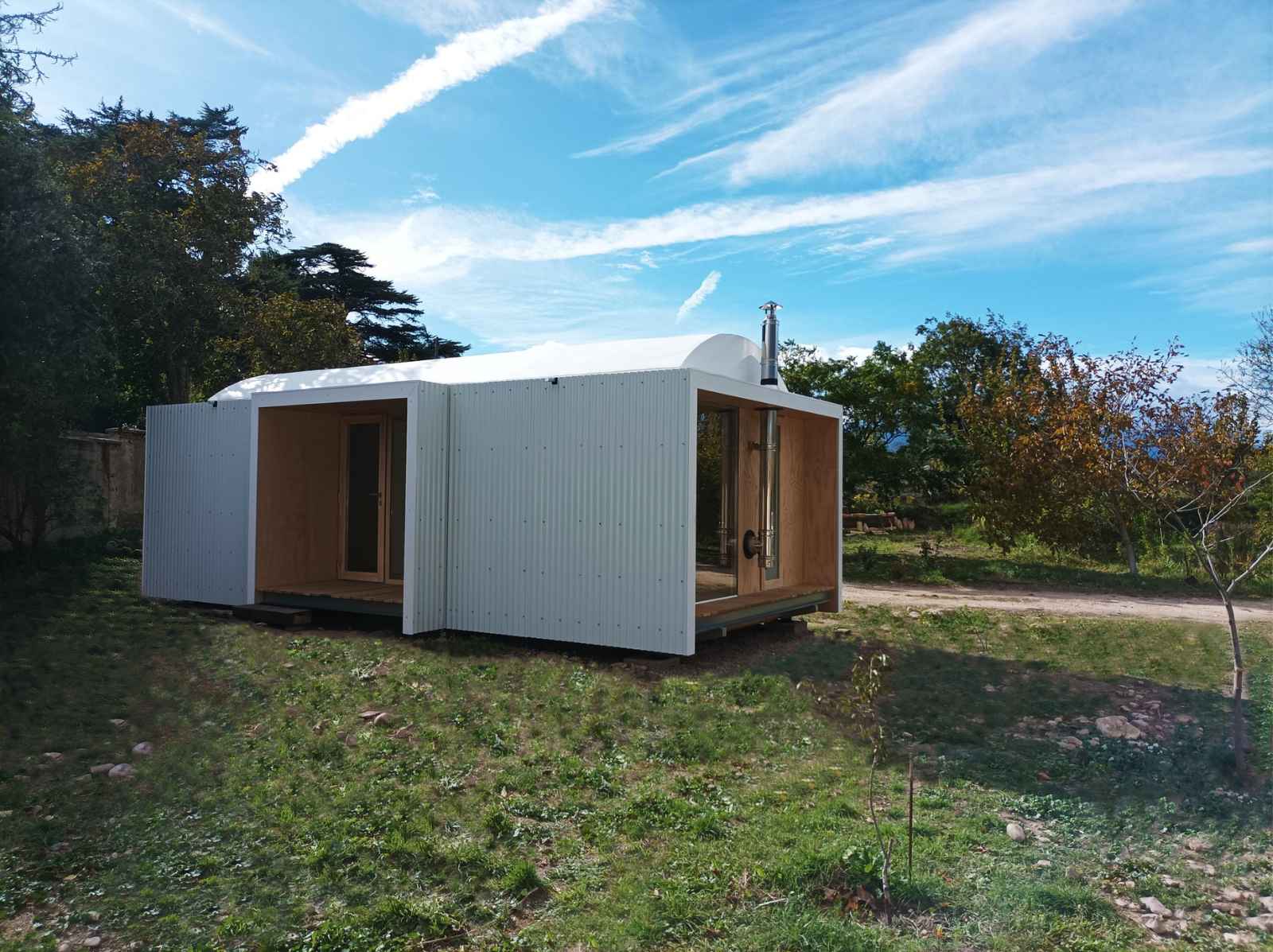
Wahbi courtesy of Woodville
Picture yourself and your loved ones in a sustainable home surrounded by nature.
Eco Vida Homes
Eco Vida Homes is a design-and-build studio working across Spain, best known for helping international clients create modern, energy-efficient villas without the usual “building abroad” headaches.
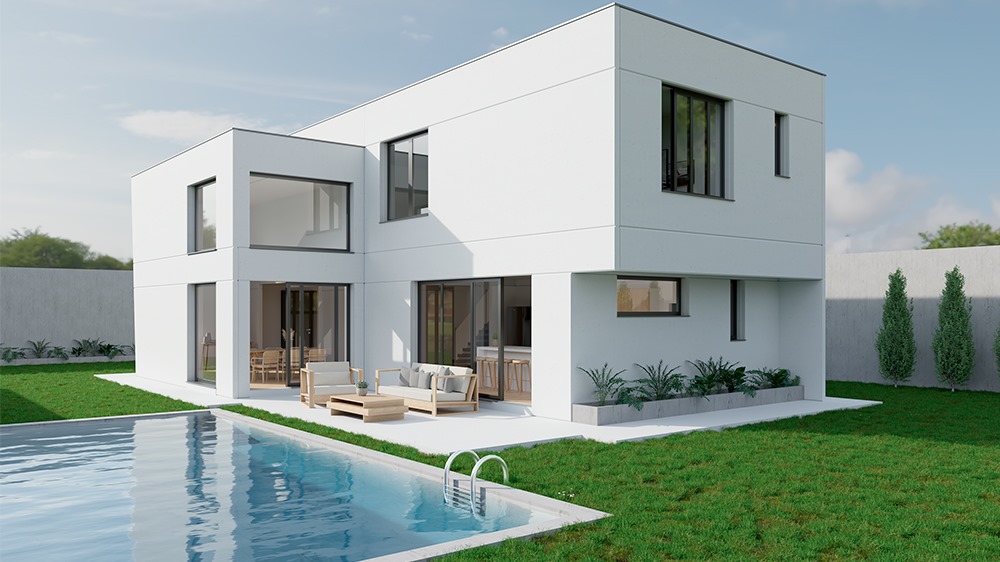
Pre-designed modular villa process courtesy of Eco Vida Homes
They combine architecture, technical delivery, and hands-on project management, with a big emphasis on clear communication and keeping budgets and timelines under control.
They also point to professional regulation via the Royal Institution of Chartered Surveyors (RICS) as part of the reassurance they offer clients.
Project focus: Naiara & Simon’s Dream Home in Madrid
This Madrid build is a great example of Eco Vida Homes working with a client who already knows the industry. The homeowners are Naiara Vegara (a Madrid-born architect) and her husband, Simon Mawdsley, building in Fuente del Fresno, northeast of Madrid.
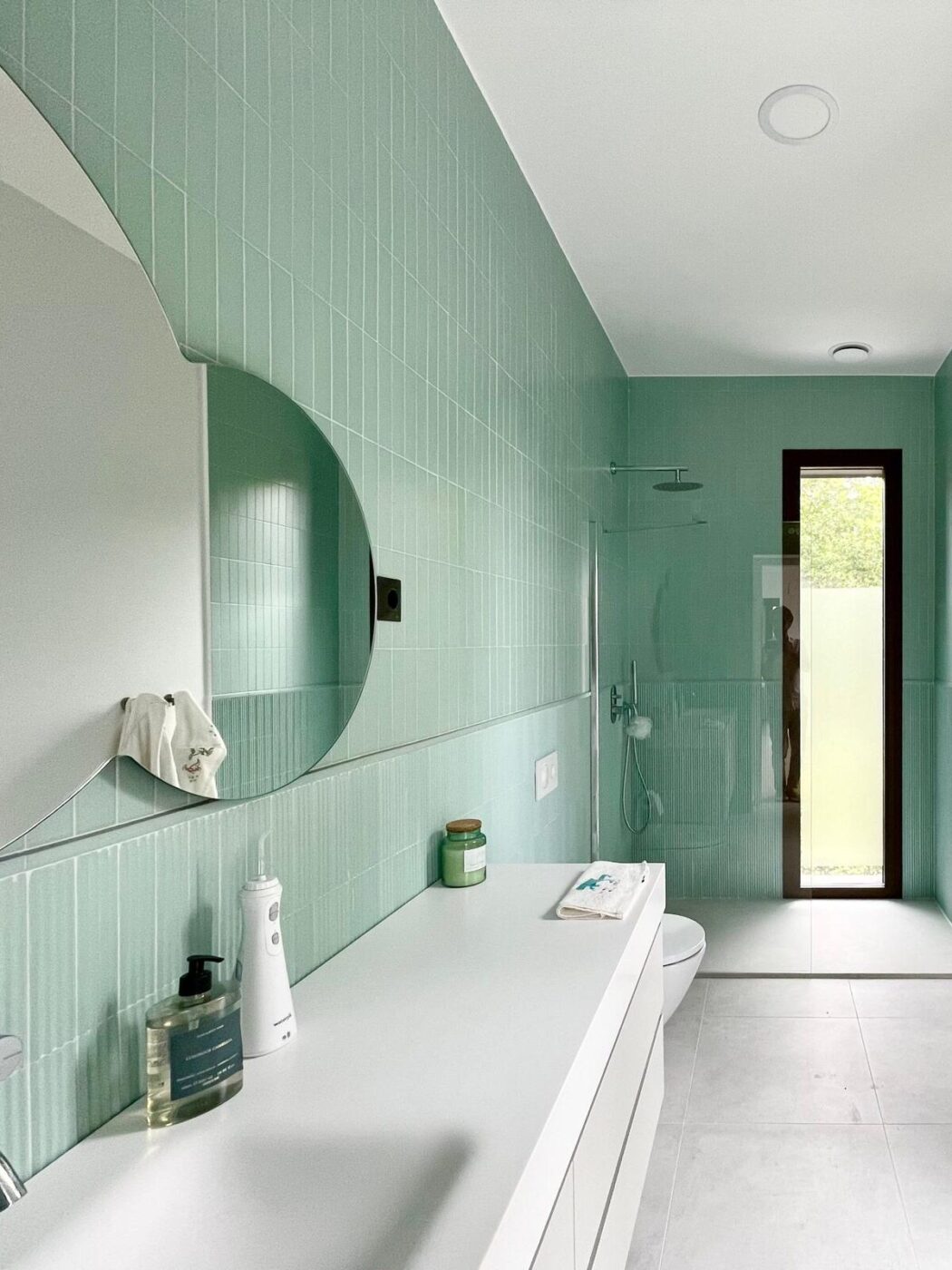
Pre-designed modular villas in Spain – courtesy of Eco Vida Homes
Even with Naiara’s background, they wanted certainty on land viability, planning constraints, and a realistic budget before fully committing—so Eco Vida Homes stepped in with due diligence on the plot, planning checks with the local authority, and a budget model to support the decision.
Design-wise, Naiara set a bold, liveable brief: light, flow, and “no dead space,” with open-plan living, personal finishes, and a strong indoor–outdoor connection (including a shaded terrace and a retractable glass wall that opens the home to the garden).
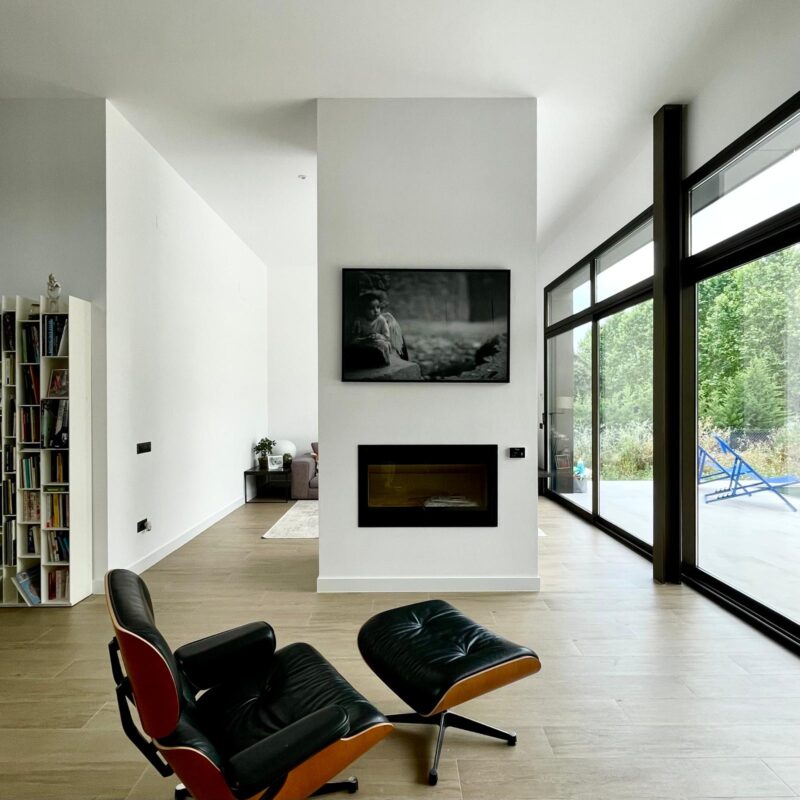
Courtesy of Eco Vida Homes
Eco Vida Homes’ role was to turn that concept into a buildable reality—technical/working drawings, licence applications, compliance and bureaucracy, plus full project management with structured monthly checkpoints (including progress tracking and staged valuations).
Where it gets really interesting is performance. Madrid swings hard between winter cold and summer heat, so the project leans on Passive House principles (without chasing certification): solar orientation, serious insulation, airtightness, and mechanical ventilation with heat recovery.
Add underfloor heating/cooling, photovoltaic panels, and a heat pump, and the goal is “near-passive” comfort—steady temperatures and clean filtered air, without the house feeling sealed off from outdoor living
Duque and Zamora
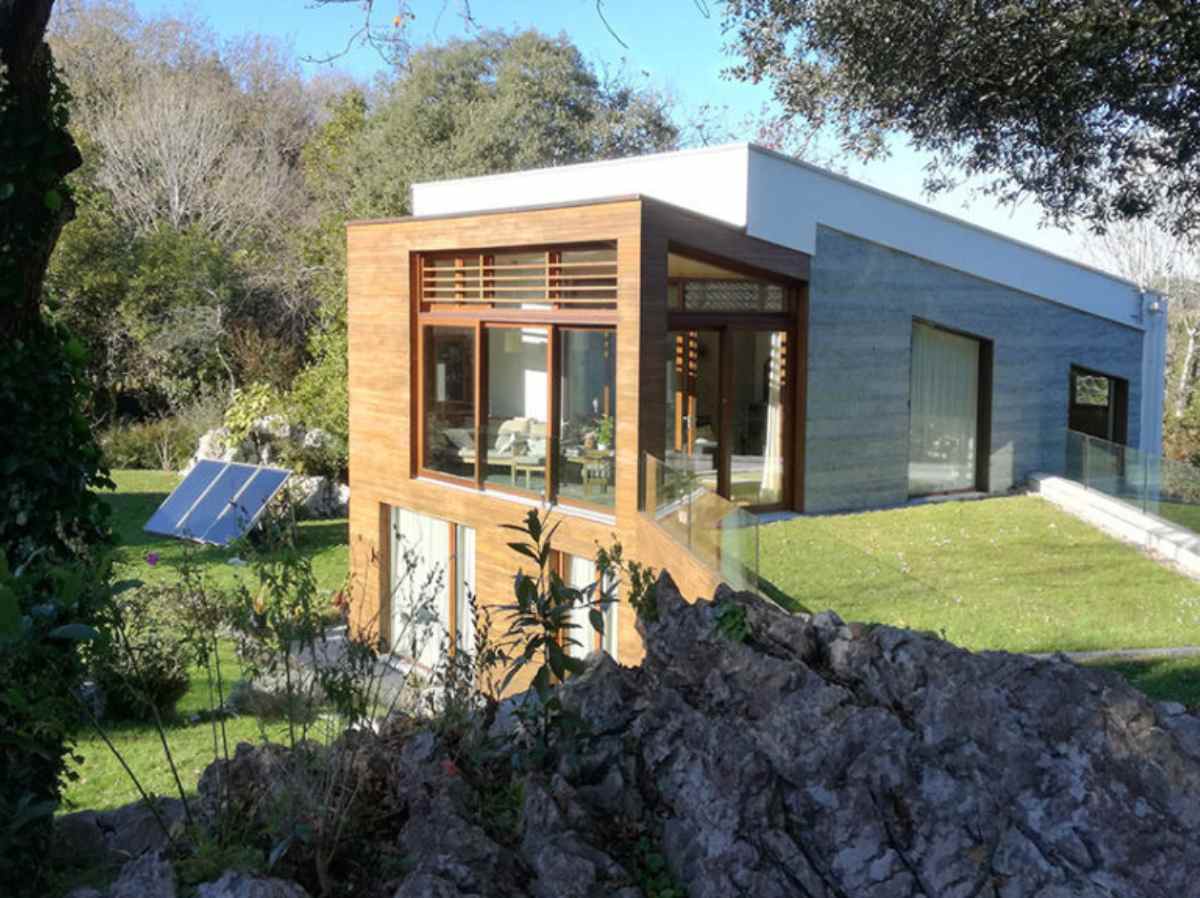
Casa Entreencinas
Courtesy of Duque and Zamora
Duque and Zamora is a Spanish studio founded in 2009 by Alicia Zamora and Iván G. Duque. Their whole thing is sensitive architecture: buildings that respond to the place (sun, wind, vegetation, views, topography) and aim for comfort + health indoors, not just lower bills.
In practice, they work at the intersection of three pillars: bioclimatic design, the Passivhaus standard, and bioconstruction (low-impact, healthy materials).
That’s why a lot of their projects aren’t just “efficient” on paper — they’re designed to feel calm, stable, and breathable in real life.
Project focus: Casa EntreEncinas
Here is a beautiful example of their work:
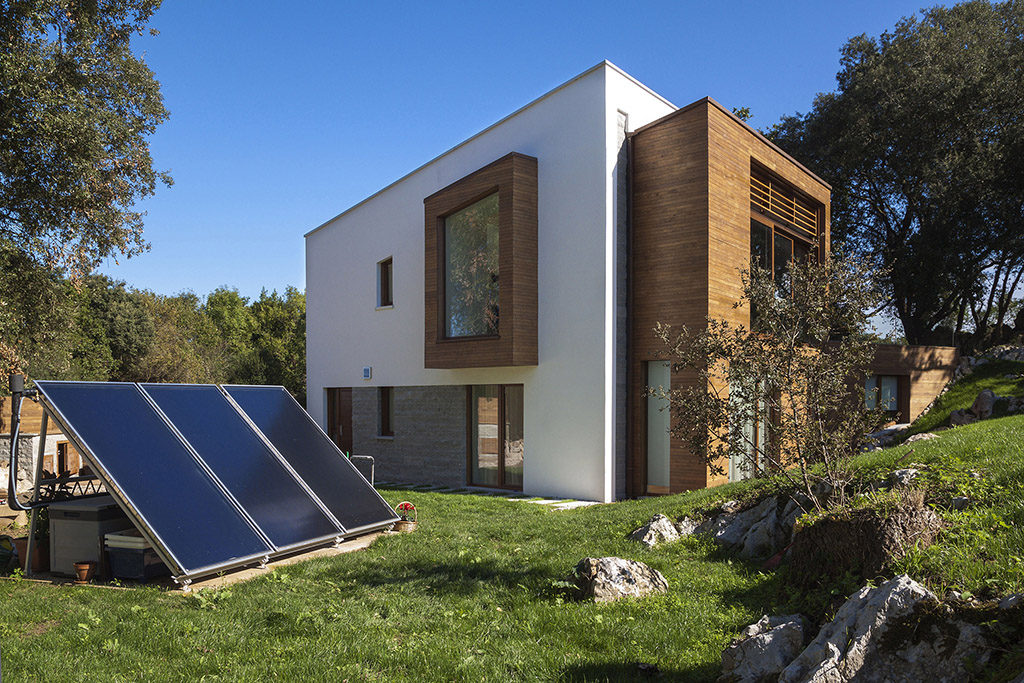
Casa Entreencinas courtesy of Duque and Zamora
Casa EntreEncinas is one of those projects that feels calm the moment you look at it. The property looks perfectly placed in its environment.
It sits in Villanueva de Pría in Asturias, on a sloping plot dotted with oak trees. And instead of doing the usual developer move (flatten the site, fight the landscape, pretend the trees are an inconvenience), Duque and Zamora lean into what’s already there.
The house is arranged so part of it tucks into the slope, with a compact two-storey volume above. That does two things at once: it keeps the building visually quieter in the landscape, and it helps performance because you’re reducing how much of the house is exposed to wind and cold.
“This house was built according to bioclimatic principles, the result of a quest for a self-sufficient dwelling whose design integrates, on the one hand, the energy efficiency concepts of the Passivhaus standard, and on the other, bioclimatic architecture, guaranteeing a nearly zero-energy building, as well as the principles of bioclimatic construction, which require the use of materials and building systems with low environmental impact.” Duque and Zamora
This studio has a very clear way of working: use the climate properly, build to measurable performance standards, and take materials seriously — not just for carbon, but for indoor health. Casa EntreEncinas is a tidy example of all three.
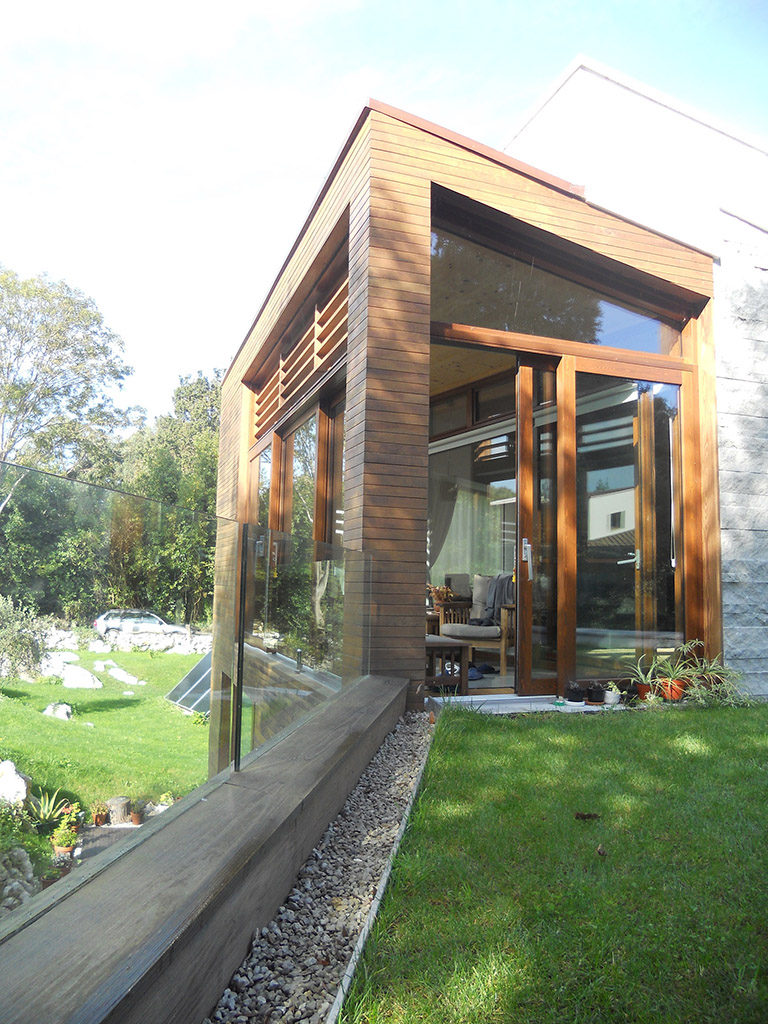
Casa Entreencinas courtesy of Duque and Zamora
If you’ve spent time in northern Spain, you’ll know the traditional glazed gallery is a real thing — it’s not a style choice, it’s a climate response. Here, they bring that idea back, but they use it like a tool.
Along the south side of the upper floor, there’s a full-length gallery that behaves like a seasonal buffer. In winter it can collect sun and take the edge off the cold. In spring and autumn it becomes extra living space. In summer, opened up and ventilated properly, it shifts again — more like a shaded edge to the house than a sealed glass box.
This is one of those moves that looks simple, but it’s doing a lot. It’s also a nice reminder that “sustainable design” doesn’t always mean inventing something new. Sometimes it means using what people already figured out locally — just with better detailing and better performance.
Passivhaus performance, without the weird sterile feel
The house is designed to Passivhaus levels of efficiency, meaning the structure is built around a strong thermal envelope, serious airtightness, and glazing chosen to minimise heat loss. The basic promise of that approach is straightforward: the house shouldn’t need much energy to stay comfortable.
And comfort is the word that matters. Not “saving money” (though it helps), and not “ticks on a certificate.” Comfort as in: stable temperature, no draughty corners, fewer cold surfaces, and indoor air that doesn’t feel stale.
Mechanical ventilation with heat recovery is part of that. It sounds technical, but the lived experience is very normal: fresh air coming in without dumping all your heat out the window. When it’s done well, you stop noticing it — which is exactly the point.
Solar thermal supports hot water (and can give heating support too), and there’s a practical, grown-up attitude to water: rainwater collection and on-site wastewater treatment. That’s the kind of detail that doesn’t show up in a quick Instagram scroll, but it matters if we’re serious about what “sustainable” means.
Materials: not just efficient, but healthier
This is where Casa EntreEncinas gets more interesting than the standard “high-performance home.”
There’s timber construction, natural insulation choices like cork, and finishes like lime render that suit the region and fit a more breathable approach. There’s also a green roof, which helps with rainwater, microclimate, and resilience.
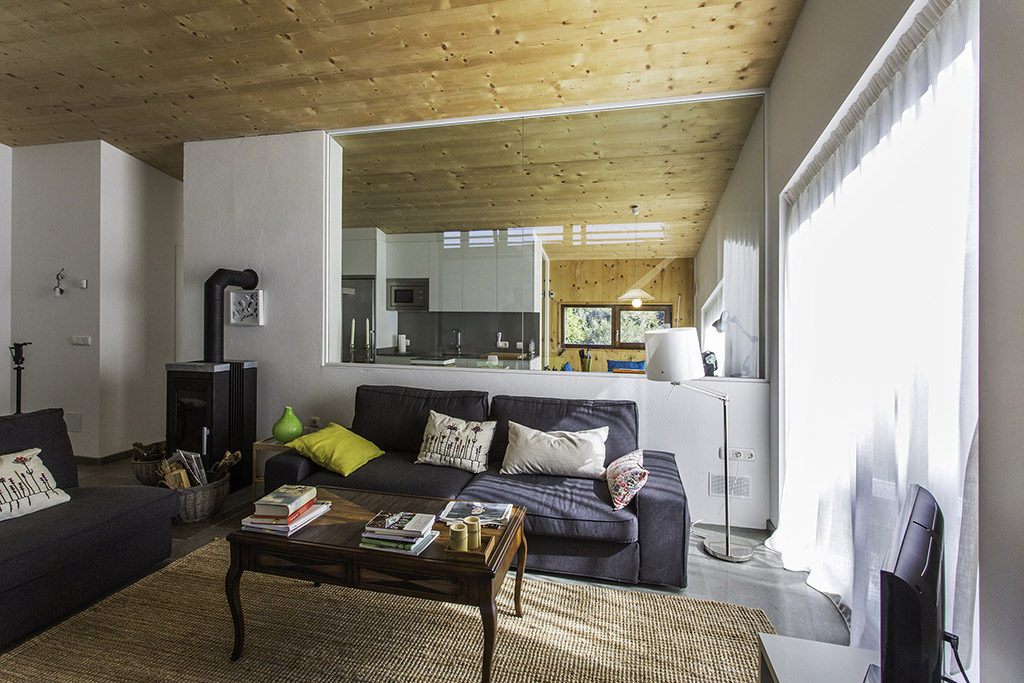
Casa Entreencinas courtesy of Duque and Zamora
Inside, the material choices lean away from the synthetic, high-toxin defaults that still dominate mainstream building. Natural floors like stone and bamboo show up, and even the smaller decisions — like avoiding PVC in soft interior finishes — tell you this wasn’t just about hitting energy numbers. It was about creating a home that’s lighter on the planet and kinder to live in.
Why this project is worth paying attention to
A lot of “eco homes” end up looking like they’re trying to prove a point. Casa EntreEncinas doesn’t. It’s not shouting. It’s just well-judged.
It works with the slope. It respects the oaks. It uses a regional idea (the gallery) as real climate design. And it’s built to a performance standard that makes comfort the default, not something you chase with heating controls.
If you’re looking for a clean example of where Passivhaus and bioconstruction overlap in a way that still feels like a proper home — this is it.
Praxis Resilient Buildings
Praxis Resilient Buildings is an engineering and consultancy practice, based in Barcelona, Spain. Praxis helps create healthy, low-carbon, high-performance, comfortable buildings with excellent air quality and near-zero energy consumption that continue to perform under extreme climate conditions.
They help their clients achieve radical reductions in carbon emissions using renewable, healthy materials and efficient heating, cooling, hot water and ventilation systems.
Praxis has worked on Passivehouse nursing homes, multi family units and multi residential projects.
For example, El Niu (The Nest in Catalan) is Andorra’s first multi-residential Passivhaus Plus certified building, and was certified by Oliver Style of Praxis Resilient Buildings, developed by Lluis Lopez Castro of Propietats y Gestió, and designed by Antoni Martí.
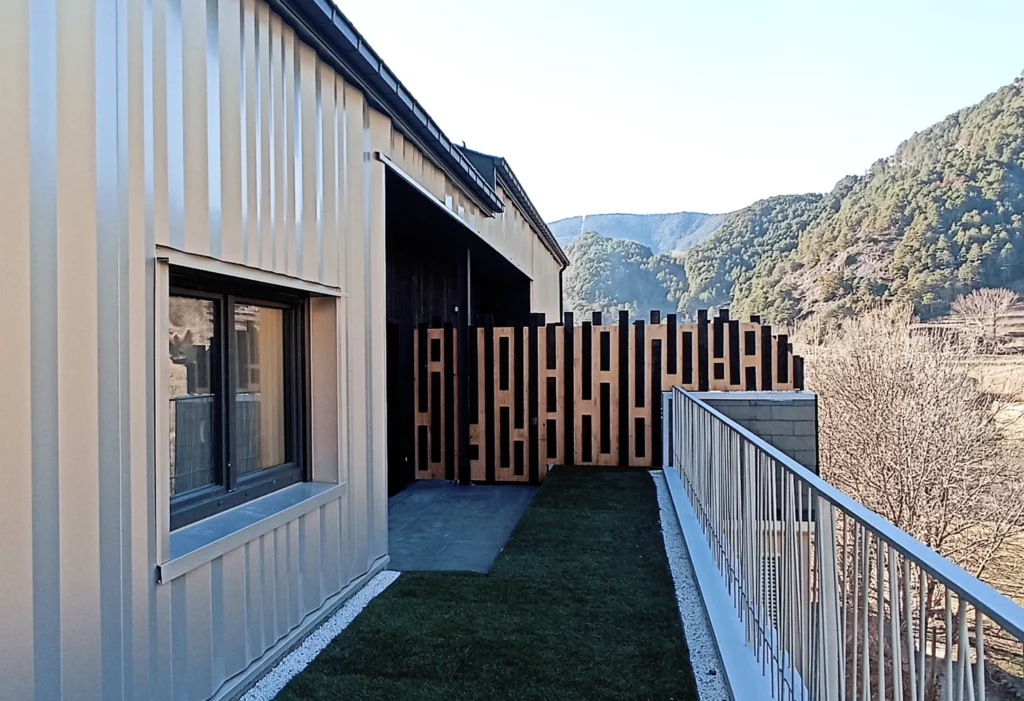
El Niu exterior courtesy of Praxis Resilient Buildings



Templeton takes on Passive House principles - Constructive Voices
7 months ago[…] Top Passive House Builders in Spain […]