



উরুগুয়ে জীববৈচিত্র্য: প্রাণী এবং উদ্ভিদের প্রজাতি এবং কী হুমকির মুখে
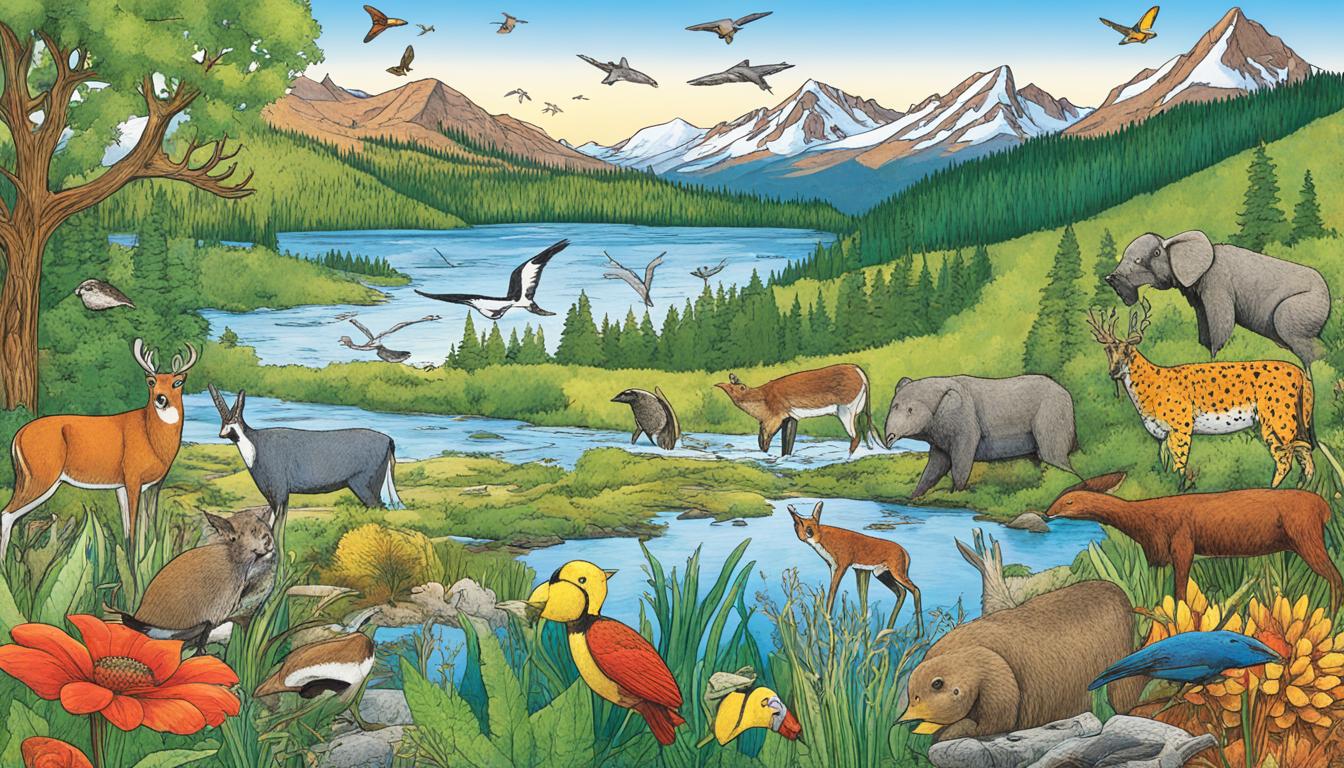
আপনি কি জানেন যে উরুগুয়ে, দক্ষিণ আমেরিকার একটি অপেক্ষাকৃত ছোট দেশ, অসাধারণ গর্ব করে জীব বৈচিত্র্য? Despite its size, Uruguay is home to a wide range of animal and plant species, as well as diverse ecosystems. Let’s explore the unique flora and fauna of Uruguay, the conservation efforts in place, and the challenges that threaten this extraordinary biodiversity.
কী Takeaways:
- উরুগুয়ে জীববৈচিত্র্যে সমৃদ্ধ, বৈচিত্র্যময় বাস্তুতন্ত্র এবং বিভিন্ন প্রাণী ও উদ্ভিদের প্রজাতি রয়েছে।
- উরুগুয়ের 85% এর বেশি অঞ্চল প্রাকৃতিক তৃণভূমি দ্বারা আচ্ছাদিত, যা অনেক প্রজাতির জন্য প্রয়োজনীয় আবাসস্থল প্রদান করে।
- সার্জারির উরুগুয়েতে জীববৈচিত্র্য faces threats from habitat degradation, land use intensification, invasive alien species, pollution, and climate change.
- Conservation efforts, including the implementation of the National Biodiversity Strategy and engagement of stakeholders, are crucial for preserving Uruguay’s biodiversity.
- টেকসই উন্নয়ন সকল অংশীদারদের মধ্যে অনুশীলন এবং সহযোগিতা অপরিহার্য উরুগুয়েতে জীববৈচিত্র্যের ভবিষ্যত.
উরুগুয়ের জীববৈচিত্র্যে পশুসম্পদ ও কৃষির ভূমিকা
Livestock and agriculture play a significant role in Uruguay’s economy, with livestock being the main export sector. The country’s extensive natural grasslands, known as Pampas, cover 60% of the national territory. These grasslands support diverse wildlife and plant species, contributing to the overall biodiversity of Uruguay.
The agricultural sector in Uruguay is dominated by soybean production, which has experienced land use intensification in recent years. While soybean cultivation has contributed to the country’s economic growth, it has also had an impact on grassland ecosystems. It is crucial to strike a balance between agricultural development and the conservation of grasslands to maintain Uruguay’s biodiversity.
The forestry sector has also seen dynamic growth in Uruguay, with investments in forest plantations. This growth has led to the expansion of forested areas, contributing to the overall ecological diversity of the country. However, it is essential to ensure that forest plantations are carried out sustainably, taking into account the conservation of native forests and other ecosystems.
ভূমি ব্যবহার অনুশীলন এবং তৃণভূমি সংরক্ষণ
উরুগুয়েতে ভূমি ব্যবহার অনুশীলন have a direct impact on grassland conservation. The intensive cultivation of soybeans has led to deforestation and the conversion of grasslands into agricultural land. This conversion disrupts the natural habitat of many species and can result in biodiversity loss.
To address this issue, sustainable land management practices should be promoted, including the implementation of conservation strategies on agricultural lands. These strategies may include the use of agroforestry systems, crop rotation, and the establishment of protected areas within agricultural landscapes.
Grassland conservation is crucial for maintaining the ecological balance of Uruguay and preserving the habitat of various species, including native grasses, birds, and mammals. Sustainable grazing practices, such as rotational grazing, can help prevent overgrazing and maintain grassland health.
তৃণভূমির সংরক্ষণ জল চক্র, মাটি সংরক্ষণ এবং কার্বন সিকোয়েস্টেশন নিয়ন্ত্রণে অবদান রাখে, এটিকে এর একটি অবিচ্ছেদ্য অংশ করে তোলে sustainable land management in Uruguay.
সামগ্রিকভাবে, পশুসম্পদ এবং উরুগুয়েতে কৃষি have a significant impact on the country’s biodiversity. While these sectors are essential for economic growth, it is crucial to prioritize sustainable land use practices and conservation efforts to ensure the long-term preservation of Uruguay’s natural heritage and the diverse species that call it home.
উরুগুয়েতে পশুসম্পদ এবং কৃষি
| পশুসম্পত্তি | কৃষি |
|---|---|
| প্রধান রপ্তানি খাত হিসেবে অর্থনীতিতে অবদান রাখে | প্রাথমিক কৃষি পণ্য: সয়াবিন |
| বিস্তৃত প্রাকৃতিক তৃণভূমি সহ জাতীয় ভূখণ্ডের 60% কভার | সয়াবিন উৎপাদনের সাথে যুক্ত ভূমি ব্যবহারের তীব্রতা |
| বিভিন্ন বন্যপ্রাণী এবং উদ্ভিদ প্রজাতি সমর্থন করে | তৃণভূমি বাস্তুতন্ত্রের উপর প্রভাব |
| বনায়নে বিনিয়োগের মাধ্যমে বনায়ন খাতে গতিশীল প্রবৃদ্ধি | |
| অর্থনৈতিক উন্নয়ন এবং সংরক্ষণের মধ্যে একটি ভারসাম্য খুঁজে পেতে চ্যালেঞ্জ |
উরুগুয়ের জীববৈচিত্র্যে জলাভূমি এবং জলাশয়ের গুরুত্ব
Uruguay’s extensive river system and coastal areas contribute to the country’s rich biodiversity. The convergence of mainland and oceanic waters results in a diverse marine and coastal ecosystem, supporting a wide range of species. Wetlands, including coastal lagoons, play a vital role as habitats and provide essential ecosystem services.
উপকূলীয় উপহ্রদ এবং উরুগুয়ের জলাভূমি are home to numerous aquatic plants, fish, birds, and other wildlife, making them a hotspot for biodiversity. These wetland ecosystems serve as feeding and breeding grounds for migratory birds and provide shelter and nesting areas for various species.
তুমি কি জানতে? জলাভূমি জলের গুণমান বজায় রাখার জন্য, বন্যা নিয়ন্ত্রণে এবং কার্বন সঞ্চয় করে জলবায়ু পরিবর্তনের প্রভাব প্রশমিত করার জন্য অত্যন্ত গুরুত্বপূর্ণ।
দুর্ভাগ্যবশত, উরুগুয়ের জলাভূমি বিভিন্ন হুমকির সম্মুখীন। বাসস্থানের অবক্ষয়, দূষণ, এবং মানুষের কার্যকলাপের প্রভাব জলাভূমি জীববৈচিত্র্যের জন্য উল্লেখযোগ্য ঝুঁকি তৈরি করে। ফলস্বরূপ, জল সম্পদের টেকসই ব্যবস্থাপনা এবং জলাভূমি সংরক্ষণের জন্য একটি গুরুত্বপূর্ণ প্রয়োজন রয়েছে।
জলাভূমি সংরক্ষণ
The conservation of wetlands is essential for the overall preservation of Uruguay’s biodiversity. It requires collaboration between government entities, local communities, and relevant stakeholders. By protecting wetland habitats, we can safeguard the diverse array of species that depend on these ecosystems.
উক্তি: "জলাভূমিগুলি হল আমাদের ল্যান্ডস্কেপের কিডনি, সমস্ত জীবন্ত প্রাণীর সুবিধার জন্য জল ফিল্টারিং এবং বিশুদ্ধ করে।" - পরিবেশবাদী
Conservation efforts should focus on raising awareness about the importance of wetlands, promoting sustainable land management practices, and implementing measures to reduce pollution and prevent habitat degradation. Additionally, establishing protected areas and implementing environmental regulations can help preserve the ecological integrity of উরুগুয়ের জলাভূমি.
By safeguarding wetlands and water bodies, we can protect not only the unique species that call these areas home but also the ecosystem services they provide. Conserving wetlands will contribute to the overall resilience and sustainability of Uruguay’s biodiversity.
উরুগুয়ের নেটিভ ফরেস্ট এবং ফরেস্ট্রি সেক্টর
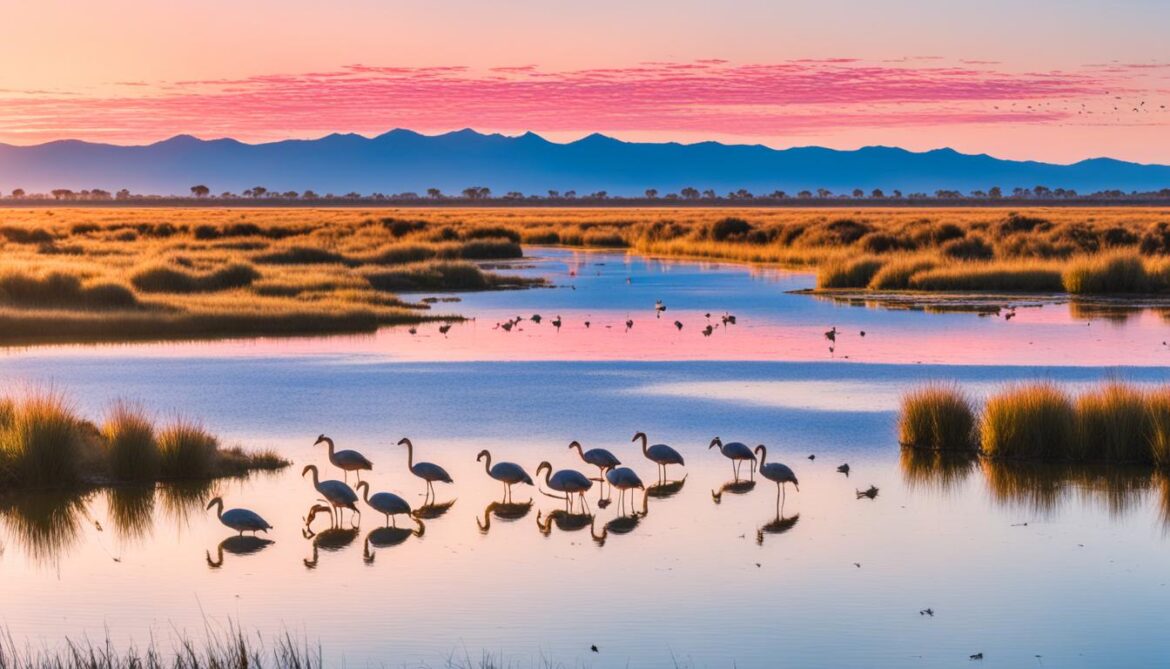
উরুগুয়ে তার স্থানীয় বনাঞ্চলে ধারাবাহিক বৃদ্ধি প্রত্যক্ষ করেছে, যা এখন জাতীয় ভূখণ্ডের 6% জুড়ে রয়েছে। এই সম্প্রসারণ দেশের জীববৈচিত্র্য এবং এর বনায়ন খাতের স্থায়িত্বের জন্য তাৎপর্যপূর্ণ।
সার্জারির উরুগুয়ে বনায়ন খাত has experienced dynamic growth, contributing significantly to the country’s economy. Forest plantations, predominantly based on introduced species, have played a key role in driving this expansion. Investments in sawmills, power plants, and pulp mills have further fueled the sector’s development.
Sustainable forestry practices are essential to ensure the long-term ecological sustainability of Uruguay’s forest resources. By promoting sustainable forestry management, the country can protect and nurture its native forests, thereby supporting the conservation of its rich biodiversity.
স্থানীয় বনের পরিবেশগত অখণ্ডতা বজায় রাখা, বিভিন্ন উদ্ভিদ ও প্রাণী প্রজাতির আবাসস্থল সংরক্ষণ এবং বনের বাস্তুতন্ত্রের সূক্ষ্ম ভারসাম্য রক্ষায় সংরক্ষণের প্রচেষ্টাকে ফোকাস করা উচিত।
উরুগুয়েতে টেকসই বনায়নের সুবিধা
- Promotes biodiversity conservation by preserving natural habitats
- Supports the livelihoods of local communities and indigenous peoples
- Contributes to the country’s green economy and sustainable development goals
- Reduces carbon emissions and mitigates the effects of climate change
- শিল্পের জন্য পুনর্নবীকরণযোগ্য সংস্থান সরবরাহ করে, যেমন কাঠ এবং সজ্জা উত্পাদন
টেকসই বনায়নে চ্যালেঞ্জ
উরুগুয়েতে টেকসই বনায়ন বেশ কয়েকটি চ্যালেঞ্জের মুখোমুখি হয় যেগুলি যত্নশীল বিবেচনা এবং পরিচালনার প্রয়োজন:
- অর্থনৈতিক উন্নয়ন এবং পরিবেশগত স্থায়িত্বের মধ্যে ভারসাম্য নিশ্চিত করা
- বন উজাড় এবং অবৈধ লগিং প্রতিরোধ
- আক্রমণাত্মক প্রজাতির ব্যবস্থাপনা এবং তাদের নেতিবাচক প্রভাব থেকে রক্ষা করা
- দায়িত্বশীল ভূমি ব্যবহার অনুশীলনের প্রচার
- বনায়ন খাত এবং আদিবাসীদের জমির অধিকারের মধ্যে সম্ভাব্য দ্বন্দ্বের সমাধান করা
এই চ্যালেঞ্জগুলি মোকাবেলা করার জন্য, উরুগুয়েকে টেকসই বনায়ন অনুশীলন, সংরক্ষণ এবং স্টেকহোল্ডারদের সম্পৃক্ততার উপর দৃষ্টি নিবদ্ধ করে ব্যাপক কৌশল এবং নীতি গ্রহণ করতে হবে।
| মূল পরিসংখ্যান | নেটিভ ফরেস্ট এরিয়া (হেক্টর) | বন বাগান এলাকা (হেক্টর) | জিডিপিতে অবদান (%) |
|---|---|---|---|
| 2010 | 1,200,000 | 700,000 | 1.5 |
| 2015 | 1,500,000 | 1,000,000 | 2.3 |
| 2020 | 1,800,000 | 1,300,000 | 3.7 |
সারণী: উরুগুয়েতে স্থানীয় বনাঞ্চল এবং বনায়ন এলাকা (সূত্র: কৃষি ও প্রাণিসম্পদ মন্ত্রণালয়)
By adopting sustainable forestry practices and prioritizing the conservation of native forests, Uruguay can ensure the long-term viability of its forestry sector while protecting its valuable natural resources.
উরুগুয়েতে বিপন্ন প্রজাতি এবং জেনেটিক পরিবর্তনশীলতা
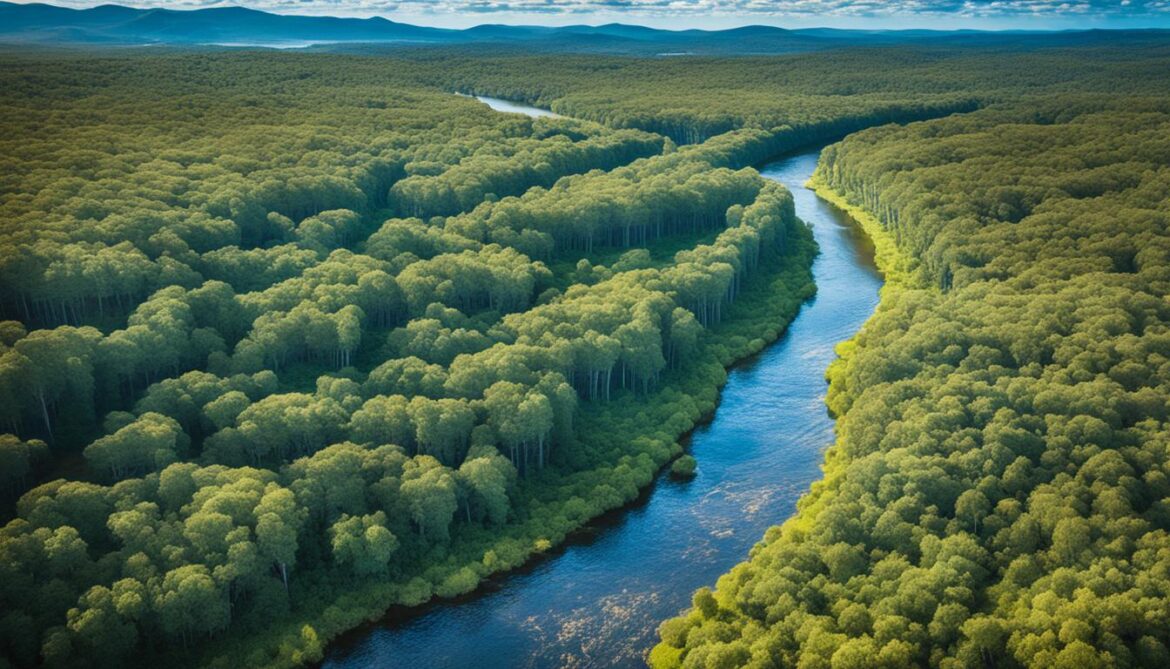
Uruguay is home to several bird species considered globally threatened, such as the yellow cardinal and the black-and-white monjita. These beautiful birds face numerous challenges to their survival, including habitat loss, climate change, and human disturbance. Conservation efforts must focus on protecting these threatened species and ensuring their habitats are preserved.
তবে শুধু পাখিরাই ঝুঁকির মধ্যে পড়ে না। উরুগুয়ের কিছু গাছের প্রজাতিও তাদের বেঁচে থাকার জন্য হুমকির সম্মুখীন। দক্ষিণ এবং পূর্ব প্রাকৃতিক পরিসরের সীমাতে বেশ কয়েকটি গাছের প্রজাতি পাওয়া যায়, যা প্রজনন কর্মসূচির জন্য তাদের জেনেটিক পরিবর্তনশীলতাকে গুরুত্বপূর্ণ করে তোলে। এই গাছের প্রজাতির জিনগত বৈচিত্র্য সংরক্ষণ করা তাদের দীর্ঘমেয়াদী বেঁচে থাকার জন্য এবং পরিবর্তিত পরিবেশগত অবস্থার সাথে অভিযোজনের জন্য অপরিহার্য।
তদ্ব্যতীত, উরুগুয়ে বিভিন্ন ধরণের ল্যান্ডরেসের গর্ব করে যা প্রবর্তিত উদ্ভিদ প্রজাতি থেকে বিবর্তিত হয়েছে। এই ল্যান্ডরেসে অনন্য জেনেটিক বৈশিষ্ট্য রয়েছে যা তাদের কৃষি এবং খাদ্য উৎপাদনের জন্য মূল্যবান করে তোলে। ভবিষ্যত প্রজন্মের জন্য বৈচিত্র্যময় এবং স্থিতিস্থাপক ফসলের অব্যাহত প্রাপ্যতা নিশ্চিত করে এই জেনেটিক সম্পদের সংরক্ষণের জন্যও সংরক্ষণ প্রচেষ্টা প্রসারিত করা উচিত।
“Preserving the genetic diversity of threatened species and landraces is crucial for the long-term sustainability of Uruguay’s biodiversity. By protecting their genetic variability, we can help these species adapt to changing environmental conditions and ensure the ecological balance of our ecosystems.” – Dr. Maria Gonzalez, Biodiversity Conservation Expert
Conservation organizations, researchers, and policymakers in Uruguay are actively working towards the preservation of threatened species and the conservation of genetic resources. Through targeted conservation strategies, habitat restoration, and sustainable land management practices, it is possible to safeguard the rich biodiversity and genetic variability that Uruguay possesses.
ভবিষ্যতের জন্য জেনেটিক সম্পদ সংরক্ষণ
উরুগুয়েতে জেনেটিক সম্পদ সংরক্ষণের জন্য একটি বহুমুখী পদ্ধতির প্রয়োজন যার মধ্যে রয়েছে:
- আবাসস্থল সুরক্ষিত রাখতে এবং আরও আবাসস্থলের ক্ষতি রোধ করতে সংরক্ষিত এলাকা এবং সংরক্ষণ সংরক্ষণ স্থাপন করা
- Implementing species recovery programs and captive breeding initiatives to support the recovery of threatened species
- উদ্ভিদ প্রজাতির জিনগত বৈচিত্র্য সংরক্ষণের জন্য বীজ ব্যাংক এবং জেনেটিক ভান্ডারের উন্নয়ন করা
- Promoting sustainable agriculture practices that preserve crop diversity and the landraces adapted to Uruguay’s unique environmental conditions
বিপন্ন প্রজাতির সংরক্ষণ এবং উরুগুয়ের বাস্তুতন্ত্রের মধ্যে জিনগত পরিবর্তনশীলতাকে অগ্রাধিকার দিয়ে, আমরা দেশের জীববৈচিত্র্যের দীর্ঘমেয়াদী স্থায়িত্ব নিশ্চিত করতে পারি এবং বন্যপ্রাণী ও মানুষ উভয়ের জন্য একটি উন্নত ভবিষ্যত নিশ্চিত করতে পারি।
উরুগুয়েতে জীববৈচিত্র্য এবং পরিবর্তনের চালকের উপর চাপ
উরুগুয়েতে, জীববৈচিত্র্যের উপর চাপ শক্তি এবং খনির উৎপাদন, নগর ও পর্যটন উন্নয়ন, আক্রমণাত্মক এলিয়েন প্রজাতি, পরিবহন এবং পরিষেবা করিডোর, বনায়ন, দূষণ এবং জলবায়ু পরিবর্তন সহ বিভিন্ন কারণ দ্বারা চালিত হয়।
The rapid expansion of energy and mining activities has led to habitat degradation and loss, impacting the diversity of plant and animal species. Additionally, urban and tourism development projects often result in the destruction of natural habitats, further threatening biodiversity.
Invasive alien species, introduced through international trade and human activities, pose a significant threat to native flora and fauna. These species outcompete native species and disrupt delicate ecological balances.
আক্রমণাত্মক এলিয়েন প্রজাতির মানিয়ে নেওয়ার এবং ছড়িয়ে দেওয়ার দুর্দান্ত ক্ষমতা রয়েছে, উরুগুয়ের অনন্য জীববৈচিত্র্যকে রক্ষা করার জন্য তাদের নিয়ন্ত্রণ এবং পরিচালনা অপরিহার্য করে তোলে।
পরিবহন এবং পরিষেবা করিডোর, যেমন রাস্তা এবং রেলপথ, খণ্ডিত বাসস্থান এবং বন্যপ্রাণীর চলাচল সীমিত করে। এই বিভাজন জনসংখ্যা হ্রাস এবং প্রজাতির মধ্যে জেনেটিক বিচ্ছিন্নতা হতে পারে।
বাণিজ্যিক উদ্দেশ্যে বনায়নের সম্প্রসারণ, বিশেষ করে সয়াবিন উৎপাদনের ফলে প্রাকৃতিক তৃণভূমি এবং অন্যান্য বাস্তুতন্ত্রের রূপান্তর ঘটেছে। এই ভূমি ব্যবহারের তীব্রতা এসব এলাকার জীববৈচিত্র্যের ওপর নেতিবাচক প্রভাব ফেলেছে।
তদ্ব্যতীত, শিল্প কার্যক্রম, কৃষি এবং শহুরে এলাকার দূষণ বাস্তুতন্ত্রের অবক্ষয় এবং জীববৈচিত্র্যের ক্ষতিতে অবদান রাখে। জল দূষণ, বিশেষত, জলজ বাস্তুতন্ত্র এবং তাদের উপর নির্ভরশীল প্রজাতিগুলিকে প্রভাবিত করে।
জলবায়ু পরিবর্তন বিশ্বব্যাপী এবং উরুগুয়েতে জীববৈচিত্র্যের জন্য সবচেয়ে বড় হুমকি। এটি তাপমাত্রা এবং বৃষ্টিপাতের ধরণকে পরিবর্তন করে, উদ্ভিদ ও প্রাণী প্রজাতির বন্টন এবং বেঁচে থাকাকে প্রভাবিত করে।
Despite these pressures, Uruguay has faced challenges in implementing comprehensive environmental planning at the territorial level. The lack of coordinated efforts to manage land use and protect sensitive ecosystems has contributed to the degradation of biodiversity.

এই চাপগুলি মোকাবেলা করার জন্য এবং জীববৈচিত্র্যের দীর্ঘমেয়াদী সংরক্ষণ নিশ্চিত করার জন্য, টেকসই উন্নয়ন কৌশলগুলি যা পরিবেশ পরিকল্পনাকে একীভূত করে এবং জীববৈচিত্র্যের মূল্য বিবেচনা করে তা অত্যন্ত গুরুত্বপূর্ণ।
ভবিষ্যতের পরিস্থিতি এবং জীববৈচিত্র্য সংরক্ষণ
An analysis of future scenarios in Uruguay highlights the importance of proactive measures to mitigate the drivers of change and protect biodiversity. It is essential to consider the potential impacts of development activities on natural ecosystems and implement effective mitigation measures.
টেকসই ভূমি ব্যবহার এবং সম্পদ ব্যবস্থাপনার কৌশল, সেইসাথে বিকল্প শক্তির উত্সের প্রচার, জীববৈচিত্র্যের উপর চাপ কমাতে সাহায্য করতে পারে। এই কৌশলগুলি বাস্তবায়নে সরকারি সংস্থা, বেসরকারি খাত এবং সুশীল সমাজের মধ্যে সহযোগিতা অত্যাবশ্যক।
By incorporating biodiversity conservation into land use planning and development processes, Uruguay can achieve a balance between economic growth and environmental sustainability.
উরুগুয়েতে জীববৈচিত্র্যের উপর চাপ
| জীববৈচিত্র্যের উপর চাপ | পরিবর্তনের চালক |
|---|---|
| শক্তি এবং খনির উত্পাদন | শক্তি সম্পদের চাহিদা বৃদ্ধি |
| নগর ও পর্যটন উন্নয়ন | জনসংখ্যা বৃদ্ধি এবং অর্থনৈতিক উন্নয়ন |
| আক্রমণাত্মক এলিয়েন প্রজাতি | আন্তর্জাতিক বাণিজ্য এবং মানবিক কার্যক্রম |
| পরিবহন এবং পরিষেবা করিডোর | Infrastructure development and urbanization |
| ভূমি ব্যবহারের তীব্রতা | কৃষি ও বনায়ন খাতের সম্প্রসারণ |
| দূষণ | শিল্প কার্যক্রম, কৃষি, এবং শহুরে এলাকায় |
| জলবায়ু পরিবর্তন | পরিবর্তিত তাপমাত্রা এবং বৃষ্টিপাতের ধরণ |
জাতীয় জীববৈচিত্র্য কৌশল সংরক্ষণের ব্যবস্থা এবং বাস্তবায়ন
উরুগুয়ে জীববৈচিত্র্য সংরক্ষণের জন্য প্রতিশ্রুতিবদ্ধ এবং জাতীয় জীববৈচিত্র্য কৌশল বাস্তবায়ন এবং জৈব বৈচিত্র্যের কনভেনশন মেনে চলার জন্য উল্লেখযোগ্য ব্যবস্থা গ্রহণ করেছে। এই ব্যবস্থাগুলির লক্ষ্য দেশের অনন্য প্রাকৃতিক ঐতিহ্য রক্ষা ও সংরক্ষণ করা।
মূল উদ্যোগগুলির মধ্যে একটি হল ন্যাশনাল প্রোটেক্টেড এরিয়াস সিস্টেম প্রতিষ্ঠা করা, যা উরুগুয়ে জুড়ে বিভিন্ন সুরক্ষিত এলাকাকে অন্তর্ভুক্ত করে। এই অঞ্চলগুলি বিভিন্ন উদ্ভিদ এবং প্রাণী প্রজাতির জন্য গুরুত্বপূর্ণ আবাসস্থল হিসাবে কাজ করে, তাদের সংরক্ষণের প্রচার করে এবং তাদের দীর্ঘমেয়াদী বেঁচে থাকা নিশ্চিত করে।
In addition to protected areas, biodiversity conservation has been integrated into education curricula in Uruguay. This allows students to learn about the importance of biodiversity, environmental stewardship, and sustainable practices from a young age. By instilling these values early on, Uruguay is fostering a culture of environmental responsibility and awareness among its citizens.
অধিকন্তু, ভূমি ব্যবহারের পরিকল্পনা জীববৈচিত্র্য সংরক্ষণে একটি গুরুত্বপূর্ণ ভূমিকা পালন করে। উরুগুয়ে একটি নিয়ন্ত্রক কাঠামো তৈরি করেছে যা ভূমি ব্যবহারের সিদ্ধান্তগুলিকে গাইড করে, এটি নিশ্চিত করে যে উন্নয়ন কার্যক্রম পরিবেশগতভাবে টেকসই পদ্ধতিতে পরিচালিত হয়। এর মধ্যে রয়েছে উচ্চ পরিবেশগত মূল্যের ক্ষেত্রগুলি চিহ্নিত করা এবং কার্যকরভাবে তাদের রক্ষা ও পরিচালনার জন্য ব্যবস্থা বাস্তবায়ন করা।
অ্যাক্সেস এবং বেনিফিট শেয়ারিং সংক্রান্ত নাগোয়া প্রোটোকলের বাস্তবায়ন উরুগুয়ের আরেকটি গুরুত্বপূর্ণ পদক্ষেপ। এই প্রোটোকলের লক্ষ্য নিশ্চিত করা যে জেনেটিক সম্পদের ব্যবহার থেকে উদ্ভূত সুবিধাগুলি একটি ন্যায্য এবং ন্যায়সঙ্গতভাবে ভাগ করা হয়, যা জীববৈচিত্র্য সংরক্ষণ এবং এর উপাদানগুলির টেকসই ব্যবহারে অবদান রাখে।
Overall, Uruguay’s commitment to biodiversity conservation is evident through the various measures and initiatives it has implemented. By protecting and preserving its natural resources, Uruguay is taking important steps towards a sustainable future for both its environment and its people.

উরুগুয়েতে ন্যাশনাল প্রোটেক্টেড এরিয়াস সিস্টেম
The National Protected Areas System in Uruguay comprises a network of protected areas aimed at preserving the country’s biodiversity and promoting sustainable land use practices. These protected areas include national parks, nature reserves, biosphere reserves, and natural monuments.
| সুরক্ষিত এলাকা | অবস্থান | উপাধি |
|---|---|---|
| Cerro Largo | Cerro Largo | জাতীয় উদ্যান |
| কুইব্রাদা দে লস কুয়েরভোস | ট্রেইন্টা ওয়াই ট্রেস | প্রকৃতি সংরক্ষিত |
| বানাদোস দেল এস্তে | Maldonado, Rocha, এবং Treinta y Tres | প্রকৃতি সংরক্ষিত |
| সিয়েরা ডি মহোমা | ঝাঁপ | প্রকৃতি সংরক্ষিত |
| Humedales del Santa Lucia | ক্যানেলোনস এবং সান জোসে | প্রকৃতি সংরক্ষিত |
“Biodiversity is the foundation for sustainable development. It provides essential goods and services that support human well-being and economic growth. Protecting and conserving biodiversity is not only an ethical obligation, but it is also crucial for our own survival.” – Minister of Environment, Uruguay
পরিবেশগত প্রভাব মূল্যায়নে জীববৈচিত্র্য
Uruguay recognizes the importance of protecting its rich biodiversity and ensuring sustainable development. To achieve this, the country has implemented an Environmental Impact Assessment (EIA) system. The EIA process involves several stages to assess the potential impacts of development projects on biodiversity and minimize any negative effects.
EIA সিস্টেমটি একটি স্ক্রীনিং প্রক্রিয়া দিয়ে শুরু হয় এমন প্রকল্পগুলি সনাক্ত করার জন্য যেগুলির পুঙ্খানুপুঙ্খ মূল্যায়ন প্রয়োজন৷ একবার একটি প্রকল্প শনাক্ত করা হলে, জীববৈচিত্র্য তথ্য সংগ্রহ এবং বিশ্লেষণ পরিচালিত হয়। এই ধাপে উরুগুয়ের প্রভাবিত বাস্তুতন্ত্র, প্রজাতি এবং বাসস্থান সম্পর্কে প্রাসঙ্গিক তথ্য সংগ্রহ করা জড়িত। এটি ঝুঁকিপূর্ণ জীববৈচিত্র্যের একটি বিস্তৃত ধারণা প্রদান করতে সাহায্য করে।
তথ্য সংগ্রহের পর, পরবর্তী ধাপ হল প্রভাব পূর্বাভাস এবং মূল্যায়ন। এই ধাপে প্রকল্পটি কীভাবে আশেপাশের এলাকার জীববৈচিত্র্য এবং পরিবেশগত ভারসাম্যকে প্রভাবিত করতে পারে তার মূল্যায়ন জড়িত। এই সম্ভাব্য প্রভাবগুলি মূল্যায়ন করে, সিদ্ধান্ত গ্রহণকারীরা উরুগুয়ের অনন্য উদ্ভিদ এবং প্রাণীজগতকে রক্ষা করার জন্য সচেতন পছন্দ করতে পারেন।
Once the potential impacts are identified, the EIA system incorporates mitigation measures. These measures aim to minimize any harm to biodiversity and promote sustainable development practices. Mitigation measures can include habitat restoration, species relocation, or implementing conservation plans to protect and enhance biodiversity.
Collaboration with local communities, indigenous peoples, and environmental organizations is vital throughout the EIA process. Their involvement ensures that diverse perspectives are considered and that strategies are implemented effectively. By working together, stakeholders can support biodiversity conservation initiatives and the long-term sustainability of Uruguay’s ecosystems.

"উরুগুয়েতে EIA সিস্টেম আমাদের মূল্যবান জীববৈচিত্র্য রক্ষায় একটি গুরুত্বপূর্ণ ভূমিকা পালন করে। উন্নয়ন প্রকল্পগুলির সম্ভাব্য প্রভাবগুলি মূল্যায়ন করে এবং প্রশমন ব্যবস্থা বাস্তবায়নের মাধ্যমে, আমরা নিশ্চিত করতে পারি যে উরুগুয়ের বৈচিত্র্যময় ইকোসিস্টেমগুলি টেকসই বৃদ্ধিকে উত্সাহিত করার সাথে সাথে উন্নতি করতে পারে।"
ব্যক্তিগত জমিতে জীববৈচিত্র্য সংরক্ষণের প্রচেষ্টা
জীববৈচিত্র্য সংরক্ষণে উরুগুয়ের ব্যক্তিগত জমিজমা একটি গুরুত্বপূর্ণ ভূমিকা পালন করে। UPM-এর মতো কোম্পানিগুলি প্রাকৃতিক পরিবেশ রক্ষা ও সংরক্ষণের জন্য তাদের জমিতে ব্যাপক কৌশল ও কর্মসূচি বাস্তবায়ন করেছে।
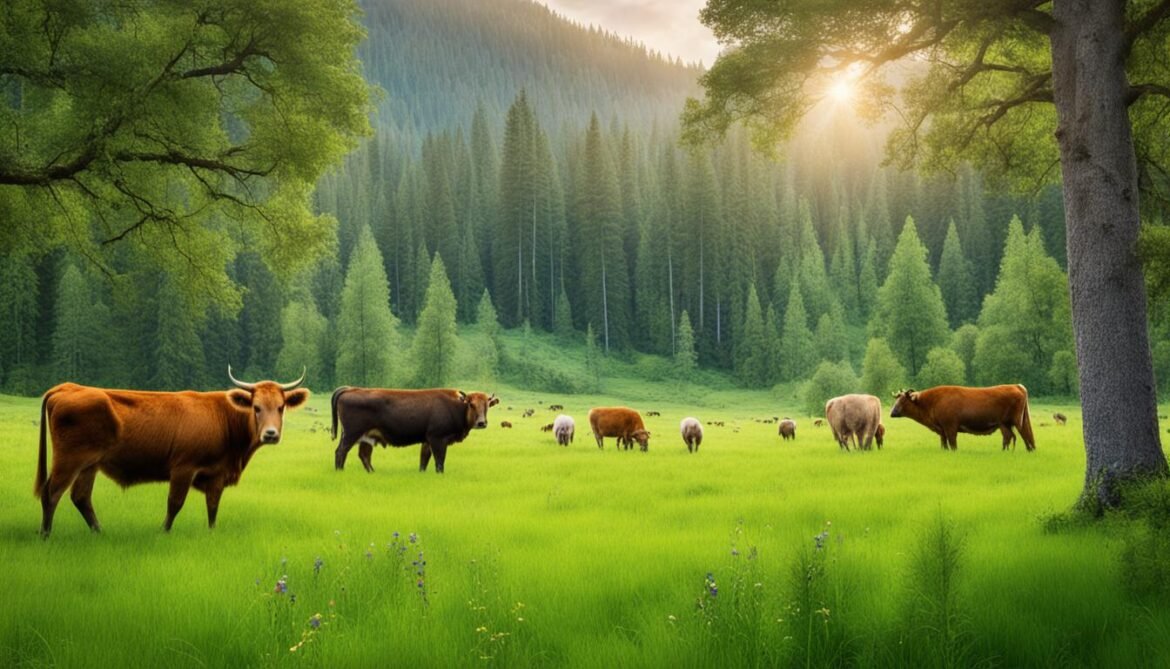
UPM, উরুগুয়ের একটি নেতৃস্থানীয় কোম্পানি, ইউক্যালিপটাস বাগান এবং প্রাকৃতিক বাস্তুতন্ত্রের মধ্যে সহাবস্থানের মাধ্যমে টেকসই ভূমি ব্যবস্থাপনার প্রতি তার প্রতিশ্রুতি প্রদর্শন করে। বনায়ন কার্যক্রম এবং তৃণভূমি এবং বন সংরক্ষণের মধ্যে ভারসাম্য বজায় রাখার মাধ্যমে, UPM উদ্ভিদ এবং প্রাণী প্রজাতির বিস্তৃত পরিসরের জন্য প্রয়োজনীয় আবাসস্থল সরবরাহ করে।
To ensure effective biodiversity conservation, UPM collaborates with external experts, who monitor the biodiversity levels and implement conservation measures. Special attention is given to the protection of endemic and threatened species, aiming to maintain the ecological balance and preserve the uniqueness of Uruguay’s biodiversity.
“Private landowners, along with government agencies and environmental organizations, must work collaboratively to enhance biodiversity conservation efforts on private lands.”
টেকসই ভূমি ব্যবস্থাপনা অনুশীলনের প্রচার এবং কার্যকর সংরক্ষণ কৌশল বাস্তবায়নের জন্য এই সহযোগিতামূলক পদ্ধতি অপরিহার্য। জ্ঞান, সম্পদ এবং দক্ষতা ভাগ করে নেওয়ার মাধ্যমে, ব্যক্তিগত জমির মালিকরা উরুগুয়ের জীববৈচিত্র্য সংরক্ষণে উল্লেখযোগ্যভাবে অবদান রাখতে পারে।
অংশীদারিত্বের মাধ্যমে এবং সম্প্রদায়ের সংযুক্তি, private landholdings can serve as models for sustainable land management that balances economic needs with environmental protection. Initiatives such as educational programs, land use planning, and the establishment of protected areas further support biodiversity conservation efforts.
সংরক্ষণ উদ্যোগের উদাহরণ
উরুগুয়েতে বেশ কিছু ব্যক্তিগত জমিদারি সফলভাবে সংরক্ষণের উদ্যোগ বাস্তবায়ন করেছে:
- Estancia San Eugenio: This private ranch in Rocha Department has dedicated areas for ecological conservation, protecting native grasslands and forests. It collaborates with local universities to conduct research on biodiversity and environmental education programs.
- Estancia Monte Dinero: Located in Tacuarembó Department, this landholding focuses on biodiversity-friendly cattle ranching. It combines extensive grazing systems with habitat restoration and wildlife conservation.
- Estancia El Tala: Situated in Durazno Department, this landholding has implemented agroforestry practices, integrating tree plantations with livestock farming. It aims to enhance biodiversity through reforestation and the conservation of wetlands and water resources.
এই উদাহরণগুলি জীববৈচিত্র্যে সক্রিয়ভাবে অবদান রাখার জন্য ব্যক্তিগত জমির সম্ভাব্যতা প্রদর্শন করে উরুগুয়ে সংরক্ষণ টেকসই ভূমি ব্যবস্থাপনা অনুশীলন প্রচার করার সময়।
জীববৈচিত্র্য সংরক্ষণে ইকোসিস্টেম পরিষেবার গুরুত্ব
জীববৈচিত্র্য উরুগুয়ে সংরক্ষণ ইকোসিস্টেম পরিষেবাগুলির বিধানের সাথে ঘনিষ্ঠভাবে জড়িত। দেশের বৈচিত্র্যময় বাস্তুতন্ত্রগুলি প্রয়োজনীয় পরিষেবাগুলি অফার করে যা প্রকৃতি এবং সমাজ উভয়ের মঙ্গলে অবদান রাখে। এই পরিষেবাগুলি যেমন গুরুত্বপূর্ণ দিকগুলিকে অন্তর্ভুক্ত করে মাটি ক্ষয় ব্যবস্থাপনা, জল পরিস্রাবণ, এবং জলবায়ু নিয়ন্ত্রণ.
একটি উল্লেখযোগ্য উরুগুয়ে ইকোসিস্টেম পরিষেবা is মাটি ক্ষয় ব্যবস্থাপনা. জলাভূমি, বন এবং তৃণভূমি সহ দেশের বাস্তুতন্ত্র মাটি ক্ষয় রোধে গুরুত্বপূর্ণ ভূমিকা পালন করে। এই প্রাকৃতিক বাসস্থানগুলি প্রতিরক্ষামূলক বাধা হিসাবে কাজ করে, বৃষ্টিপাত এবং বাতাসের কারণে মাটির ক্ষতির ঝুঁকি হ্রাস করে। এই বাস্তুতন্ত্র সংরক্ষণ করে, আমরা সুস্থ মাটি বজায় রাখতে পারি, কৃষি উৎপাদনশীলতা সংরক্ষণ করতে পারি এবং জলাশয়ে পলি জমা রোধ করতে পারি।
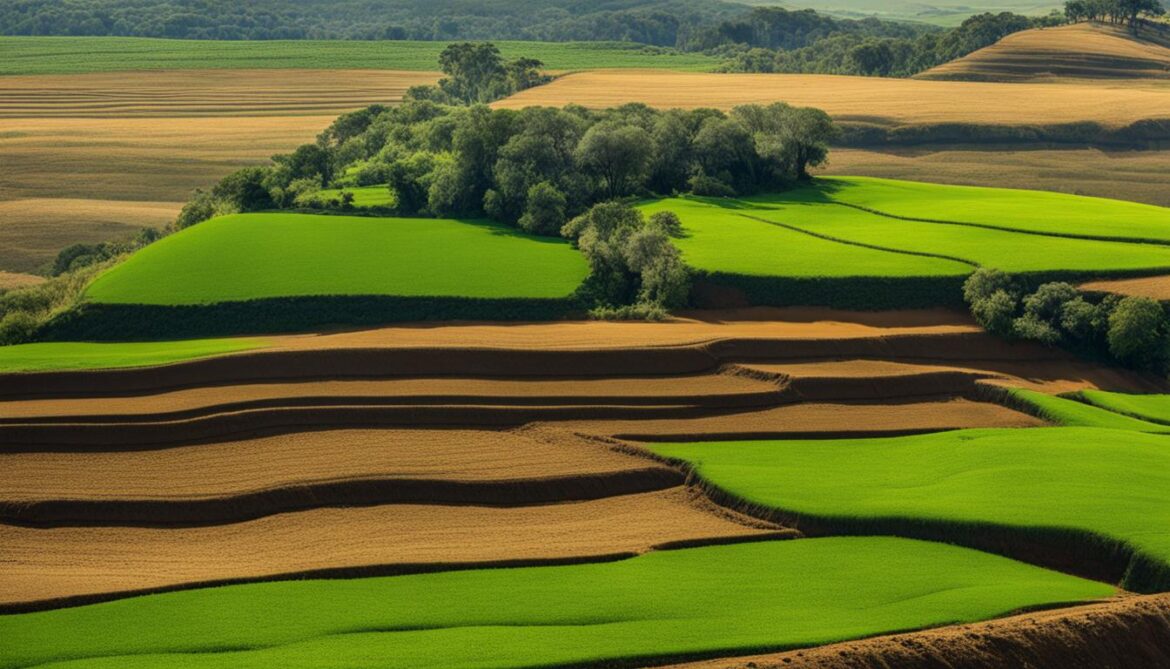
আরেকটি অত্যাবশ্যক ইকোসিস্টেম পরিষেবা জল পরিস্রাবণ. জলাভূমি, বিশেষ করে, প্রাকৃতিক পরিস্রাবণ ব্যবস্থা প্রদান করে যা জলের গুণমান উন্নত করে। তারা স্পঞ্জ হিসাবে কাজ করে, দূষণকারী এবং পুষ্টি শোষণ করে এবং ধরে রাখে, যার ফলে জলজ বাস্তুতন্ত্রের সামগ্রিক স্বাস্থ্যের উন্নতি হয়। জলাভূমি সংরক্ষণ ও পুনরুদ্ধার করা বিশুদ্ধ পানির উৎস নিশ্চিত করতে এবং জীববৈচিত্র্য রক্ষার জন্য অপরিহার্য।
দ্বারা উত্থাপিত চ্যালেঞ্জ মোকাবেলা জলবায়ু পরিবর্তন, ইকোসিস্টেম পরিষেবাগুলিও একটি গুরুত্বপূর্ণ ভূমিকা পালন করে জলবায়ু নিয়ন্ত্রণ. Forests, for instance, sequester carbon dioxide, helping to mitigate greenhouse gas emissions. They also regulate local microclimates, influencing temperature, humidity, and precipitation patterns. Conserving forests and promoting reforestation efforts are essential strategies for adapting to climate change in Uruguay.
সংক্ষেপে, সুরক্ষা এবং পরিচালনা উরুগুয়েতে জীববৈচিত্র্য goes hand in hand with the preservation of valuable ecosystem services. By recognizing and valuing these services, we can develop sustainable land management practices and climate change adaptation strategies that ensure the long-term health and resilience of Uruguay’s ecosystems.
জীববৈচিত্র্য সংরক্ষণে স্টেকহোল্ডার জড়িত থাকার ভূমিকা
স্টেকহোল্ডার জড়িত থাকার জীববৈচিত্র্য একটি গুরুত্বপূর্ণ ভূমিকা পালন করে উরুগুয়ে সংরক্ষণ. সংরক্ষণ ব্যবস্থার সফল বাস্তবায়নের জন্য স্থানীয় সম্প্রদায়, আদিবাসী এবং অন্যান্য স্টেকহোল্ডারদের সক্রিয় অংশগ্রহণ অপরিহার্য। সহযোগিতা এবং সংলাপে জড়িত থাকার মাধ্যমে, বিভিন্ন অভিনেতা যেমন সরকারী সংস্থা, বেসরকারী সংস্থাগুলি এবং নাগরিক সমাজ সংস্থাগুলি জীববৈচিত্র্য সংরক্ষণের জন্য আরও কার্যকর কৌশল বিকাশ করতে পারে।
স্থানীয় সম্প্রদায় এবং আদিবাসীরা যখন সংরক্ষণের প্রচেষ্টায় জড়িত থাকে, তখন তাদের মূল্যবান ঐতিহ্যগত জ্ঞান এবং অনুশীলনগুলি টেকসই পদ্ধতিতে জীববৈচিত্র্য সংরক্ষণে অবদান রাখতে পারে। এই সম্পৃক্ততা এই গোষ্ঠীগুলির মধ্যে মালিকানা এবং দায়িত্বের বোধ জাগিয়ে তোলে, প্রাকৃতিক সম্পদের সুরক্ষার প্রতি গভীর প্রতিশ্রুতি লালন করে।
অধিকন্তু, পরিবেশ ও অর্থনীতি উভয়েরই প্রয়োজনীয়তা পূরণ করে এমন ব্যাপক সংরক্ষণ পরিকল্পনা তৈরির জন্য সরকারি সংস্থা এবং বেসরকারি খাতের মধ্যে সহযোগিতা অত্যন্ত গুরুত্বপূর্ণ। একসাথে কাজ করার মাধ্যমে, এই স্টেকহোল্ডাররা উদ্ভাবনী সমাধান খুঁজে পেতে পারে যা অর্থনৈতিক উন্নয়নের সাথে জীববৈচিত্র্য সংরক্ষণের ভারসাম্য বজায় রাখে।
Environmental education and awareness initiatives also play a significant role in promoting community involvement in conservation efforts. By raising awareness about the importance of biodiversity and its role in sustaining ecosystems and livelihoods, these initiatives empower individuals and communities to take action in their own daily lives.
যখন জীববৈচিত্র্য সংরক্ষণের কথা আসে, তখন প্রত্যেক ব্যক্তির একটি ভূমিকা রয়েছে। সকল স্তরে স্টেকহোল্ডারদের সম্পৃক্ত করার মাধ্যমে, আমরা একটি সম্মিলিত প্রভাব তৈরি করতে পারি যা কোনো একক সংস্থা বা সম্প্রদায়ের সীমানা ছাড়িয়ে যায়।
অংশীদারিত্ব প্রতিষ্ঠা করে, সংলাপ বৃদ্ধি করে এবং সকল স্টেকহোল্ডারের জ্ঞান ও দৃষ্টিভঙ্গির মূল্যায়ন করে, উরুগুয়ে কার্যকর জীববৈচিত্র্য সংরক্ষণের জন্য একটি শক্ত ভিত্তি তৈরি করতে পারে। একসাথে, আমরা দেশের সমৃদ্ধ ও বৈচিত্র্যময় প্রাকৃতিক ঐতিহ্যের দীর্ঘমেয়াদী সংরক্ষণ নিশ্চিত করতে পারি।
জীববৈচিত্র্য সংরক্ষণে সম্প্রদায়ের অংশগ্রহণ
সম্প্রদায়ের অংশগ্রহণ একটি মূল উপাদান উরুগুয়েতে জীববৈচিত্র্য সংরক্ষণ. Local communities have a deep connection to the land and natural resources, making them important custodians of biodiversity. Their involvement in conservation efforts not only strengthens their sense of identity and cultural heritage but also contributes to the sustainable management of ecosystems.
যখন সম্প্রদায়গুলি সক্রিয়ভাবে জীববৈচিত্র্য সংরক্ষণে অংশগ্রহণ করে, তখন তারা তাদের জীবন এবং পরিবেশকে প্রভাবিত করে এমন সিদ্ধান্ত নেওয়ার ক্ষমতা পায়। এই অংশগ্রহণ বিভিন্ন রূপ নিতে পারে, যার মধ্যে রয়েছে সংরক্ষিত এলাকা ব্যবস্থাপনা, টেকসই ভূমি ব্যবহার অনুশীলন এবং সম্প্রদায়-ভিত্তিক সংরক্ষণ উদ্যোগের উন্নয়ন।
মালিকানা এবং দায়িত্ববোধকে উত্সাহিত করে, জীববৈচিত্র্য সংরক্ষণে সম্প্রদায়ের অংশগ্রহণ দীর্ঘমেয়াদী স্থায়িত্বকে উন্নীত করে। এটি বাস্তুতন্ত্রের স্থিতিস্থাপকতাকে শক্তিশালী করে এবং সম্প্রদায়ের সামগ্রিক মঙ্গলকে উন্নত করে, মানুষ এবং প্রকৃতির মধ্যে একটি সুরেলা সহাবস্থান নিশ্চিত করে।
জীববৈচিত্র্য সংরক্ষণে আদিবাসীদের সম্পৃক্ততা
জীববৈচিত্র্য সংরক্ষণে আদিবাসীদের সম্পৃক্ততা উরুগুয়েতে অত্যন্ত গুরুত্বপূর্ণ। আদিবাসী সম্প্রদায়ের তাদের পৈতৃক ভূমি এবং ঐতিহ্যগত অনুশীলন সম্পর্কে গভীর জ্ঞান রয়েছে যা প্রজন্মের জন্য জীববৈচিত্র্য বজায় রেখেছে। তাদের সাংস্কৃতিক মূল্যবোধ, আধ্যাত্মিকতা এবং প্রকৃতির সাথে ঘনিষ্ঠ সম্পর্ক সংরক্ষণের জন্য অনন্য অন্তর্দৃষ্টি এবং কৌশল প্রদান করে।
জীববৈচিত্র্য সংরক্ষণ এবং এই সম্প্রদায়ের মঙ্গল নিশ্চিত করার জন্য আদিবাসীদের তাদের ঐতিহ্যগত অঞ্চল এবং সম্পদের অধিকারকে স্বীকৃতি দেওয়া এবং সম্মান করা অপরিহার্য। সিদ্ধান্ত গ্রহণের প্রক্রিয়া এবং সংরক্ষণ নীতির বিকাশে তাদের সক্রিয় অংশগ্রহণ অত্যন্ত গুরুত্বপূর্ণ, কারণ তাদের অমূল্য জ্ঞান এবং দৃষ্টিভঙ্গি রয়েছে।
Indigenous peoples’ traditional knowledge can contribute to sustainable resource management, habitat restoration, and the protection of endangered species. Their holistic understanding of ecosystems and the interconnectedness of all living beings offers valuable lessons for উরুগুয়েতে জীববৈচিত্র্য সংরক্ষণ এবং তার পরেও.
উপসংহার
উরুগুয়ের জীববৈচিত্র্য বিভিন্ন বাস্তুতন্ত্র এবং প্রজাতির একটি ভান্ডার, যা একটি উল্লেখযোগ্য প্রাকৃতিক ঐতিহ্যের প্রতিনিধিত্ব করে। যাইহোক, এই জীববৈচিত্র্যের সংরক্ষণ বিভিন্ন চ্যালেঞ্জের সম্মুখীন হয় যা এর অখণ্ডতাকে হুমকির মুখে ফেলে।
ভূমি ব্যবহারের তীব্রতা এবং আবাসস্থল বিভক্তকরণ সহ মানুষের ক্রিয়াকলাপের কারণে আবাসস্থলের দ্রুত অবক্ষয় একটি উল্লেখযোগ্য চ্যালেঞ্জ তৈরি করেছে উরুগুয়েতে জীববৈচিত্র্য সংরক্ষণ. আক্রমণাত্মক প্রজাতিগুলি স্থানীয় উদ্ভিদ এবং প্রাণীজগতের ক্ষতিতেও অবদান রাখে, বাস্তুতন্ত্রের সূক্ষ্ম ভারসাম্যকে ব্যাহত করে। অধিকন্তু, জলবায়ু পরিবর্তনের প্রভাব, যেমন ক্রমবর্ধমান তাপমাত্রা এবং পরিবর্তিত বৃষ্টিপাতের ধরণগুলি এই চ্যালেঞ্জগুলিকে যোগ করে, জীববৈচিত্র্যের উপর আরও চাপ সৃষ্টি করে৷
To address these challenges, Uruguay has taken proactive steps to enhance biodiversity conservation. The implementation of the National Biodiversity Strategy is a crucial pillar in ensuring the sustainability of the country’s ecological diversity. Integrating biodiversity considerations into environmental impact assessments allows for a more comprehensive understanding of potential impacts and facilitates the development of mitigation measures.
এগিয়ে খুঁজছেন, উরুগুয়েতে জীববৈচিত্র্যের ভবিষ্যত relies on sustainable development practices that strike a balance between economic growth and environmental conservation. The effective implementation of conservation measures, supported by collaborative efforts among all stakeholders, will be essential in safeguarding Uruguay’s remarkable biodiversity for generations to come.
FAQ
উরুগুয়ে পাওয়া কিছু বাস্তুতন্ত্র কি কি?
উরুগুয়ে তৃণভূমি, জলাভূমি, স্থানীয় বন এবং উপকূলীয় উপহ্রদ এর মতো বিভিন্ন বাস্তুতন্ত্রের আবাসস্থল।
উরুগুয়ের ভূখণ্ডের কত অংশ প্রাকৃতিক তৃণভূমি দ্বারা আচ্ছাদিত?
উরুগুয়ের 85% এর বেশি অঞ্চল প্রাকৃতিক তৃণভূমি দ্বারা আচ্ছাদিত।
উরুগুয়ের জীববৈচিত্র্যের প্রধান হুমকি কি?
বাসস্থানের অবক্ষয়, ভূমি ব্যবহারের তীব্রতা বৃদ্ধি, আগ্রাসী বহিরাগত প্রজাতি, দূষণ এবং জলবায়ু পরিবর্তন হলো প্রধান হুমকি। উরুগুয়েতে জীববৈচিত্র্য.
উরুগুয়ের জীববৈচিত্র্যে পশুসম্পদ ও কৃষির ভূমিকা কী?
উরুগুয়ের অর্থনীতিতে পশুসম্পদ এবং কৃষি একটি গুরুত্বপূর্ণ ভূমিকা পালন করে, তবে জমির ব্যবহার তীব্রতা, বিশেষ করে সয়াবিন উৎপাদনের সাথে যুক্ত, তৃণভূমির বাস্তুতন্ত্রের উপর প্রভাব ফেলেছে।
উরুগুয়ের জীববৈচিত্র্যের জন্য জলাভূমি এবং জলাশয়গুলি কেন গুরুত্বপূর্ণ?
উপকূলীয় উপহ্রদ সহ জলাভূমিগুলি গুরুত্বপূর্ণ আবাসস্থল এবং প্রয়োজনীয় ইকোসিস্টেম পরিষেবা প্রদান করে। যাইহোক, তারা বাসস্থানের অবক্ষয় এবং দূষণ দ্বারা প্রভাবিত হয়, তাদের জীববৈচিত্র্যের জন্য হুমকিস্বরূপ।
উরুগুয়ের কতটুকু দেশীয় বনভূমি দ্বারা আচ্ছাদিত?
স্থানীয় বন উরুগুয়ের জাতীয় ভূখণ্ডের 6% জুড়ে।
উরুগুয়ের কিছু হুমকির সম্মুখীন প্রজাতি কি?
উরুগুয়ে হল বিশ্বব্যাপী হুমকির মুখে থাকা পাখির প্রজাতি যেমন হলুদ কার্ডিনাল এবং কালো-সাদা মঞ্জিটা।
উরুগুয়ের জীববৈচিত্র্যের প্রধান চাপ কি?
প্রধান উরুগুয়ের জীববৈচিত্র্যের উপর চাপ শক্তি ও খনিজ উৎপাদন, নগর ও পর্যটন উন্নয়ন, আগ্রাসী বহিরাগত প্রজাতি, বনায়ন, দূষণ এবং জলবায়ু পরিবর্তন থেকে আসে।
জীববৈচিত্র্য সংরক্ষণ বাড়ানোর জন্য উরুগুয়ে কী ব্যবস্থা গ্রহণ করেছে?
উরুগুয়ে ন্যাশনাল প্রোটেক্টেড এরিয়াস সিস্টেমে আইন গ্রহণ করেছে, শিক্ষা পাঠ্যক্রমের মধ্যে জীববৈচিত্র্যকে একীভূত করেছে এবং ভূমি ব্যবহার পরিকল্পনার জন্য একটি নিয়ন্ত্রক কাঠামো তৈরি করেছে।
কিভাবে উরুগুয়ে জীববৈচিত্র্যের উপর উন্নয়ন প্রকল্পের সম্ভাব্য প্রভাব মূল্যায়ন করে?
উরুগুয়ের একটি পরিবেশগত প্রভাব মূল্যায়ন (EIA) সিস্টেম রয়েছে যা জীববৈচিত্র্যের উপর উন্নয়ন প্রকল্পগুলির সম্ভাব্য প্রভাবগুলি মূল্যায়ন করতে পারে৷ EIA প্রক্রিয়ার মধ্যে রয়েছে স্ক্রীনিং, জীববৈচিত্র্যের তথ্য সংগ্রহ এবং বিশ্লেষণ, প্রভাবের পূর্বাভাস এবং মূল্যায়ন, এবং প্রশমন ব্যবস্থা।
কিভাবে ব্যক্তিগত জমি উরুগুয়ে জীববৈচিত্র্য সংরক্ষণে অবদান রাখছে?
UPM-এর মতো উরুগুয়ের ব্যক্তিগত জমিগুলি তাদের জমিতে জীববৈচিত্র্যের কৌশল এবং সংরক্ষণ কর্মসূচি বাস্তবায়ন করেছে, প্রাকৃতিক বাস্তুতন্ত্রের সাথে সহাবস্থান করে এবং স্থানীয় ও বিপন্ন প্রজাতির সংরক্ষণ করে।
জীববৈচিত্র্য সংরক্ষণে ইকোসিস্টেম পরিষেবাগুলির গুরুত্ব কী?
উরুগুয়ের ইকোসিস্টেমগুলি জৈব বৈচিত্র্য বজায় রাখার জন্য অত্যন্ত গুরুত্বপূর্ণ মাটির ক্ষয় নিয়ন্ত্রণ, জল পরিস্রাবণ এবং জলবায়ু নিয়ন্ত্রণের মতো প্রয়োজনীয় পরিষেবা প্রদান করে।
উরুগুয়েতে জীববৈচিত্র্য সংরক্ষণে স্টেকহোল্ডারদের সম্পৃক্ততা কীভাবে অবদান রাখে?
উরুগুয়েতে জীববৈচিত্র্য সংরক্ষণ ব্যবস্থার সফল বাস্তবায়নের জন্য স্থানীয় সম্প্রদায়, আদিবাসী জনগণ এবং অন্যান্য স্টেকহোল্ডারদের অংশগ্রহণ সহ স্টেকহোল্ডার জড়িত থাকা অপরিহার্য।
উরুগুয়েতে জীববৈচিত্র্য সংরক্ষণের চ্যালেঞ্জ এবং ভবিষ্যত কি?
উরুগুয়েতে জীববৈচিত্র্য সংরক্ষণ অনেক চ্যালেঞ্জের সম্মুখীন, কিন্তু জাতীয় জীববৈচিত্র্য কৌশল এবং টেকসই উন্নয়ন অনুশীলনের মতো প্রচেষ্টা দেশের জীববৈচিত্র্যের ভবিষ্যতের জন্য অত্যন্ত গুরুত্বপূর্ণ।