




থাইল্যান্ডের জীববৈচিত্র্য এবং বিল্ট এনভায়রনমেন্ট
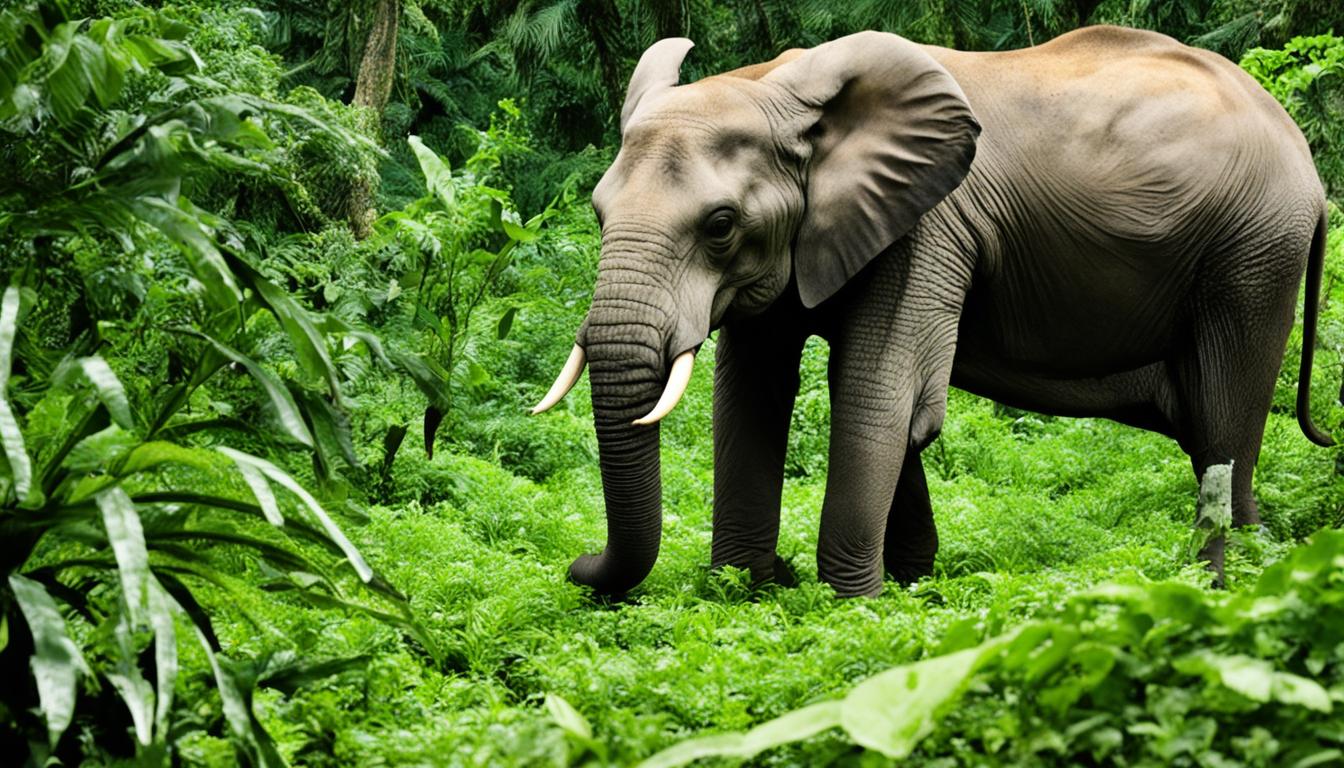
Thailand is home to an impressive array of plant and animal species, contributing to its rich জীব বৈচিত্র্য. With 15,000 plant species, Thailand accounts for 8% of the world’s total. The country’s ecosystems and habitats, from lush forests to vibrant coastal areas, create a haven for diverse flora and fauna.
However, Thailand’s biodiversity faces significant threats. Illegal hunting, habitat loss, destructive fishing practices, pollution, and invasive species all pose risks to the survival of many species. To address these challenges, conservation efforts and sustainable practices are essential.
কী Takeaways:
- থাইল্যান্ডে 15,000টি উদ্ভিদ প্রজাতি রয়েছে, যা বিশ্বের মোট 8% প্রতিনিধিত্ব করে।
- থাইল্যান্ডের জীববৈচিত্র্যের জন্য হুমকির মধ্যে রয়েছে অবৈধ শিকার, বাসস্থানের ক্ষতি, ধ্বংসাত্মক মাছ ধরার অনুশীলন, দূষণ এবং আক্রমণাত্মক প্রজাতি।
- Conservation efforts and sustainable practices are crucial for protecting থাইল্যান্ডের অনন্য ইকোসিস্টেম এবং বাসস্থান।
থাইল্যান্ডের অনন্য ইকোসিস্টেম এবং বাসস্থান
থাইল্যান্ড হল বৈচিত্র্যময় বাস্তুতন্ত্র এবং বাসস্থানের আবাসস্থল, যা এটিকে জীববৈচিত্র্যের আশ্রয়স্থল করে তুলেছে। সুমিষ্ট অরণ্য এবং মহিমান্বিত পর্বত থেকে শুরু করে নির্মল জলাভূমি এবং প্রাণবন্ত উপকূলীয় অঞ্চল, থাইল্যান্ডের ল্যান্ডস্কেপ প্রাকৃতিক সম্পদের অফার দেয়।
এই বাস্তুতন্ত্রগুলি থাই ইকোসিস্টেমগুলিতে পাওয়া সমৃদ্ধ জীববৈচিত্র্যের জন্য অবদান রেখে বিভিন্ন ধরণের উদ্ভিদ এবং প্রাণী প্রজাতির জন্য প্রয়োজনীয় আবাসস্থল সরবরাহ করে। দেশের অনন্য ভৌগলিক বৈশিষ্ট্য এবং বৈচিত্র্যময় জলবায়ু বিস্তৃত উদ্ভিদ ও প্রাণীজগতের বিকাশের জন্য আদর্শ পরিস্থিতি তৈরি করে।
Notable biodiversity hotspots can be found throughout Thailand, with the Indochinese region in the north and the Sundiac region in the south standing out as particularly significant areas. These hotspots are characterized by their high concentration of species and their importance in the preservation of Thailand’s biodiversity.
দেশের উত্তরাঞ্চলে অবস্থিত ইন্দোচাইনিজ অঞ্চলটি তার ঘন বন এবং রুক্ষ পাহাড়ের জন্য পরিচিত। এই অঞ্চলে সরীসৃপ, উভচর এবং বিভিন্ন প্রজাতির পাখি সহ অনন্য প্রজাতির একটি পরিসর রয়েছে।
“The biodiversity found in Thailand’s Indochinese region is truly remarkable. It is a treasure trove of unique species and ecosystems, highlighting the importance of protecting this invaluable natural heritage.” – Dr. Somsak Wanmuang, Wildlife Biologist
অন্যদিকে, থাইল্যান্ডের দক্ষিণে সুন্দিয়াক অঞ্চলটি এর উপকূলীয় অঞ্চল, ম্যানগ্রোভ বন এবং সামুদ্রিক বাস্তুতন্ত্র দ্বারা চিহ্নিত করা হয়। এই আবাসস্থলগুলি বিভিন্ন মাছের প্রজাতি, ডলফিন এবং সামুদ্রিক কচ্ছপ সহ অসংখ্য সামুদ্রিক প্রজাতির জন্য একটি আশ্রয়স্থল প্রদান করে।
“থাইল্যান্ডের উপকূলীয় অঞ্চল এবং সানডিয়াক অঞ্চলের সামুদ্রিক বাস্তুসংস্থানগুলি জীবনের সাথে মিশছে। তারা অনেক সামুদ্রিক প্রজাতির বেঁচে থাকার এবং প্রজননের জন্য অত্যাবশ্যক, তাদের সংরক্ষণকে অপরিহার্য করে তোলে।" – ডাঃ নান্টারিকা চানসু, সামুদ্রিক জীববিজ্ঞানী
Preserving and protecting these unique ecosystems and habitats is essential for the sustainability of Thailand’s biodiversity. By implementing effective conservation strategies and promoting sustainable practices, Thailand can ensure the survival of its diverse flora and fauna for future generations.
| ইকোসিস্টেম | জীববৈচিত্র্য | তাত্পর্য |
|---|---|---|
| লশ বন | উদ্ভিদ ও প্রাণী প্রজাতির বিস্তৃত পরিসর | জটিল পরিবেশগত মিথস্ক্রিয়া সমর্থন করে |
| রাজকীয় পর্বতমালা | অনন্য সরীসৃপ, উভচর এবং পাখির প্রজাতি | গুরুত্বপূর্ণ প্রজনন এবং খাওয়ানোর জায়গা প্রদান করে |
| নির্মল জলাভূমি | বিভিন্ন জলজ এবং পাখির প্রজাতি | জল পরিস্রাবণ এবং বন্যা নিয়ন্ত্রণের জন্য গুরুত্বপূর্ণ |
| প্রাণবন্ত উপকূলীয় এলাকা | সমৃদ্ধ সামুদ্রিক জীববৈচিত্র্য | মৎস্য চাষ সমর্থন করে এবং ক্ষয় থেকে রক্ষা করে |
থাইল্যান্ডের বাস্তুতন্ত্র এবং বাসস্থানের জন্য হুমকি
Despite their importance, Thailand’s ecosystems and habitats are facing various threats. These include deforestation, habitat loss due to urbanization and agriculture, pollution from industrial and agricultural activities, and the impacts of climate change. These challenges highlight the need for urgent action to protect and preserve Thailand’s unique biodiversity.
থাইল্যান্ডে বিপন্ন প্রজাতি
থাইল্যান্ড বর্তমানে প্রজাতির উল্লেখযোগ্য ক্ষতির সম্মুখীন হচ্ছে, প্রচুর সংখ্যক প্রাণী ও উদ্ভিদ প্রজাতি বিপন্ন হিসাবে শ্রেণীবদ্ধ বা বিলুপ্তির ঝুঁকির সম্মুখীন। এর মধ্যে রয়েছে স্তন্যপায়ী প্রাণী, পাখি, সরীসৃপ, উভচর, মাছ এবং গাছপালা। এর উল্লেখযোগ্য উদাহরণ থাইল্যান্ডে বিপন্ন প্রজাতি রাজকীয় বন্য হাতি, আইকনিক বাঘ এবং মন্ত্রমুগ্ধ ইরাওয়াডি ডলফিন অন্তর্ভুক্ত।
To protect these endangered species and their habitats, conservation measures are being implemented across Thailand. The establishment of wildlife sanctuaries and protected areas plays a crucial role in ensuring the survival and recovery of these threatened species. These protected spaces provide a safe haven for the flora and fauna, allowing them to thrive and reproduce without the constant threat of human activities.
“Conservation is the key to safeguarding our rich biodiversity and preserving the natural heritage of Thailand. By protecting and restoring habitats, we can create a sustainable future for our threatened species and ensure their survival for generations to come.”– ডঃ সোমকিয়াত সুন্টর্নপিটাক্কুল, জাতীয় উদ্যান, বন্যপ্রাণী এবং উদ্ভিদ সংরক্ষণ বিভাগের পরিচালক
Thailand’s commitment to species conservation is reflected in ongoing efforts to strengthen legislation, enforce stricter regulations against illegal wildlife trade, and raise awareness about the importance of biodiversity. Collaborations between government agencies, non-profit organizations, and local communities are essential for the successful conservation of থাইল্যান্ডে বিপন্ন প্রজাতি.
By prioritizing the protection and conservation of these endangered species, Thailand aims to maintain its unique ecological balance and preserve its natural heritage for future generations. The collective efforts of individuals, organizations, and government bodies are crucial in ensuring the long-term survival and sustainability of Thailand’s diverse flora and fauna.
Furthermore, educating the public about the value of biodiversity and the significance of conservation helps foster a sense of environmental stewardship among the Thai population. This awareness empowers individuals to make sustainable choices and contribute to the protection of endangered species and their habitats.
Thailand’s unyielding commitment to species conservation stands as a testament to the nation’s determination to preserve its natural treasures. By taking proactive measures to safeguard its threatened species, Thailand aims to set an example for other countries in promoting biodiversity preservation and creating a sustainable future.

| বিপন্ন প্রজাতি | সংরক্ষণ অবস্থা | প্রাথমিক হুমকি |
|---|---|---|
| বন্য হাতি | বিপন্ন | বাসস্থানের ক্ষতি, শিকার |
| টাইগারদের | বিপন্ন | অবৈধ শিকার, বাসস্থানের ক্ষতি |
| ইরাবদি ডলফিন | বিপন্ন | বাসস্থানের ক্ষতি, মাছ ধরার বাইক্যাচ |
| সিয়াম কুমির | সমালোচকদের বিপন্ন | বাসস্থানের ক্ষতি, অবৈধ ব্যবসা |
| এশিয়ান জায়ান্ট সফটশেল কচ্ছপ | সমালোচকদের বিপন্ন | বাসস্থানের ক্ষতি, অবৈধ ব্যবসা |
থাইল্যান্ডে জীববৈচিত্র্যের উপর মানুষের কার্যকলাপের প্রভাব
বিভিন্ন মানবিক ক্রিয়াকলাপের কারণে থাইল্যান্ডের জীববৈচিত্র্য অত্যন্ত হুমকির মধ্যে রয়েছে যা আবাসস্থলের ক্ষতি, অবৈধ লগিং, ধ্বংসাত্মক মাছ ধরার অনুশীলন, দূষণ এবং আক্রমণাত্মক প্রজাতির প্রবর্তনের কারণ হচ্ছে। এই কার্যক্রম একটি উল্লেখযোগ্য এবং ক্ষতিকর আছে জীববৈচিত্র্যের উপর প্রভাব দেশে.
Habitat loss is a result of forest clearance, urbanization, and agricultural expansion, leading to the fragmentation of natural habitats. This, in turn, disrupts ecosystems and threatens the survival of many plant and animal species. The destruction caused by অবৈধ লগিং বনের ক্ষতিকে আরও বাড়িয়ে দেয় এবং বিপন্ন প্রজাতিগুলিকে বিপন্ন করে যেগুলি তাদের বেঁচে থাকার জন্য তাদের উপর নির্ভর করে।
সার্জারির ধ্বংসাত্মক মাছ ধরার অনুশীলন employed in Thailand’s waters pose a grave risk to marine ecosystems. Overfishing, the use of dynamite or toxic substances, and unsustainable fishing methods are depleting fish populations and damaging coral reefs, affecting the delicate balance of aquatic life.
থাইল্যান্ড দূষণের ক্ষেত্রে বিশেষ করে শহরাঞ্চল এবং শিল্প অঞ্চলে গুরুতর চ্যালেঞ্জের সম্মুখীন হয়। দ্য দূষণ resulting from industrial activities, improper waste disposal, and the burning of agricultural residues have severe consequences for the environment and the species that inhabit it.
তদ্ব্যতীত, পরিচয় আক্রমণকারী প্রজাতি poses a significant threat to Thailand’s native flora and fauna. These non-native species often outcompete indigenous species for resources, disrupt food chains, and alter local ecosystems, further contributing to the decline of biodiversity.
"দ্য জীববৈচিত্র্যের উপর মানুষের কার্যকলাপের প্রভাব থাইল্যান্ডে উদ্বেগজনক। আবাসস্থলের ক্ষতি, অবৈধ লগিং, ধ্বংসাত্মক মাছ ধরার চর্চা, দূষণ এবং আক্রমণাত্মক প্রজাতি সবই দেশের সমৃদ্ধ প্রাকৃতিক ঐতিহ্যের উপর প্রভাব ফেলছে।” - ডাঃ সোমপোর্ন ওংসাথান, জীববৈচিত্র্য সংরক্ষণ প্রতিষ্ঠান
থাইল্যান্ডের জন্য এই হুমকিগুলি মোকাবেলা করার জন্য জরুরী ব্যবস্থা গ্রহণ করা এবং এর জন্য টেকসই অনুশীলনের প্রচার করা অত্যন্ত গুরুত্বপূর্ণ জীববৈচিত্র্য সংরক্ষণ. আবাসস্থল রক্ষা এবং পুনরুদ্ধার করার জন্য প্রচেষ্টা করা আবশ্যক, লগিং এবং মাছ ধরার অনুশীলনের উপর কঠোর প্রবিধান প্রণয়ন করা, দূষণ হ্রাস করা এবং আক্রমণাত্মক প্রজাতির প্রবর্তন রোধ করা। থাইল্যান্ডের বৈচিত্র্যময় বাস্তুতন্ত্র এবং তাদের উপর নির্ভরশীল প্রজাতির দীর্ঘমেয়াদী বেঁচে থাকা নিশ্চিত করার জন্য সরকারী সংস্থা, স্থানীয় সম্প্রদায় এবং এনজিওগুলিকে জড়িত সহযোগিতামূলক উদ্যোগগুলি চাবিকাঠি।

স্বীকৃতি দিয়ে জীববৈচিত্র্যের উপর মানুষের কার্যকলাপের প্রভাব এবং এই প্রভাবগুলি প্রশমিত করার জন্য সক্রিয় পদক্ষেপ গ্রহণ করে, থাইল্যান্ড আরও টেকসই ভবিষ্যতের পথ প্রশস্ত করতে পারে এবং একটি নেতা হতে পারে জীববৈচিত্র্য সংরক্ষণ.
থাইল্যান্ডে জলবায়ু পরিবর্তন এবং জীববৈচিত্র্য
Climate change is a significant factor influencing the biodiversity of Thailand. The rising temperatures, shifting rainfall patterns, and extreme weather events associated with climate change pose new challenges to the delicate balance of ecosystems and species. These changes have the potential to disrupt the habitats and life cycles of many plants and animals, ultimately impacting their survival and reproduction.
অনুমানগুলি পরামর্শ দেয় যে 2070 সাল নাগাদ, থাইল্যান্ডে অসংখ্য প্রজাতি জনসংখ্যা হ্রাস পাবে, বিলুপ্তির ঝুঁকি বাড়াবে। এটি দেশের সমৃদ্ধ জীববৈচিত্র্য এবং এটি সমর্থন করে জীবনের জটিল ওয়েবের জন্য একটি সমালোচনামূলক উদ্বেগ উপস্থাপন করে। এই প্রজাতির ক্ষতি শুধুমাত্র থাইল্যান্ডের পরিবেশগত ঐতিহ্যকে হ্রাস করবে না বরং গুরুত্বপূর্ণ ইকোসিস্টেম ফাংশন এবং পরিষেবাগুলিকে ব্যাহত করবে।
প্রতিক্রিয়া হিসাবে জীববৈচিত্র্যের উপর জলবায়ু পরিবর্তনের প্রভাব, adaptation measures are essential. Protecting and restoring habitats provide improved resiliency for species, allowing them to adapt to the changing environmental conditions. These measures include afforestation, habitat restoration initiatives, and the establishment of protected areas to safeguard vulnerable ecosystems.
“থাইল্যান্ডের জীববৈচিত্র্য রক্ষার ক্ষেত্রে জলবায়ু পরিবর্তন আমাদের সবচেয়ে বড় চ্যালেঞ্জগুলোর একটি। লক্ষ্যযুক্ত সংরক্ষণ প্রচেষ্টা এবং টেকসই অনুশীলনের মাধ্যমে, আমরা আমাদের অনন্য উদ্ভিদ এবং প্রাণীজগতকে রক্ষা করতে পারি এবং তাদের ভবিষ্যতের অস্তিত্ব নিশ্চিত করতে পারি।" – ডঃ থানিয়া নেতিথাম্মাকুল, মহাপরিচালক, জাতীয় উদ্যান বিভাগ, বন্যপ্রাণী ও উদ্ভিদ সংরক্ষণ
Thailand has demonstrated a commitment to addressing climate change through various initiatives. The country has set goals to reduce greenhouse gas emissions and promote energy efficiency, aligning with its national objectives of টেকসই উন্নয়ন and climate change mitigation. These efforts aim to reduce the environmental impacts that contribute to climate change and, in turn, safeguard the country’s biodiversity.
জলবায়ু পরিবর্তনের মুখে জীববৈচিত্র্য রক্ষার গুরুত্ব স্বীকার করে এবং এর প্রভাবগুলিকে খাপ খাইয়ে নেওয়ার এবং প্রশমিত করার ব্যবস্থা বাস্তবায়নের মাধ্যমে, থাইল্যান্ড ভবিষ্যৎ প্রজন্মের জন্য তার প্রাকৃতিক ঐতিহ্য সংরক্ষণের দিকে গুরুত্বপূর্ণ পদক্ষেপ নিচ্ছে।

জীববৈচিত্র্যের উপর জলবায়ু পরিবর্তনের প্রভাব
জীববৈচিত্র্যের উপর জলবায়ু পরিবর্তনের প্রভাব ব্যাপক এবং বহুমুখী। তাপমাত্রা বৃদ্ধির সাথে সাথে, অনেক প্রজাতি ভৌগলিক পরিসরের পরিবর্তনের সম্মুখীন হতে পারে, শীতল অঞ্চলে বা উচ্চতর উচ্চতায় উপযুক্ত বাসস্থানের সন্ধান করতে পারে। এই আন্দোলন প্রজাতির মধ্যে সূক্ষ্ম মিথস্ক্রিয়াকে ব্যাহত করতে পারে, যার ফলে শিকারী-শিকার সম্পর্ক, পরাগায়ন গতিশীলতা এবং সামগ্রিক বাস্তুতন্ত্রের কার্যকারিতা পরিবর্তন হতে পারে।
বৃষ্টিপাতের ধরণে পরিবর্তন জল সম্পদের প্রাপ্যতাকে প্রভাবিত করতে পারে, যা স্বাদু পানি এবং সামুদ্রিক বাস্তুতন্ত্র উভয়কেই প্রভাবিত করে। খরা এবং বৃষ্টিপাত হ্রাস পানির ঘাটতি হতে পারে, যা নির্দিষ্ট জলের অবস্থার উপর নির্ভরশীল প্রজাতিকে প্রভাবিত করতে পারে। বিপরীতভাবে, চরম বৃষ্টিপাতের ঘটনা এবং বন্যা আবাসস্থল ধ্বংস, জনসংখ্যার স্থানচ্যুতি এবং রোগের সংবেদনশীলতা বৃদ্ধির কারণ হতে পারে।
এই প্রভাবগুলির সংমিশ্রণের ফলে জনসংখ্যা হ্রাস এবং প্রজাতির বিলুপ্তি ঘটতে পারে। উদ্ভিদ প্রজাতির ক্ষতি খাদ্য শৃঙ্খল ব্যাহত করতে পারে এবং অন্যান্য প্রজাতির জন্য সম্পদের প্রাপ্যতা হ্রাস করতে পারে। উপরন্তু, জীববৈচিত্র্য হ্রাস বাস্তুতন্ত্রের স্থিতিস্থাপকতা হ্রাস করে, তাদের আরও পরিবেশগত পরিবর্তনের জন্য আরও ঝুঁকিপূর্ণ করে তোলে।
জলবায়ু পরিবর্তনের সাথে অভিযোজনের জন্য একটি সামগ্রিক পদ্ধতির প্রয়োজন যা থাইল্যান্ডের বৈচিত্র্যময় উদ্ভিদ এবং প্রাণীজগতের দীর্ঘমেয়াদী বেঁচে থাকা নিশ্চিত করার জন্য সংরক্ষণ প্রচেষ্টা, নীতি হস্তক্ষেপ এবং টেকসই অনুশীলনগুলিকে অন্তর্ভুক্ত করে।
থাইল্যান্ডে জলবায়ু পরিবর্তনের সাথে অভিযোজন
থাইল্যান্ড মানিয়ে নেওয়ার জরুরিতা স্বীকার করেছে জীববৈচিত্র্যের উপর জলবায়ু পরিবর্তনের প্রভাব এবং বেশ কিছু অভিযোজন কৌশল বাস্তবায়ন করেছে। এই কৌশলগুলির লক্ষ্য বাস্তুতন্ত্র সংরক্ষণ এবং রক্ষা করা, তাদের স্থিতিস্থাপকতা বৃদ্ধি করা এবং মূল প্রজাতির বেঁচে থাকা নিশ্চিত করা।
- সংরক্ষিত এলাকা: থাইল্যান্ড গুরুত্বপূর্ণ আবাসস্থল এবং জীববৈচিত্র্যের হটস্পটগুলিকে রক্ষা করার জন্য জাতীয় উদ্যান এবং বন্যপ্রাণী অভয়ারণ্যের মতো সংরক্ষিত এলাকার একটি নেটওয়ার্ক স্থাপন করেছে। এই সংরক্ষিত অঞ্চলগুলি দেশের প্রাকৃতিক ঐতিহ্য সংরক্ষণে সহায়তা করে এবং ঝুঁকিপূর্ণ প্রজাতির জন্য নিরাপদ আশ্রয়স্থল হিসাবে কাজ করে।
- Forest Restoration: Afforestation and reforestation initiatives play a vital role in adapting to climate change. Restoring forests helps to mitigate the impacts of climate change by enhancing carbon sequestration, preventing soil erosion, and supporting the recovery of damaged ecosystems.
- Community-based Conservation: Involving local communities in conservation efforts is crucial for successful adaptation to climate change. Collaborative projects empower communities to actively participate in protecting and managing their natural resources, promoting sustainable practices and creating alternative livelihood opportunities.
- Ecosystem-based Adaptation: Thailand recognizes the importance of conserving intact ecosystems and their inherent capacity to adapt to changes. Ecosystem-based adaptation approaches focus on protecting and restoring natural habitats, enhancing their ability to provide essential ecosystem services and support biodiversity.
জাতীয় নীতি ও অনুশীলনে এই অভিযোজন কৌশলগুলির একীকরণ থাইল্যান্ডের সমৃদ্ধ জীববৈচিত্র্য সংরক্ষণ এবং জলবায়ু পরিবর্তনের মুখে স্থিতিস্থাপকতা তৈরির প্রতিশ্রুতি প্রদর্শন করে।
থাইল্যান্ডের পরিবেশগত চ্যালেঞ্জ
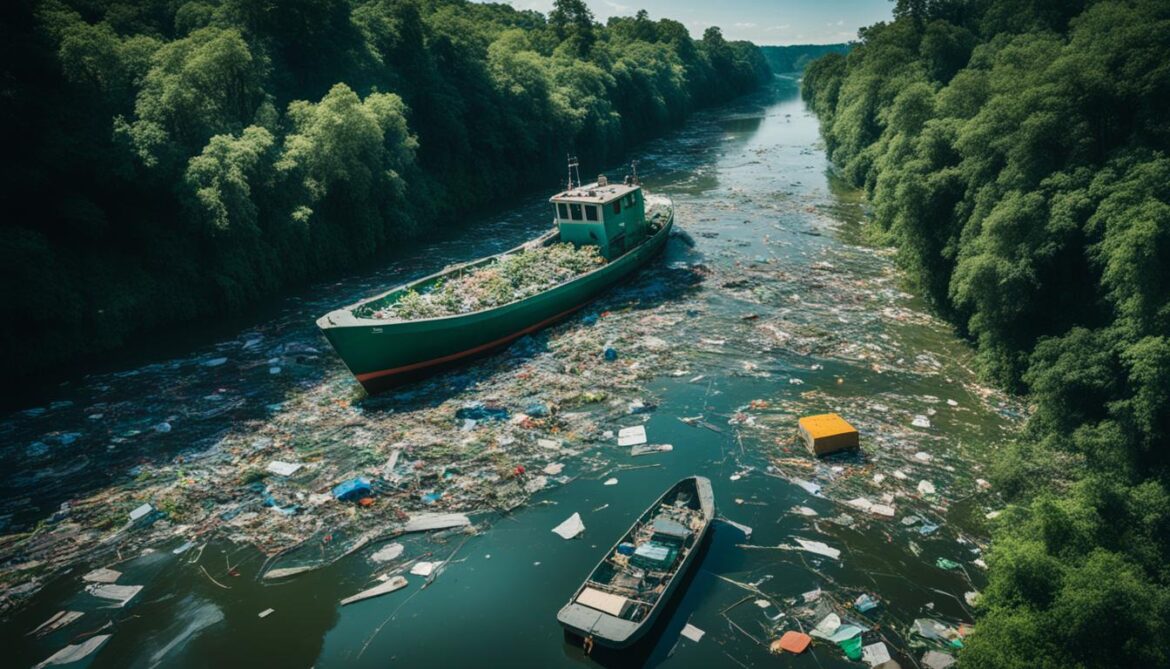
Thailand, like many other nations, is confronted with a range of environmental challenges that threaten its natural resources and ecosystems. Some of the key challenges include environmental degradation, deforestation, desertification, water scarcity, and air and water pollution. These issues have emerged as a consequence of rapid economic development, which has often prioritized short-term gains over long-term sustainability.
পরিবেশগত অবক্ষয় থাইল্যান্ডের বাস্তুতন্ত্র এবং জীববৈচিত্র্যের জন্য একটি উল্লেখযোগ্য হুমকি। দ্রুত নগরায়ণ, শিল্পায়ন এবং কৃষি পদ্ধতির কারণে ভূমি পরিষ্কার, আবাসস্থল ধ্বংস এবং মাটি ক্ষয় হয়েছে, যার ফলে মূল্যবান প্রাকৃতিক আবাসস্থল নষ্ট হচ্ছে। বন উজাড় একটি প্রধান উদ্বেগ হিসাবে রয়ে গেছে, থাইল্যান্ডের বনের উল্লেখযোগ্য অংশ বিভিন্ন উদ্দেশ্যে যেমন কৃষি, লগিং এবং নগর সম্প্রসারণের জন্য পরিষ্কার করা হয়েছে।
The depletion of water resources and water scarcity exacerbate environmental challenges. Thailand faces increasing pressures on its water supply due to factors like droughts, population growth, and unsustainable water management practices. This highlights the urgent need for effective water resource management and conservation measures to ensure the availability of clean and reliable water for both human consumption and ecosystems.
Air and water pollution are pervasive problems in Thailand. Rapid industrialization, excessive use of pesticides and fertilizers in agriculture, and inadequate waste management systems contribute to the pollution of air and water sources. These pollutants have detrimental effects on human health, wildlife, and aquatic life, necessitating immediate action to reduce pollution levels and restore the quality of air and water resources.
এই চ্যালেঞ্জ সত্ত্বেও, থাইল্যান্ড এর গুরুত্ব স্বীকার করে টেকসই উন্নয়ন and the need to balance economic growth with environmental protection. Efforts are being made to implement sustainable practices and policies in various sectors. For instance, initiatives promoting sustainable agriculture and responsible land use aim to address deforestation and land degradation. The promotion of renewable energy sources and energy efficiency helps reduce environmental impacts and mitigates air pollution. A transition toward a circular economy and improved waste management systems supports more sustainable consumption and production patterns.
টেবিল:
| পরিবেশগত চ্যালেঞ্জ | প্রভাব |
|---|---|
| পরিবেশগত অবনতি | মূল্যবান আবাসস্থল এবং জীববৈচিত্র্যের ক্ষতি |
| অরণ্যউচ্ছেদ | বন ইকোসিস্টেম পরিষেবার ক্ষতি এবং কার্বন সিকোয়েস্টেশন |
| মরুভূমি | মাটি ক্ষয়, কৃষি উৎপাদনশীলতা হ্রাস |
| পানি ঘাটতি | মানুষের জীবিকা, কৃষি এবং বাস্তুতন্ত্রের উপর প্রভাব |
| বায়ু এবং জল দূষণ | বায়ু ও পানির গুণমান অবনতি, স্বাস্থ্য ঝুঁকি |
থাইল্যান্ডে পরিবেশগত মূল্যবোধ এবং নীতি
থাইল্যান্ড পরিবেশগত মূল্যবোধের গুরুত্ব স্বীকার করে এবং টেকসই উন্নয়ন. দেশটি সক্রিয়ভাবে সিদ্ধান্ত গ্রহণ এবং পরিবেশগত সুরক্ষা প্রচারের জন্য ব্যয়-সুবিধা বিশ্লেষণ এবং ইকোসিস্টেম মূল্যায়নের মতো সরঞ্জামগুলি ব্যবহার করছে। নীতি এবং প্রকল্পের অর্থনৈতিক, সামাজিক এবং পরিবেশগত প্রভাব বিবেচনা করে, থাইল্যান্ডের লক্ষ্য উন্নয়নের জন্য একটি ভারসাম্যপূর্ণ এবং টেকসই পদ্ধতি অর্জন করা।
One of the key components of Thailand’s environmental policies is the reduction of greenhouse gas emissions. The country has set national goals to mitigate climate change and promote a low-carbon economy. Through the implementation of renewable energy projects, energy efficiency measures, and technological advancements, Thailand is working towards achieving its emission reduction targets.
পানির গুণমান এবং সংরক্ষণও থাইল্যান্ডের প্রধান অগ্রাধিকার। দেশটি কার্যকরভাবে পানি সম্পদ ব্যবস্থাপনার জন্য নীতি ও প্রবিধান বাস্তবায়ন করেছে। এই ব্যবস্থাগুলির মধ্যে রয়েছে জলের উত্সগুলির সুরক্ষা, বর্জ্য জল চিকিত্সা এবং টেকসই জল ব্যবহারের অনুশীলনের প্রচার৷
থাইল্যান্ড বন ও জীববৈচিত্র্য রক্ষার উপর জোর দেয়। সংরক্ষিত এলাকা স্থাপন এবং অবৈধ কাঠ কাটার বিরুদ্ধে প্রবিধান প্রয়োগ সহ বন বাস্তুতন্ত্রের সংরক্ষণ বাড়ানোর জন্য নীতিগুলি স্থাপন করা হয়েছে। দেশটি ক্ষয়প্রাপ্ত বনাঞ্চল পুনরুদ্ধার এবং টেকসই বন ব্যবস্থাপনার উন্নয়নের উদ্যোগেও সক্রিয়ভাবে জড়িত।
In addition to these efforts, Thailand is committed to promoting environmental conservation and sustainable practices across various sectors. This includes initiatives to minimize air and water pollution, protect coastal ecosystems, and manage waste effectively.
টেকসই উন্নয়নের প্রতি থাইল্যান্ডের প্রতিশ্রুতি পরিবেশগত উদ্বেগের সাথে অর্থনৈতিক বৃদ্ধির ভারসাম্য বজায় রাখার প্রচেষ্টায় প্রতিফলিত হয়। দেশটি তার প্রাকৃতিক সম্পদ সংরক্ষণ এবং ভবিষ্যত প্রজন্মের জন্য একটি স্বাস্থ্যকর পরিবেশ নিশ্চিত করার গুরুত্ব স্বীকার করে।
"থাইল্যান্ডের পরিবেশ নীতিগুলি দেশের জন্য একটি টেকসই ভবিষ্যত নিশ্চিত করে অর্থনৈতিক উন্নয়ন এবং পরিবেশ সুরক্ষার মধ্যে একটি সুরেলা ভারসাম্য অর্জনের লক্ষ্য রাখে।"
পরিবেশ সুরক্ষা এবং টেকসই উন্নয়নের জন্য থাইল্যান্ডের জাতীয় লক্ষ্য
তার পরিবেশগত লক্ষ্য অর্জনের জন্য, থাইল্যান্ড টেকসই উন্নয়ন নীতির সাথে সংযুক্ত জাতীয় লক্ষ্য নির্ধারণ করেছে। এই লক্ষ্যগুলি বিভিন্ন ক্ষেত্রকে অন্তর্ভুক্ত করে, যার মধ্যে রয়েছে:
- জলবায়ু পরিবর্তন প্রশমিত করতে এবং কম কার্বন অর্থনীতিকে উন্নীত করতে গ্রিনহাউস গ্যাস নির্গমন হ্রাস করা
- পানির গুণমান উন্নত করা এবং টেকসই পানি সম্পদ ব্যবস্থাপনা নিশ্চিত করা
- জীববৈচিত্র্য বজায় রাখার জন্য বন বাস্তুতন্ত্র সংরক্ষণ ও রক্ষা করা
- বায়ু এবং জল দূষণ হ্রাস করা এবং টেকসই বর্জ্য ব্যবস্থাপনা অনুশীলন প্রচার করা
টেকসই উন্নয়নের প্রতি থাইল্যান্ডের প্রতিশ্রুতি আন্তর্জাতিক চুক্তি এবং অংশীদারিত্ব দ্বারা আরও সমর্থিত। দেশটি সক্রিয়ভাবে বিশ্বব্যাপী সংস্থাগুলির সাথে সহযোগিতা করে এবং বৃহত্তর পরিসরে পরিবেশগত চ্যালেঞ্জ মোকাবেলার উদ্যোগে অংশগ্রহণ করে।
থাইল্যান্ডের পরিবেশগত নীতি এবং উদ্যোগ
| নীতি/উদ্যোগ | বিবরণ |
|---|---|
| নবায়নযোগ্য শক্তি উন্নয়ন | Promoting the use of renewable energy sources, such as solar, wind, and biomass, to reduce reliance on fossil fuels and mitigate climate change. |
| সংরক্ষিত এলাকা সংরক্ষণ | Establishing and managing protected areas to conserve biodiversity, preserve ecosystems, and promote sustainable tourism. |
| Forestry and Wildlife Protection | অবৈধ গাছ কাটার বিরুদ্ধে প্রবিধান কার্যকর করা, টেকসই বন ব্যবস্থাপনা প্রচার করা এবং বিপন্ন প্রজাতি রক্ষা করা। |
| পানি সম্পদ ব্যবস্থাপনা | জলের গুণমান পর্যবেক্ষণ, জলাবদ্ধতা ব্যবস্থাপনা, এবং দক্ষ সেচ অনুশীলন সহ টেকসই জল ব্যবহার নিশ্চিত করার ব্যবস্থা বাস্তবায়ন করা। |
| বায়ু ও পানি দূষণ নিয়ন্ত্রণ | Enforcing emission standards, promoting clean technologies, and implementing wastewater treatment systems to minimize pollution and protect public health. |
| টেকসই বর্জ্য ব্যবস্থাপনা | সমন্বিত বর্জ্য ব্যবস্থাপনা ব্যবস্থার উন্নয়ন, পুনর্ব্যবহার এবং বর্জ্য হ্রাসের প্রচার, এবং যথাযথ নিষ্পত্তি অনুশীলন বাস্তবায়ন। |

থাইল্যান্ডের পরিবেশগত মূল্যবোধ এবং নীতিগুলি টেকসই উন্নয়ন এবং এর প্রাকৃতিক সম্পদ সংরক্ষণের প্রতিশ্রুতি প্রতিফলিত করে। ভাল পরিবেশগত অনুশীলন গ্রহণ এবং দায়িত্বশীল সিদ্ধান্ত গ্রহণের প্রচারের মাধ্যমে, থাইল্যান্ড তার জনগণ এবং গ্রহের জন্য একটি সবুজ ভবিষ্যতের দিকে কাজ করছে।
থাইল্যান্ডে সবুজ বিল্ডিং এবং টেকসই স্থাপত্য
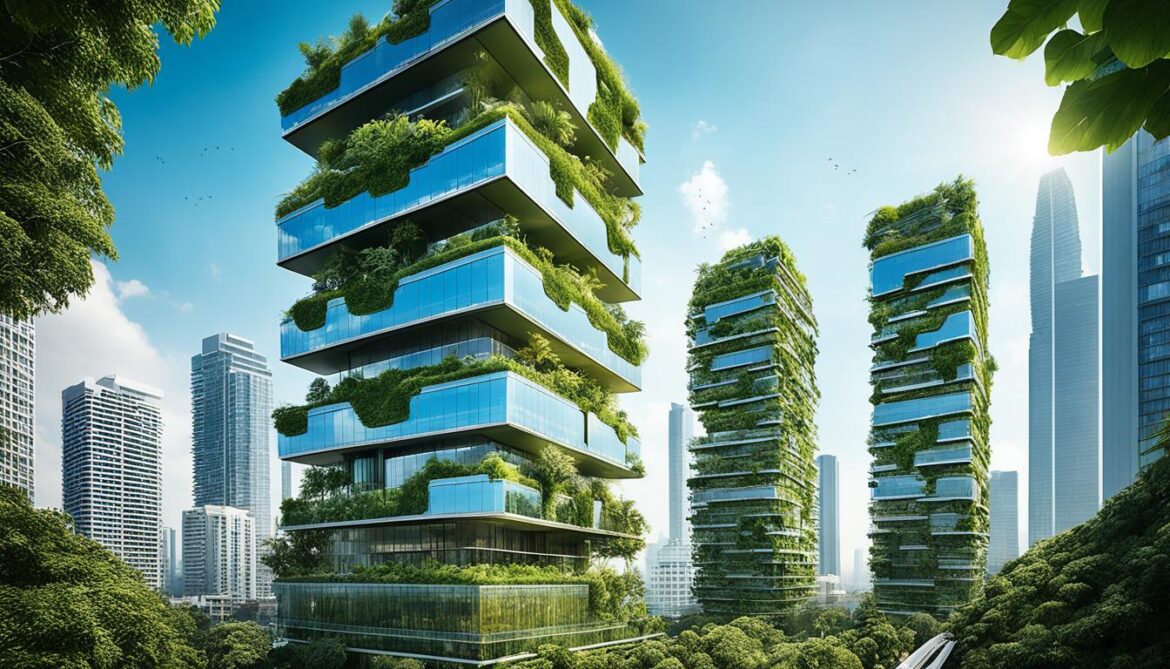
থাইল্যান্ড প্রচারে উল্লেখযোগ্য অগ্রগতি অর্জন করছে সবুজ বিল্ডিং অনুশীলন and sustainable architecture. The country has implemented a range of initiatives to reduce its carbon footprint and create environmentally friendly structures.
Thailand has submitted Nationally Appropriate Mitigation Actions (NAMAs) to the United Nations, focusing specifically on greening low-income housing and government buildings. These actions aim to promote the adoption of energy-efficient building designs and construction practices, ultimately reducing greenhouse gas emissions. The government’s commitment to greening affordable housing ensures that all citizens have access to sustainable and affordable living options.
One of Thailand’s key strategies is the adoption of green building specifications and the retrofitting of existing buildings to meet sustainable standards. By implementing energy-efficient technologies and incorporating renewable energy sources, Thailand aims to push the housing and construction markets towards greener practices. These efforts align with the country’s national goals of reducing energy intensity and achieving a sustainable economy.
“Thailand is committed to creating a built environment that prioritizes sustainability and energy efficiency. By embracing green building and sustainable architecture, we can protect our environment and enhance the quality of life for our citizens.” – Minister of Energy, Thailand
The benefits of green building and sustainable architecture are multifold. Apart from reducing carbon emissions and minimizing environmental impact, these practices also lead to energy and cost savings for homeowners and businesses. Energy-efficient buildings in Thailand utilize innovative technologies, such as solar panels, green roofs, and intelligent building management systems, to optimize energy consumption and reduce reliance on non-renewable resources.
তদ্ব্যতীত, সবুজ বিল্ডিং অনুশীলনগুলি গ্রহণ করা একটি বৃদ্ধিতে অবদান রাখে টেকসই নির্মাণ industry in Thailand. The demand for eco-friendly materials and technologies presents new opportunities for local businesses and manufacturers, fostering economic growth and job creation in the green sector.
থাইল্যান্ডে গ্রিন বিল্ডিং এবং টেকসই আর্কিটেকচারের সুবিধা:
- কার্বন নির্গমন হ্রাস
- শক্তি এবং ব্যয় সাশ্রয়
- উন্নত গৃহমধ্যস্থ বায়ু গুণমান
- বর্ধিত দখলকারী আরাম এবং মঙ্গল
- সবুজ সেক্টরে কর্মসংস্থান সৃষ্টি
Thailand’s commitment to green building and sustainable architecture demonstrates its dedication to environmental preservation and sustainable development. By prioritizing energy efficiency and adopting eco-friendly practices, Thailand sets an example for other countries in the region to follow. As the demand for energy-efficient buildings continues to grow, Thailand’s efforts will contribute to a greener and more sustainable future.
থাইল্যান্ডে সবুজ ভবনের মূল উপাদান
| উপাদান | বিবরণ |
|---|---|
| শক্তির দক্ষতা | শক্তি খরচ কমাতে শক্তি-দক্ষ প্রযুক্তি এবং নকশা নীতিগুলি ব্যবহার করা। |
| টেকসই উপকরণ | নির্মাণ প্রক্রিয়া জুড়ে কম পরিবেশগত প্রভাব সহ পরিবেশ বান্ধব উপকরণ ব্যবহার করা। |
| জল সংরক্ষণ | Implementing water-saving measures such as efficient plumbing fixtures and rainwater harvesting systems. |
| নবায়নযোগ্য শক্তি | বিল্ডিং ডিজাইনে সৌর শক্তি এবং ভূ-তাপীয় শক্তির মতো নবায়নযোগ্য শক্তির উত্সগুলিকে অন্তর্ভুক্ত করা। |
| ইন্ডোর এয়ার কোয়ালিটি | সঠিক বায়ুচলাচল এবং অ-বিষাক্ত পদার্থ ব্যবহারের মাধ্যমে ভাল অভ্যন্তরীণ বায়ুর গুণমান নিশ্চিত করা। |
| বর্জ্য ব্যবস্থাপনা | নির্মাণ ও অপারেশনের সময় কার্যকর বর্জ্য ব্যবস্থাপনা এবং পুনর্ব্যবহার করার কৌশল বাস্তবায়ন করা। |
উপসংহার
থাইল্যান্ডের সমৃদ্ধ জীববৈচিত্র্য তার নির্মিত পরিবেশের সাথে জটিলভাবে সংযুক্ত। দেশের বৈচিত্র্যময় বাস্তুতন্ত্র এবং আবাসস্থল উদ্ভিদ এবং প্রাণী প্রজাতির বিস্তৃত পরিসরের জন্য একটি আবাস প্রদান করে। যাইহোক, এই মূল্যবান ইকোসিস্টেমগুলি মানুষের ক্রিয়াকলাপ এবং জলবায়ু পরিবর্তনের প্রভাব থেকে অসংখ্য হুমকির সম্মুখীন।
To safeguard Thailand’s natural heritage and ensure the future of its biodiversity, it is vital to implement effective conservation efforts and sustainable development practices. Valuing the environment and embracing policies that prioritize biodiversity conservation and sustainable development are crucial steps towards preserving থাইল্যান্ডের অনন্য ইকোসিস্টেম প্রজন্মের জন্য।
সবুজ বিল্ডিং অনুশীলন গ্রহণ করে এবং শক্তি-দক্ষ বিল্ডিংগুলিতে ফোকাস করার মাধ্যমে, থাইল্যান্ড প্রচারে একটি গুরুত্বপূর্ণ ভূমিকা পালন করতে পারে পরিবেশগত ধারণক্ষমতা. This commitment to green architecture aligns with the country’s national goals and can serve as a model for the region in terms of balancing economic growth with environmental protection.
থাইল্যান্ডের জীববৈচিত্র্য সংরক্ষণে নেতা হওয়ার সুযোগ রয়েছে এবং পরিবেশগত ধারণক্ষমতা. সংরক্ষণ প্রচেষ্টায় বিনিয়োগ করে, কার্যকর নীতি বাস্তবায়ন করে এবং সবুজ বিল্ডিং অনুশীলনকে অগ্রাধিকার দিয়ে, দেশটি অন্যদের অনুসরণ করার জন্য একটি উদাহরণ স্থাপন করতে পারে। এই ক্রিয়াকলাপের মাধ্যমে, থাইল্যান্ড একটি টেকসই ভবিষ্যত তৈরি করতে পারে যা সামগ্রিকভাবে পরিবেশ এবং সমাজ উভয়েরই উপকার করে।
FAQ
জীববৈচিত্র্য কি?
জীববৈচিত্র্য বলতে একটি নির্দিষ্ট আবাসস্থল বা বাস্তুতন্ত্রের মধ্যে উদ্ভিদ ও প্রাণীজগতের বিভিন্নতা বোঝায়। এটি পৃথিবীতে বিদ্যমান বিভিন্ন প্রজাতি, জিন এবং বাস্তুতন্ত্রকে অন্তর্ভুক্ত করে।
জীববৈচিত্র্য কেন গুরুত্বপূর্ণ?
Biodiversity is crucial for maintaining the balance of ecosystems and sustaining life on our planet. It provides us with essential services such as clean air, water, food, and medicine. Biodiversity also plays a vital role in supporting ecological resilience and adaptation to environmental changes.
নির্মিত পরিবেশে জীববৈচিত্র্যের ভূমিকা কী?
নির্মিত পরিবেশে জীববৈচিত্র্য বলতে প্রাকৃতিক উপাদান এবং বাস্তুতন্ত্রের একীকরণকে বোঝায় শহুরে এলাকায় এবং মানুষের তৈরি কাঠামোতে। এই একীকরণ টেকসই এবং স্থিতিস্থাপক পরিবেশ তৈরি করতে সাহায্য করে, নান্দনিক আবেদন বাড়ায়, বায়ু এবং জলের গুণমান উন্নত করে এবং বিভিন্ন উদ্ভিদ ও প্রাণী প্রজাতির জন্য আবাসস্থল প্রদান করে।
কিভাবে থাইল্যান্ডে জীববৈচিত্র্য সংরক্ষণ করা যেতে পারে?
Biodiversity conservation in Thailand can be achieved through various measures, including the establishment of protected areas and wildlife sanctuaries, implementation of sustainable land use practices, regulation of hunting and fishing activities, promotion of sustainable architecture and green building design, and raising awareness about the importance of biodiversity among the general public.
থাইল্যান্ডে জীববৈচিত্র্যের জন্য হুমকি কি?
থাইল্যান্ডের জীববৈচিত্র্য অনেক হুমকির সম্মুখীন, যার মধ্যে রয়েছে বাসস্থানের ক্ষতি, অবৈধ লগিং, ধ্বংসাত্মক মাছ ধরার অনুশীলন, দূষণ, জলবায়ু পরিবর্তন এবং আক্রমণাত্মক প্রজাতির প্রবর্তন। এই কারণগুলি বাস্তুতন্ত্রকে ব্যাহত করে এবং অনেক উদ্ভিদ ও প্রাণীর প্রজাতিকে বিপন্ন করে।
জলবায়ু পরিবর্তন কিভাবে থাইল্যান্ডের জীববৈচিত্র্যকে প্রভাবিত করে?
থাইল্যান্ডে জলবায়ু পরিবর্তনক্রমবর্ধমান তাপমাত্রা, বৃষ্টিপাতের ধরনে পরিবর্তন এবং চরম আবহাওয়ার ঘটনার মাধ্যমে প্রকাশিত এই পরিবর্তনগুলো জীববৈচিত্র্যের জন্য গুরুতর ঝুঁকি সৃষ্টি করে। এটি বাস্তুতন্ত্রকে ব্যাহত করে, বাসস্থান পরিবর্তন করে এবং প্রজাতির বণ্টন ও আচরণকে প্রভাবিত করে, যার ফলে জনসংখ্যা হ্রাস এবং গুরুত্বপূর্ণ পরিবেশগত কার্যাবলীর বিলুপ্তি ঘটতে পারে।
পরিবেশগত চ্যালেঞ্জ মোকাবেলায় থাইল্যান্ড কী করছে?
থাইল্যান্ড পরিবেশগত চ্যালেঞ্জ মোকাবেলা করার জন্য বিভিন্ন নীতি ও প্রবিধান বাস্তবায়ন করছে, যেমন গ্রিনহাউস গ্যাস নির্গমন হ্রাস করা, বন রক্ষা করা, পানি সম্পদ ব্যবস্থাপনা এবং টেকসই উন্নয়নের প্রচার করা। দেশটি পরিবেশ সুরক্ষার সাথে অর্থনৈতিক প্রবৃদ্ধির ভারসাম্য রক্ষার গুরুত্ব স্বীকার করে।
কিভাবে সবুজ ভবন এবং টেকসই স্থাপত্য জীববৈচিত্র্য সংরক্ষণে অবদান রাখতে পারে?
Green building and sustainable architecture practices prioritize the integration of natural elements and the preservation of biodiversity in urban environments. By incorporating green spaces, using energy-efficient materials and designs, and implementing eco-friendly technologies, these practices help create sustainable habitats for plant and animal species, promote biodiversity, and reduce the environmental footprint of buildings.
থাইল্যান্ডে জীববৈচিত্র্য সংরক্ষণের জন্য ব্যক্তিরা কী করতে পারে?
Individuals can contribute to biodiversity conservation by supporting environmental organizations, promoting sustainable consumption and lifestyle choices, practicing responsible tourism, participating in community-based conservation initiatives, and educating others about the importance of biodiversity and the need for its preservation.