




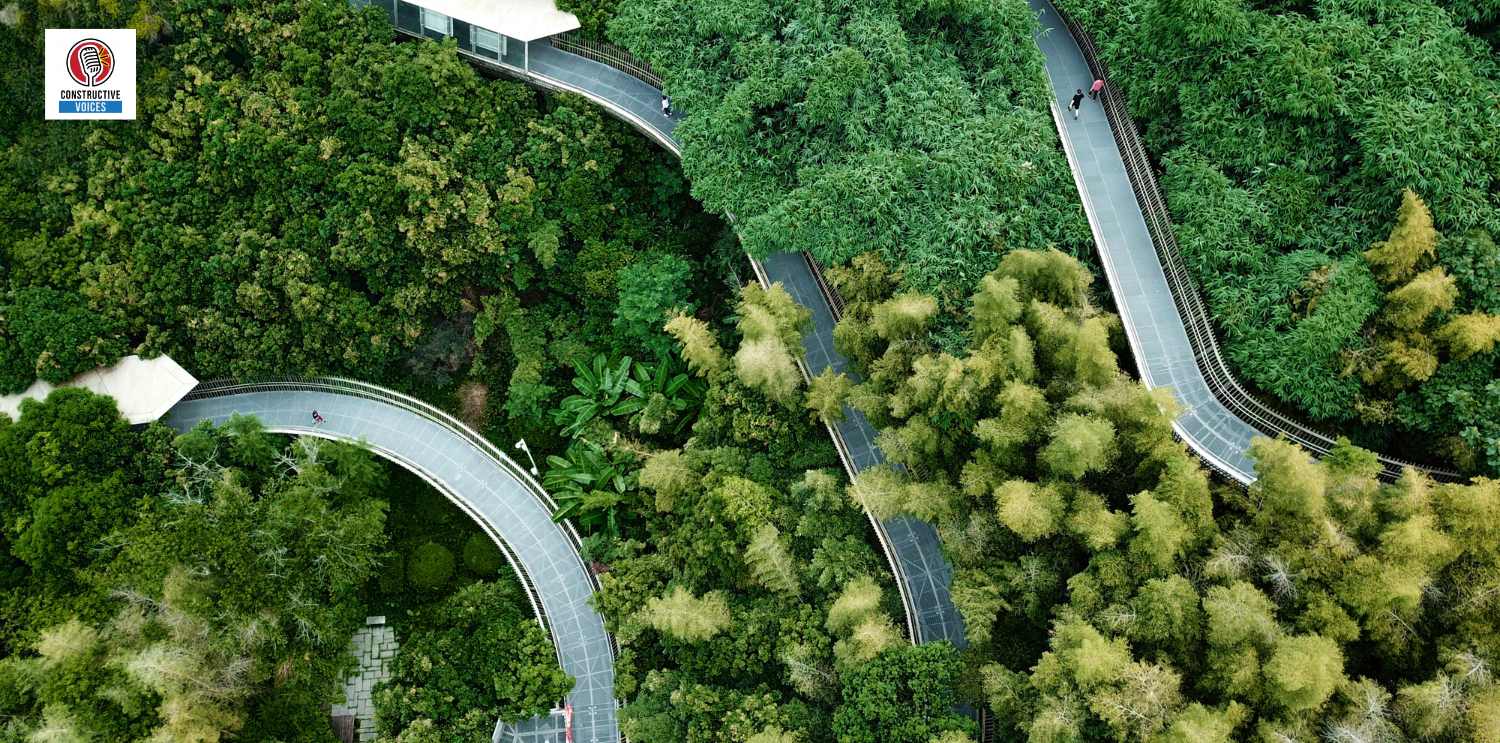
Jak se stromové senzory používají po celém světě
Jak se stromové senzory používají po celém světě
Trees are essential to urban and natural ecosystems, offering a wide range of benefits, from purifying air and sequestering carbon dioxide to providing shade and enhancing biologická rozmanitost. However, maintaining the health of trees in cities and forests is an ongoing challenge for environmental scientists, city planners, and foresters.
Recent technological advancements, particularly in the field of the Internet of Nature (IoN), have led to the development of “tree sensors.” These sensors are revolutionising the way we monitor and care for trees, providing real-time data that helps to ensure their health and longevity. This article explores how tree sensors are being used around the world, the technology behind them, and the impact they are having on tree management and urban forestry.
Co jsou stromové senzory?
Stromové senzory jsou zařízení internetu věcí určená k monitorování fyziologických a environmentálních podmínek stromů. Měří různé parametry, jako je vlhkost půdy, proudění mízy, teplota, vlhkost a dokonce i elektrické signály vysílané stromy. Tyto senzory přenášejí data bezdrátově do centrálního systému, kde jsou analyzována za účelem posouzení zdraví a pohody stromů. Tato data v reálném čase umožňují okamžité zásahy, když jsou stromy ve stresu kvůli suchu, škůdcům, chorobám nebo jiným podmínkám prostředí.
Globální aplikace stromových senzorů
Stromové senzory se stále více používají v městských a venkovských prostředích po celém světě. Níže jsou uvedeny některé klíčové příklady toho, jak jsou tyto senzory využívány:
1. Chytré lesy ve Spojených státech
Spojené státy jsou v popředí implementace stromových senzorů pro správu městských lesů. Například v New Yorku NYC Parks Department nasadilo senzory jako součást iniciativy „TreeKIT“ ke sledování zdraví tisíců stromů v městských parcích a ulicích. Tyto senzory poskytují údaje o vlhkosti půdy a podmínkách prostředí, což pomáhá při optimalizaci zavlažovacích plánů a odhalování časných příznaků napadení chorobami nebo škůdci. Podobné snahy jsou vidět ve městech jako San Francisco a Boston, kde stromové senzory pomáhají udržovat zdraví stromů ve stále proměnlivějších klimatických podmínkách.
- NYC Parks Department: Iniciativa TreeKIT

2. Monitoring městských stromů v Singapuru
Singapur, známý svým konceptem „Města v zahradě“, také zavedl technologii senzorů stromů pro monitorování své rozsáhlé městské zeleně. Národní parky Board of Singapore (NParks) uses sensors to measure sap flow, a critical indicator of tree health. The data collected is integrated into a larger “smart city” framework, providing insights into how trees interact with their urban environment. The technology helps Singapore manage its urban heat island effect and enhances its urban resilience against climate change.
- Národní parky, Singapur: Management zdraví stromů
3. Řízení sucha v Austrálii
V Austrálii, kde jsou podmínky sucha stále častější a závažnější, pomáhají stromové senzory efektivně řídit spotřebu vody. Melbourne například používá senzory půdní vlhkosti k určení optimálních časů pro zavlažování městských stromů, šetří vodu a zároveň udržuje zdraví stromů. Tyto senzory také pomáhají detekovat stromy, které jsou ve stresu z nedostatku vody, což umožňuje cílené zásahy. Senzory poskytují údaje o úrovni salinity půdy a pomáhají identifikovat oblasti, kde mohou být stromy ohroženy poškozením solí, což je běžný problém v pobřežních oblastech.
- Melbourne Water: Strategie ochrany vody
4. Prevence lesních požárů ve Španělsku
In Spain, tree sensors are being used in innovative ways to prevent wildfires. By monitoring the moisture content in trees and surrounding vegetation, sensors can detect early warning signs of drought conditions that may lead to fires. This data is then relayed to local authorities and forest managers, who can take preemptive measures, such as controlled burns or strategic water distribution, to reduce the risk of wildfires.
5. Ochrana deštných pralesů v Amazonii
The Amazon Rainforest, often referred to as the “lungs of the Earth,” faces deforestation and degradation due to logging, mining, and agricultural expansion. In Brazil, tree sensors are being used to monitor the health of the rainforest. Sensors placed in trees measure sap flow, trunk growth, and atmospheric conditions, providing real-time data on the forest’s health. This data is used by environmental organizations and government agencies to develop strategies for preserving these vital ecosystems.

6. Evropské iniciativy inteligentních měst
Several European cities, including Amsterdam, Berlin, and Copenhagen, are incorporating tree sensors into broader “smart city” initiatives. These sensors monitor the health of trees and provide data that informs urban planning decisions. For instance, the city of Amsterdam uses sensors to monitor the growth rate and overall health of trees to plan new green spaces and ensure that existing trees are well-maintained. This integration into smart city infrastructure helps cities balance urban development with environmental sustainability.
- Evropská komise: Iniciativy inteligentních měst
Role Dr. Nadiny Galle
Dr. Nadina Galle, author, ecological inženýr and creator of the “Internet of Nature” movement, has been at the forefront of advocating for the use of technology in urban forestry. She argues that technology, like tree sensors, can help cities become more resilient to climate change by providing precise data on the health and growth of urban trees. In her research, Dr. Galle has explored how cities worldwide can leverage tree sensors and other IoT devices to create data-driven urban green spaces that are healthier, more sustainable, and better integrated with human activities.
V článku s názvem „Stromy mohou mluvit: Posloucháme“ zveřejněná na svých webových stránkách, Dr. Galle zdůrazňuje důležitost používání dat v reálném čase k přijímání informovaných rozhodnutí o správě městských lesů. Zdůrazňuje příklady z měst, jako je Amsterdam, kde se senzory používají k vytváření digitálních dvojčat stromů, která pomáhají urbanistům vizualizovat a spravovat zelené plochy efektivněji.
Více o Kniha Dr. Galle na jejích webových stránkách.

Výhody použití stromových senzorů
Použití stromových senzorů nabízí několik výhod:
- Monitorování v reálném čase: Senzory poskytují nepřetržitá data v reálném čase, což umožňuje okamžitou reakci na environmentální stresory.
- Ochrana vody: Sledováním úrovní vlhkosti půdy mohou města optimalizovat plány zavlažování a snížit plýtvání vodou.
- Včasná detekce onemocnění: Senzory dokážou detekovat časné příznaky napadení chorobami nebo škůdci, což umožňuje rychlé ošetření.
- Klimatická odolnost: Data from sensors can help cities understand how trees contribute to cooling and air quality, guiding urban planning efforts.
- Prevence lesních požárů: V oblastech náchylných k lesním požárům poskytují senzory kritická data o úrovních vlhkosti a pomáhají tak předcházet požárům ještě před jejich vypuknutím.
Výzvy a budoucí směry
Zatímco výhody stromových senzorů jsou četné, existují také problémy s jejich rozšířeným přijetím. Patří mezi ně vysoké náklady na nasazení, potřeba nepřetržité údržby a obavy o soukromí dat. Kromě toho existuje potřeba standardizovaných protokolů pro sběr a analýzu dat ze senzorů, aby bylo zajištěno, že data lze efektivně integrovat do procesů městského plánování.
Looking ahead, the future of tree sensors looks promising. As technology becomes more affordable and accessible, it is likely that more cities and rural areas will adopt these devices. Integration with other smart city technologies, such as AI and machine learning, could enhance the predictive capabilities of these sensors, leading to even more effective tree management strategies.
Závěr
Tree sensors represent a significant advancement in how we care for and manage trees in both urban and rural environments. From conserving water in drought-prone areas to preventing wildfires and maintaining urban greenery, these sensors provide a wealth of data that can help cities and organisations make informed decisions. As highlighted, by experts like Dr. Nadina Galle, the integration of technology into environmental management is not just a trend but a necessary step towards building resilient and sustainable cities of the future.
Reference
- Dr. Nadina Galle – Stromy mohou mluvit: Posloucháme"
- Národní parky, Singapur – Management zdraví stromů
- NYC Parks Department – Iniciativa TreeKIT
- Melbourne Water – Strategie ochrany vody
- Evropská komise - Iniciativy inteligentních měst
Další autorské podcasty, které by se vám mohly líbit
Nalaďte se na Alexandru Steed, the ground-breaking author, as she speaks to Jackie De Burca in a series of four podcasts that explore her book, Portrait to Landscape, in depth. You will learn about so many fascinating things when it comes to nature, humans, our landscapes, climate change, biodiversity and how we can tip the balance to live in a more beautiful, nature-positive world.
Be sure to enter the book giveaway below. Alexandra Steed has generously agreed to offer ten copies of her excellent book. Click on the link below:
https://kingsumo.com/g/1v9qy6m/book-giveaway-portrait-to-landscape-a-landscape-strategy-to-reframe-our-future-by-alexandra-steed




Pod ambiciózním plánem Forest City se skrývá tvrdá realita
Před rokem 1[…] a udržitelná města na Trinity College v Dublinu v Irsku. Yuyang, vášnivý pro analýzu dat, chytrá města a mediální komunikaci, si klade za cíl podpořit společenský pokrok prostřednictvím technologií […]