

Řešení dvojitých krizí růstu měst a změny klimatu při vytváření bohaté přírody, zdraví a bohatství
Řešení dvojitých krizí růstu měst a změny klimatu při vytváření hojnosti přírody, zdraví a bohatství
The dual crises of rapid urban growth and climate change are among the most pressing challenges of our time. Cities are expanding at unprecedented rates, with over 55% of the global population now living in urban areas—a figure projected to reach nearly 70% by 2050 OSN, 2022.
At the same time, climate change is exacerbating the vulnerabilities of these urban spaces, from rising sea levels and heatwaves to more frequent and severe storms. As we grapple with these interlinked crises, the question becomes: How can we create urban environments that are not only resilient and sustainable but also rich in nature, health, and wealth?
Dr. Nadina Galle, an ecological engineer and expert in the field of “Internet of Nature,” offers a pioneering perspective on this issue. Her work emphasizes integrating natural and digital solutions to create smart, green cities that enhance both ecological and human well-being Dr. Nadina Galle, 2023. Podívejte se na více o Kniha Dr. Galle na jejích webových stránkách.

Pochopení dvojitých krizí: Růst měst a změna klimatu
Městský růst
The growth of cities brings numerous challenges, including increased demand for housing, transportation, and infrastructure, which often leads to higher carbon emissions, loss of natural habitats, and greater pressure on resources like water and energy. As cities expand, green spaces are frequently sacrificed for development, leading to urban sprawl, increased heat island effects, and degraded air quality.
Změna klimatu
Simultaneously, climate change poses serious threats to urban areas. Cities are major contributors to greenhouse gas emissions, accounting for over 70% of the global total Města C40, 2023. Rising temperatures and unpredictable weather patterns affect cities’ infrastructure, public health, and overall resilience. Urban areas are particularly vulnerable to climate impacts due to their high population density and concentration of economic activities.
Integrace přírody s rozvojem měst
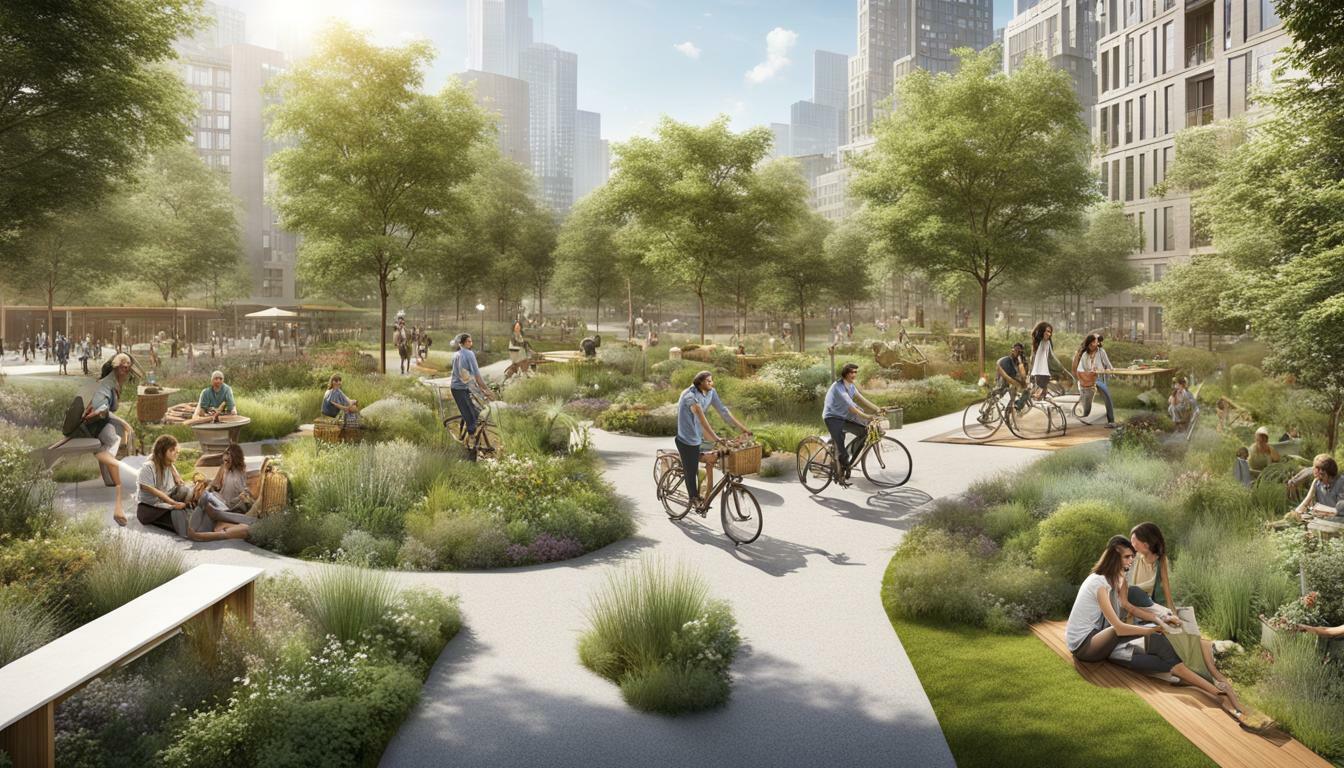
To address these dual crises, there is a growing recognition of the need to integrate nature into urban environments. Nature-based solutions (NbS) can help mitigate climate impacts while promoting biologická rozmanitostzlepšení veřejného zdraví a podpora hospodářského rozvoje.
1. Zelená infrastruktura
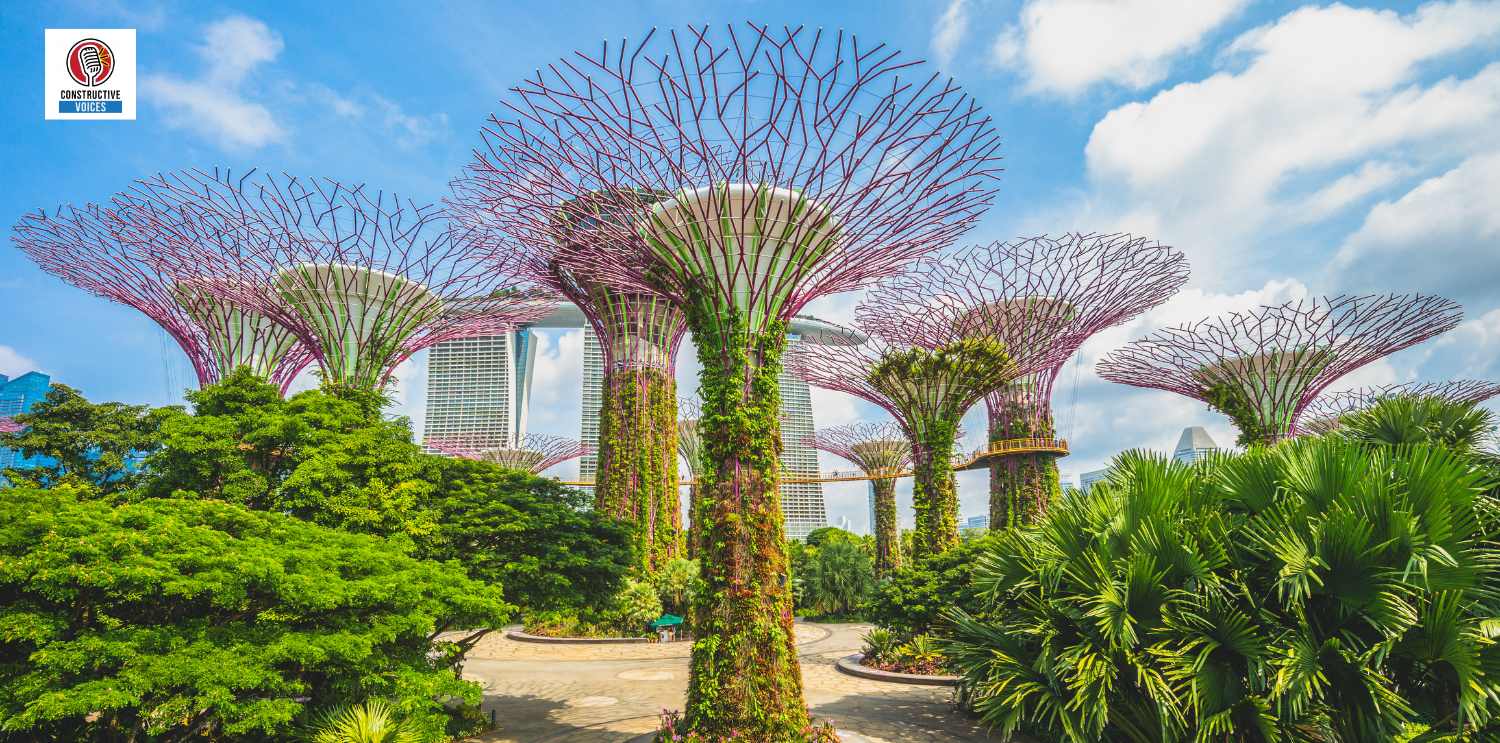
Green infrastructure, such as parks, green roofs, urban forests, and wetlands, provides a range of ecosystem services, including carbon sequestration, flood management, and temperature regulation. For instance, urban forests can reduce city temperatures by up to 8 degrees Celsius, improving air quality and reducing energy costs Ochrana přírody, 2022. Zelené plochy navíc nabízejí rekreační příležitosti, které podporují fyzickou a duševní pohodu a přispívají ke zdravějšímu městskému obyvatelstvu.

2. Role modro-zelených řešení
Dr. Nadina Galle advocates for “blue-green solutions,” which involve managing both water and green spaces together. Blue-green infrastructure combines natural water systems like rivers, lakes, and wetlands with green spaces, creating multifunctional landscapes that support biodiversity and enhance climate resilience. These solutions not only help in stormwater management and flood control but also promote habitat connectivity and aesthetic value, increasing the livability and attractiveness of urban spaces Galle, 2023.
Využití technologie pro udržitelnost měst
Technology can play a crucial role in addressing the twin crises of urban growth and climate change. Dr. Galle’s concept of the “Internet of Nature” (IoN) brings together digital tools, data analytics, and ecological science to monitor and manage urban ecosystems more effectively.
1. Internet přírody (IoN)
The Internet of Nature uses sensors, satellite data, drones, and AI to monitor urban green spaces in real-time. These technologies can assess air and soil quality, measure biodiversity, and track the health of urban forests. By providing detailed, location-specific data, the IoN enables city planners and policymakers to make informed decisions about managing urban green spaces, enhancing their ecological value, and reducing their carbon footprint Galle, 2023.
2. Chytré městské plánování
Smart city technologies, such as digital twins and GIS (Geographic Information Systems), can be used to model urban environments, predict climate impacts, and optimize land use planning. By integrating IoN data into these models, cities can plan for more efficient public transportation, reduce congestion, and promote walking and cycling, all of which contribute to lower emissions and healthier communities.

Podpora zdraví a pohody prostřednictvím přírody
Access to green spaces has been linked to numerous health benefits, including reduced stress, improved mental health, and lower rates of chronic diseases. Studies have shown that exposure to nature can lower blood pressure, boost the immune system, and increase overall life satisfaction Světová zdravotnická organizace, 2023.
1. Navrhování pro inkluzivitu
To maximize these health benefits, cities must prioritize equitable access to green spaces for all residents, regardless of age, income, or background. This means designing parks and recreational areas that are safe, accessible, and welcoming to diverse communities. Dr. Galle highlights the importance of “biophilic design,” which incorporates natural elements into urban planning, from street trees and vertical gardens to green roofs and natural ventilation systems Galle, 2023.
2. Podpora zapojení komunity
Community engagement is essential in creating vibrant, resilient urban ecosystems. Local communities should be involved in the design, management, and maintenance of green spaces, ensuring that these areas meet the needs of residents and reflect their values and cultures. Initiatives such as urban gardening, citizen science projects, and participatory planning can foster a sense of ownership and stewardship over urban nature, enhancing social cohesion and resilience Projekt veřejných prostranství, 2022.
Vytváření bohatství prostřednictvím zelených inovací
The transition to greener, more sustainable cities can also drive economic growth and create new opportunities for wealth generation.
1. Zelená pracovní místa a oběhové hospodářství
Investice do zelené infrastruktury a technologií mohou vytvořit pracovní místa v odvětvích, jako je např energie z obnovitelných zdrojů, udržitelná výstavba, and ecological restoration. The circular economy, which emphasizes reuse, recycling, and resource efficiency, can help cities reduce waste, lower costs, and create new business opportunities Nadace Ellen MacArthur, 2023.
2. Nemovitost a hodnota nemovitosti
Integrace zelené a modré infrastruktury do městského plánování může zvýšit hodnotu nemovitostí a přilákat investice. Výzkumy ukazují, že nemovitosti v blízkosti parků, zelených ploch a vodních prvků mívají vyšší tržní hodnoty a příjmy z pronájmu Urban Land Institute, 2023. Developers and municipalities can leverage these trends to finance further green projects, creating a positive feedback loop that promotes sustainable growth.
Holistický přístup k městskému růstu a odolnosti
To effectively address the twin crises of urban growth and climate change while fostering abundant nature, health, and wealth, cities must adopt a holistic, integrated approach that combines green infrastructure, technology, community engagement, and economic innovation. As Dr. Nadina Galle’s work illustrates, leveraging both natural and digital solutions can create more resilient, inclusive, and prosperous urban environments Galle, 2023.
Závěr
As urbanization continues and the impacts of climate change become more pronounced, the need for sustainable, resilient cities is more urgent than ever. By integrating nature-based solutions, leveraging technology, and fostering community involvement, we can create urban spaces that are not only equipped to handle the challenges of the future but also promote the health, wealth, and well-being of all residents.
Reference
- Spojené národy. (2022). Revize vyhlídek světové urbanizace 2018.
- C40 Města. (2023). Klimatická akce v megaměstech.
- Ochrana přírody. (2022). Městská příroda: Jak může zelená infrastruktura zlepšit život ve městě.
- Dr. Nadina Galleová. (2023). Internet přírody.
- Světová zdravotnická organizace. (2023). Městská zeleň a zdraví.
- Project for Public Spaces. (2022). Placemaking a budoucnost měst.
- Nadace Ellen MacArthurové. (2023). Cirkulární ekonomika ve městech.
- Urban Land Institute. (2023). Zelená infrastruktura a hodnoty nemovitostí.
Další autorské podcasty, které by se vám mohly líbit
Nalaďte se na Alexandru Steed, the ground-breaking author, as she speaks to Jackie De Burca in a series of four podcasts that explore her book, Portrait to Landscape, in depth. You will learn about so many fascinating things when it comes to nature, humans, our landscapes, climate change, biodiversity and how we can tip the balance to live in a more beautiful, nature-positive world.
Be sure to enter the book giveaway below. Alexandra Steed has generously agreed to offer ten copies of her excellent book. Click on the link below:
https://kingsumo.com/g/1v9qy6m/book-giveaway-portrait-to-landscape-a-landscape-strategy-to-reframe-our-future-by-alexandra-steed