


Goed nieuws: een nieuwe kijk op duurzaamheid, kleinschalige bossen en renovatie in Ierland
In deze opbeurende editie van de Constructive Voices Good News-podcast brengen we u een korte, krachtige reeks positieve verhalen uit de gebouwde omgeving, met een vleugje inspiratie voor natuurbehoud.
GA NAAR DE LUIST, LEER EN WORD IN MINDER DAN 6 MINUTEN GEVOELIG
Een nieuwe kijk op duurzaamheid: neuroduurzaamheid
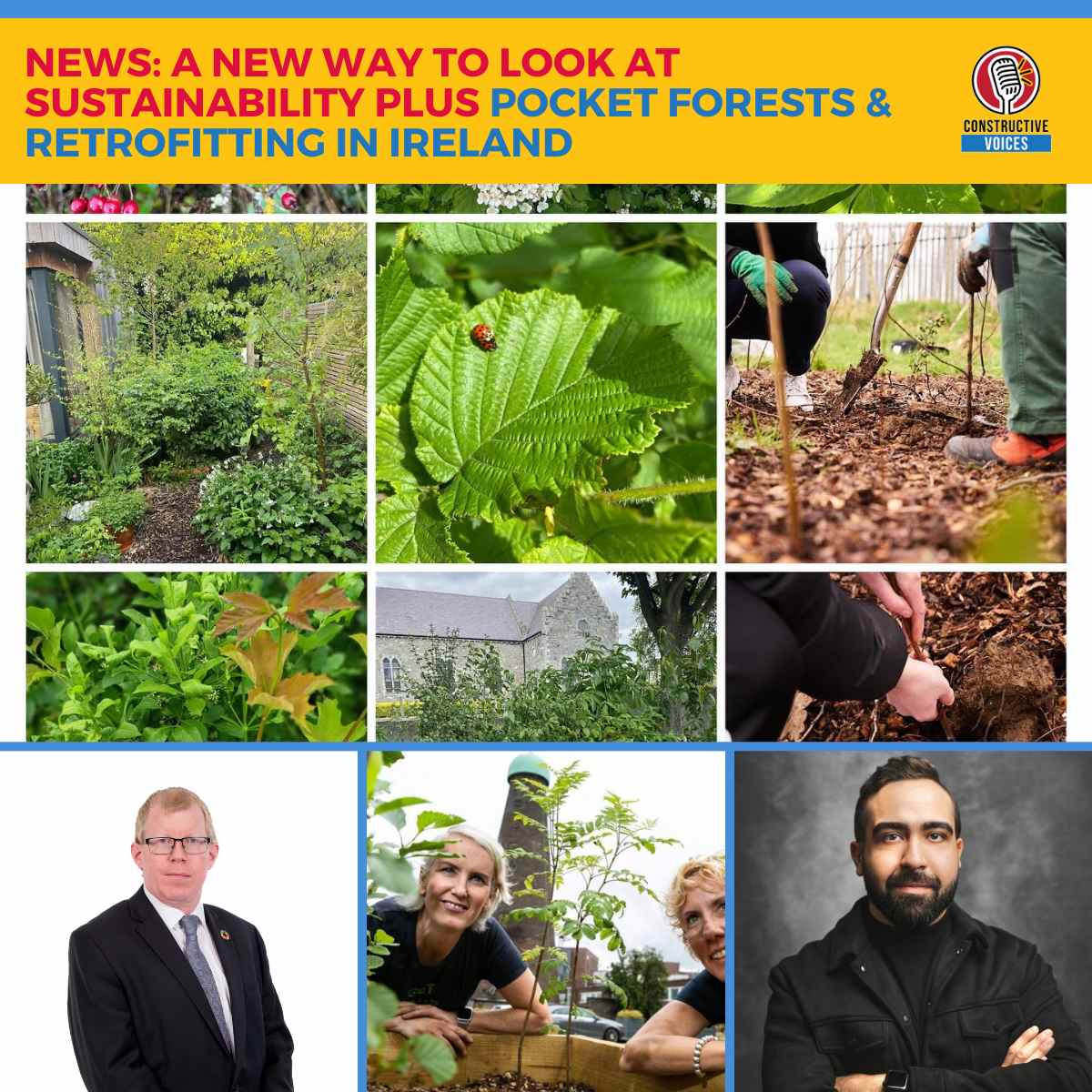
We openen met een fascinerend concept dat net zo goed gaat over het beschermen van onze geest als over het beschermen van de planeet: neuroduurzaamheid. Presentator Jackie De Burca spreekt met Mohamed Hesham Khalil, wiens baanbrekende onderzoek aan de Universiteit van Cambridge onderzoekt hoe de gebouwde omgeving affects our brain health, mental wellbeing, and cognitive performance.
“That shift… from experiencing the built environment in a specific way and then going back was an alert to start seeing this relationship between the built environment and the human brain.” — Mohammed Hesham Khalil
Discover how architecture, neuroscience, and nature intersect — and why this matters more than ever post-lockdown.

Ierland vergroenen: pocketbossen
Next, volunteer reporter Sarah Austin speaks with Catherine Cleary, co-founder of Pocket Forests, about transforming small urban spaces into thriving native woodlands. With over 125 sites planted — from car-parking-space-sized micro-forests to half–tennis-court plots — these dense plantings are changing soil health, biodiversiteiten gemeenschapsverbindingen.
“We planten veel jongere bomen… veel dichter bij elkaar… het resultaat is dat ze dit microklimaat heel snel creëren.” — Catherine Cleary
Voor de volledige, diepgaande duik, bekijk onze speciale aflevering Vergroening van Ierland: van compacte bossen tot inheemse wouden op onze website.

Catherine Cleary en Ashe Conrad-Jones, oprichters van Pocket Forests.
Afbeelding met dank aan Pocket Forests
Ierlands retrofitting-momentum
We round things off with encouraging retrofitting news: in early 2025, Ireland saw 11,910 home energy upgrades supported through government grants — a 2% rise from the previous year.
These upgrades avoided 15,000 tonnes of CO₂ emissions, reinforcing Ireland’s national push toward energy efficiency and climate action.
Bookmark this page to check for the podcast episode that deep dives into this topic with Dr. Ciaran Byrne, the Director of National Retrofit at Sustainable Energy Authority of Ireland (SEAI).
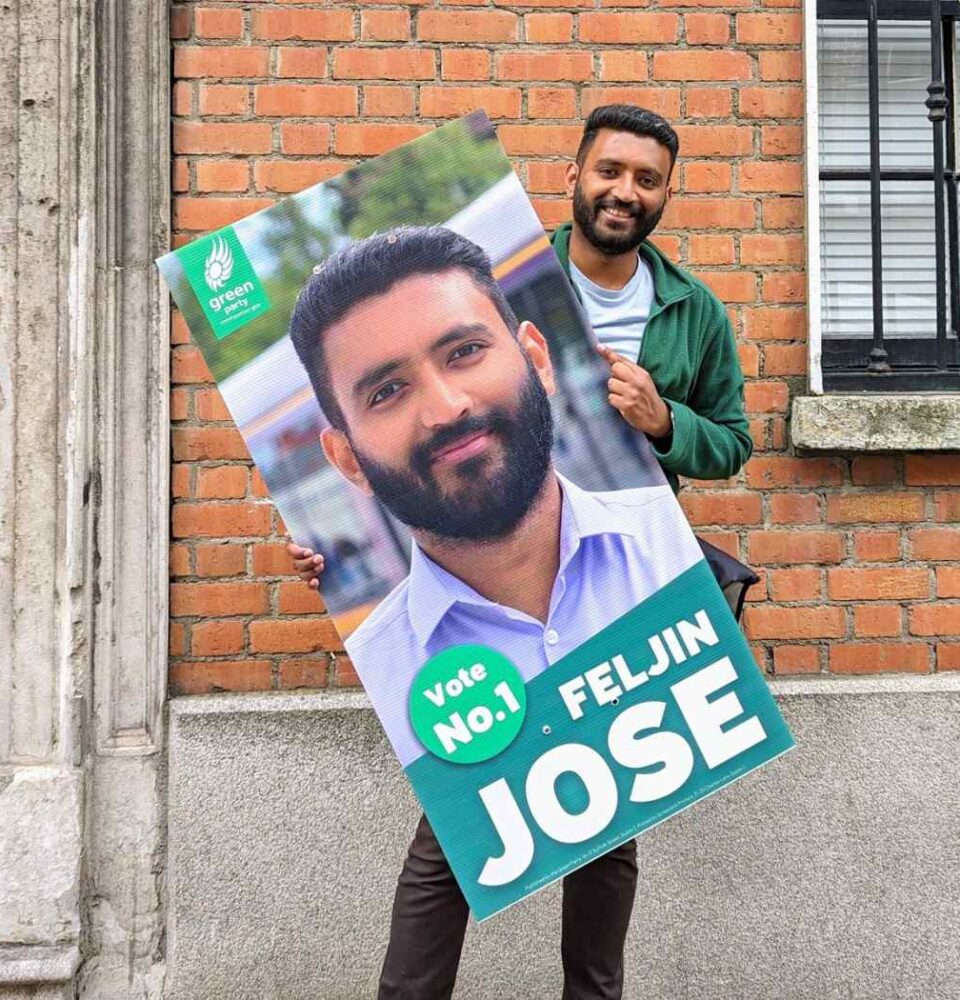
Klimaatbestendige straten, woningen en openbaar vervoer bouwen met Feljin Jose
Klimaatbestendige straten bouwen, Woningen & Transit met Feljin Jose Voorstander van openbaar vervoer en gemeenteraadslid van Dublin, Feljin Jose, sluit zich aan bij...
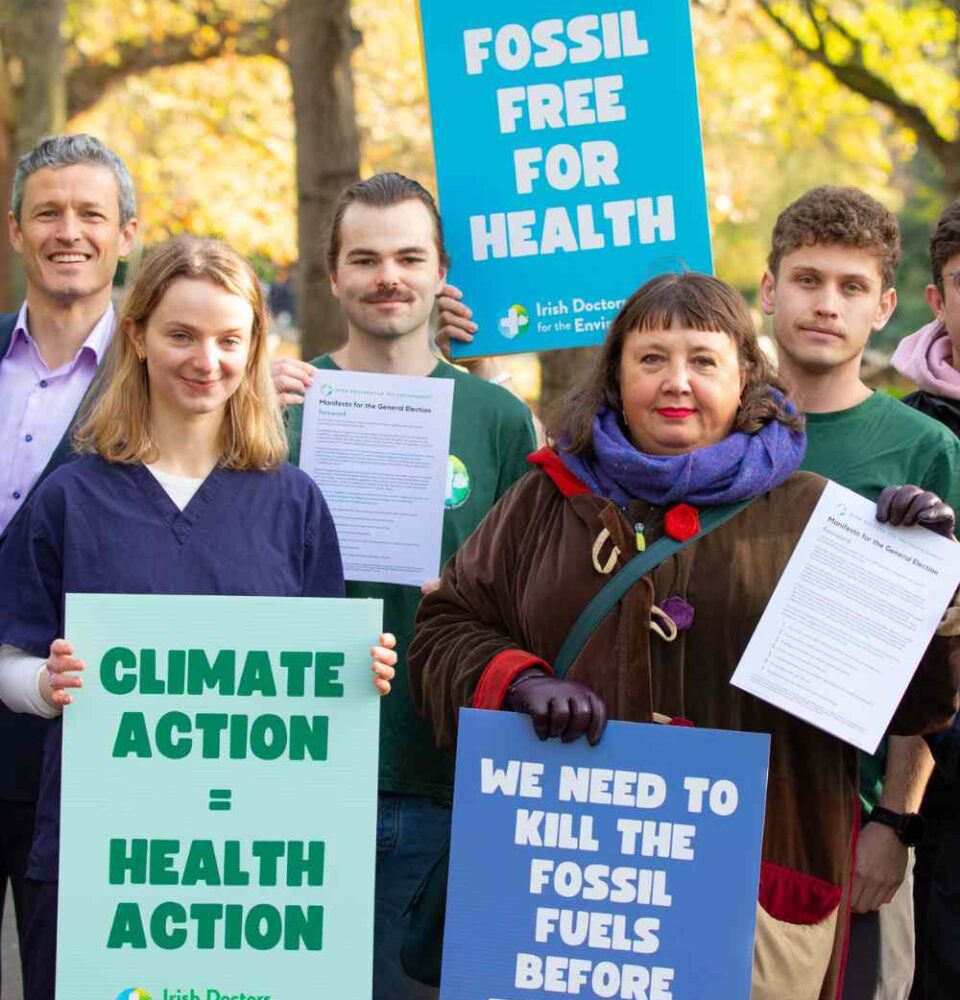
De rol van de gezondheidszorg in klimaatverandering met Ierse artsen voor het milieu
De rol van de gezondheidszorg in klimaatverandering met Irish Doctors for the Environment De gebouwde omgeving en natuurlijk het milieu...

Waarom natuurcredits belangrijk zijn – met Brian MacSharry, Europees Milieuagentschap
Waarom natuurcredits belangrijk zijn – met Brian MacSharry, Europees Milieuagentschap Hoe natuurcredits de manier waarop we leven kunnen veranderen...

Wat is het stappenplan van de Europese Commissie voor natuurkredieten?
Wat is de routekaart van de Europese Commissie voor natuurkredieten? "Toen ik voor het eerst het nieuws over de routekaart van de EU zag...
Ierlands Retrofit Race — met Dr. Ciarán Byrne (SEAI)
Ierlands Retrofit Race met Dr. Ciarán Byrne (SEAI) Hoe Ierland huizen warmer, goedkoper in gebruik en met een lagere CO2-uitstoot maakt - tegen...

De richtlijn energieprestatie van gebouwen (EPBD): een game-changer voor de duurzaamheid van Europese gebouwen met Stephen Barrett van de IGBC
De richtlijn energieprestatie van gebouwen (EPBD): een game-changer voor de duurzaamheid van Europese gebouwen Met Stephen Barrett van de IGBC,...

Een duurzame momentopname van Cobh: lokale actie, mondiale implicaties S4, E14
Een duurzaam overzicht van Cobh: lokale actie, mondiale implicaties S4, E14 “Ik hoop alleen maar dat al deze nieuwe ontwikkelingen...

Ierland vergroenen: van kleine bossen tot inheemse wouden met Catherine Cleary, S4, E11
Ierland groener maken: van compacte bossen tot inheemse wouden met Catherine Cleary 'Ierland groener maken: van compacte bossen tot inheemse wouden...'

Leven in Cloughjordan Ecovillage – Een blauwdruk voor duurzaam gemeenschapsleven – Podcastaflevering: S4, E6
Leven in Cloughjordan Ecovillage – Een blauwdruk voor een duurzaam gemeenschapsleven Leven in Cloughjordan Ecovillage – Een blauwdruk voor...

S3, E5 Dr. Ciaran Byrne, directeur, SEAI over de Ierse succesverhalen, uitdagingen en kansen op het gebied van retrofitting
S3, E5: Dr. Ciaran Byrne, directeur van SEAI, over de succesverhalen, uitdagingen en kansen van Ierland op het gebied van retrofitting. In deze verhelderende aflevering...


De verborgen neurologische tol van bosbranden
11 maanden geleden[…] Goed nieuws: een nieuwe kijk op duurzaamheid, kleinschalige bossen en renovatie in Ierland […]
Waarom natuurcredits belangrijk zijn – met Brian MacSharry, Europees Milieuagentschap
10 maanden geleden[…] Goed nieuws: een nieuwe kijk op duurzaamheid, kleinschalige bossen en renovatie in Ierland […]