


Dobra wiadomość: Nowe spojrzenie na zrównoważony rozwój, lasy kieszonkowe i modernizacja w Irlandii
W tym inspirującym wydaniu podcastu Constructive Voices Good News przedstawiamy krótką, treściwą dawkę pozytywnych historii ze środowiska zabudowanego — z domieszką inspiracji w zakresie ochrony środowiska.
DOŁĄCZ, UCZ SIĘ I DOSTANIESZ SIĘ DO WZNIESIONYCH W MNIEJ NIŻ 6 MINUT
Nowe spojrzenie na zrównoważony rozwój: neurozrównoważony rozwój
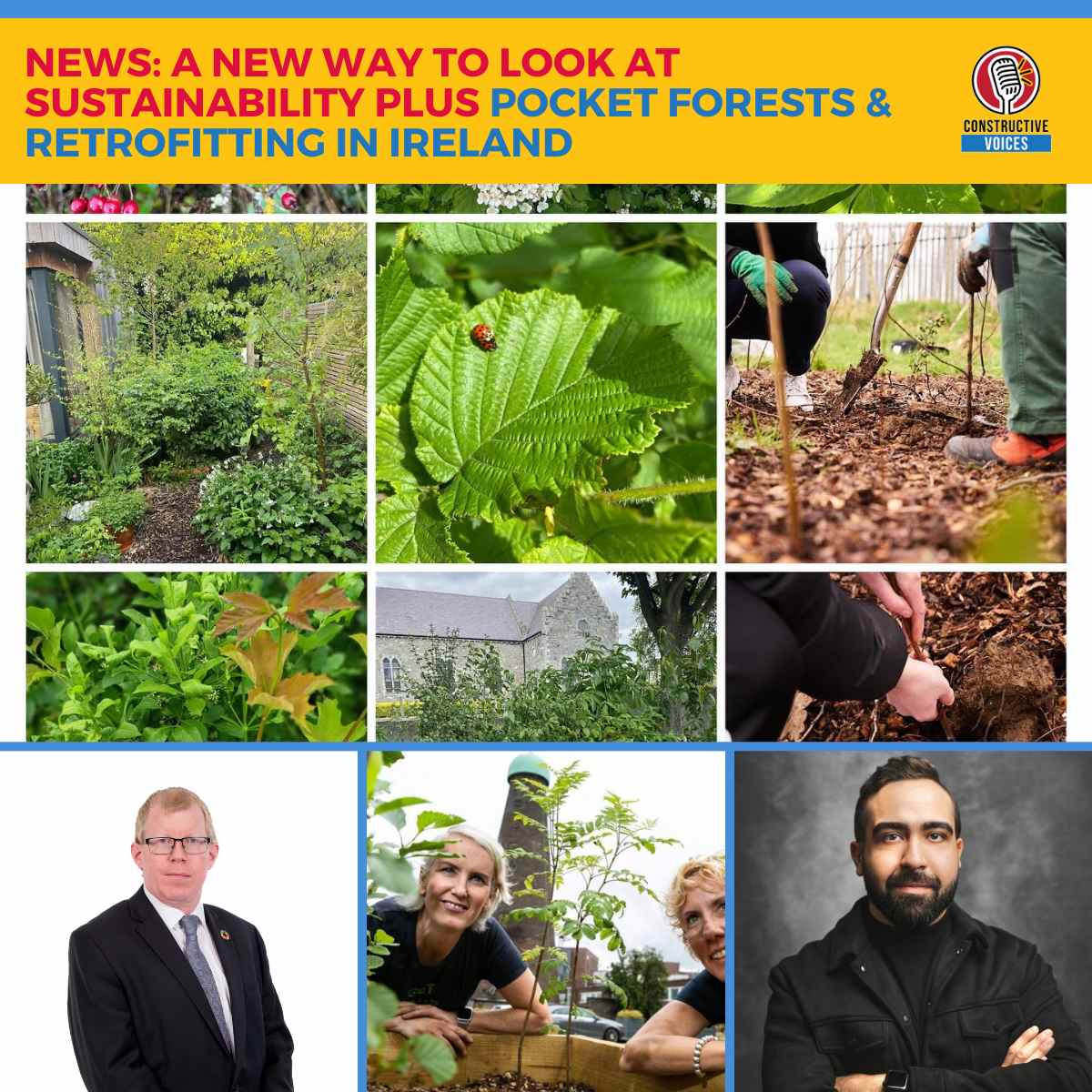
Zaczynamy od fascynującej koncepcji, która dotyczy zarówno ochrony naszego umysłu, jak i planety – neurozrównoważonego rozwoju. Prowadząca Jackie De Burca rozmawia z Mohamedem Heshamem Khalilem, którego pionierskie badania na Uniwersytecie Cambridge zgłębiają, w jaki sposób środowisko zbudowane affects our brain health, mental wellbeing, and cognitive performance.
“That shift… from experiencing the built environment in a specific way and then going back was an alert to start seeing this relationship between the built environment and the human brain.” — Mohamed Hesham Khalil
Discover how architecture, neuroscience, and nature intersect — and why this matters more than ever post-lockdown.

Zazielenianie Irlandii: Lasy kieszonkowe
Next, volunteer reporter Sarah Austin speaks with Catherine Cleary, co-founder of Pocket Forests, about transforming small urban spaces into thriving native woodlands. With over 125 sites planted — from car-parking-space-sized micro-forests to half–tennis-court plots — these dense plantings are changing soil health, bioróżnorodnośći powiązania społeczne.
„Sadzimy dużo młodsze drzewa… dużo bliżej siebie… w efekcie czego bardzo szybko tworzą ten mikroklimat.” — Catherine Cleary
Aby dowiedzieć się więcej, obejrzyj nasz specjalny odcinek Zielona Irlandia – od lasów kieszonkowych po lasy rodzime – na naszej stronie internetowej.

Catherine Cleary i Ashe Conrad-Jones, założycielki Pocket Forests.
Zdjęcie dzięki uprzejmości Pocket Forests
Dynamika modernizacji w Irlandii
We round things off with encouraging retrofitting news: in early 2025, Ireland saw 11,910 home energy upgrades supported through government grants — a 2% rise from the previous year.
These upgrades avoided 15,000 tonnes of CO₂ emissions, reinforcing Ireland’s national push toward energy efficiency and climate action.
Bookmark this page to check for the podcast episode that deep dives into this topic with Dr. Ciaran Byrne, the Director of National Retrofit at Sustainable Energy Authority of Ireland (SEAI).
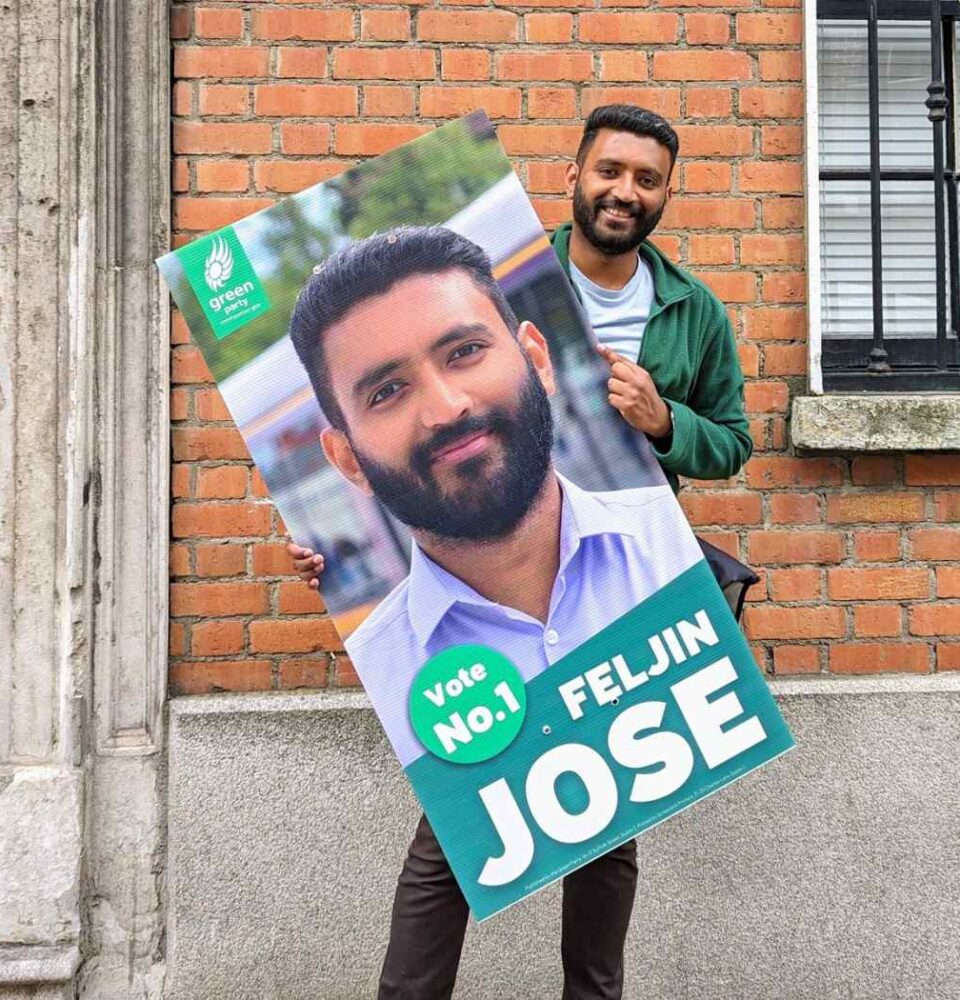
Budowa ulic, domów i transportu publicznego gotowych na zmiany klimatu z Feljinem Jose
Budowa ulic gotowych na zmiany klimatu, Domy & Transport z Feljinem Jose Feljin Jose, zwolennik transportu publicznego i radny miasta Dublin, dołącza do...
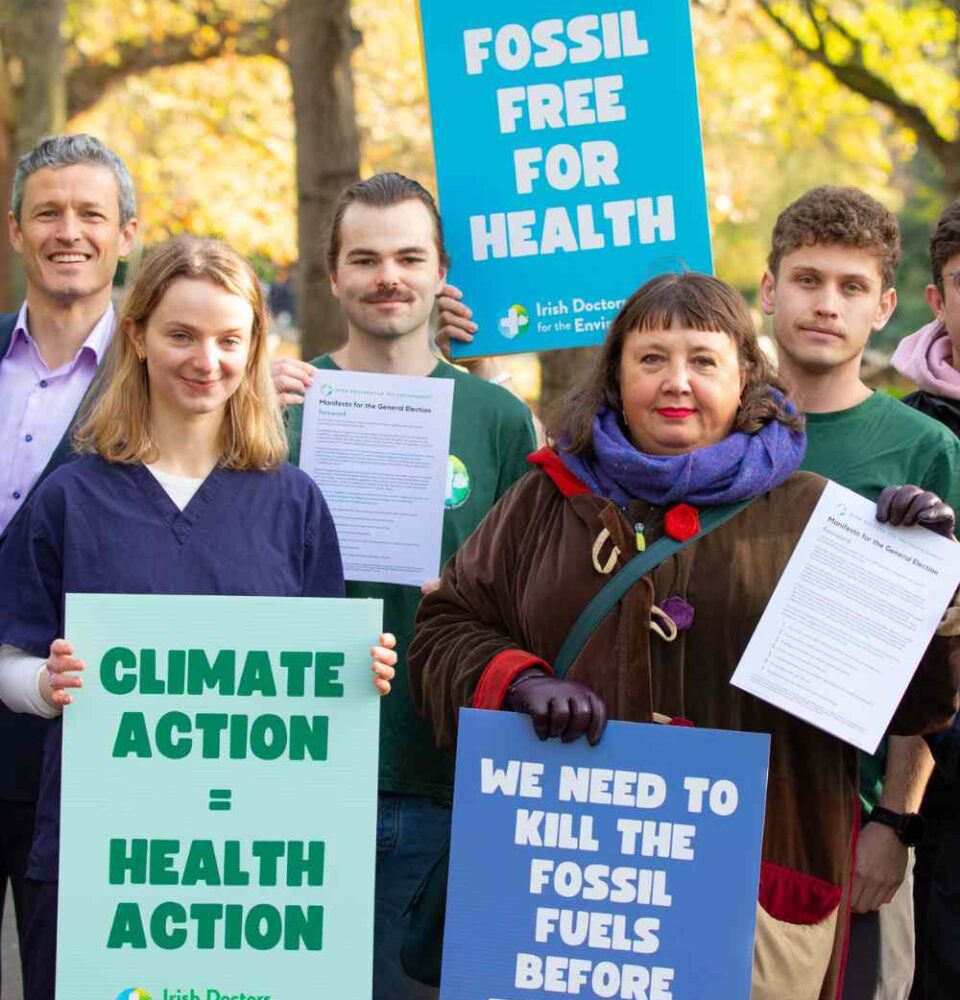
Rola opieki zdrowotnej w zmianie klimatu z irlandzkimi lekarzami na rzecz środowiska
Rola opieki zdrowotnej w kontekście zmian klimatycznych z Irish Doctors for the Environment Środowisko zabudowane i oczywiście środowisko...

Dlaczego kredyty za zasoby naturalne są ważne – z Brianem MacSharrym, Europejską Agencją Środowiska
Dlaczego kredyty środowiskowe są tak ważne – z Brianem MacSharrym, Europejska Agencja Środowiska Wyjaśniamy, w jaki sposób kredyty środowiskowe mogą zmienić sposób...

Na czym polega plan działania Komisji Europejskiej w zakresie kredytów ekologicznych?
Czym jest Plan Drogowy Komisji Europejskiej w sprawie Kredytów Naturalnych? „Kiedy po raz pierwszy zobaczyłem wiadomość o Planie Drogowym UE...
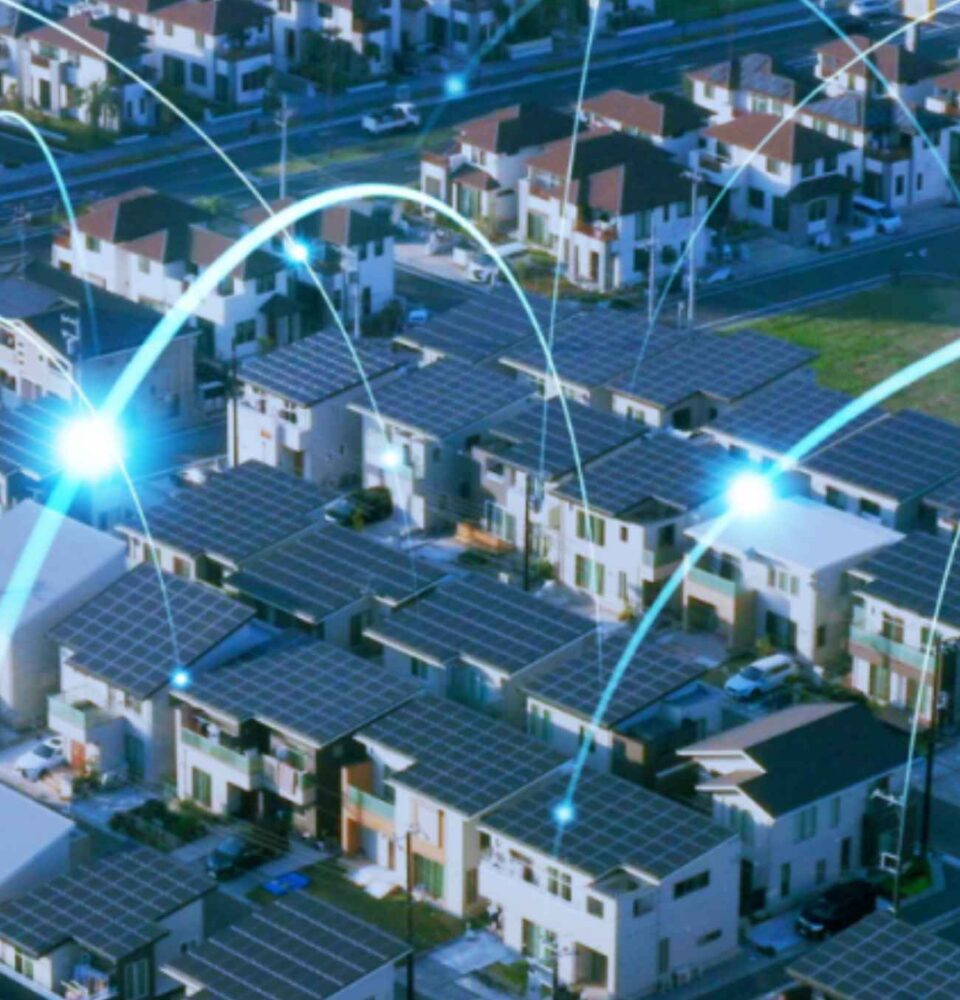
Irlandzki wyścig modernizacyjny — z dr Ciaránem Byrne (SEAI)
Irlandzki wyścig modernizacji z dr. Ciaránem Byrne (SEAI) Jak Irlandia sprawia, że domy stają się cieplejsze, tańsze w eksploatacji i mniej emisyjne — w...

Dyrektywa w sprawie charakterystyki energetycznej budynków (EPBD): przełom w zakresie zrównoważonego rozwoju budownictwa w Europie ze Stephenem Barrettem z IGBC
Dyrektywa w sprawie charakterystyki energetycznej budynków (EPBD): przełomowy moment dla zrównoważonego rozwoju budownictwa w Europie Ze Stephenem Barrettem z IGBC...

Zrównoważony obraz Cobh: działania lokalne, implikacje globalne S4, E14
Zrównoważony rozwój Cobh: działania lokalne, globalne implikacje S4, E14 „Mam tylko nadzieję, że wszystkie te nowe osiągnięcia...

Greening Ireland: Od lasów kieszonkowych do lasów rodzimych z Catherine Cleary, S4, E11
Zazielenianie Irlandii: od lasów kieszonkowych do lasów rodzimych Z Catherine Cleary „Zazielenianie Irlandii: od lasów kieszonkowych do lasów rodzimych...

Życie w Cloughjordan Ecovillage – Plan zrównoważonego życia społecznego – Odcinek podcastu: S4, E6
Życie w ekowiosce Cloughjordan – plan zrównoważonego życia społecznego Życie w ekowiosce Cloughjordan – plan...

S3, E5 Dr Ciaran Byrne, dyrektor SEAI o historiach sukcesu, wyzwaniach i możliwościach w zakresie modernizacji w Irlandii
S3, E5: Dr Ciaran Byrne, dyrektor SEAI, opowiada o sukcesach, wyzwaniach i szansach w zakresie modernizacji domów w Irlandii W tym inspirującym odcinku...
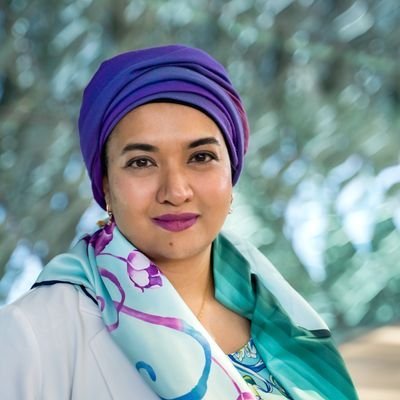


Ukryty neurologiczny wpływ pożarów lasów
10 miesięcy temu[…] Dobra wiadomość: Nowe spojrzenie na zrównoważony rozwój, lasy kieszonkowe i modernizację w Irlandii […]
Dlaczego kredyty za zasoby naturalne są ważne – z Brianem MacSharrym, Europejską Agencją Środowiska
9 miesięcy temu[…] Dobra wiadomość: Nowe spojrzenie na zrównoważony rozwój, lasy kieszonkowe i modernizację w Irlandii […]