



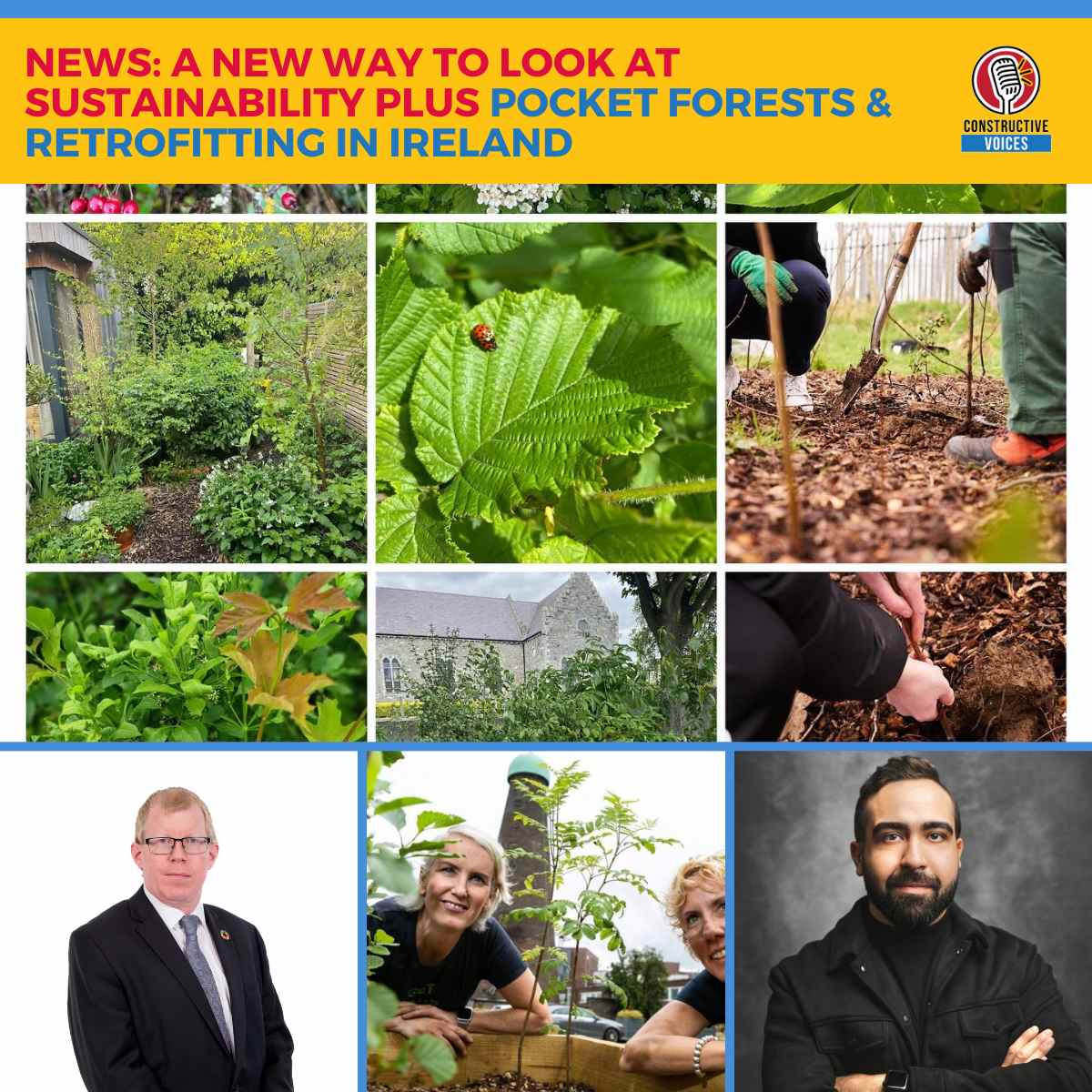
Boas notícias: Uma nova maneira de encarar a sustentabilidade, as florestas de bolso e a modernização na Irlanda
Nesta edição inspiradora do podcast Constructive Voices Good News, trazemos a você uma breve e contundente explosão de histórias positivas do ambiente construído — com uma pitada de inspiração para conservação.
SINTONIZE, APRENDA E SEJA ELEVADO EM MENOS DE 6 MINUTOS
Uma nova maneira de encarar a sustentabilidade: Neurosustentabilidade
Começamos com um conceito fascinante que visa tanto proteger nossas mentes quanto proteger o planeta: a neurosustentabilidade. A apresentadora Jackie De Burca conversa com Mohamed Hesham Khalil, cuja pesquisa pioneira na Universidade de Cambridge explora como a ambiente construído affects our brain health, mental wellbeing, and cognitive performance.
“That shift… from experiencing the built environment in a specific way and then going back was an alert to start seeing this relationship between the built environment and the human brain.” — Mohamed Hesham Khalil
Discover how architecture, neuroscience, and nature intersect — and why this matters more than ever post-lockdown.

Tornando a Irlanda mais verde: Florestas de bolso
Next, volunteer reporter Sarah Austin speaks with Catherine Cleary, co-founder of Pocket Forests, about transforming small urban spaces into thriving native woodlands. With over 125 sites planted — from car-parking-space-sized micro-forests to half–tennis-court plots — these dense plantings are changing soil health, biodiversidade, e conexões comunitárias.
“Estamos plantando árvores muito mais jovens… muito mais próximas umas das outras… o resultado é que elas criam esse microclima muito rapidamente.” — Catherine Cleary
Para um mergulho profundo completo, confira nosso episódio especial Tornando a Irlanda mais verde, de pequenas florestas a bosques nativos, no nosso site.

Catherine Cleary e Ashe Conrad-Jones, fundadoras da Pocket Forests.
Imagem cortesia de Pocket Forests
O impulso da modernização na Irlanda
We round things off with encouraging retrofitting news: in early 2025, Ireland saw 11,910 home energy upgrades supported through government grants — a 2% rise from the previous year.
These upgrades avoided 15,000 tonnes of CO₂ emissions, reinforcing Ireland’s national push toward energy efficiency and climate action.
Bookmark this page to check for the podcast episode that deep dives into this topic with Dr. Ciaran Byrne, the Director of National Retrofit at Sustainable Energy Authority of Ireland (SEAI).
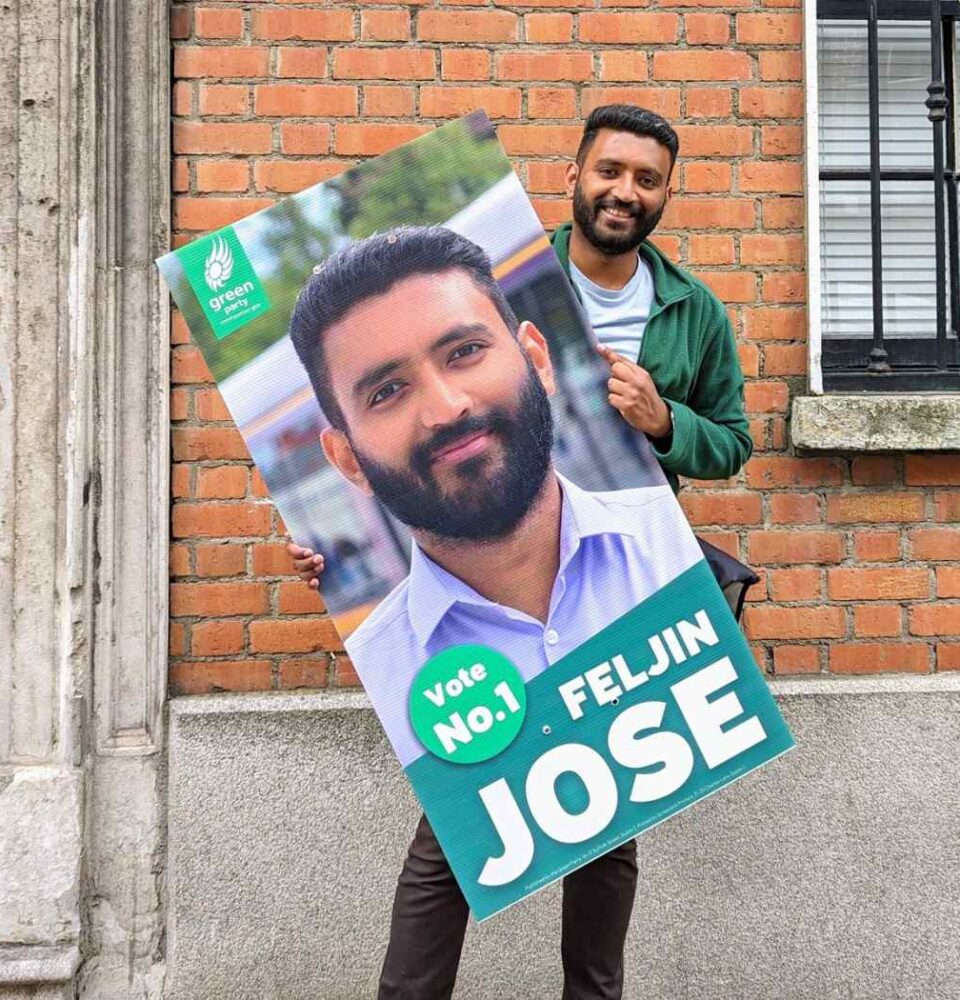
Construindo ruas, casas e transportes preparados para as mudanças climáticas com Feljin Jose
Construindo ruas preparadas para o clima, Casas & Transporte com Feljin Jose O defensor do transporte público e vereador da cidade de Dublin, Feljin Jose, participa...
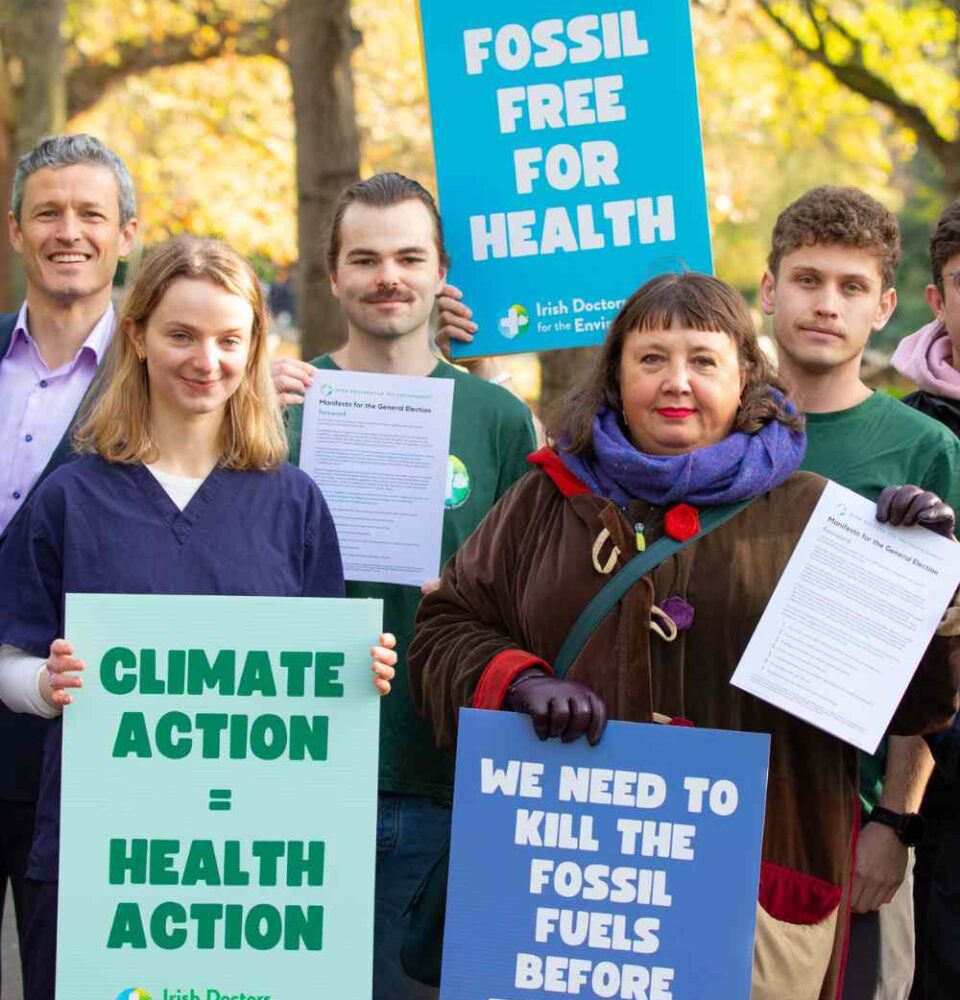
O papel da assistência médica nas mudanças climáticas com a organização Médicos Irlandeses pelo Meio Ambiente.
O papel da saúde nas mudanças climáticas com a organização Médicos Irlandeses pelo Meio Ambiente. O ambiente construído e, claro, o meio ambiente...

Por que os créditos da natureza são importantes – com Brian MacSharry, Agência Europeia do Meio Ambiente
Por que os créditos da natureza são importantes – com Brian MacSharry, Agência Europeia do Meio Ambiente Desvendando como os créditos da natureza podem remodelar a maneira...

Qual é o Roteiro da Comissão Europeia para os Créditos da Natureza?
Qual é o Roteiro da Comissão Europeia para os Créditos da Natureza? "Quando vi pela primeira vez a notícia sobre o Roteiro da UE...

Corrida de Retrofit da Irlanda - com Dr. Ciarán Byrne (SEAI)
Corrida de Retrofit da Irlanda com o Dr. Ciarán Byrne (SEAI) Como a Irlanda está tornando as casas mais quentes, mais baratas de administrar e com menos carbono...

A Diretiva de Desempenho Energético dos Edifícios (EPBD): Uma Mudança de Jogo para a Sustentabilidade dos Edifícios Europeus com Stephen Barrett do IGBC
A Diretiva de Desempenho Energético de Edifícios (EPBD): Uma Revoluçao para a Sustentabilidade da Construção Europeia Com Stephen Barrett do IGBC,...

Um Panorama Sustentável de Cobh: Ação Local, Implicações Globais S4, E14
Um instantâneo sustentável de Cobh: ação local, implicações globais S4, E14 “Só espero que todo esse novo desenvolvimento seja...

Tornando a Irlanda mais Verde: De Pequenas Florestas a Bosques Nativos com Catherine Cleary, S4, E11
Tornando a Irlanda mais verde: de pequenas florestas a bosques nativos com Catherine Cleary 'Tornando a Irlanda mais verde: de pequenas florestas a bosques nativos...

A vida dentro da ecovila de Cloughjordan – Um projeto para uma vida comunitária sustentável – Episódio de podcast: S4, E6
A vida dentro da ecovila de Cloughjordan – Um projeto para uma vida comunitária sustentável A vida dentro da ecovila de Cloughjordan – Um projeto para...

S3, E5 Dr. Ciaran Byrne, Diretor, SEAI sobre Histórias de Sucesso, Desafios e Oportunidades de Retrofitting na Irlanda
S3, E5: Dr. Ciaran Byrne, Diretor da SEAI, fala sobre histórias de sucesso, desafios e oportunidades de modernização na Irlanda Neste episódio esclarecedor...


O custo neurológico oculto dos incêndios florestais
meses 10 atrás[…] Boas notícias: uma nova maneira de encarar a sustentabilidade, as florestas de bolso e a modernização na Irlanda […]
Por que os créditos da natureza são importantes – com Brian MacSharry, Agência Europeia do Meio Ambiente
meses 9 atrás[…] Boas notícias: uma nova maneira de encarar a sustentabilidade, as florestas de bolso e a modernização na Irlanda […]