This International Day of the Girl, Double the Difference and Make Space for Girls
Teenage girls are often excluded from the design of parks and public spaces, leaving them without places where they feel welcome or valued..
writes Caroline Millar, Chair at Make Space for Girls, a charity that advocates for inclusive parks and public spaces. This week, join us in celebrating International Day of the Girl, and double your impact to help work towards a future where public spaces work for everyone.
When it comes to parks, there is a growing recognition that the standard ‘youth’ provision, such as skateparks and caged multi-use games areas, is barely used by girls and young women, and almost always dominated by boys and young men. When girls don’t feel that parks are for them, they don’t go.
“Why would I go to the park? There’s nothing there for me.” Lily, age 14
At Make Space for Girls we have a very simple vision: a world where all parks and public spaces are designed to make teenage girls feel valued and included and where everyone feels welcome.
By partnering with local councils, built environment professionals, schools and advocacy groups, our charity aims to raise awareness, drive systemic change and ensure teenage girls’ needs are understood and addressed.
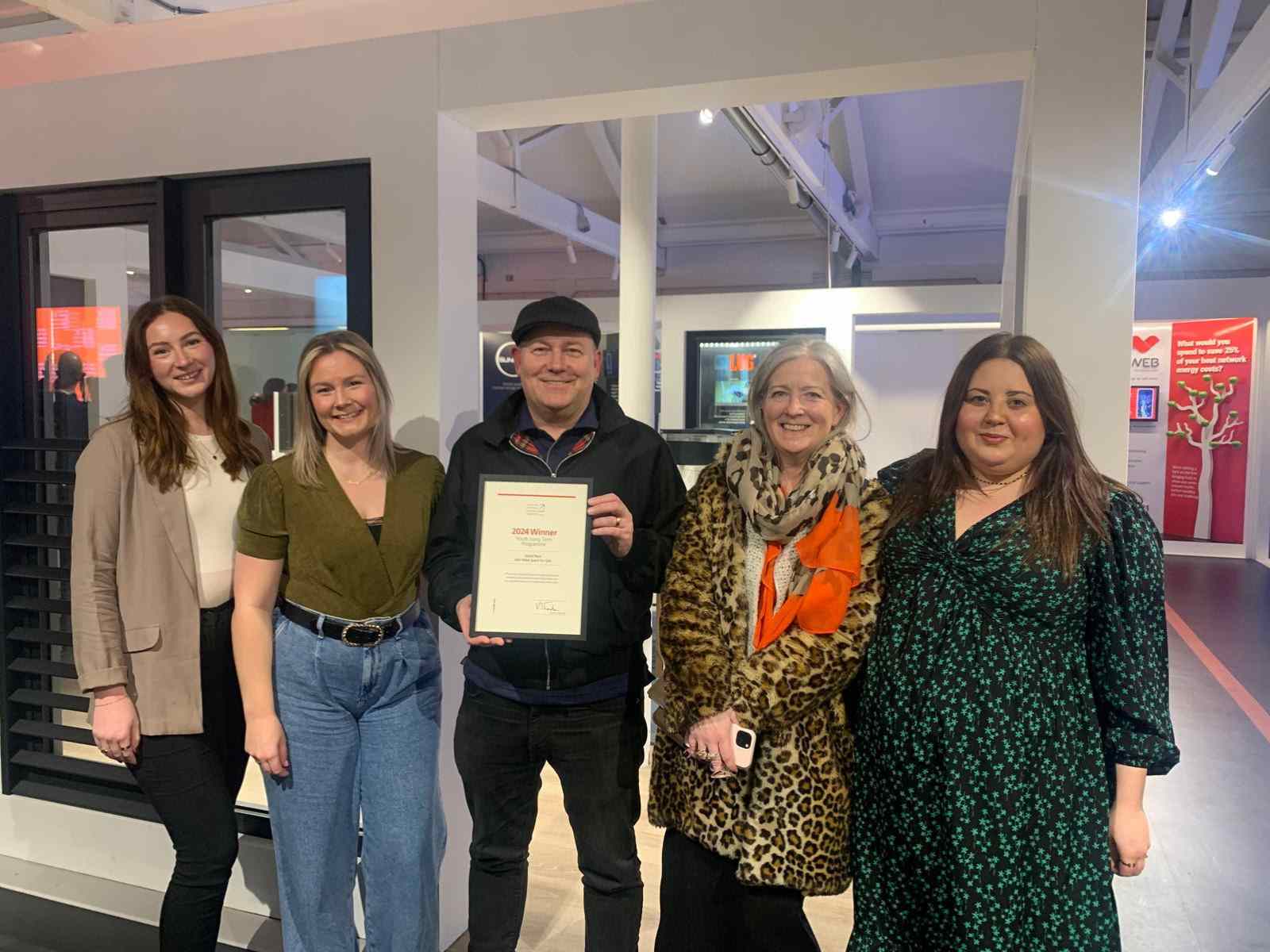
Spencer Clarke and Kaylie Charlery form the Chelmsford Community Safety Team, Ellie Scott and Jess Ellinopoulou from the Boswells School accepting the TET Award in January with Imogen Clark, MSFG
In the four and a half years since the charity was founded, the scale of the problem has become even clearer. Make Space for Girls’ 2023 ‘Parkwatch’ research on who was using teenage facilities in parks – the first of its kind, we believe – showed that 90% of teenage spaces are 90% used by boys and men.
In 2024 we did further research on who was using sports pitches, looking at 84 different local councils across England. The results were again striking: 90% of demand for sports pitch use is from men’s and boys’ teams.
Together there is a cumulative effect: the vast majority of outdoor public spaces are not used by, or welcoming to, teenage girls and young women.
As well as having a critical impact on teenage girls’ physical and mental health, it’s also a question of spatial equity: what are we telling girls about their right to take up space in the world?
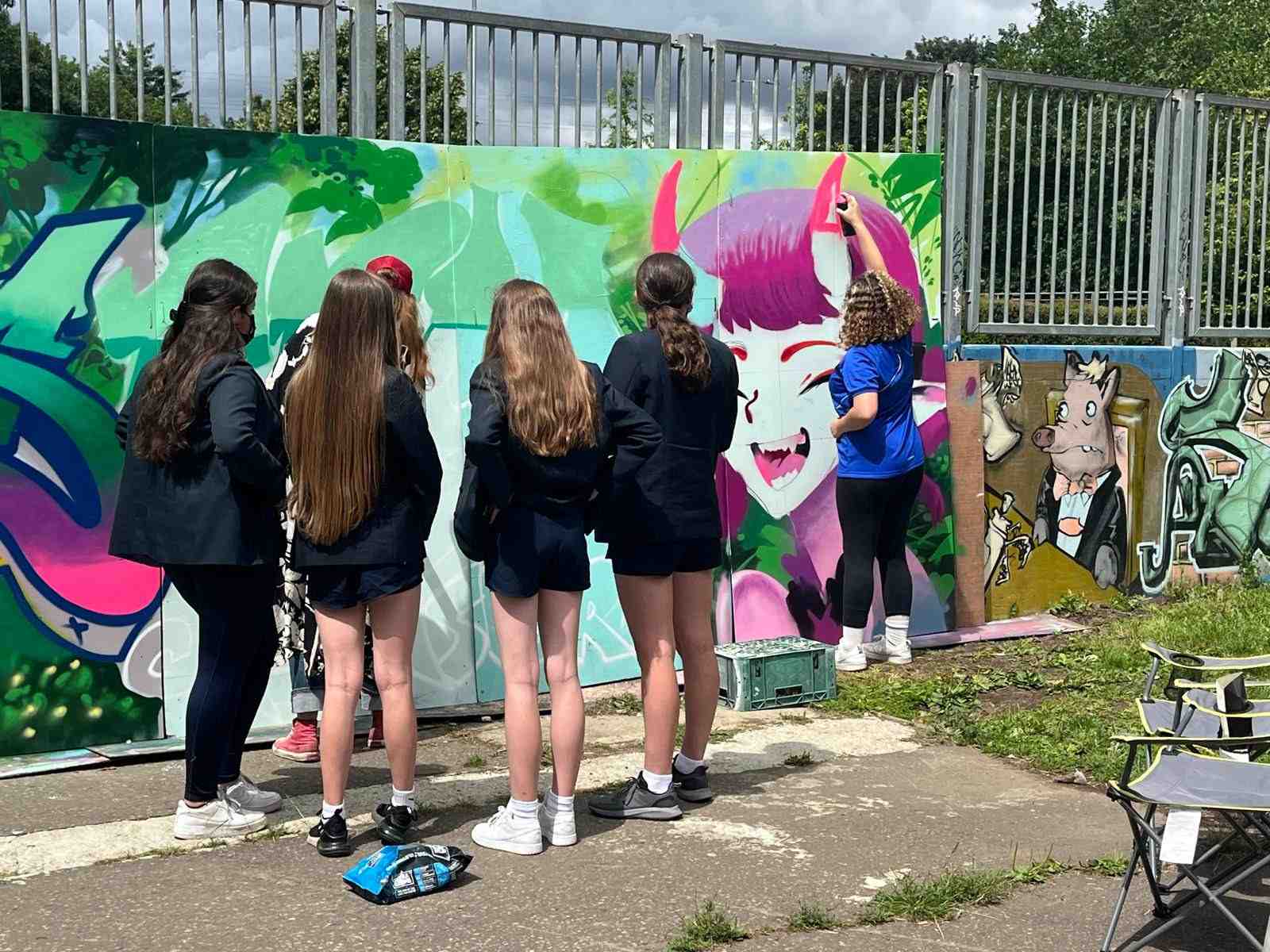
Girls doing graffiti art as part of a celebration of their work in Chelmsford Central Park
Make Space for Girls has made great strides in changing the conversation about girls’ use of parks and public spaces. We are very proud of what the charity has achieved: from conducting pioneering research, to our award-winning engagement work to amplify the voices of teenage girls; and from local councils writing our work into their planning policies, to seeing the openings of spaces specifically designed with young women in mind.
To ensure that they have access to spaces that meet their needs and are inclusive, we work directly with teenagers and young women, campaigning and advocating for them to be involved in the process of designing places they will use and enjoy.
“The fantastic Make Space for Girls are changing the conversation in development.” Cratus Communications
This month, Make Space for Girls is launching its new three-year strategy for a world where all parks and public spaces are designed to make teenage girls feel valued and included and where everyone feels welcome. To take the charity’s work to the next level, we want to advocate for systemic change in local and national policy and practice, offering evidence-based guidance to decision-makers.
One of our goals is to set up a pilot panel of teenage girls to act as a consultee for councils and developers – and eventually replicate that all across the country. And we want to develop a quality mark for park and play space designs that are gender-inclusive, to make it easy for developers to include everyone.
Hear from three brilliant teenage girls who live near Broomfield Park in North London, explaining what we want to achieve in the video in the early part of this article.
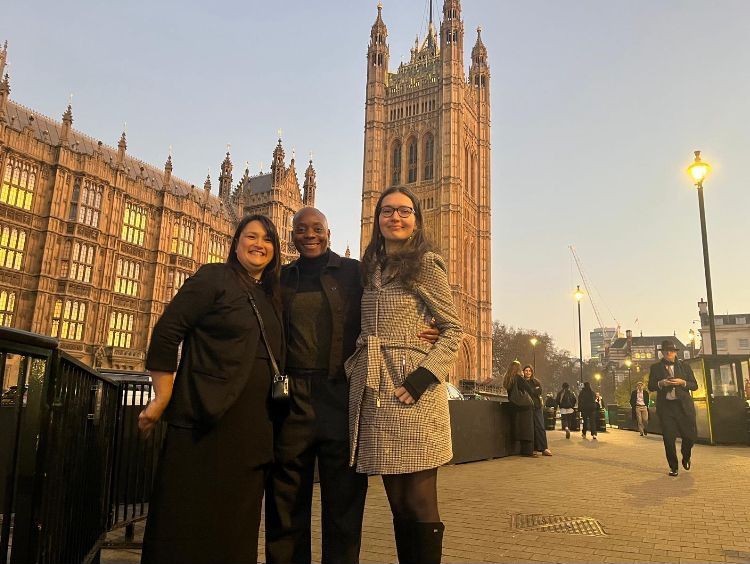
Trustees Angela Manning Wood, Nadine Peters and Margaret Koudelkova attending at the Women’s History Month event at the Speaker’s House in March.
But we need your help. Make Space for Girls is staffed entirely by volunteers
..and we rely solely on public donations to keep our work moving forward.
We are delighted to have been chosen by the Big Give to be part of its Women and Girls Match Fund campaign, in celebration of International Day of the Girl. This week only (8-15 October 2025), if you donate to support our work through the Big Give, your donation will be matched, doubling the difference you will make to inclusion and equality in public space.
Donating £10 would give us £20, which could help us equip a teenage girl with workshop materials to be on a consultation panel. If you donate £25, that becomes £50, which could help us to roll out a toolkit on engaging with teenage girls five local councils. Meeting our campaign target of £10,000 will help us to hire dedicated staff, to get the message to policymakers nationally. This week, double the difference and make space for girls.
The Big Give Women and Girls’ Match Fund runs from noon on Wednesday 8 October to noon on 15 October 2025. Donate to support Make Space for Girls here.
Want to learn more? Make Space for Girls delivers online or face-to-face CPD training for built environment and public space professionals.