





Rebuilding Under Pressure: From Ideas to Implementation in Ukraine’s Reconstruction
The Safe, Swift, and Sustainable Reconstruction of Ukraine (S3RoU) project, a UK FCDO-funded collaboration between Ukraine, the UK, and the Netherlands, is tackling over a billion tonnes of war-generated construction waste by upcycling rubble concrete into safe, usable building materials. At its March conference in Sheffield and Lviv, researchers and practitioners stressed that reconstruction must be systemic, pairing technical innovation with reforms in planning, regulation, finance, and cultural heritage preservation—underscored by the 24 March drone strike that damaged a UNESCO-protected 17th-century monastery in Lviv. Contributors including Oleksii Hunyak (Lviv Polytechnic National University), Leon Black (University of Leeds), and Nataliya Lushnikova (Eindhoven University of Technology) highlighted pilot projects, flexible standards, and international collaboration as essential to rebuilding under ongoing conflict. The central takeaway: rebuilding Ukraine is non-linear, demanding solutions that adapt in real time to disrupted supply chains, compressed timelines, and the tension between immediate need and long-term sustainability.
- S3RoU (Safe, Swift, and Sustainable Reconstruction of Ukraine) is a UK FCDO funded collaboration uniting researchers, practitioners and industry partners from Ukraine, the UK and the Netherlands.
- The S3RoU conference was held on 19–20 March in Sheffield and Lviv, bringing together researchers, practitioners and stakeholders across Ukraine's recovery and the built environment sector.
- Well over a billion tonnes of construction and demolition waste are estimated to have been generated in Ukraine as a result of the full-scale invasion.
- The S3RoU project focuses on upcycling concrete from war rubble into usable construction materials, including testing for contaminants such as asbestos before reuse.
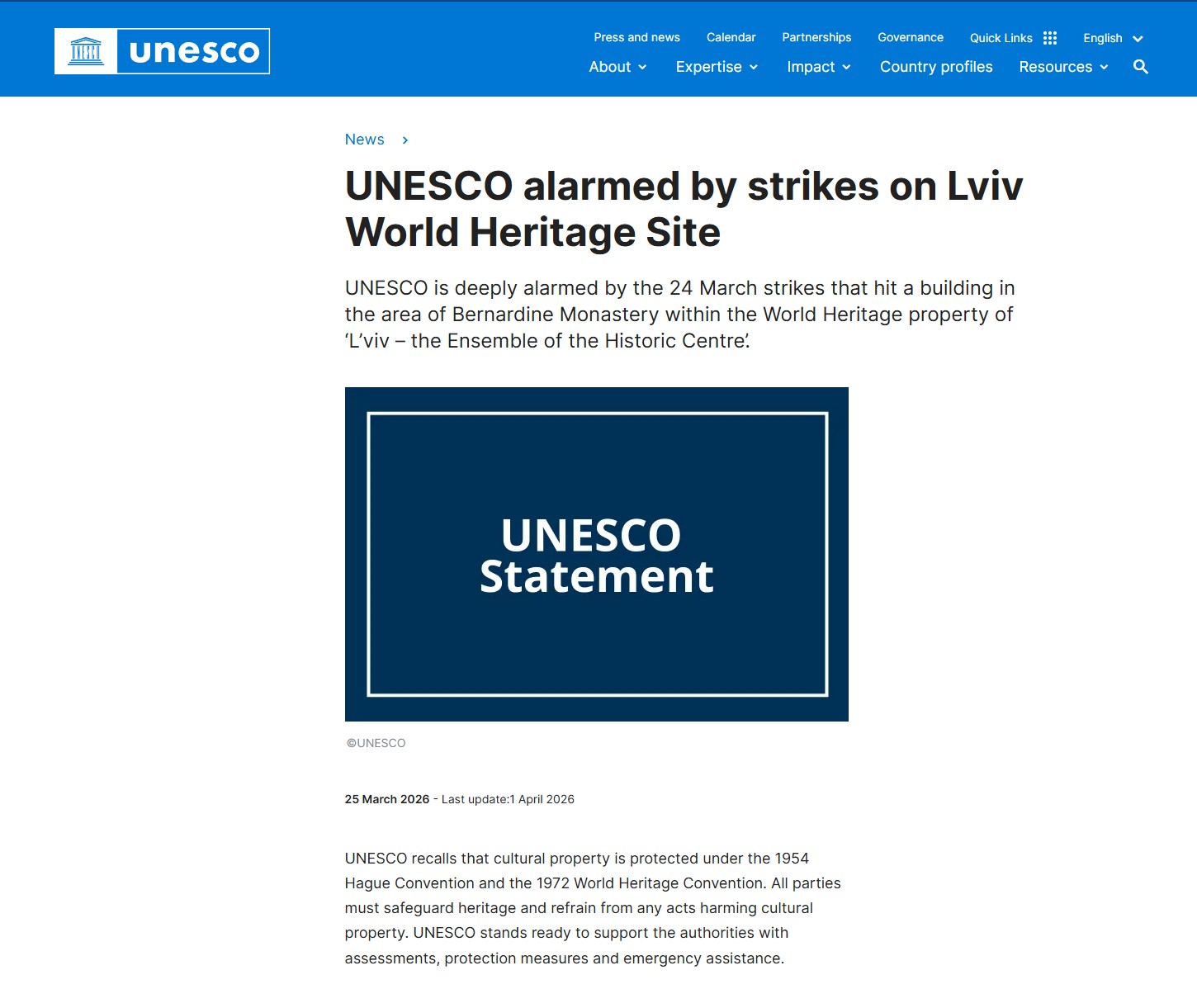
- A Russian drone strike on the historic centre of Lviv on 24 March damaged multiple buildings, including a UNESCO-protected 17th-century monastery.
- Oleksii Hunyak of Lviv Polytechnic National University emphasised the need to develop standards and implement pilot and demonstration projects to ensure the reliability of reconstruction solutions.
- Leon Black of the University of Leeds identified finance and insurance as hidden barriers to circularity, noting many underwriters are unprepared to support non-standard construction.
S3RoU (Safe, Swift, and Sustainable Reconstruction of Ukraine) is a UK FCDO funded international collaboration bringing together researchers, practitioners and industry partners from Ukraine, the UK and the Netherlands.
Towards the end of 2025, we released a deep dive podcast episode, “Rebuilding Ukraine Safely, Sustainably, and Swiftly” where we explored a central question: what does truly holistic reconstruction look like in practice?
You can tune into the podcast below or on your preferred podcast app.
In March, these questions were taken further at the S3RoU conference, held on 19–20 March in Sheffield and Lviv.
Bringing together researchers from diverse backgrounds, practitioners and stakeholders across Ukraine’s recovery and the wider built environment sector, the conference provided a space to test these ideas against real-world conditions.
In the weeks following the conference, these insights remain highly relevant. Continued strikes across Ukraine have reinforced the extent to which rebuilding is taking place alongside ongoing disruption, affecting not only critical infrastructure but also culturally significant areas. This ongoing volatility highlights the need for approaches that are not only technically sound but also adaptable to rapidly changing conditions.
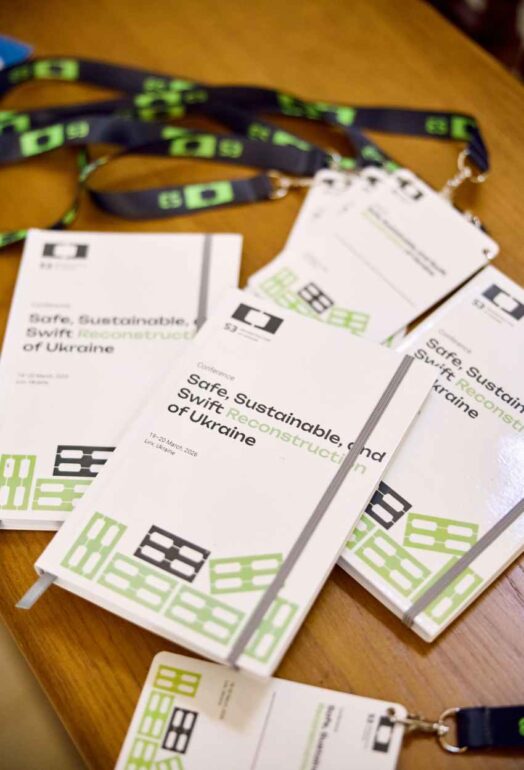
S3RoU conference 2026
““It is essential not only to continue research, but also to focus on developing standards and implementing pilot and demonstration projects. Ukraine faces multiple challenges, and it is through practical testing that we can ensure the reliability, effectiveness, and wider application of these solutions.” – Oleksii Hunyak (Lviv Polytechnic National University)
The S3RoU project offers one way of approaching this challenge in practice, primarily focusing on the upcycling of concrete from rubble generated by the war, with the aim of transforming it into usable construction materials. This is not a simple recycling process.
Materials must be assessed, including testing for contaminants such as asbestos, before being broken down, characterised and evaluated for reuse in new construction. In doing so, reconstruction also presents an opportunity to address existing longer term safety issues, including the removal of hazardous materials.
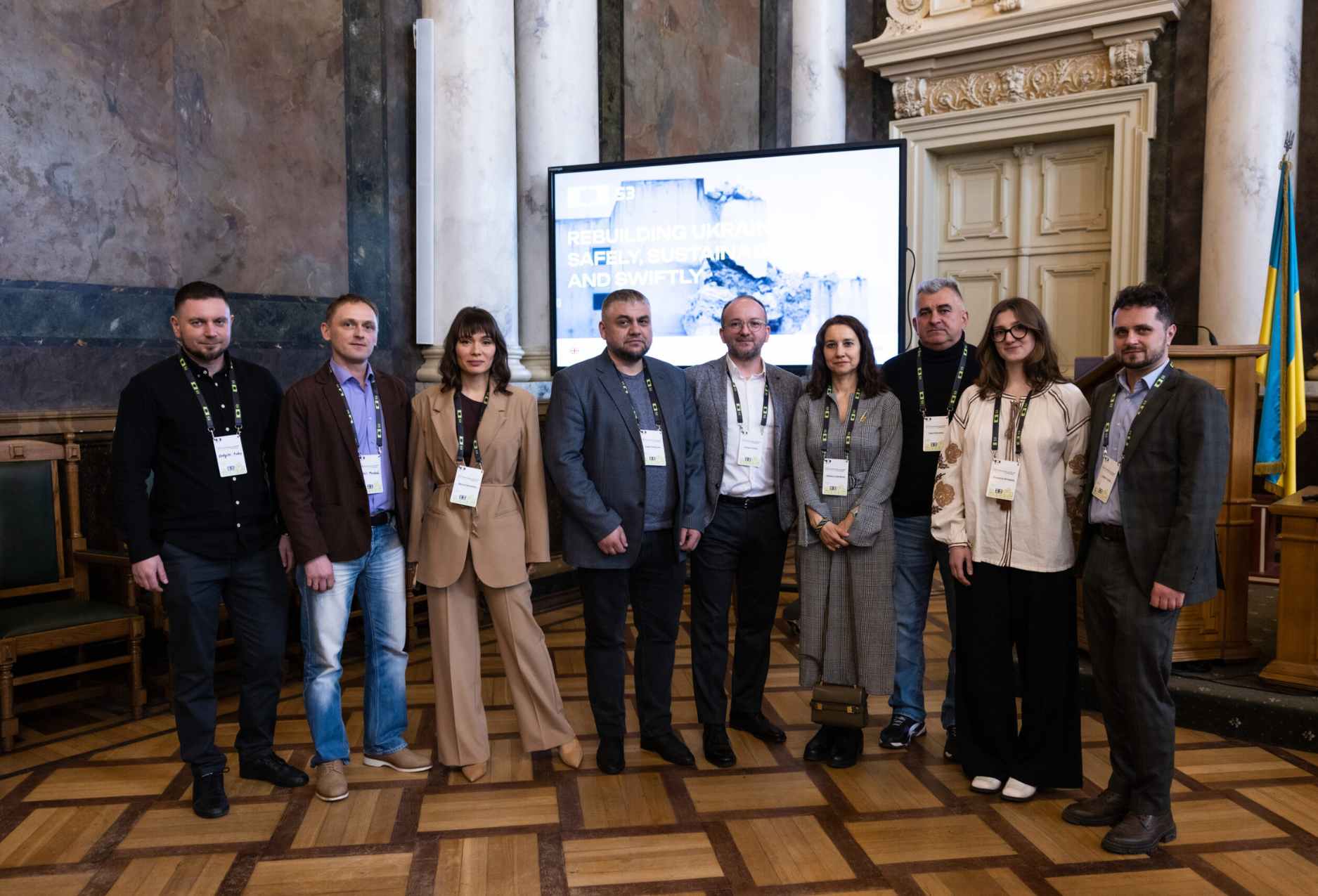
The Ukraine project team at the conference venue
In addition to the challenges of material processing and safety, the scale of destruction defines the scale of the task. Well over a billion tonnes of construction and demolition waste are estimated to have been generated in Ukraine as a result of the full-scale invasion, underlining the magnitude of the issue and the extent of both destruction and the need to rebuild.
Managing, processing and reusing these materials is central to reconstruction, not only in the context of the war in Ukraine, but across other settings shaped by conflict and disaster. This is particularly important given the environmental and material constraints associated with conventional construction, where cement production is both carbon-intensive and dependent on resource availability.
The discussions in March also made clear that reconstruction cannot be understood through materials alone.
They spanned sustainable construction, infrastructure rehabilitation, urban planning and regulatory frameworks, highlighting the breadth of challenges involved. Alongside this, the project showcased a range of technical innovations and approaches, from improved waste characterisation to material recovery processes, pointing not only to immediate applications within Ukraine, but also to wider opportunities for adoption in other settings shaped by conflict, disaster or resource constraints.
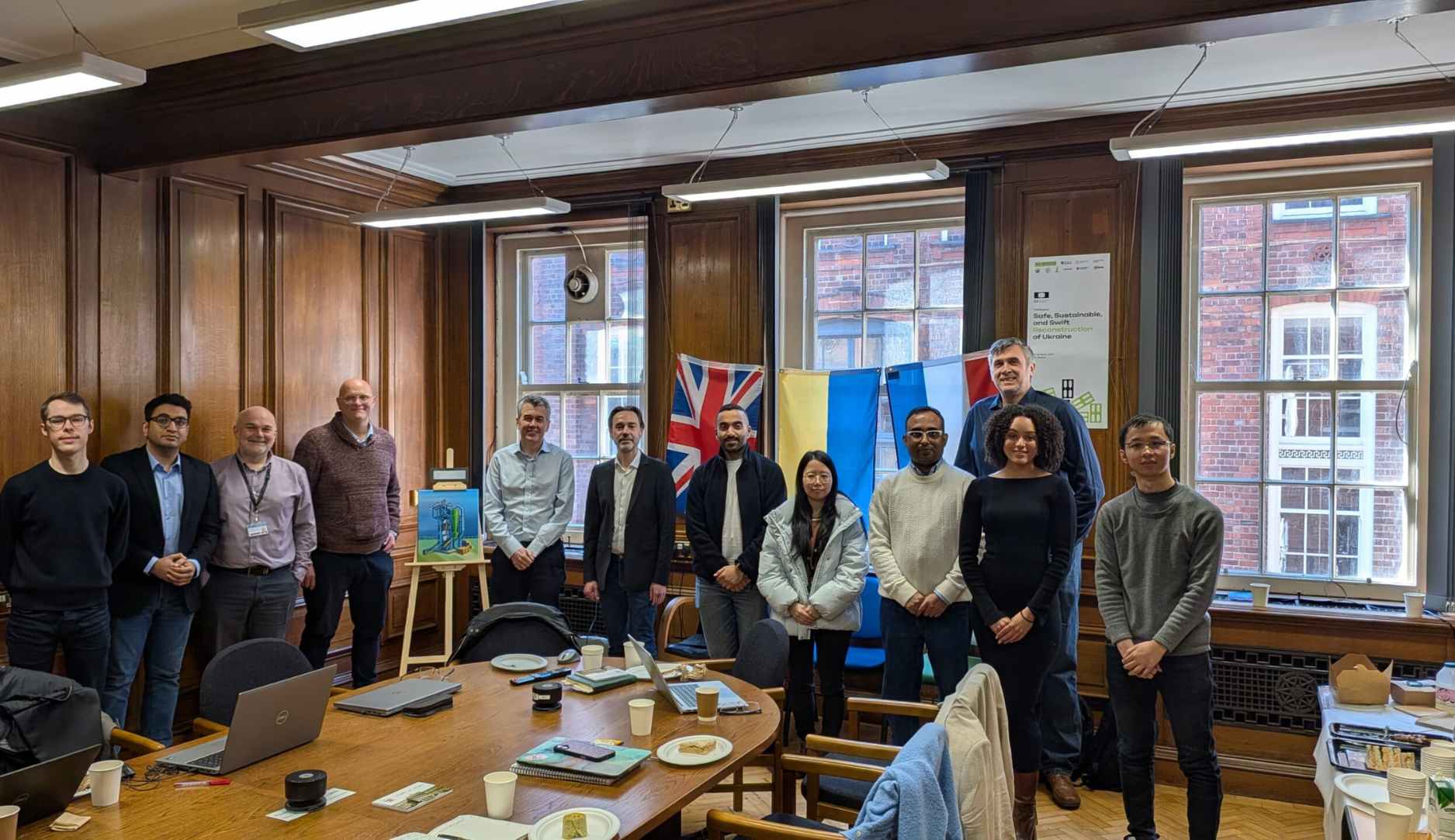
S3RoU project UK team in Sheffield
Rather than treating these as separate challenges, a clear message emerged: reconstruction requires a systemic approach, where technical innovation is matched by changes in how construction is planned, delivered and governed. In this sense, rebuilding engenders a paradigm shift where the goal is not only about replacing what has been lost, but about rethinking how the built environment functions. But this shift is taking place under constraint, in the context of conflict specifically, materials become scarce, supply chains are disrupted, and timelines compressed, creating a fundamental tension between long-term sustainability and immediate need.
Another important dimension of reconstruction concerns what is being rebuilt and why. This has been brought into sharper focus by continued damage to culturally significant sites.
A Russian drone strike on the historic centre of Lviv on 24 March, for example, damaged multiple buildings, including a UNESCO-protected 17th-century monastery. Such incidents highlight that reconstruction is not only about restoring infrastructure, but also about preserving cultural heritage under conditions of ongoing disruption.
Participants also pointed to structural barriers that continue to limit implementation. As Leon Black (University of Leeds) explained:
“There are multiple barriers to achieving circularity, including advancing research, improving education, and introducing more flexible standards. Finance and insurance remain hidden barriers, as many underwriters are not prepared to support non-standard construction.”
In this context, collaboration becomes essential, not only within Ukraine itself, but across international networks, including researchers and practitioners contributing from the diaspora. As highlighted by Nataliya Lushnikova (Eindhoven University of Technology):
“We need not only more pilot projects, but also better interaction between them and collaboration with all stakeholders: government, local communities, industry, investors. Collaboration rather than competition will allow us to make better use of existing knowledge and experience for sustainable and safe reconstruction of Ukraine.”
Ultimately, what emerged from Sheffield and Lviv is a shift in how rebuilding is understood, part developing new materials and circular processes alongside ensuring they can be applied where and when they are needed.
Rebuilding is not a linear process. It unfolds alongside ongoing disruption, requiring approaches that can operate under uncertainty, adapt to changing realities, and balance technical, practical and social priorities in real time.
What is S3RoU?
S3RoU (Safe, Swift, and Sustainable Reconstruction of Ukraine) is a UK FCDO funded international collaboration that brings together researchers, practitioners and industry partners from Ukraine, the UK and the Netherlands to address Ukraine's reconstruction challenges.
How much construction and demolition waste has the war in Ukraine generated?
Well over a billion tonnes of construction and demolition waste are estimated to have been generated in Ukraine as a result of the full-scale invasion, underlining the scale of both destruction and the rebuilding task.
What is the main focus of the S3RoU project?
The S3RoU project primarily focuses on upcycling concrete from rubble generated by the war and transforming it into usable construction materials. This involves assessing materials, testing for contaminants such as asbestos, and then breaking them down, characterising and evaluating them for reuse.
Where and when was the S3RoU conference held?
The S3RoU conference was held on 19–20 March in Sheffield and Lviv, bringing together researchers, practitioners and stakeholders involved in Ukraine's recovery and the wider built environment sector.
What are the main barriers to circular construction in Ukraine's reconstruction?
According to Leon Black (University of Leeds), barriers include the need to advance research, improve education, and introduce more flexible standards. Finance and insurance are also hidden barriers, as many underwriters are not prepared to support non-standard construction.
Why is reusing rubble important for sustainable reconstruction?
Reusing rubble is central to reconstruction because conventional construction faces environmental and material constraints, particularly as cement production is both carbon-intensive and dependent on resource availability. Reusing materials also helps address scarcity, supply chain disruptions and compressed timelines caused by conflict.
How does reconstruction address cultural heritage in Ukraine?
Reconstruction is not only about restoring infrastructure but also about preserving cultural heritage under ongoing disruption. For example, a Russian drone strike on the historic centre of Lviv on 24 March damaged multiple buildings, including a UNESCO-protected 17th-century monastery.
What approach does S3RoU recommend for rebuilding Ukraine?
S3RoU advocates a systemic approach where technical innovation is matched by changes in how construction is planned, delivered and governed. This includes developing standards, running pilot and demonstration projects, and fostering collaboration between government, local communities, industry and investors.
Can the methods developed for Ukraine be applied elsewhere?
Yes, the technical innovations showcased — including improved waste characterisation and material recovery processes — point to wider opportunities for adoption in other settings shaped by conflict, disaster or resource constraints, beyond Ukraine itself.





Rebuilding Ukraine with Circularity, Community & UK Support Podcast
4 months ago[…] Rebuilding Under Pressure: From Ideas to Implementation in Ukraine’s Reconstruction […]