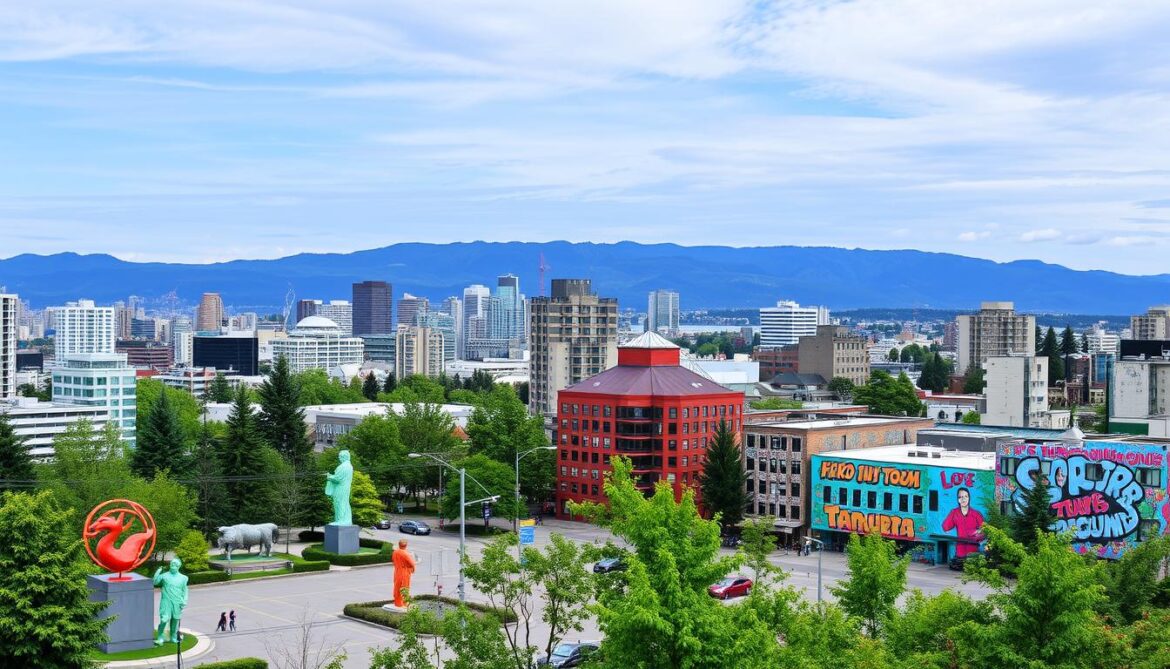
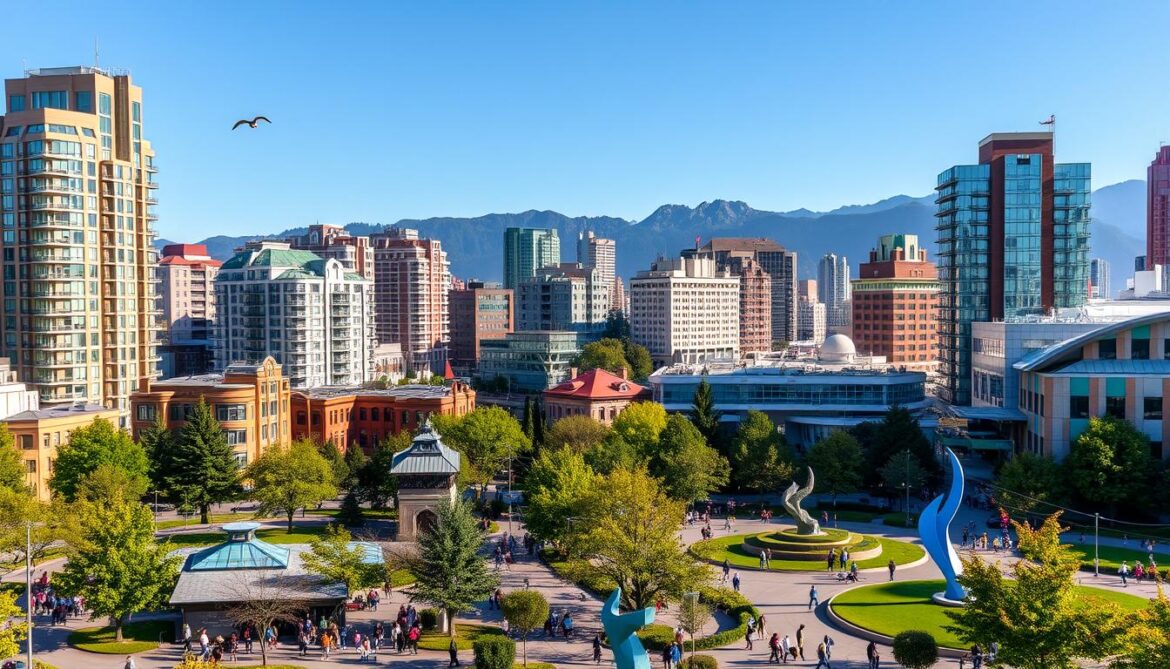
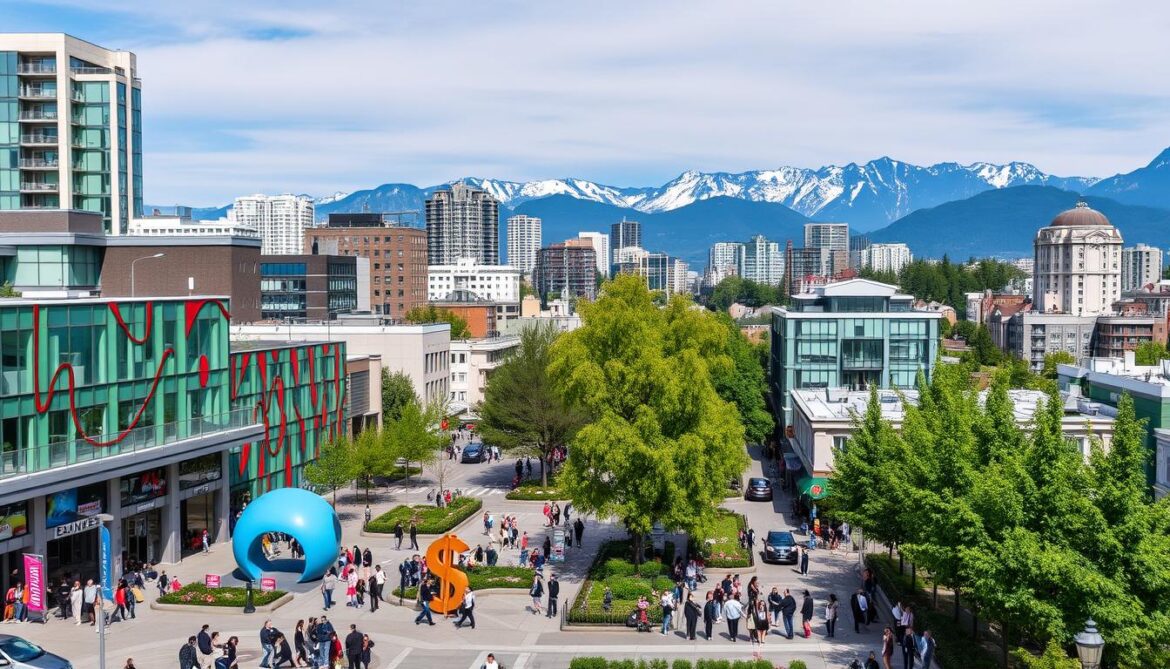
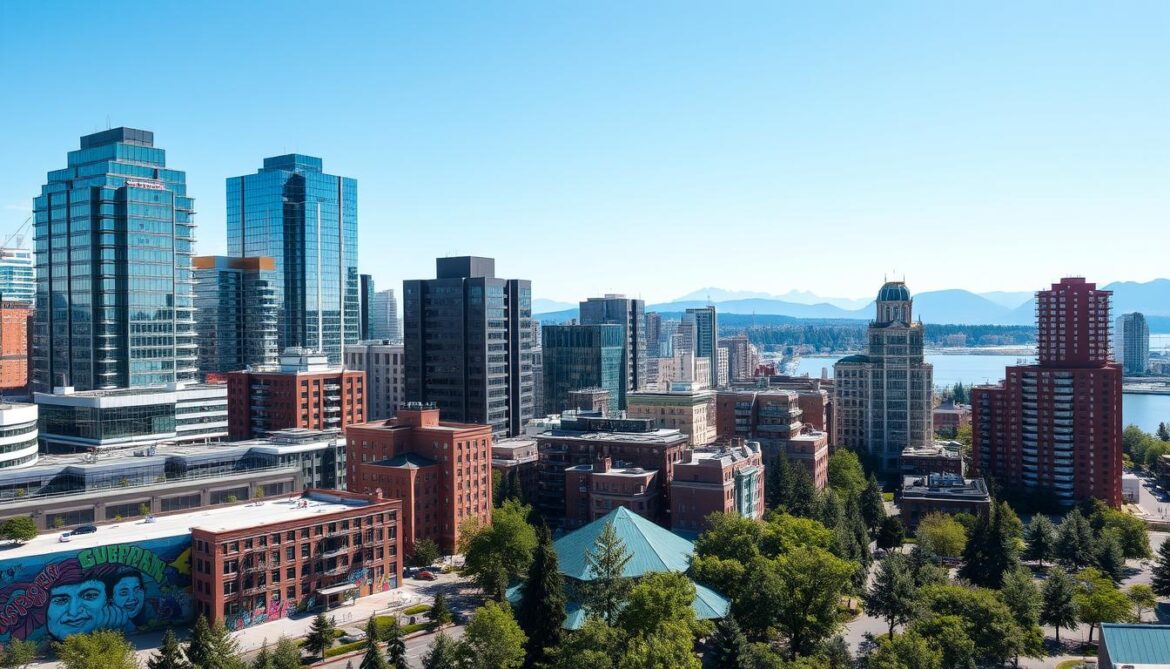
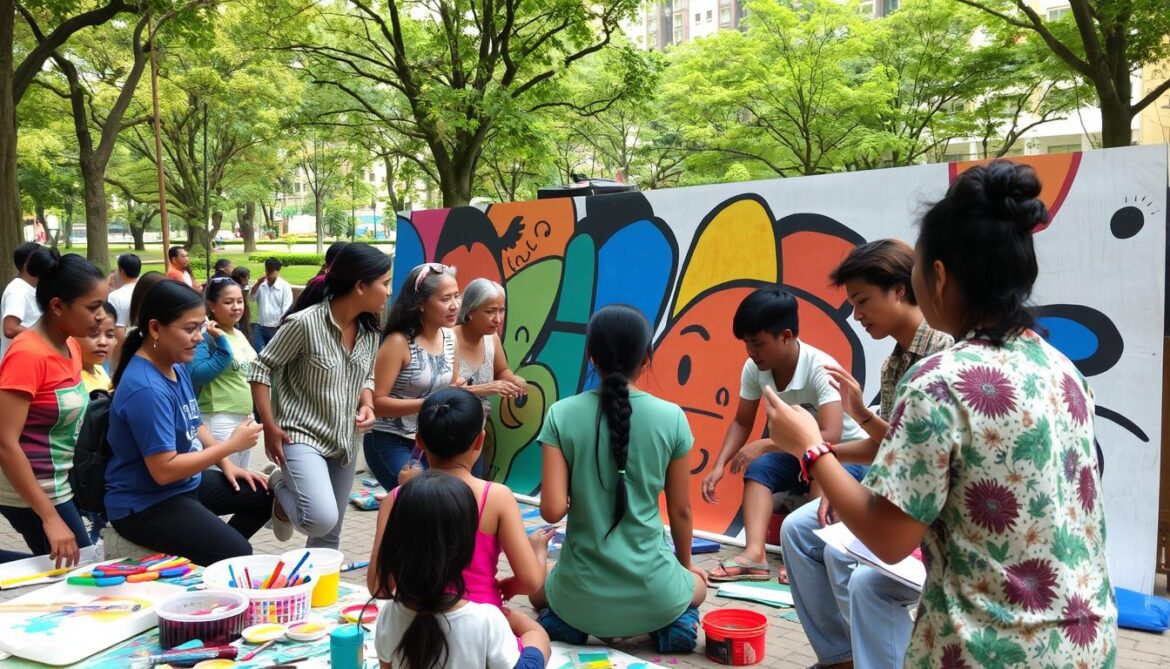
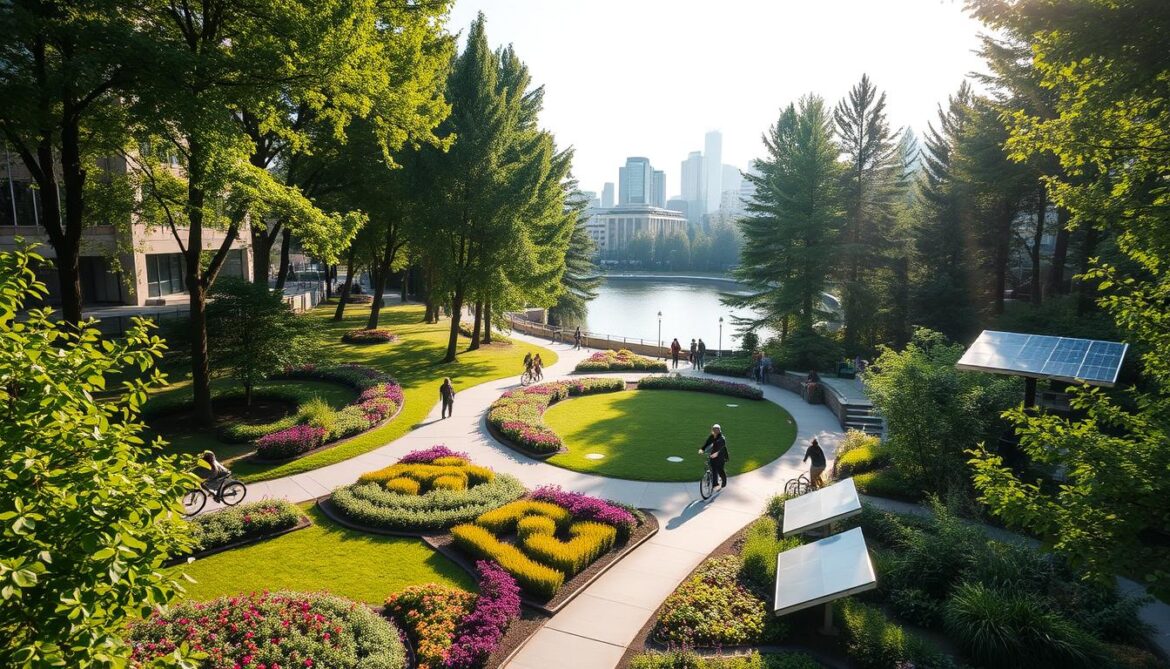
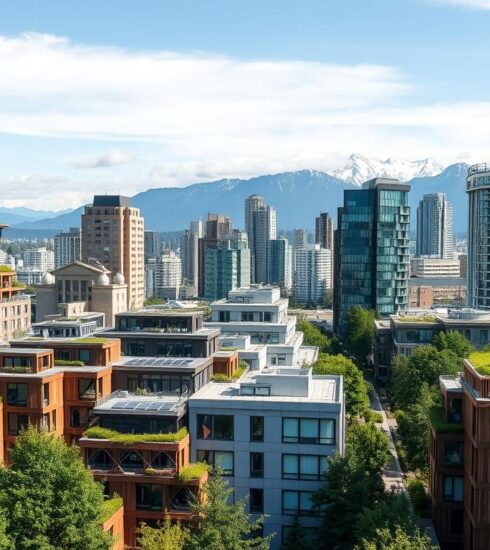
Vancouver, a vibrant Canadian city nestled between the Pacific Ocean and the Coast Mountains, has long been renowned for its distinctive urban design that seamlessly integrates public art and cultural expression. The city’s unique geography, including its proximity to bodies of water and lush forested areas, has significantly influenced its approach to urban planning and the shaping of cultural identity1.
As a multicultural society, Vancouver’s design philosophy places a strong emphasis on sustainability and community engagement, addressing challenges such as income inequality, an ageing population, and environmental concerns through innovative urban strategies. The city’s commitment to 文化響應型建築 公共藝術與景觀的融合已成為其身份的標誌,反映了賦予溫哥華獨特性格的多元化文化掛毯2.
關鍵要點
溫哥華的城市設計反映了其透過公共藝術與永續實踐的融合來塑造文化特徵的承諾。
這座城市獨特的地理位置,包括靠近水域和森林地區,對其城市規劃方法產生了重大影響。
溫哥華的多元文化社會和對永續發展的關注是其設計理念的關鍵因素,旨在解決收入不平等和環境問題等挑戰。
城市的 文化響應型建築 公共藝術與景觀的融合已成為其身份的標誌,反映了其多元化的文化掛毯。
Vancouver’s approach to urban design serves as a model for other cities seeking to fostering cultural identity and community engagement through innovative urban strategies.
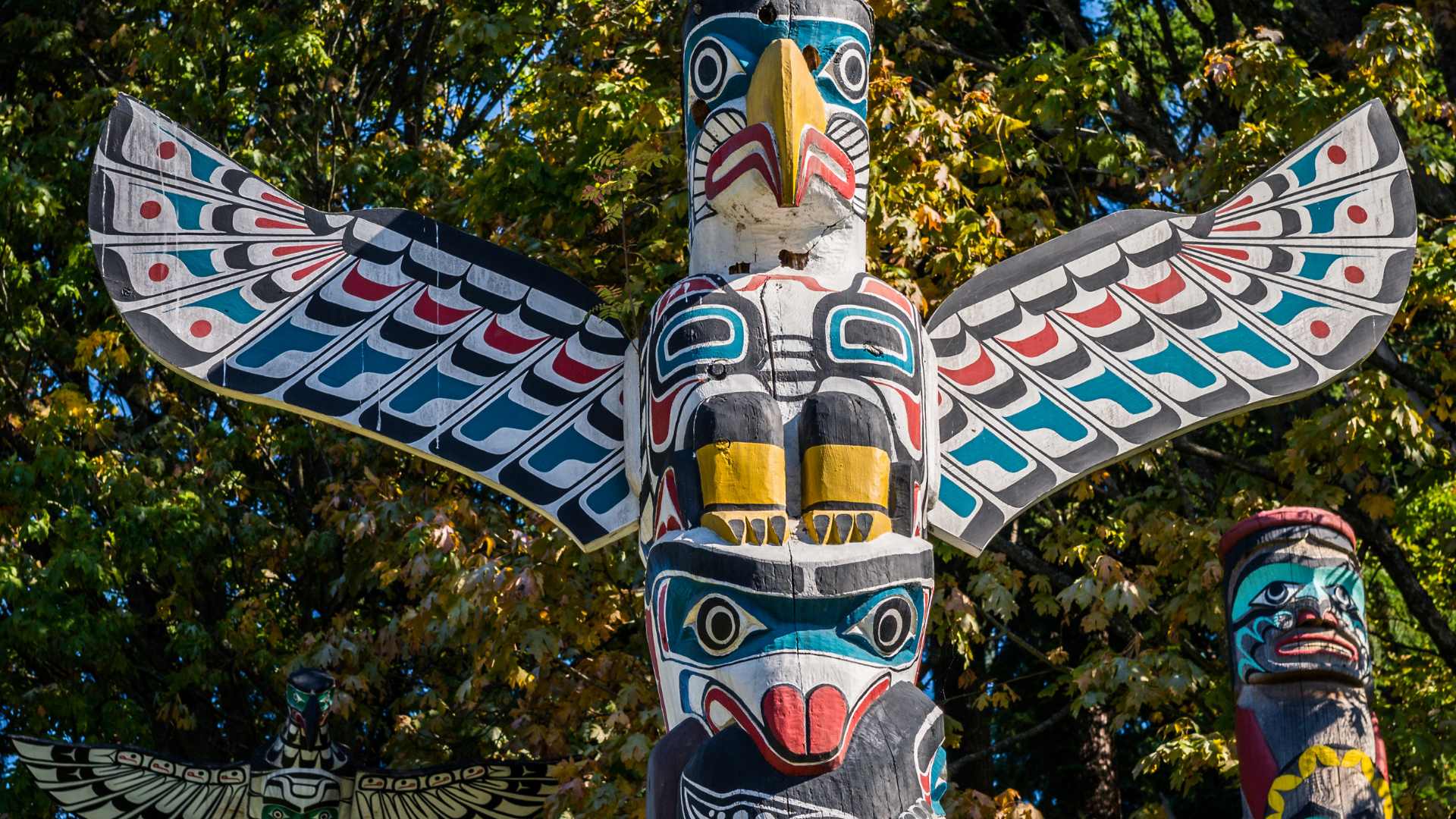
Vancouver is one of the most diverse cities in Canada4, with a rich cultural heritage that includes significant First Nations, Chinese, South Asian, and European communities4。 “ 原住民設計影響力 在整個城市的各種公共藝術裝置和建築特色中都可以看到,反映了與土地及其原始管理者的深厚聯繫4.
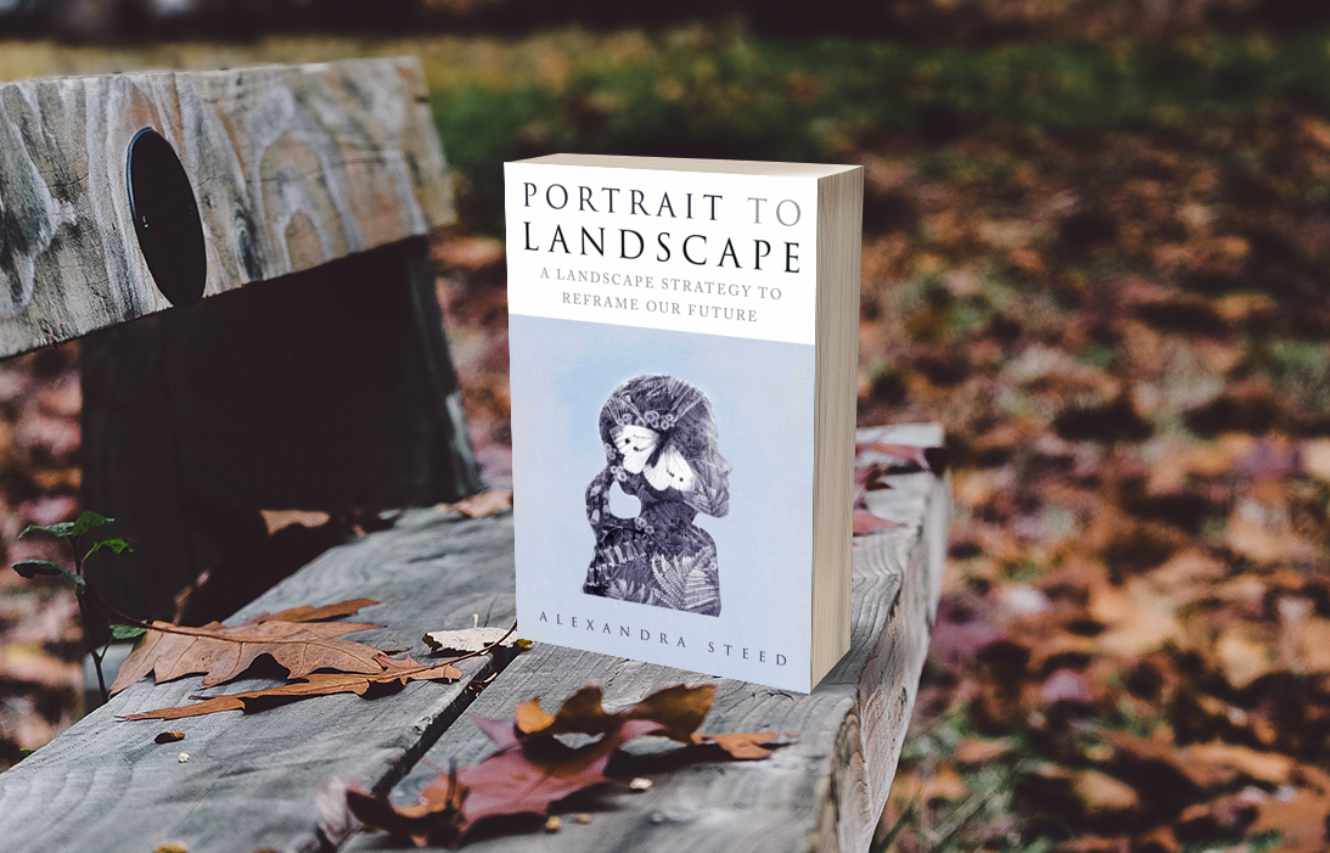
“景觀設計讓我能夠將我對藝術的熱愛融入最精緻的媒介中——雕塑並與生活世界合作,創造出有生命力的藝術作品。” – Alexandra Steed – 訪問她的網站
公共藝術、表演藝術和社區主導的慶祝城市多元化遺產的活動進一步豐富了溫哥華充滿活力的藝術和文化景觀3. The plan acknowledges the importance of diverse voices and local Indigenous presence in shaping Vancouver’s cultural landscape3.
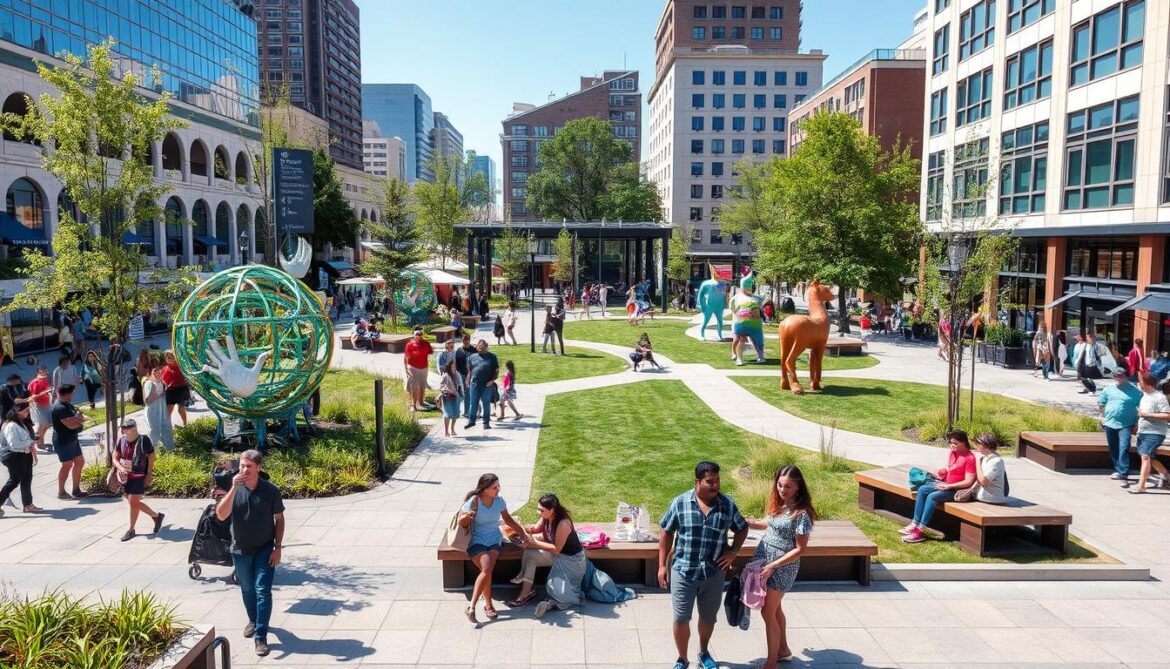
Urban design encompasses the planning, design, and management of public spaces, including streets, parks, plazas, and buildings. It is a multidisciplinary practice that integrates elements of architecture, landscape architecture, urban planning, and social sciences to create functional, aesthetically pleasing, and culturally responsive environments6.
Incorporating local materials, construction techniques, and design elements can preserve and celebrate the unique cultural heritage of a region, while also reducing the environmental impact associated with transportation and resource extraction5.
該市對支持當地藝術家的承諾在戈登和馬里昂史密斯青年藝術家基金會等舉措中得到了體現。該組織舉辦各種活動,包括小組討論、講座、研討會、表演和巡演,為新興和知名藝術家提供寶貴的平台來展示他們的作品8. The “Art Education, for Life” Speaker Series, for instance, features renowned artists and art experts, drawing large audiences and fostering meaningful dialogues8。此外,「探索與創造週六藝術計畫」針對有 5 至 12 歲兒童的家庭,鼓勵從小就進行創意表達和對藝術的欣賞8.
Vancouver’s urban development has been profoundly shaped by its geographic location and rich cultural heritage10。幾十年來,這座城市的人口顯著增長,大溫哥華地區人口在 140 年至 1971 年間增長了 2016%10。這種快速擴張帶來了多樣化且充滿活力的城市景觀,反映了以溫哥華為家的各種文化群體的影響力。
市中心也經歷了建築語言的統一,「溫哥華主義」的概念在 1970 世紀 XNUMX 年代末期形成12. This approach focused on creating accessible public spaces and mixed-use developments, contributing to the city’s reputation as a livable and sustainable urban centre11.
該城市對永續發展和包容性發展的承諾也是其文化特徵的重要方面11. Vancouver’s reputation as a global city is bolstered by its innovative strategies, which prioritise nature protection and community engagement in the planning process11.
In contrast to the urban renewal of Granville Island, Stanley Park represents the preservation of Vancouver’s natural landscapes. As one of the largest urban parks in North America, Stanley Park offers a tranquil oasis within the bustling city, showcasing the importance of integrating green spaces into the urban fabric15. New Zealand Māori experienced a rapid migration with 85% of the population being rural in 1900 and transitioning to 85% urban by 200015。加拿大城市原住民人口顯著增加,從 6.5 年的 1951% 增加到 53 年的 2006%。
The park’s iconic seawall, lush forests, and diverse wildlife have become an integral part of Vancouver’s identity, promoting community engagement and environmental awareness14。 「BargePark|ParkBarge」計畫的設計師人數:12 名(Marta Farevaag、Maureen Hetzler、Simone Levy、Bo Lu、Sophie MacNeill、Laura MacDonald、Kelty McKinnon、Chris Mramor、Marta Pietrak、Ariel Vernon 和 Stephen Wilkinson)14。來自各個工作室和建築師的貢獻者數量:33。
These successful urban design projects in Vancouver showcase the city’s commitment to balancing urban development with cultural preservation and environmental sustainability, serving as models for other cities to emulate.
溫哥華的建築景觀是這座城市多元文化構成的視覺表現16。在過去的幾十年裡,越來越多的 本土建築公司 在美洲,這項轉變是由 1975 年《印第安人自決和教育援助法》和 1997 年《美洲原住民住房主權發展法》等立法變革所推動的16. These initiatives have empowered Indigenous communities to take a more active role in designing buildings that reflect their cultural heritage and identity.
The city’s urban planning approach includes initiatives to increase green spaces, improve energy efficiency, and reduce carbon emissions20。例如,位於不列顛哥倫比亞省薩里市的新克萊頓社區中心將成為北美第一個達到被動式房屋標準的社區中心21. These efforts align with Vancouver’s goal of becoming one of the world’s most sustainable cities.
公共空間與環境意識
In addition to green building practices, Vancouver has also focused on creating public spaces that promote environmental awareness20。熱門旅遊勝地格蘭維爾島每年吸引10萬遊客,成為加拿大頂級旅遊勝地22。該島遵循禁止特許零售商維持其獨特產品的政策,展示了該市對可持續和以社區為中心的設計的承諾22.
溫哥華的城市設計路線圖包括一系列雄心勃勃的項目,這些項目將重新定義城市的建築環境23. The city’s commitment to becoming a zero-emission metropolis is evident in its focus on incorporating energy-efficient technologies and renewable energy sources to reduce its carbon footprint23。此外,透過步行友善的街道和自行車基礎設施,強調步行社區和主動交通,將改變居民和遊客體驗城市的方式23.
溫哥華處於利用智慧城市技術提高城市宜居性、永續性和效率的前沿23. The implementation of intelligent transportation systems and electric vehicle infrastructure aims to improve mobility, reduce congestion, and promote sustainable transportation solutions23。此外,數位基礎設施和數據驅動決策的整合將使城市能夠在城市規劃和發展中做出更明智、更敏感的選擇23.
Vancouver’s educational institutions play a pivotal role in nurturing the next generation of urban designers and planners. Local universities, such as the University of British Columbia and Simon Fraser University, offer comprehensive programmes in urban studies and design, fostering innovation and research in sustainable urban development27。這些機構經常與社區組織和地方政府合作,將學術知識與溫哥華充滿活力的城市景觀的實際應用聯繫起來。