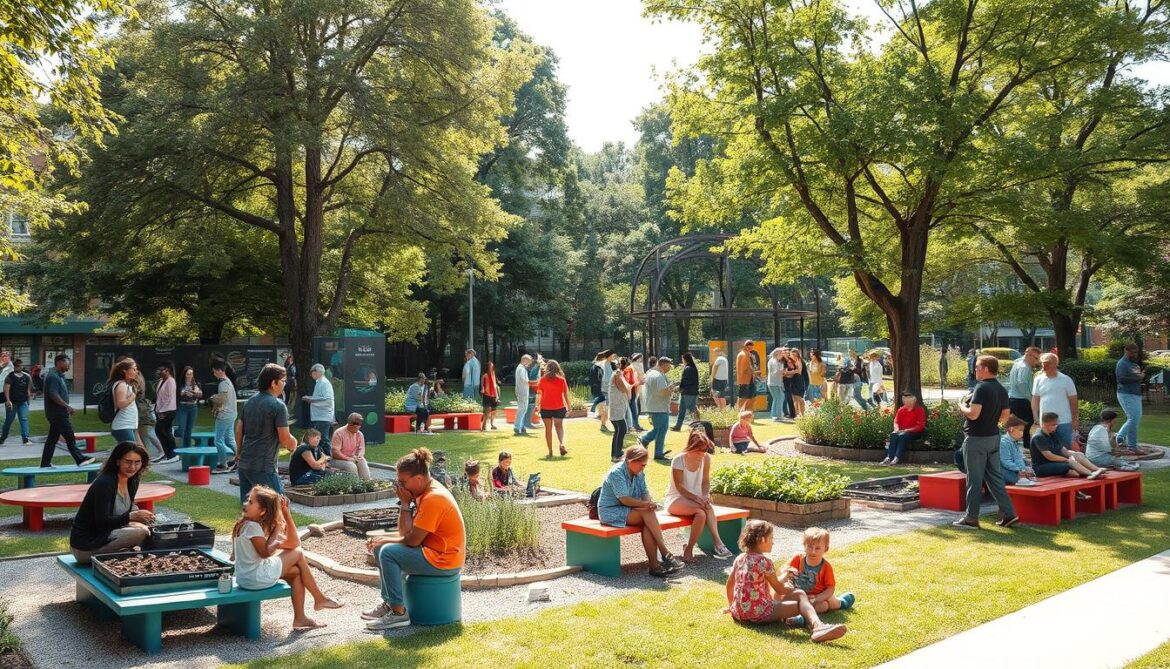
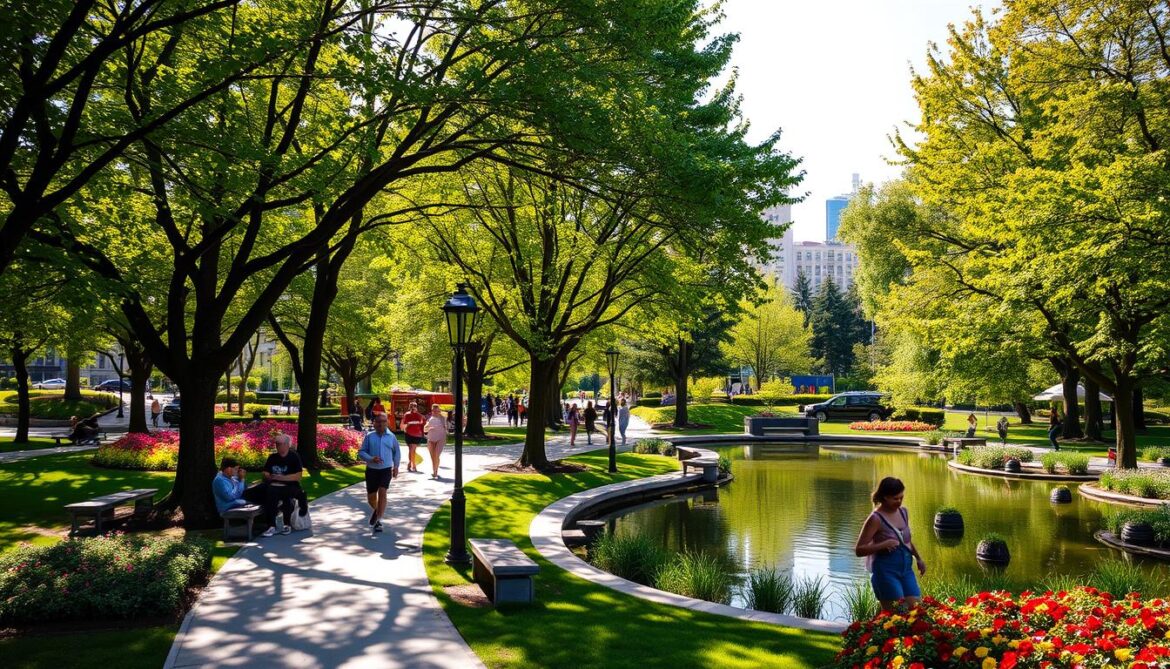
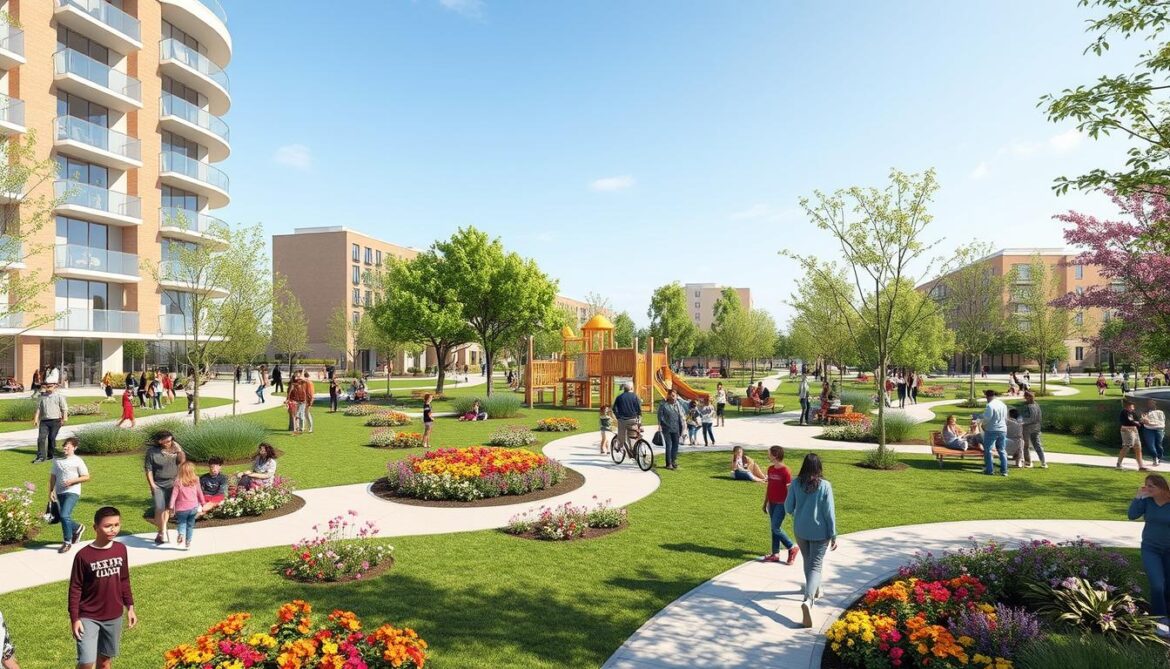
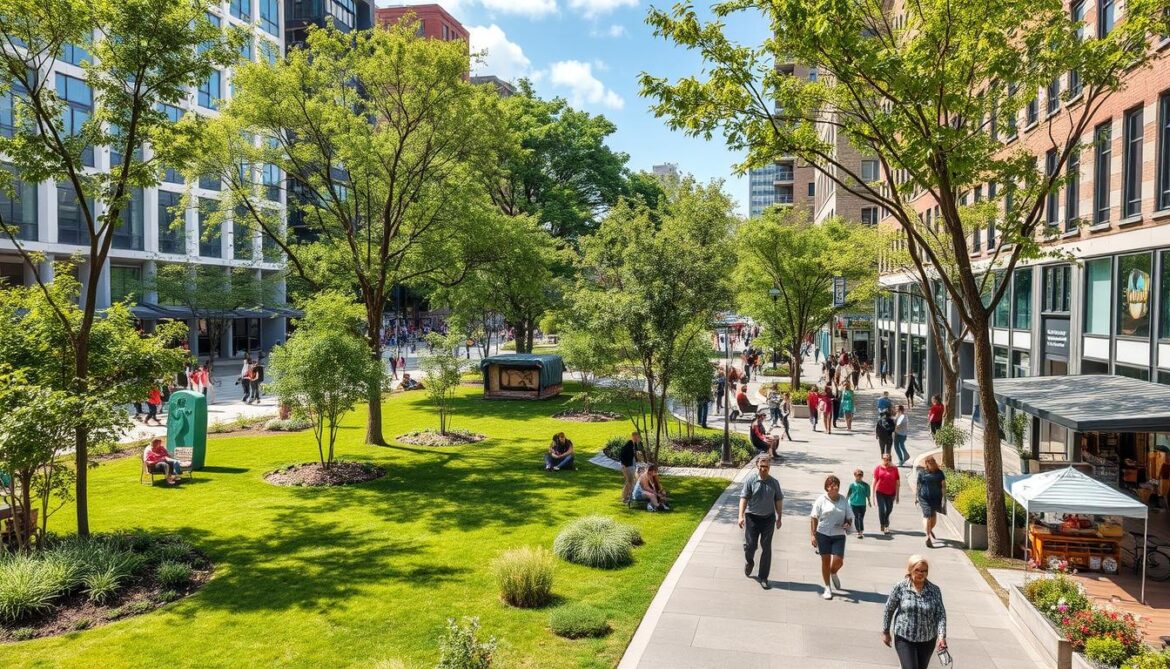
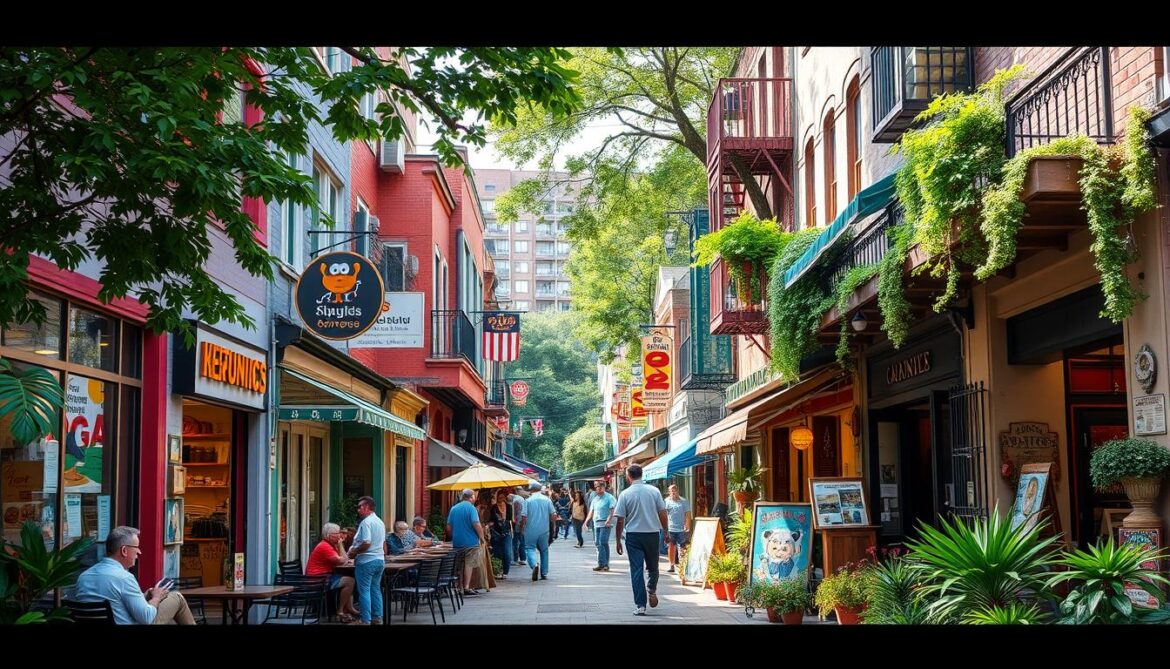
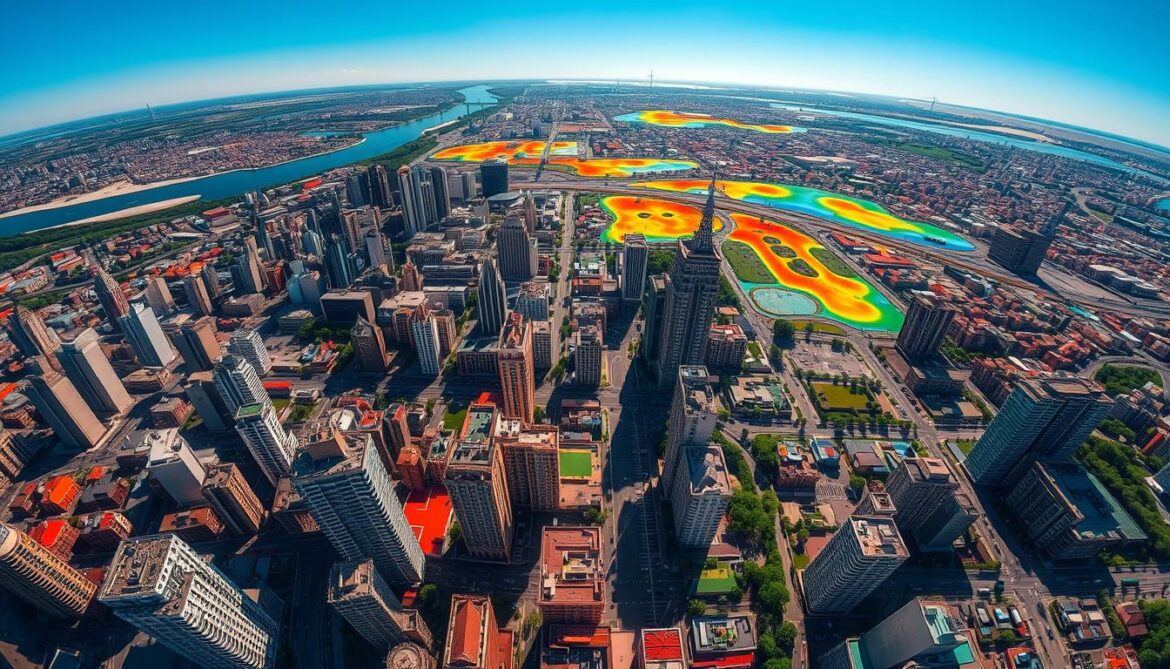
Creating comfortable, accessible spaces: Incorporating elements such as shaded areas, seating, and inclusive design features to make urban spaces inviting and accessible for people of all ages and abilities.
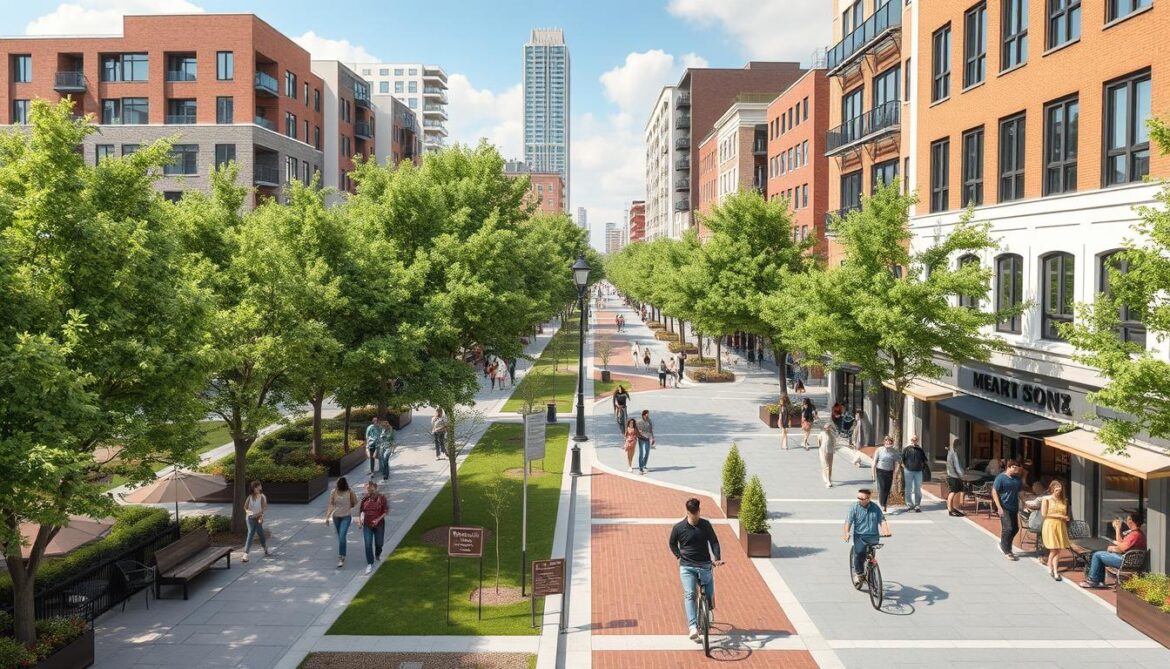
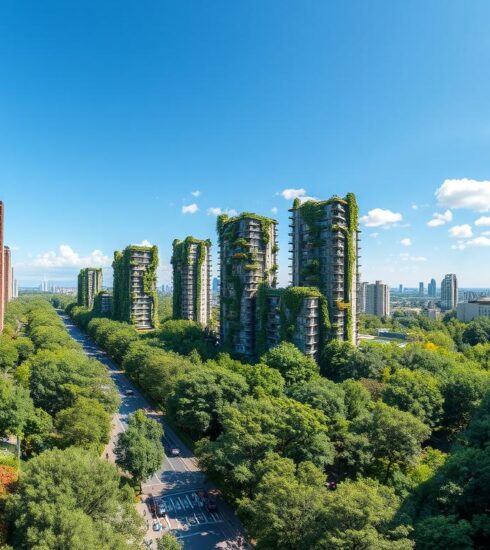
Sustainable urban design plays a pivotal role in creating cities that are environmentally responsible and economically resilient. By incorporating eco-friendly materials and practices, urban planners can significantly reduce the environmental impact of development projects16. Strategies like promoting walkable neighbourhoods, supporting public transport, and enhancing green spaces not only improve the quality of urban life but also contribute to building more sustainable cities.
環保材料與實踐
綠色建築 techniques, renewable energy systems, and water conservation measures are essential components of sustainable urban design16. These eco-friendly practices not only reduce resource consumption but also promote energy efficiency, helping to mitigate the effects of climate change. By utilising sustainable materials and adopting innovative construction methods, urban designers can create built environments that are both aesthetically pleasing and environmentally responsible.