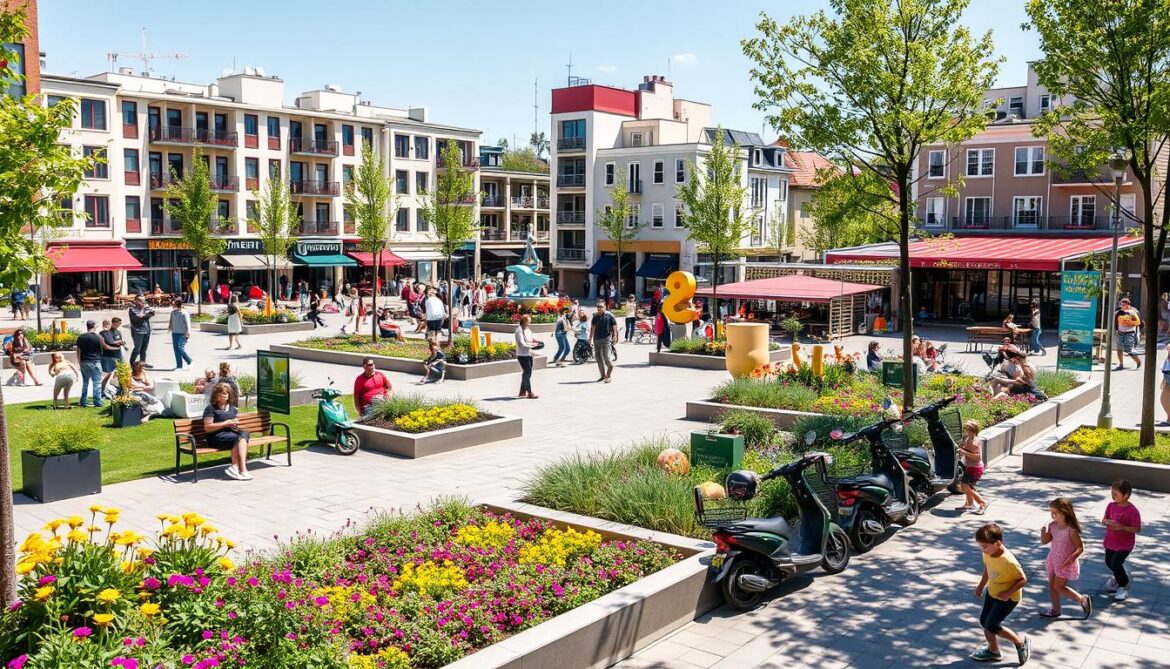
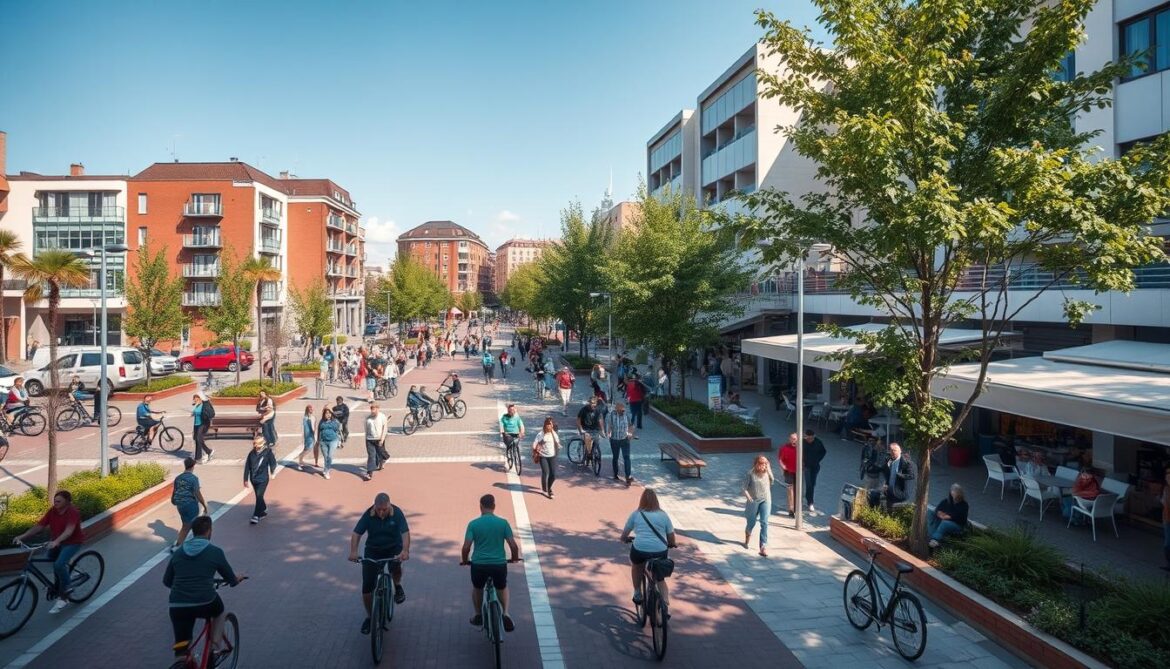
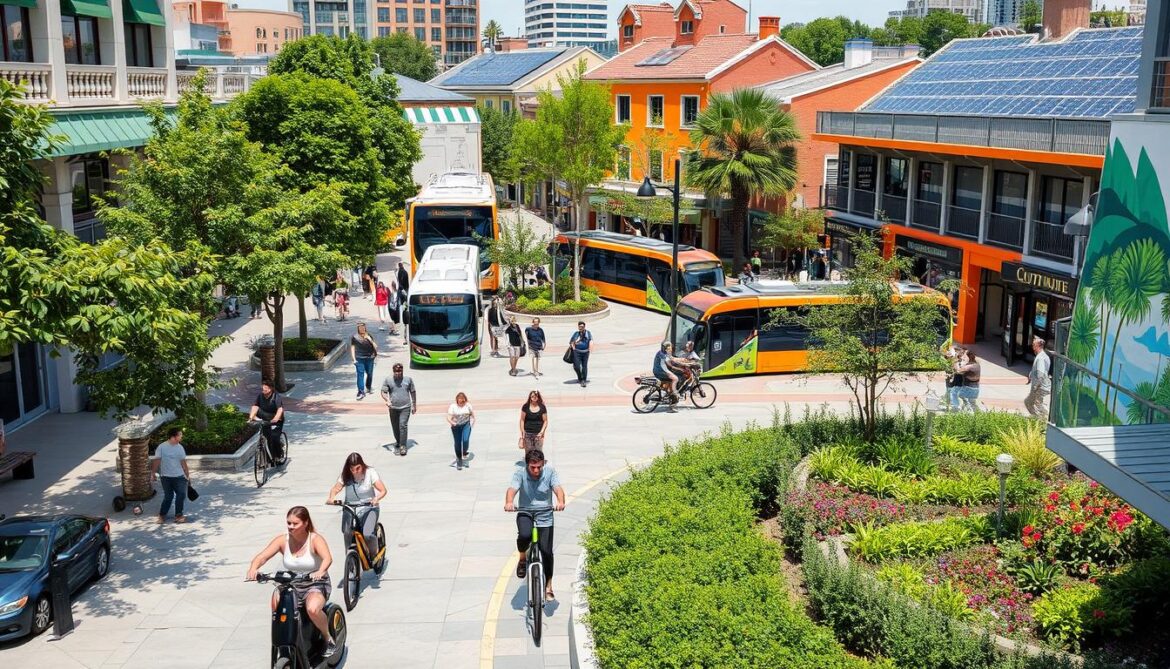
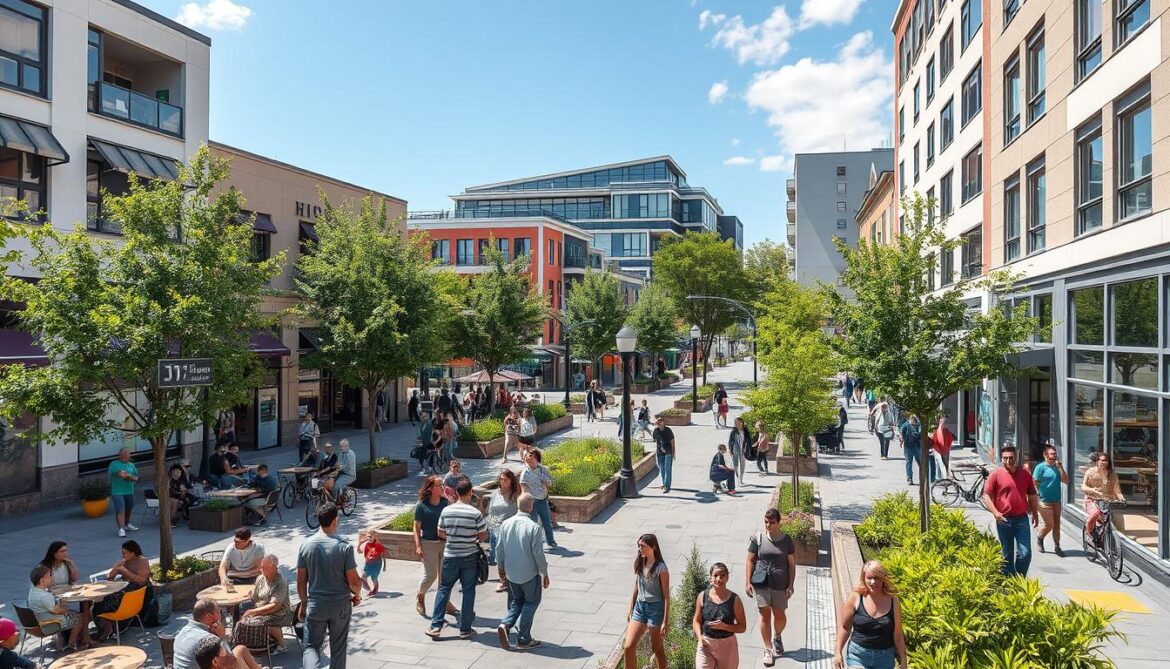
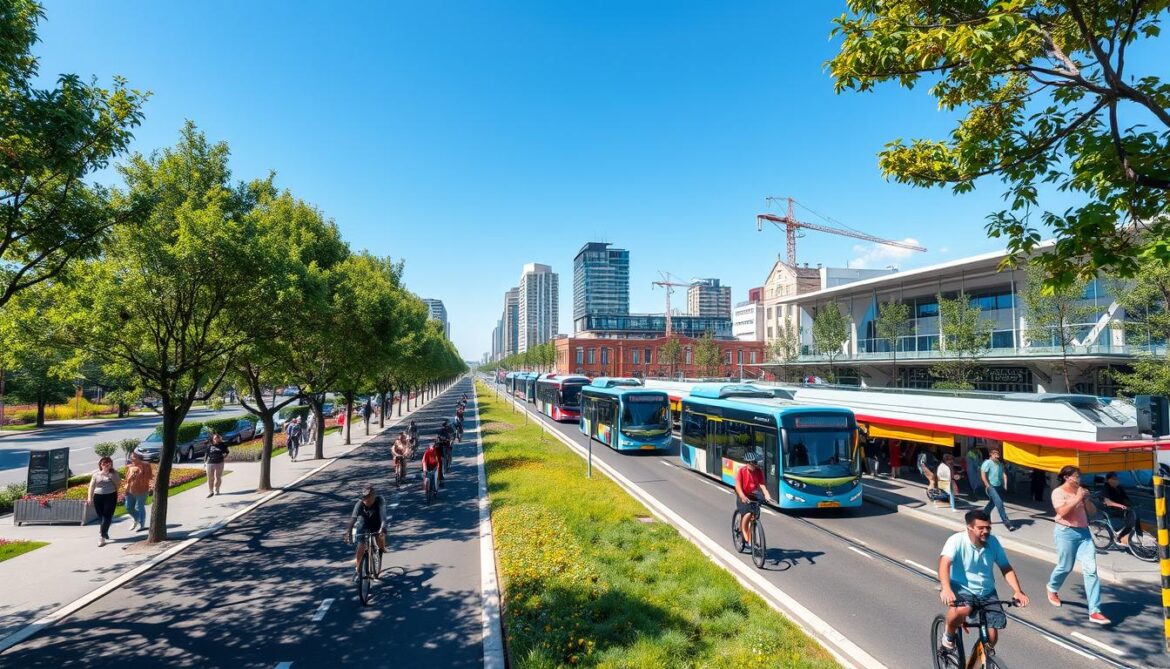
Urban spaces have traditionally prioritised cars, shaping cities in ways that often overlooked the needs of pedestrians. However, city planning is now shifting towards a vision that places people at the centre of urban design. This approach aims to enhance quality of life, promote sustainability, and foster greater community interaction. The concept prioritises walking, cycling, and public transport over private car use, reducing traffic congestion and pollution while encouraging healthier lifestyles1。透過整合綠色空間、安全的人行道和便利的公共交通,這種以人為本的方法創造了一個更永續的城市環境,使整個社區受益。
Well-designed public spaces can also contribute to the overall quality of life for residents. The Vancouver Seawall, for instance, provides residents and visitors with a scenic route for walking, cycling, and jogging, improving their physical and mental health4。同樣,阿姆斯特丹的馮德爾公園以其促進身體活動、精神放鬆和社交參與、提高使用者的宜居性和福祉的能力而聞名4。此外,維護良好的公園、廣場和海濱可以增加房產價值並吸引投資,從而帶來更高的租金和房產價值,有助於城市的經濟健康4.
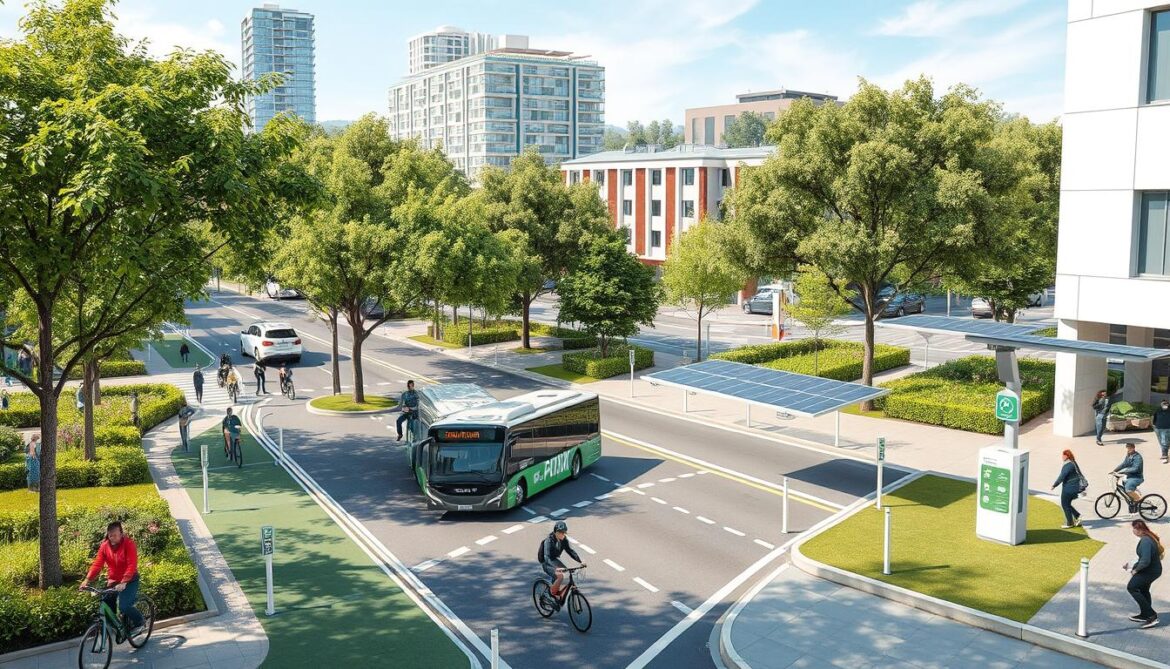
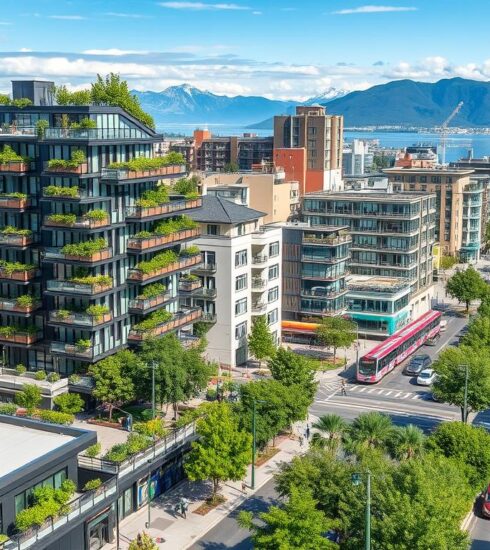
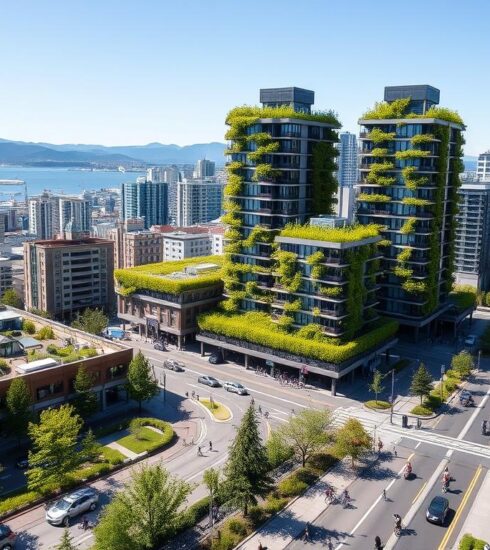
As cities continue to grow and evolve, sustainable urban design has become a crucial focus for creating more 宜居社區8。永續城市發展旨在確保城市宜居並支持經濟、社會和生態復原力8. Sustainable development combines strategies to reduce pollution and preserve natural resources, offering a path towards a greener and more efficient future8.