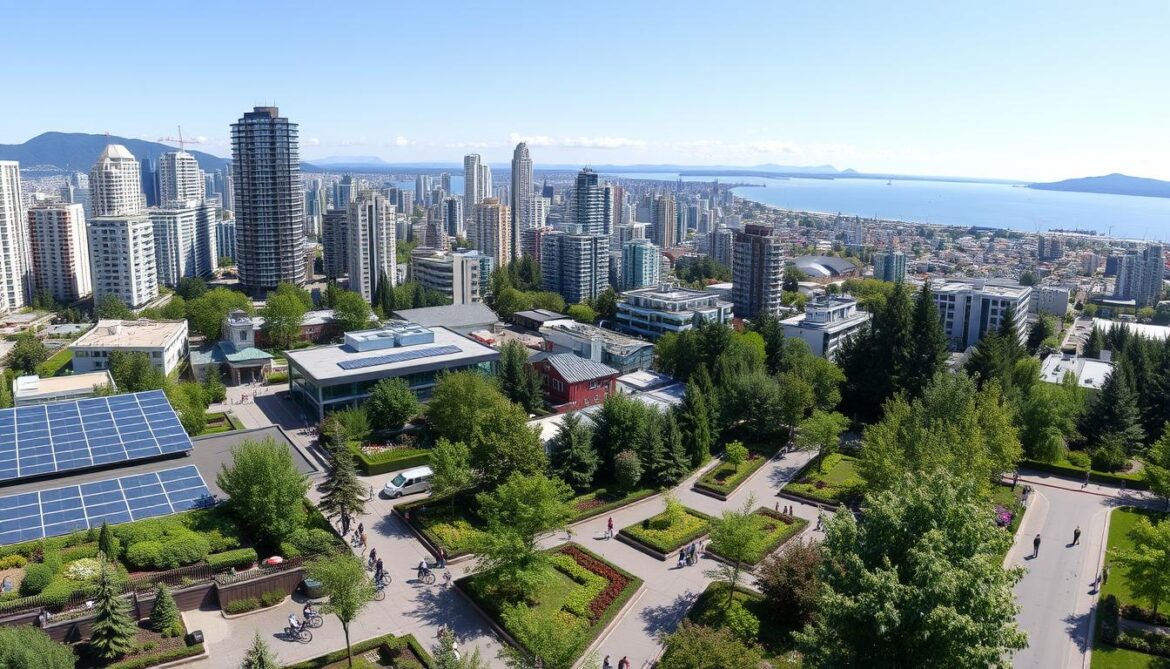
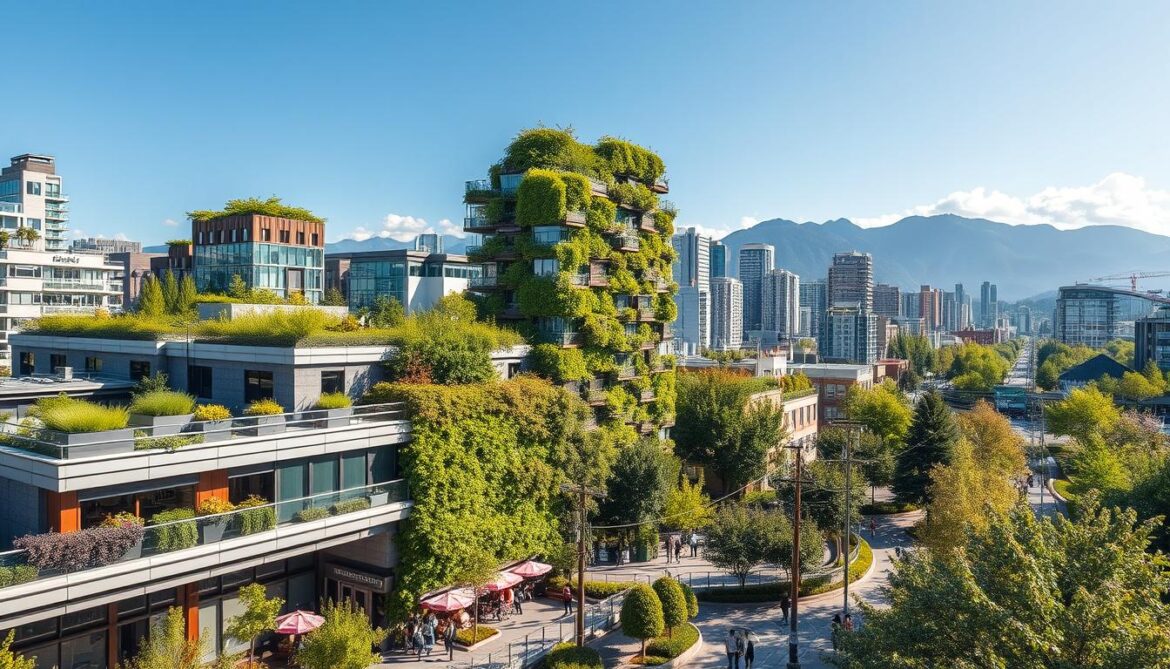
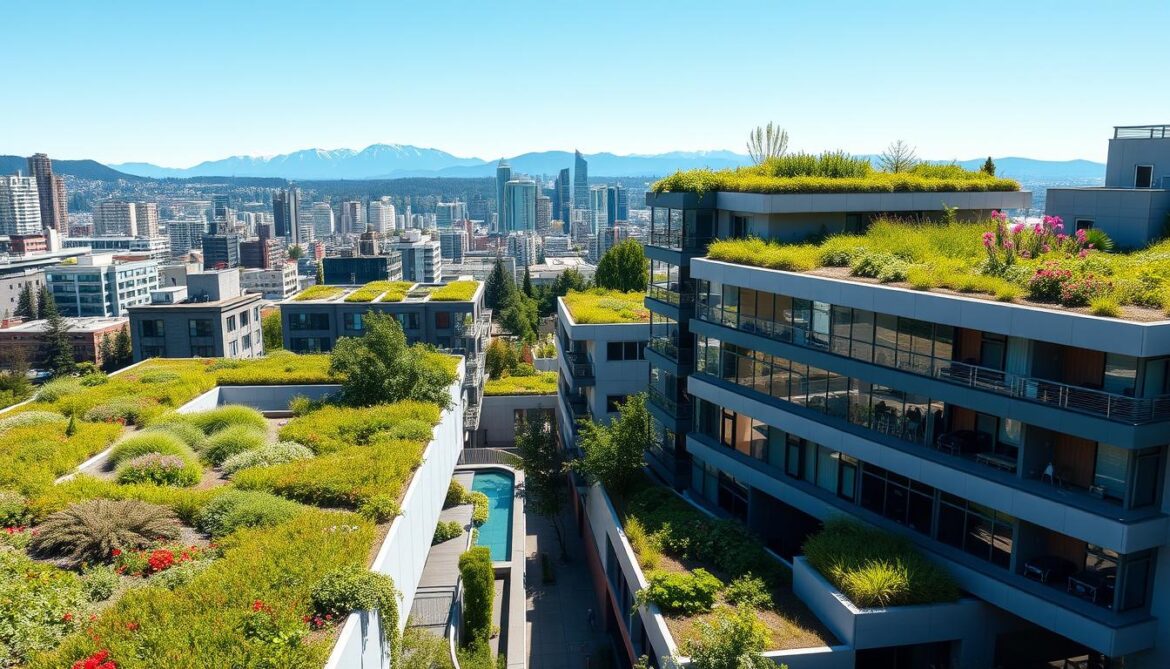
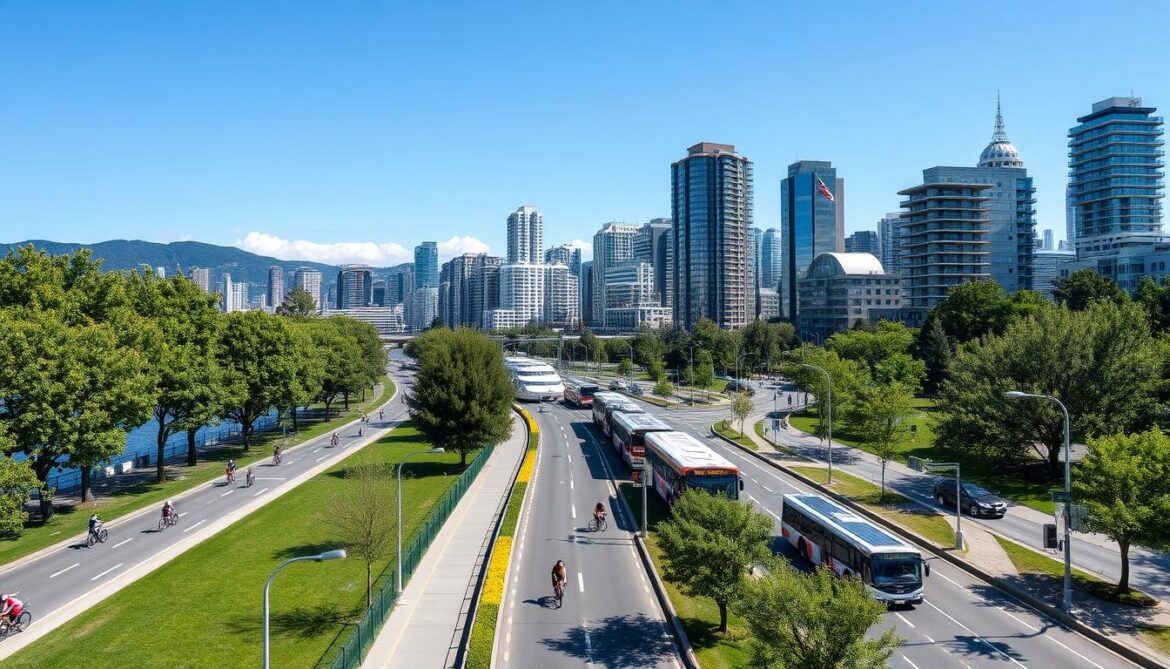
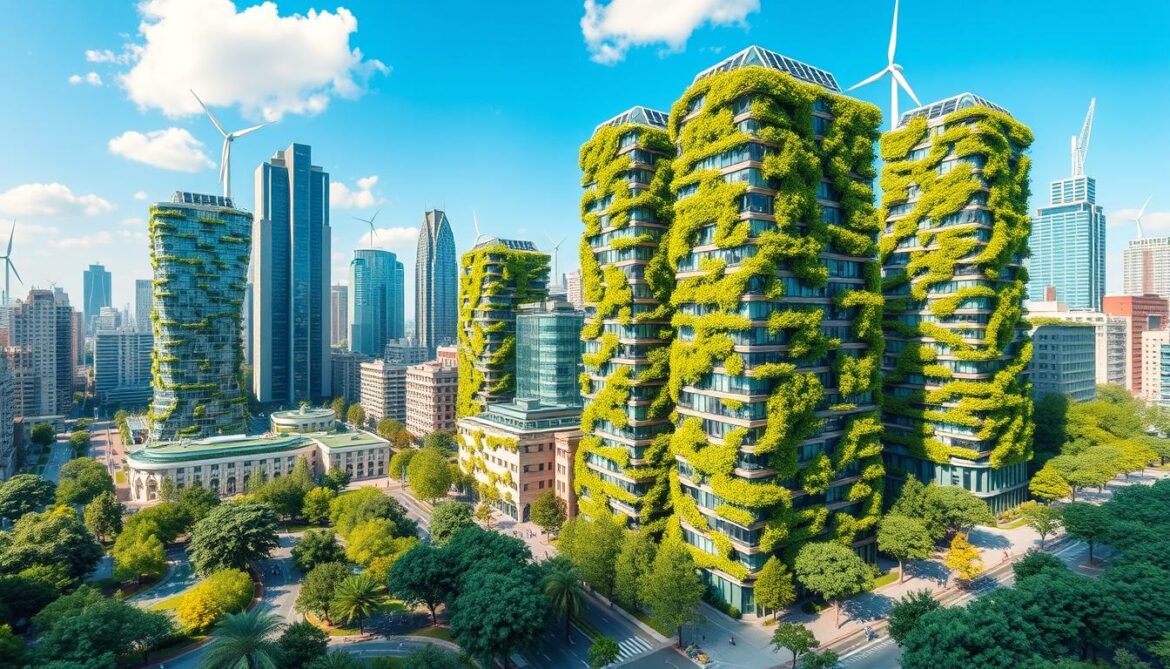
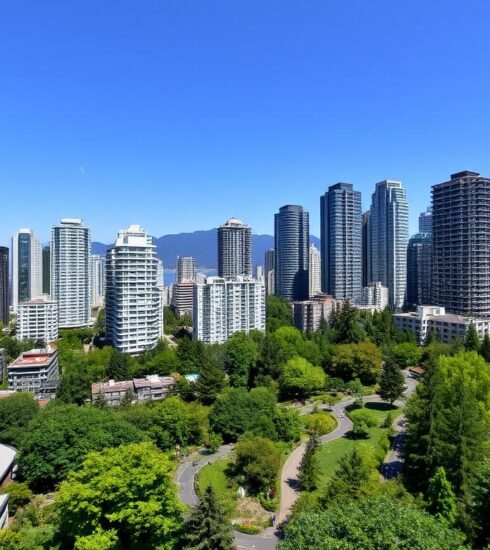
Vancouver stands at the forefront of1 sustainable urban development, implementing innovative solutions to address environmental challenges. The city’s approach encompasses green infrastructure, sustainable transportation, and community engagement. With projected population growth of over a million new residents in the coming decade, Vancouver is reimagining its regional transportation and urban design to create an affordable and sustainable landscape1. The city’s commitment to sustainability is evident in its historical context, where TransLink’s network follows historic routes, showcasing the evolution from humble beginnings to a leader in urban innovation2.
Vancouver’s historical context has played a significant role in shaping its current urban design. The city’s transportation network, embodied by the TransLink system, traces along historic routes, reflecting the evolution of Vancouver from its early days to its present status as a leader in urban innovation. This historical foundation has provided a solid basis for the city’s sustainable development initiatives4.
At the heart of Vancouver’s environmental efforts are its robust policy frameworks. The city has scored 78/100 on the Walkscore ranking, making it the most walkable large city in Canada5。然而,溫哥華8個社區中有22個社區的步行得分低於70,顯示步行適宜性需要進一步改善5。 《最綠城市行動計畫》和《健康城市策略》作為該市的指導文件,整合了 生物多樣性 和毒素減少策略,以提高生物多樣性水平並減少毒素5. These policies are designed to address a range of environmental priorities, from climate change adaptation to resource conservation and sustainable transportation.
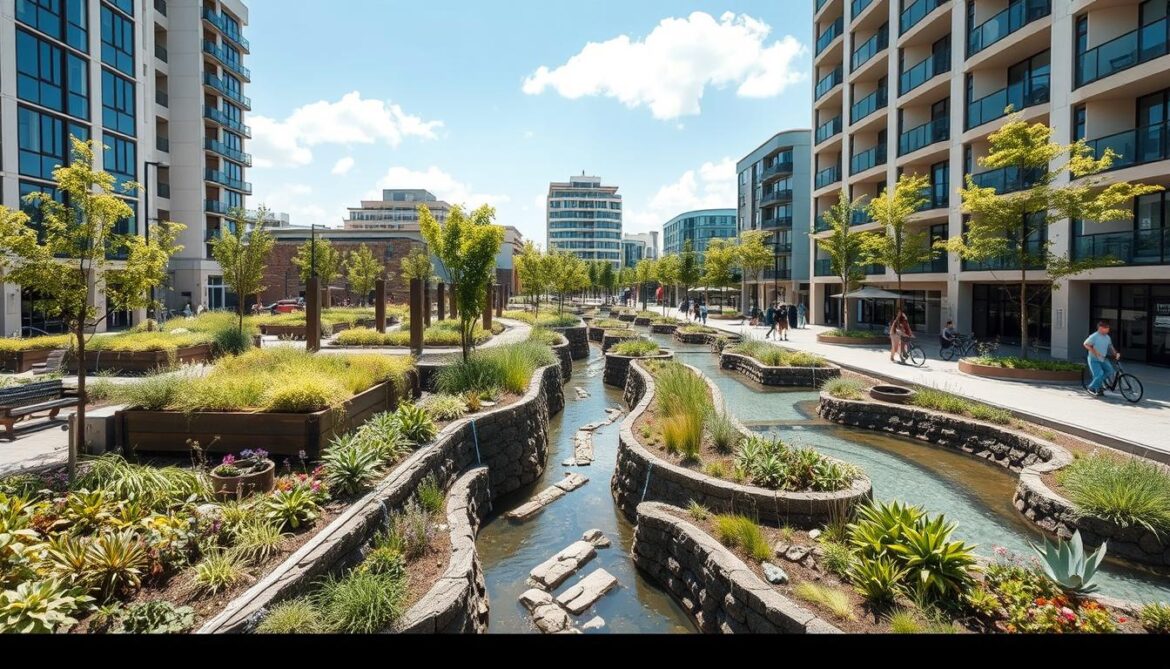
除了雨水收集之外,溫哥華還投資了 永續排水 管理雨水徑流的解決方案10。例如,透水性路面和生態窪地讓水滲入地面,減少進入下水道系統的水量10. These nature-based solutions also help recharge groundwater supplies and prevent localized flooding. Furthermore, the restoration and protection of natural water bodies, such as streams and wetlands, have been prioritized to enhance the city’s resilience to climate change and ensure the long-term availability of water resources.
Vancouver’s urban planning prioritises energy efficiency as a crucial component of its sustainable development strategy12. The city’s commitment to energy efficiency extends to retrofitting existing buildings, showcasing a comprehensive approach to reducing urban energy consumption and carbon emissions12.
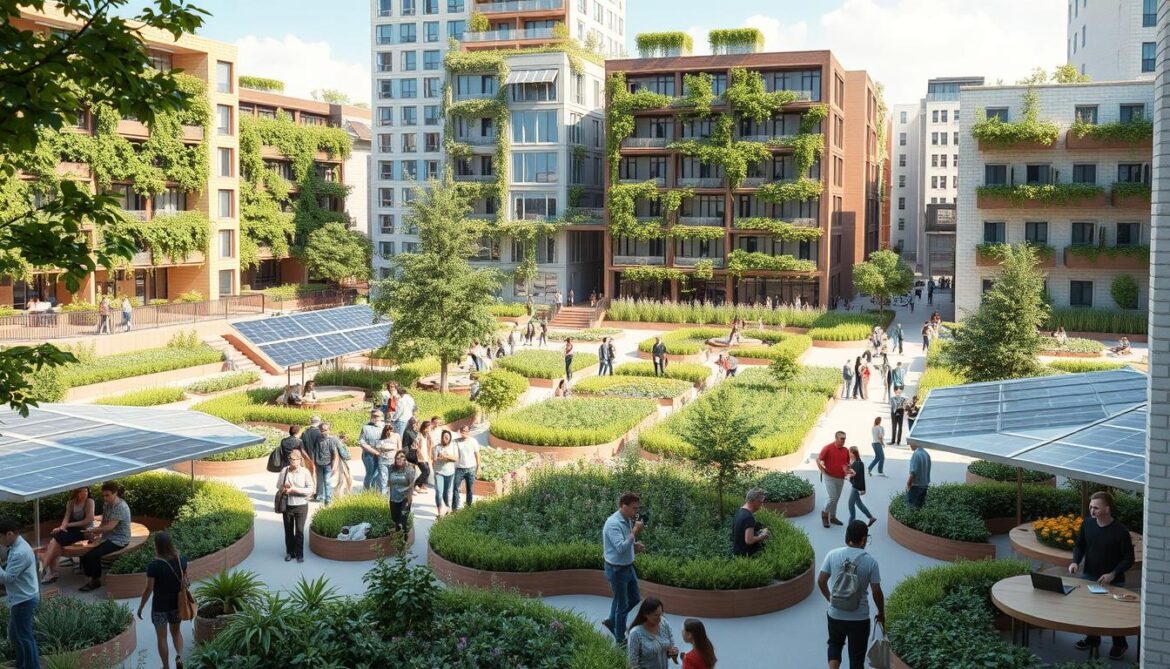
Collaborative design processes bring together diverse stakeholders, including residents, urban planners, and environmental experts, to co-create solutions for urban challenges. This approach not only enhances the effectiveness of 可持續設計 initiatives but also fosters a sense of ownership and pride among Vancouver’s residents, contributing to the long-term success of the city’s sustainability efforts14.
The economic benefits of sustainable design in Vancouver extend beyond job creation21。該市對能源效率、資源節約和綠色基礎設施的重視,帶來了顯著的長期成本節約21。透過減少能源消耗和維護費用,溫哥華的可持續實踐使建築物更適合居住和投資,為開發商和居民採用環保設計提供經濟誘因21.