


Dobre vijesti: Novi način gledanja na održivost, džepne šume i modernizaciju u Irskoj
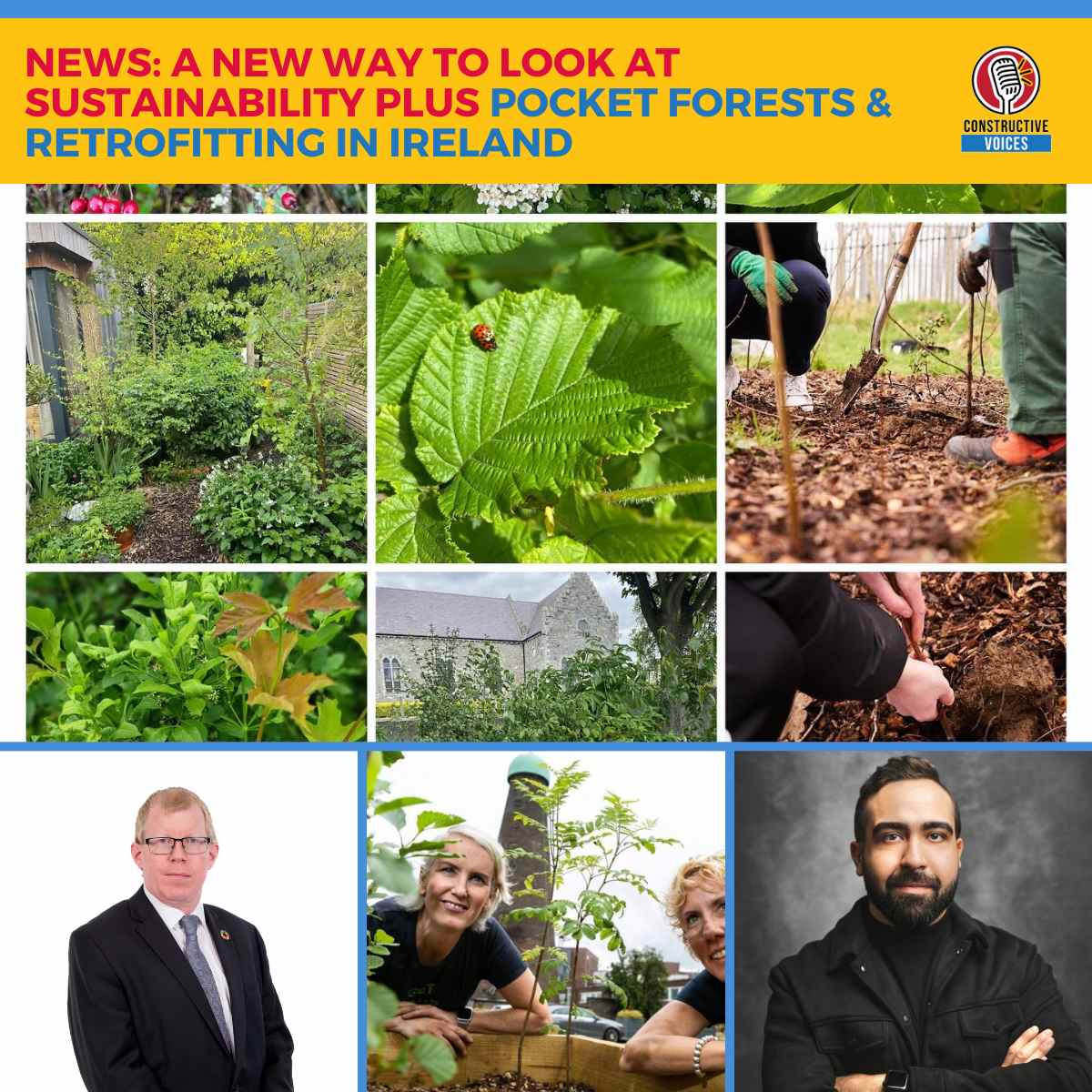
U ovom inspirativnom izdanju podcasta Constructive Voices Good News, donosimo vam kratak, oštar niz pozitivnih priča iz izgrađenog okruženja - s dozom inspiracije za očuvanje prirode.
UKLJUČITE SE, UČITE I UZDIŽITE SE ZA MANJE OD 6 MINUTA
Novi način gledanja na održivost: Neuroodrživost
Otvaramo se fascinantnim konceptom koji se podjednako odnosi na zaštitu našeg uma koliko i na zaštitu planete - neuroodrživost. Voditeljica Jackie De Burca razgovara s Mohamedom Heshamom Khalilom, čije pionirsko istraživanje na Univerzitetu u Cambridgeu istražuje kako izgrađeno okruženje affects our brain health, mental wellbeing, and cognitive performance.
“That shift… from experiencing the built environment in a specific way and then going back was an alert to start seeing this relationship between the built environment and the human brain.” — Mohamed Hešam Halil
Discover how architecture, neuroscience, and nature intersect — and why this matters more than ever post-lockdown.

Ozelenjavanje Irske: Džepne šume
Next, volunteer reporter Sarah Austin speaks with Catherine Cleary, co-founder of Pocket Forests, about transforming small urban spaces into thriving native woodlands. With over 125 sites planted — from car-parking-space-sized micro-forests to half–tennis-court plots — these dense plantings are changing soil health, biodiverziteti veze sa zajednicom.
„Sadimo mnogo mlađe drveće... mnogo bliže jedno drugom... rezultat je da ona vrlo brzo stvaraju ovu mikroklimu.“ — Catherine Cleary
Za potpuni uvid, pogledajte našu posebnu epizodu Ozelenjavanje Irske od džepnih šuma do autohtonih šuma na našoj web stranici.

Catherine Cleary i Ashe Conrad-Jones, osnivačice kompanije Pocket Forests.
Slika ljubaznošću Pocket Forests
Zamah modernizacije u Irskoj
We round things off with encouraging retrofitting news: in early 2025, Ireland saw 11,910 home energy upgrades supported through government grants — a 2% rise from the previous year.
These upgrades avoided 15,000 tonnes of CO₂ emissions, reinforcing Ireland’s national push toward energy efficiency and climate action.
Bookmark this page to check for the podcast episode that deep dives into this topic with Dr. Ciaran Byrne, the Director of National Retrofit at Sustainable Energy Authority of Ireland (SEAI).
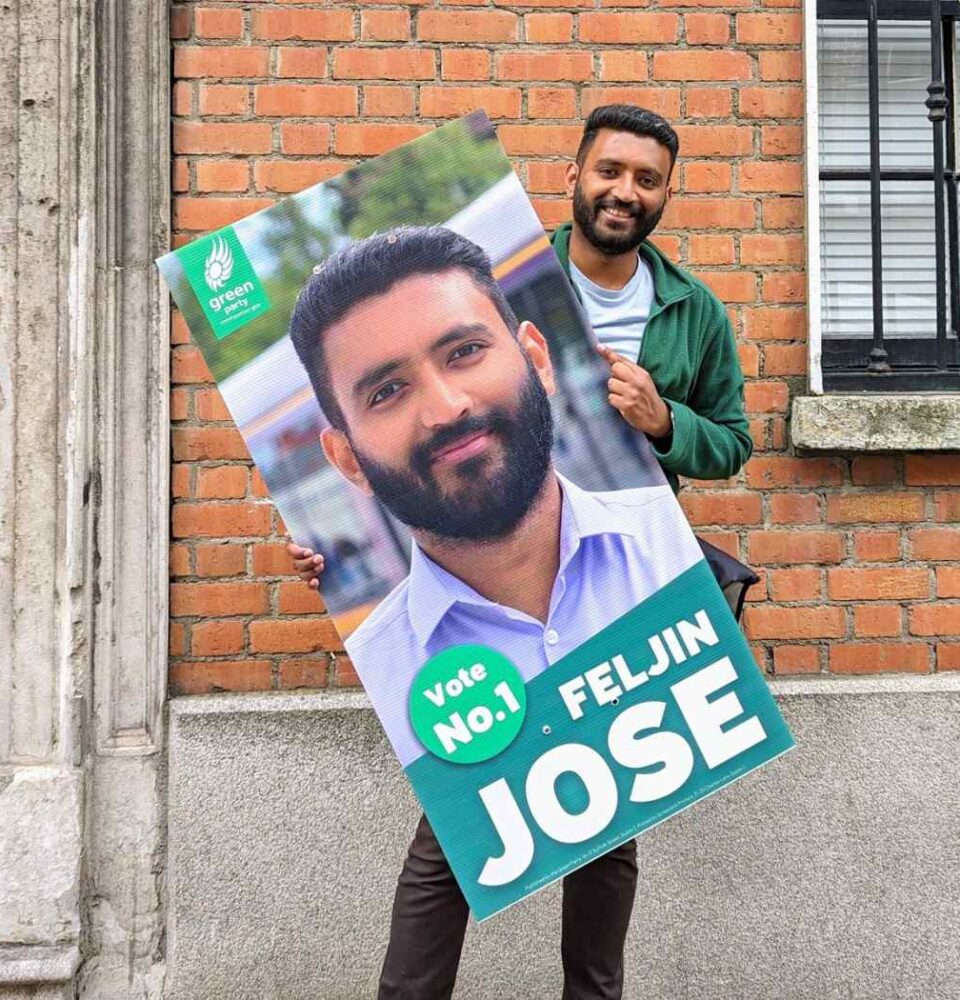
Izgradnja klimatski prilagođenih ulica, domova i javnog prijevoza s Feljinom Joseom
Izgradnja klimatski prilagođenih ulica, Homes & Transit sa Feljinom Joseom Zagovornik javnog prevoza i gradski vijećnik Dublina Feljin Jose pridružuje se...
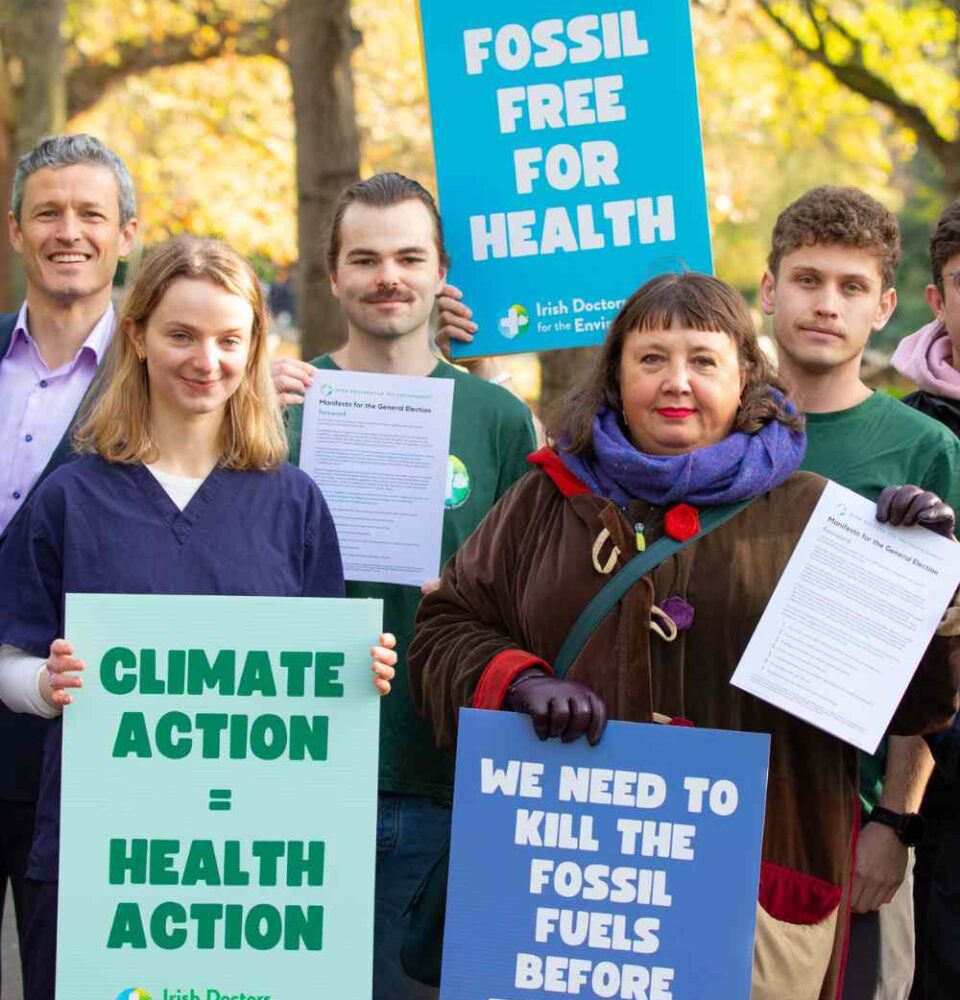
Uloga zdravstvene zaštite u klimatskim promjenama s irskim doktorima za okoliš
Uloga zdravstvene zaštite u klimatskim promjenama s irskim doktorima za okoliš Izgrađeno okruženje i, naravno, okoliš...

Zašto su zasluge za prirodu važne – s Brianom MacSharryjem, Evropska agencija za okoliš
Zašto su prirodni krediti važni – s Brianom MacSharryjem, Evropska agencija za okoliš. Otkrivanje kako bi prirodni krediti mogli promijeniti način...

Koji je plan Evropske komisije za ostvarivanje Prirodnih kredita?
Šta je Plan Evropske komisije za ostvarivanje Prirodnih kredita? „Kada sam prvi put vidio vijest o Planu EU...

Irska utrka retrofita — s dr. Ciaránom Byrneom (SEAI)
Irska utrka za adaptaciju s dr. Ciaránom Byrneom (SEAI) Kako Irska čini domove toplijim, jeftinijim za održavanje i s nižom emisijom ugljika - uz...

Direktiva o energetskim performansama zgrada (EPBD): Prekretnica za održivost evropskih zgrada sa Stephenom Barrettom iz IGBC-a
Direktiva o energetskim performansama zgrada (EPBD): Prekretnica za održivost evropskih zgrada. Sa Stephenom Barrettom iz IGBC-a,...

Održivi pregled Coba: Lokalna akcija, globalne implikacije S4, E14
Održivi pregled Coba: Lokalna akcija, globalne implikacije S4, E14 „Samo se nadam da je sav ovaj novi razvoj...

Ozelenjavanje Irske: Od džepnih šuma do autohtonih šuma s Catherine Cleary, S4, E11
Ozelenjavanje Irske: Od džepnih šuma do autohtonih šuma s Catherine Cleary 'Ozelenjavanje Irske: Od džepnih šuma do autohtonih šuma...

Život u eko-selu Cloughjordan – Nacrt za održivi život u zajednici – Epizoda podcasta: S4, E6
Život unutar Ecovillagea Cloughjordan – Nacrt za održivu zajednicu Život unutar Ecovillagea Cloughjordan – Nacrt za...

S3, E5 Dr Ciaran Byrne, direktor, SEAI o uspješnim pričama, izazovima i mogućnostima rekonstrukcije Irske
S3, E5: Dr Ciaran Byrne, direktor, SEAI o pričama o uspjehu, izazovima i mogućnostima rekonstrukcije Irske U ovoj poučnoj epizodi...



Skriveni neurološki danak šumskih požara
Prije 10 mjeseci[…] Dobre vijesti: Novi način gledanja na održivost i džepne šume i modernizaciju u Irskoj […]
Zašto su zasluge za prirodu važne – s Brianom MacSharryjem, Evropska agencija za okoliš
Prije 9 mjeseci[…] Dobre vijesti: Novi način gledanja na održivost i džepne šume i modernizaciju u Irskoj […]